The Resurgence of Terrazzo in 2026: Affordable Luxury for Modern Homes
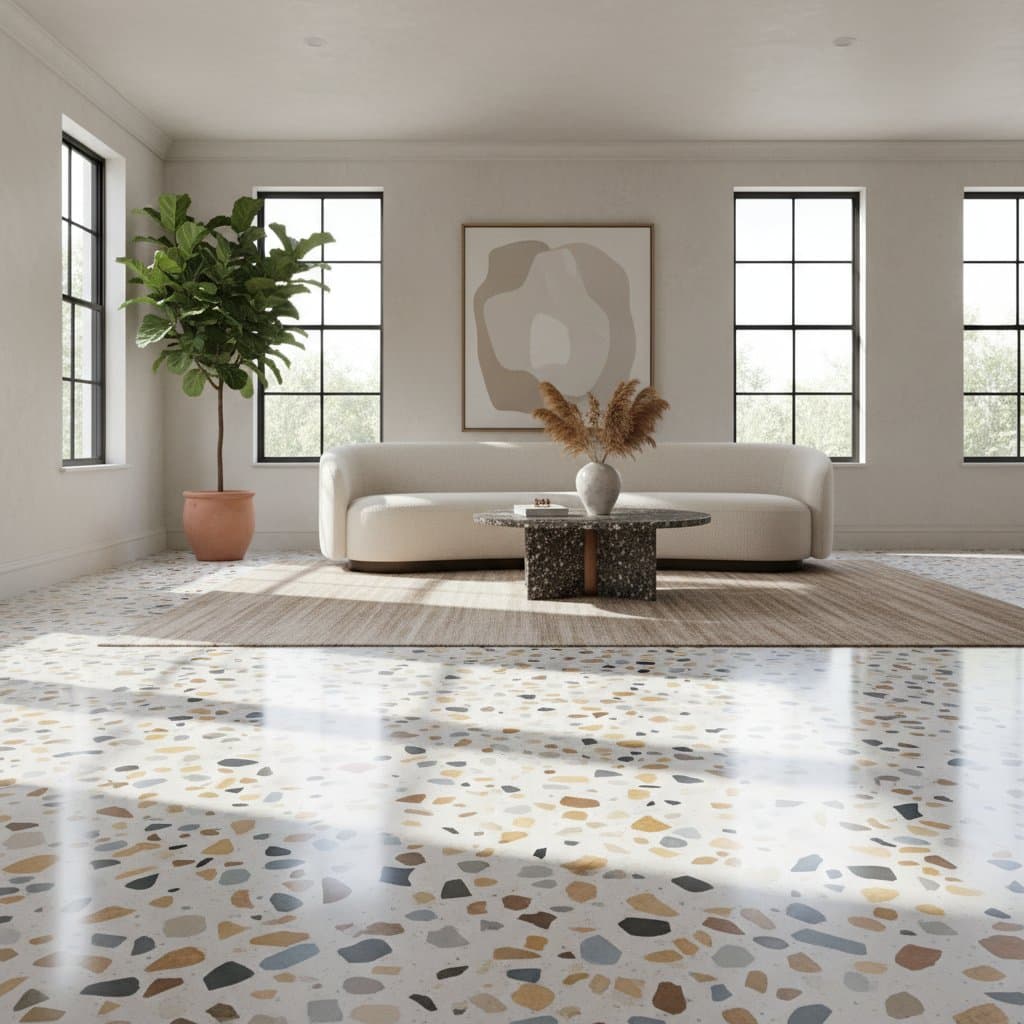
Terrazzo flooring combines aesthetic appeal with remarkable durability, positioning it as a leading choice for renovations in 2026. This versatile material, composed of chips embedded in a binder and polished to a smooth finish, offers customizable patterns and colors that enhance any space. Homeowners appreciate its ability to deliver high-end results without the premium price tag of other luxury surfaces.
The average cost for terrazzo installation falls between $14 and $28 per square foot, encompassing materials, labor, and basic preparation. This range makes terrazzo competitive with mid-tier options like porcelain tile or vinyl plank, yet it surpasses them in lifespan and low-maintenance appeal. Factors such as project scale, material type, and site conditions directly impact the final expense, allowing informed budgeting for lasting value.
Key Cost Components Breakdown
Understanding the elements that drive terrazzo pricing empowers better decision-making. Costs vary based on selections and site specifics, but transparency in these areas helps avoid unexpected expenses.
Material Selection
The binder and aggregate chips form the foundation of terrazzo, with choices affecting both appearance and budget. Cement-based terrazzo, a traditional option, ranges from $10 to $18 per square foot for materials and initial mixing. This type suits indoor applications where a classic, matte finish prevails, and it integrates well with concrete subfloors common in many homes.
Epoxy-based terrazzo provides greater flexibility, costing $15 to $22 per square foot. Its resin binder allows for vibrant colors, thinner applications ideal for renovations over existing floors, and seamless integration in curved or irregular spaces. Select aggregates like marble, glass, or quartz to match design visions, noting that premium imports may increase costs by 10 to 20 percent.
Labor and Design Complexity
Professional labor constitutes a significant portion of the total, typically $6 to $12 per square foot. Skilled artisans ensure precise divider placement and even chip distribution, essential for a flawless result. Simple, uniform patterns keep expenses lower, while intricate designs with multiple colors or custom inlays elevate costs by 15 to 25 percent due to additional time and expertise required.
Consider the project's artistic elements early. For instance, a geometric medallion in an entryway demands meticulous planning, potentially adding hours of on-site work. Always review portfolios from contractors to gauge their proficiency with complex layouts.
Project Scale and Site Accessibility
Larger areas benefit from economies of scale, as installers achieve efficiency in continuous pours and grinding sessions. A 500-square-foot open kitchen, for example, may achieve costs closer to the lower end of the spectrum. Conversely, smaller spaces or fragmented layouts, such as bathrooms with multiple fixtures, incur higher per-square-foot rates due to repeated setup and transitions.
Accessibility plays a crucial role. Stairs require specialized forming and support, often doubling labor in those zones. Tight corners or multi-level designs demand careful material transport, so evaluate entry points and pathways during initial assessments to refine estimates.
Subfloor Preparation and Finishing Touches
A stable base ensures the terrazzo adheres properly and performs over time. Concrete subfloors represent the simplest scenario, needing minimal prep beyond cleaning and minor patching. However, wood subfloors or uneven slabs necessitate leveling compounds or underlayments, adding $2 to $4 per square foot.
Finishing processes enhance both aesthetics and protection. Polishing involves progressive diamond grinding to achieve a glossy sheen, a standard step included in most quotes. Sealing adds $1 to $2 per square foot, creating a barrier against spills and wear; opt for penetrating sealers in kitchens for added stain resistance.
Installation Options: DIY Limitations and Professional Advantages
While terrazzo tempts DIY enthusiasts with its hands-on appeal, full installations demand specialized knowledge. Evaluate capabilities honestly to prevent costly errors.
When DIY Makes Sense
Small-scale tasks suit experienced homeowners. Patching minor cracks or applying sealant to existing terrazzo requires basic tools like a diamond grinder, mixing buckets, and protective respirators. Follow manufacturer guidelines for curing times, typically 24 to 48 hours per layer, to avoid adhesion failures.
Acquire safety gear including gloves, masks, and knee pads, as dust from grinding poses health risks. Test mixes on scrap material first to perfect color and consistency. This approach works for maintenance but rarely for new pours, where precision affects the entire floor's integrity.
The Case for Professional Installation
Full projects, especially those involving epoxy or custom designs, require certified installers. Professionals manage subfloor testing for moisture and flatness, ensuring compliance with industry standards like those from the National Terrazzo & Mosaic Association. They incorporate control joints to accommodate structural shifts, preventing cracks in expansive areas.
Engage experts for scenarios with high moisture, uneven bases, or intricate patterns. Their experience minimizes waste and guarantees uniform thickness, typically 1/2 to 3/4 inch for epoxy systems. Verify credentials through references and insurance coverage to safeguard the investment.
Project Timeline and Cost-Saving Strategies
Terrazzo installation spans 2 to 4 weeks, accounting for pouring, curing, grinding, and final polishing. Epoxy cures faster, often ready for light use in 3 to 5 days, while cement variants need 7 to 14 days before grinding commences. Coordinate with contractors to sequence trades, such as plumbing before the pour.
Source materials ahead, as custom aggregates like recycled glass may require 4 to 6 weeks for delivery. Prioritize moisture mitigation through vapor barriers or dehumidifiers, averting issues like bubbling in humid climates. Allocate 10 to 15 percent contingency for older homes, where hidden subfloor damage often surfaces.
Savings opportunities arise seasonally. Slower commercial periods in fall or winter prompt discounts from suppliers and installers. Explore rebates for sustainable choices, such as eco-friendly binders or local aggregates, which reduce environmental impact while trimming expenses by 5 to 10 percent.
Long-Term Care and Protection
Terrazzo withstands daily use with minimal intervention, contributing to its cost-effectiveness over decades. Regular sweeping removes abrasive debris, preserving the polish. Use a pH-neutral cleaner diluted in water for mopping, rinsing thoroughly to avoid residue buildup.
Avoid corrosive substances like vinegar or ammonia, which etch the surface. In high-traffic zones, reseal every 3 to 5 years using a high-quality product applied in thin coats. Professional buffing every 5 to 10 years restores shine without full refinishing.
Warranties vary: epoxy finishes often include 5 to 10 years against defects, while cement systems rely on craftsmanship for 20-plus years of performance. Maintain dryness to prevent efflorescence in cement types, and address spills promptly to uphold the floor's elegance.
Steps to Launch Your Terrazzo Project
Start by gathering quotes from three terrazzo specialists, providing detailed floor plans and photos. Request physical samples illustrating chip variations and finish options to visualize the outcome.
Compare terrazzo against alternatives like large-format porcelain, calculating long-term savings based on a 50-year lifespan. Factor in downtime by scheduling around key drying phases, typically avoiding heavy furniture placement for the first week post-installation.
Terrazzo elevates interiors with enduring style and efficiency. Through thoughtful planning and expert execution, this flooring choice delivers beauty, resilience, and value that endures.