Why Wet Rooms Increase Home Value by 11 Percent in 2026
Homeowners who install wet rooms often see an 11 percent increase in property value by 2026. Prospective buyers seek bathrooms that combine contemporary aesthetics with practical functionality, such as seamless designs and simplified cleaning. Wet rooms meet these demands through innovative layouts, durable materials, and inclusive features that enhance daily use and appeal to a wide market.
This guide explains the mechanics behind the value boost, associated costs, and strategic implementation steps to maximize returns on investment.
Factors Driving the Value Increase
Modern buyers prioritize properties that reflect current design standards and offer long-term convenience. Wet rooms deliver these qualities effectively. The following elements contribute to their appeal.
- Contemporary Aesthetic Appeal. The barrier-free, open configuration creates an illusion of greater space and aligns with prevailing luxury bathroom trends.
- Enhanced Accessibility. Level-entry designs eliminate thresholds, accommodating users of varying ages and physical abilities without compromising style.
- Simplified Maintenance. Seamless surfaces reduce crevices where grime and mildew accumulate, minimizing cleaning efforts.
- Structural Longevity. Comprehensive waterproofing safeguards underlying floors and frameworks, averting costly repairs over time.
- Resource Efficiency. Integration with low-flow fixtures and radiant heating systems promotes conservation of water and energy.
Prospective buyers view wet rooms as both visual enhancements and functional assets. This dual benefit elevates perceived property worth and supports higher sale prices.
Detailed Cost Analysis
Installation expenses fluctuate based on geographic location, selected materials, and local labor charges. The table below provides a representative overview.
| Task | Typical Cost Range | Key Price Influences |
|---|---|---|
| Waterproofing Membranes | $800 to $2,000 | Area size and membrane grade |
| Drainage and Gradient Setup | $600 to $1,200 | Drain configuration and subfloor modifications |
| Tiling and Grouting | $1,200 to $4,000 | Tile variety, pattern intricacy |
| Plumbing and Fixtures | $1,000 to $3,500 | Pipe adjustments, fixture specifications |
| Labor and Planning | $2,000 to $5,000 | Local rates, expertise level, regulatory approvals |
Overall Project Estimate: $5,000 to $15,000 for standard installations. High-end options may exceed $25,000.
Primary Cost Factors: Premium tiles, advanced waterproofing, regional wages, and room dimensions.
Efficiency Strategy: Retain existing plumbing positions and select porcelain tiles over natural stone to control expenditures.
Installation Options: DIY or Professional
Suitable for DIY
- Individuals possess experience in tiling and plumbing tasks.
- The area measures small, with straightforward subfloor access.
- Application of waterproof layers falls within personal skill sets.
Recommended for Professionals
- Subfloors consist of wood or present structural complexities.
- Resale occurs in the near term, requiring certified assurances.
- Modifications involve plumbing or electrical elements that demand permits.
Professionals guarantee precise drainage gradients and thorough waterproofing. Errors in these aspects invite concealed water damage and microbial growth, which undermine rather than enhance value.
Recommendation: Verify that contractors provide documented warranties on waterproofing. Such protections secure the project and instill confidence in subsequent owners.
Value-Enhancing Design Decisions
1. Seamless Open Configuration
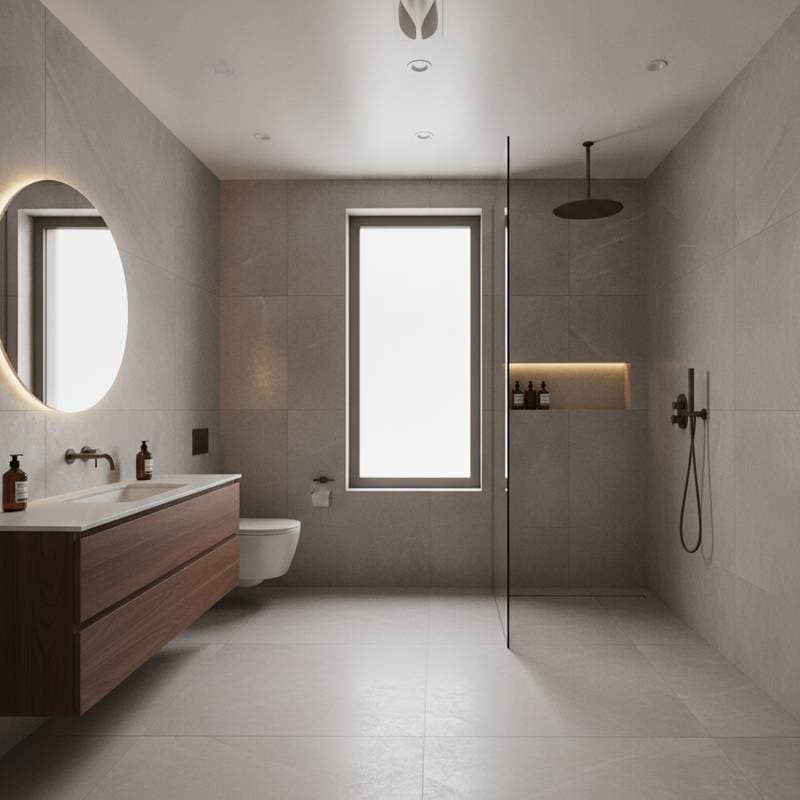
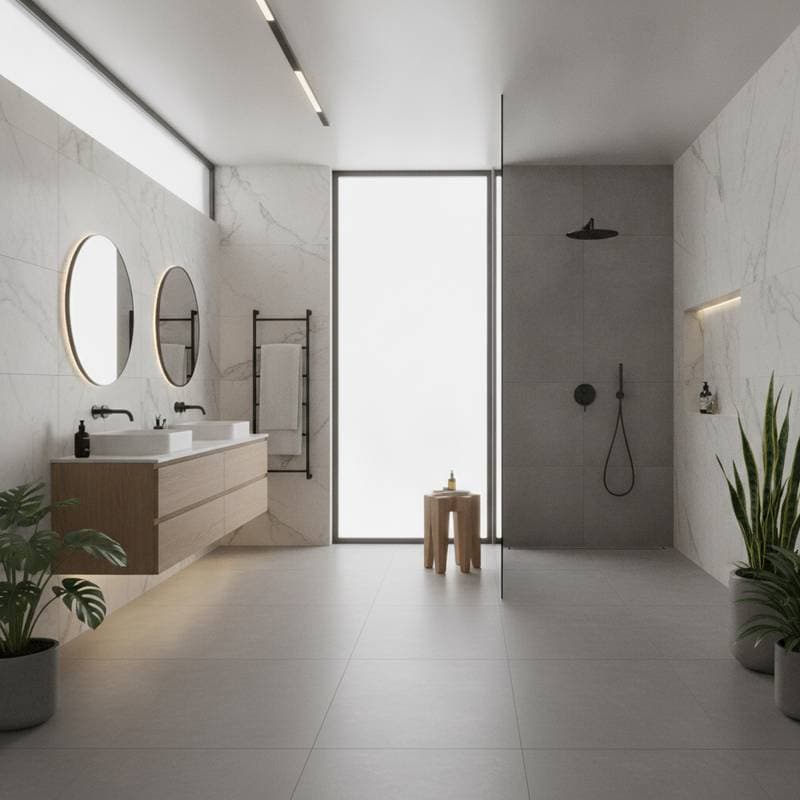
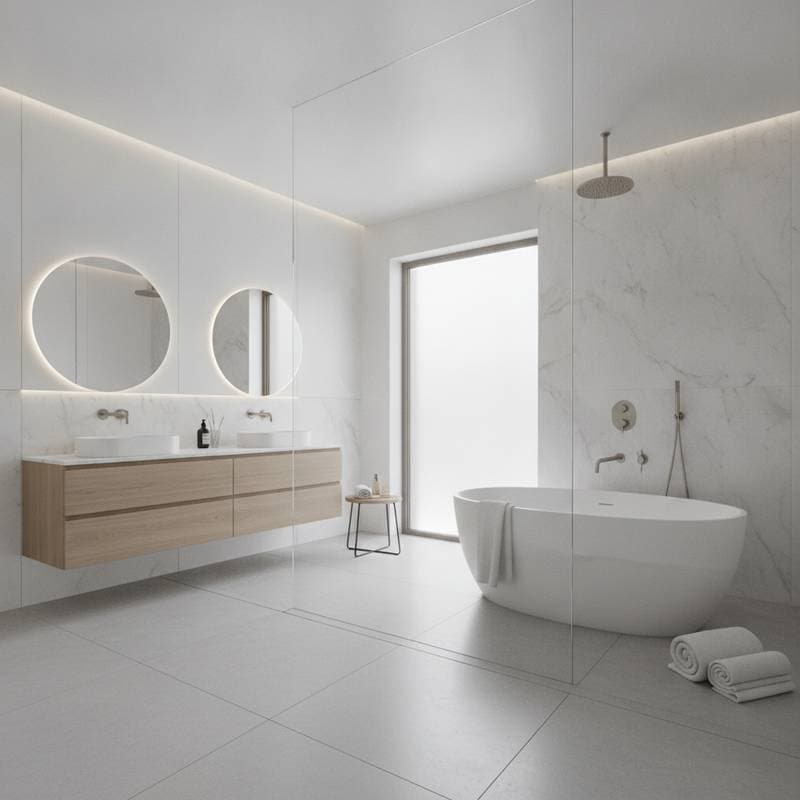
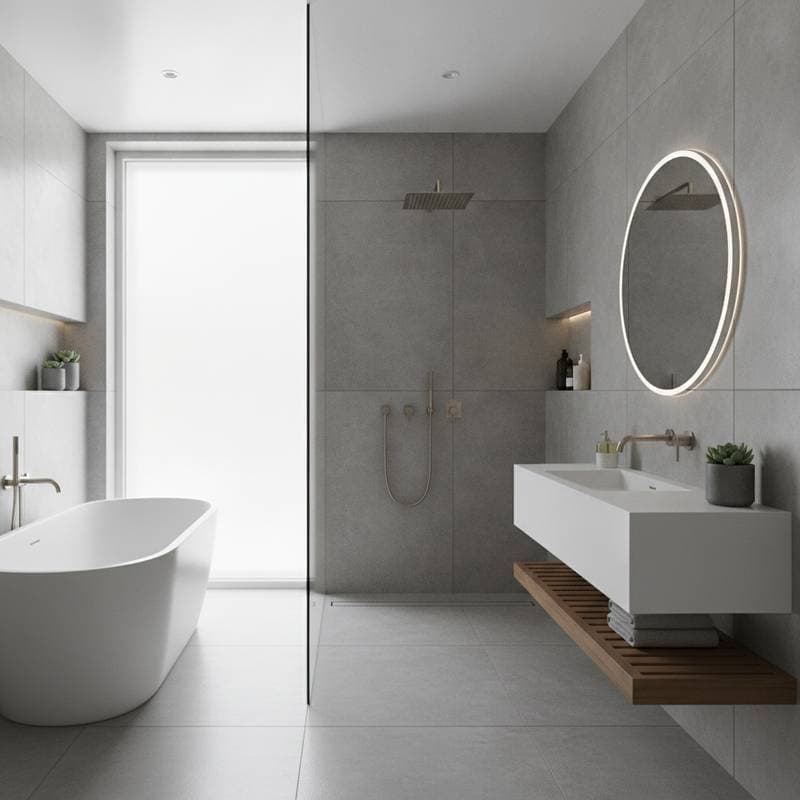
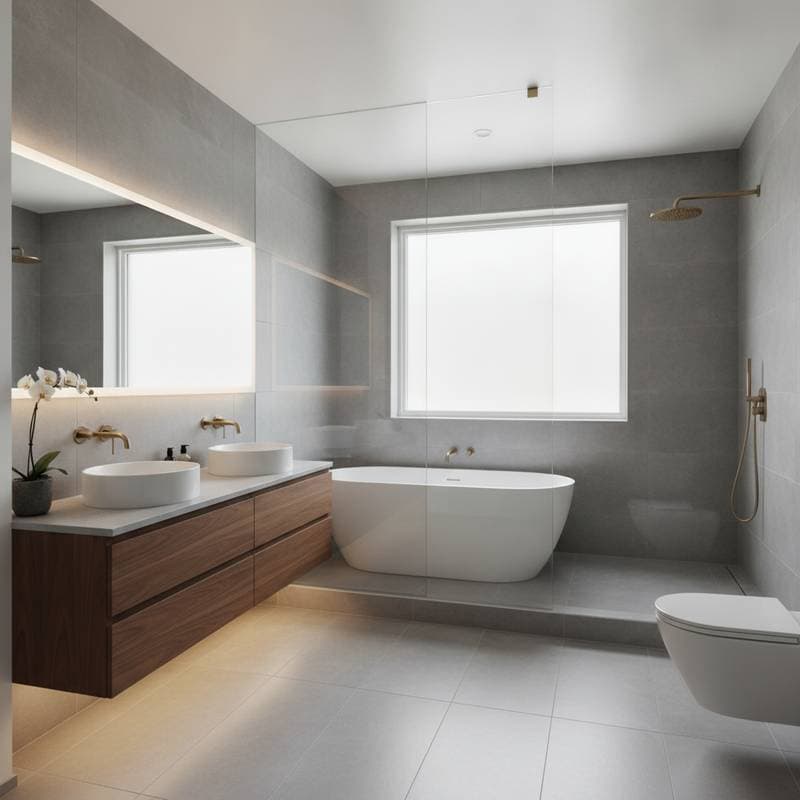
Eliminate enclosed shower cubicles. Incorporate frameless glass partitions solely for targeted splash containment. Maintain a uniform floor plane throughout.
2. Concealed Drainage Systems
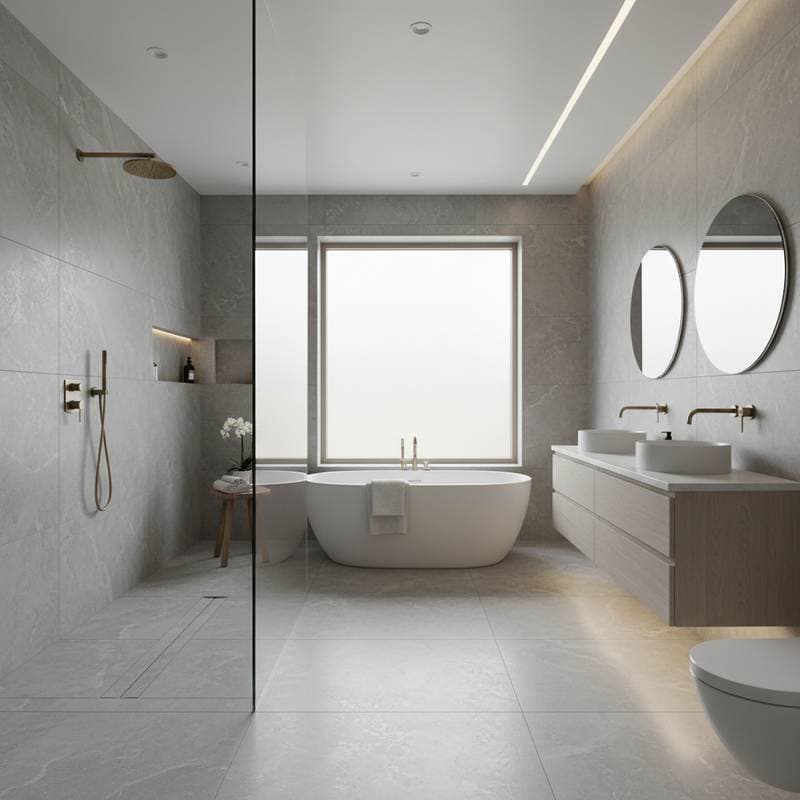
Opt for linear floor channels or wall-integrated drains to preserve a sleek, uninterrupted surface.
3. Unified Material Selection
Apply identical tiling to floors and walls. This cohesive approach signals refined craftsmanship to discerning buyers.
4. Strategic Illumination
Install adjustable recessed lighting with dimming capabilities or sensor activation. Optimal illumination expands the sense of space.
5. Radiant Floor Heating
Incorporate underfloor warming elements. These features elevate comfort and expedite post-shower drying.
6. Neutral Palette Choices
Select tones in stone, gray, or white to appeal universally. Steer clear of bold hues when preparing for market entry.
Pitfalls to Sidestep
- Neglecting Gradient Verification. Conduct a water retention test prior to tiling to validate drainage efficacy.
- Inappropriate Grout Selection. Standard varieties degrade in moist environments; prioritize epoxy or elastomeric waterproof alternatives.
- Inadequate Waterproof Coverage. Extend membranes vertically along walls, beyond floor limits.
- Insufficient Air Circulation. Lack of ventilation fosters humidity-related discoloration and scents.
- Hazardous Surface Materials. Mandate tiles with designated non-slip coefficients to ensure user safety.
Addressing these issues proactively safeguards the intended value appreciation. Inspect each component meticulously prior to final enclosure.
Wet Rooms Versus Conventional Bathrooms
| Aspect | Wet Room | Traditional Bathroom |
|---|---|---|
| Visual Style | Fluid, integrated | Segmented areas |
| Cleaning Demands | Streamlined, minimal edges | Extensive surface areas |
| Accessibility Features | Flush entry, no barriers | Elevated tubs or showers |
| Initial Investment | Elevated | More economical |
| Upkeep Requirements | Minimal with proper sealing | Moderate, frequent sealing |
| Market Appeal | Premium positioning | Baseline expectations |
Wet rooms excel in enduring style and economic benefits. Conventional setups suit constrained finances, yet seldom differentiate in competitive markets.
Upkeep Strategies
- Daily Surface Wiping. Employ a soft cloth to remove residues and avert accumulation.
- Post-Shower Ventilation. Operate exhaust systems for at least 10 minutes to regulate humidity.
- Periodic Grout Examination. Review seams every three months; apply sealant to fissures as needed.
- Routine Drain Clearing. Remove obstructions monthly, as open designs accelerate debris buildup.
- Annual Sealant Assessment. Replace deteriorated silicone to maintain barrier integrity.
Diligent routines sustain waterproof performance and protect the upgrade's worth.
Enduring Advantages
Wet rooms demonstrate resilience over decades. Their fluid architecture resists obsolescence, while robust sealing prolongs bathroom infrastructure. Adaptations for evolving requirements, such as integrated seating or support rails, require minimal disruption.
Property evaluations frequently highlight superior wet rooms as key strengths. They convey intentional enhancements and skilled execution, influencing buyer decisions favorably.
Implementation Best Practices
- Pre-Tiling Validation. Perform immersion tests on the base to detect seepage.
- Gradient Precision. Aim for a 1:50 ratio to facilitate drainage without perceptible incline.
- Integrated Climate Control. Balance heating and airflow to accelerate evaporation and eliminate dampness.
- Discreet Organization. Embed wall recesses or compartments to declutter visible areas.
- Subdued Surface Textures. Matte options conceal moisture marks more effectively than polished finishes.
Steps to Realize Your Wet Room
Begin by evaluating your bathroom's layout and consulting local experts for feasibility. Budget accordingly, focusing on quality waterproofing as the foundation. With careful planning, this transformation not only elevates your living experience but also positions your home advantageously in the 2026 market.