Wet Rooms: The 2026 Design Trend Increasing Home Value by 11 Percent
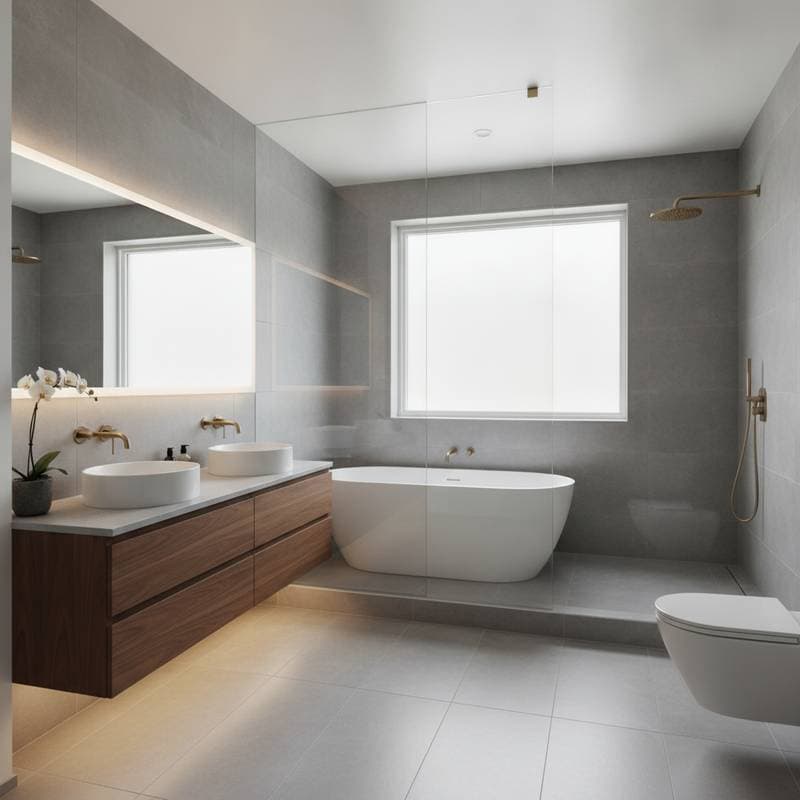
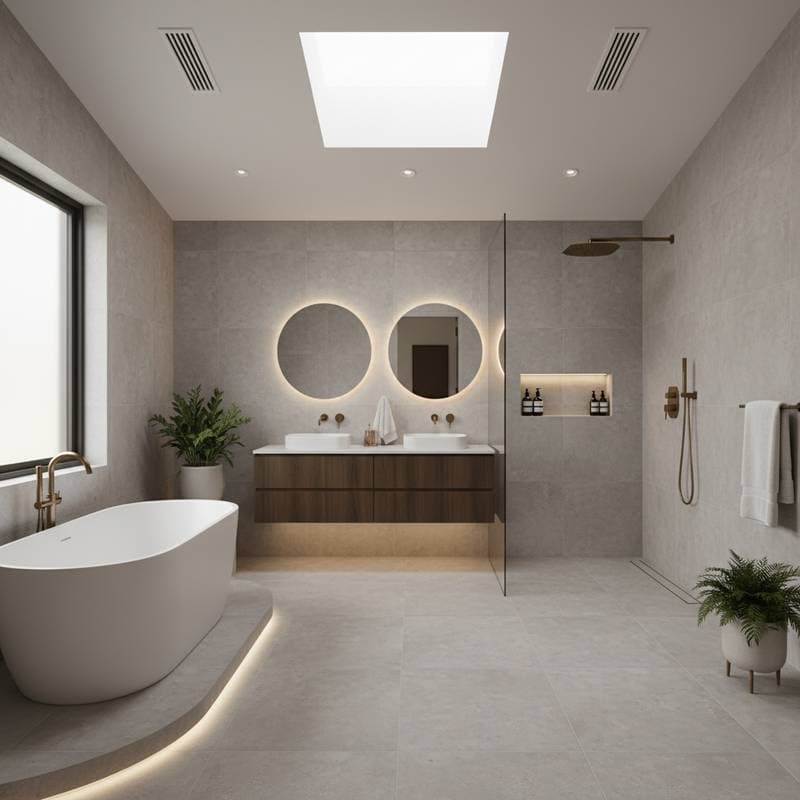
Wet rooms represent fully waterproof bathrooms in which the shower area integrates seamlessly at floor level with the surrounding space. This open, barrier-free layout facilitates effortless cleaning and appeals to homeowners seeking accessibility, contemporary aesthetics, and enhanced resale value. As remodeling projects evolve, wet rooms emerge as a strategic choice, capable of elevating property worth by approximately 11 percent when executed with precision.
Installation Cost Overview
Nationwide, installing a wet room generally ranges from $9,000 to $18,000. Many homeowners allocate $12,000 to $15,000 for a standard configuration that incorporates robust waterproofing, durable tile, and essential fixtures. Projects featuring luxury elements, such as expansive layouts or imported materials, may surpass $25,000.
Several elements influence these expenses:
- The bathroom's dimensions and any necessary preparatory demolition
- Choices in tile varieties and intricate pattern arrangements
- The caliber of drainage mechanisms and waterproof barriers
- Adjustments to plumbing lines or system enhancements
- Prevailing labor rates alongside adherence to regional regulations
Advantages and Drawbacks
Advantages
- Enhances marketability through a forward-thinking, streamlined appearance
- Promotes universal access by eliminating raised shower curbs
- Simplifies maintenance with reduced seams and hidden areas
- Optimizes compact areas by forgoing cumbersome shower surrounds
- Contributes to property appreciation upon flawless construction
Drawbacks
- Demands expert waterproofing to avert moisture infiltration
- Entails greater upfront investment compared to conventional shower renovations
- Necessitates vigilant humidity management to inhibit mold development
- Inadequate floor angling may lead to pooling water
- Presents challenges for amateur efforts given the specialized techniques involved
Variations and Configurations
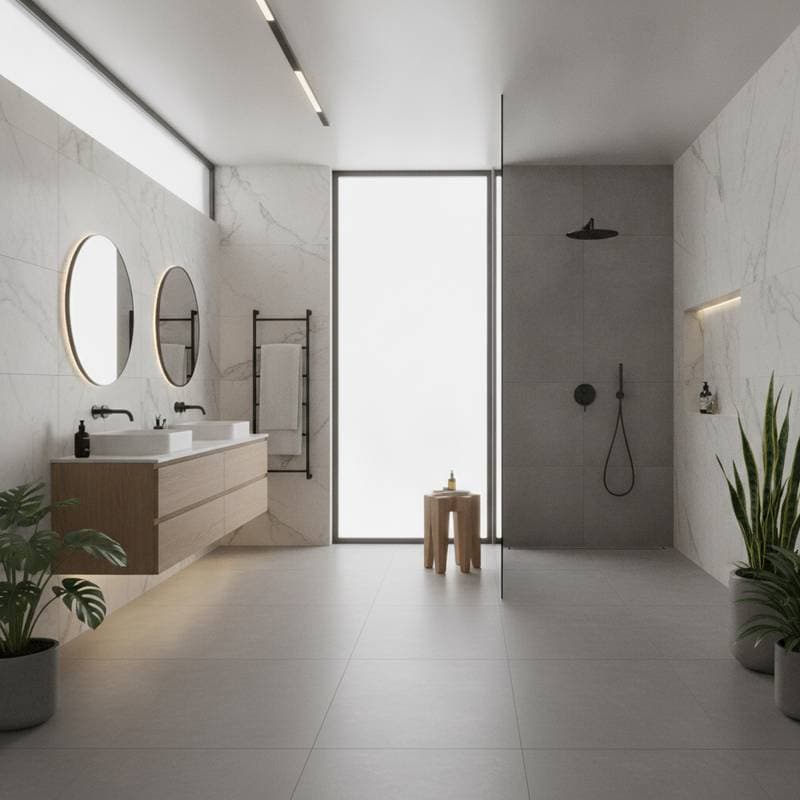
Complete Wet Room
The entire floor receives waterproof treatment without a designated shower boundary. This option suits expansive, contemporary interiors and prioritizes mobility for users with varying needs.
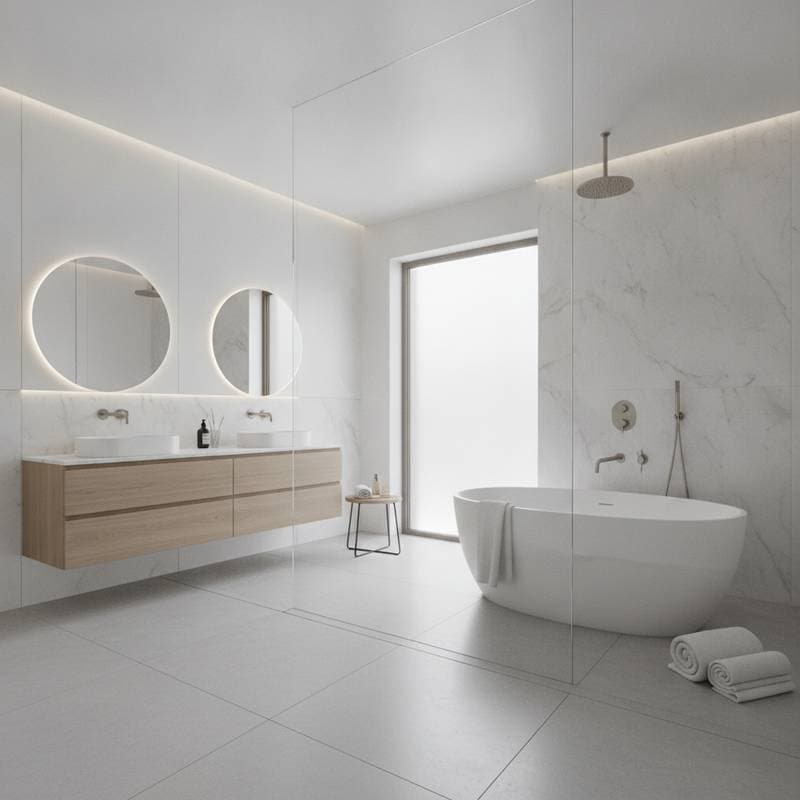
Partial Wet Room
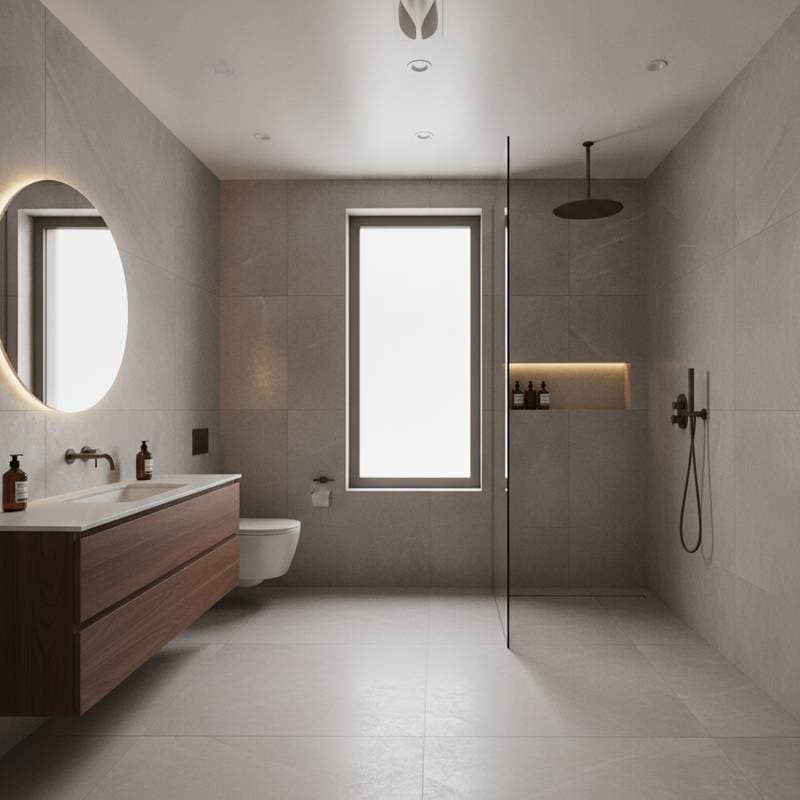
The shower section aligns flush with the floor, yet a transparent glass panel provides separation. It strikes an effective compromise between fluidity and containment of water spray.
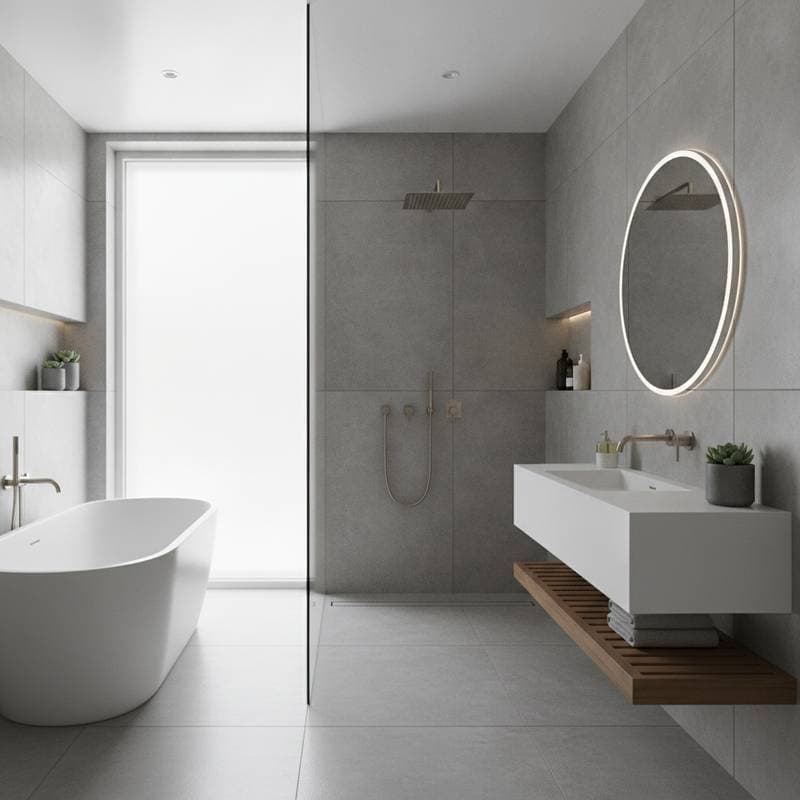
Space-Efficient Wet Room
Tailored for modest bathrooms or secondary facilities, this version employs streamlined drains and restrained tiling to maximize utility without excess.
Premium Wet Room
Incorporates features like underfloor heating, recessed shelving, and oversized porcelain slabs. Ideal for upscale renovations in primary en suites.
Professional Installation Versus Self-Attempt
Constructing a wet room involves intricate processes, including exacting waterproof application, subtle floor gradients, and secure drain integration. Errors heighten the prospect of water intrusion, potentially leading to costly repairs.
Complexity level for self-installation: Extremely elevated
Duration for professionals: Five to ten days; extend considerably for independent work
Essential equipment: Tile cutter, impermeable lining materials, surface alignment tools, drain components, and application trowel
Potential hazards: Leakage, fungal proliferation, and compromise to building integrity
Circumstances warranting professional involvement:
- Situations requiring plumbing reconfiguration or substructure modifications
- Properties with timber frameworks needing reinforced protection
- Instances demanding guarantees or regulatory approvals
Essential Installation Sequence
- Dismantle existing fixtures and surface coverings.
- Examine the underlying structure and address any imperfections.
- Position the drain assembly and incline the subfloor accordingly.
- Coat the floor and lower wall sections with a impermeable layer.
- Install tiles ensuring consistent gaps for grouting.
- Fortify all intersections and edges with sealant.
- Affix shower hardware and operational controls.
- Incorporate a glass divider as an optional barrier.
- Verify water flow and air circulation prior to full utilization.
Suggested visual: A detailed cross-sectional illustration depicting the floor gradient and drain positioning in a wet room.
Upkeep and Durability
With diligent attention, wet rooms endure for 20 to 30 years. Perform routine cleaning of tiles and grout lines each week using mild solutions. Inspect seals and junctions every three months for signs of wear. Activate exhaust systems post-shower to mitigate dampness buildup. Refresh grout seals or reapply protective coatings periodically, typically every three to five years.
Professional-grade waterproofing often carries warranties spanning 10 to 15 years. Retain all installation records to support future transactions or coverage claims.
Comparable Options
Barrier-Free Shower
This alternative proves more economical and straightforward to implement, though it offers a less expansive feel. It serves well for moderate accessibility improvements.
Prefabricated Curbless Base
Molded units minimize setup mistakes but constrain customization possibilities.
Conventional Enclosed Bathroom
Effectively confines moisture through framed glass, yet forfeits the integrated aesthetic and ease of movement.
Regional Considerations
The viability of a wet room hinges on the home's framework and environmental conditions. In cooler climates, integrating radiant heating accelerates surface drying. Regions prone to high humidity or proximity to water bodies benefit from enhanced airflow systems and anti-microbial finishes.
Municipal regulations might mandate particular drain specifications or on-site waterproof evaluations. Certain jurisdictions insist on plumbing authorizations and submersion testing before proceeding to surfacing. Consult the local authority to verify stipulations.
Workforce expenses fluctuate significantly; metropolitan zones frequently impose premiums of 20 to 30 percent over rural counterparts, reflecting elevated operational costs and project volume.
Return on Investment and Market Impact
A meticulously crafted wet room elevates home valuation by as much as 11 percent, particularly in areas valuing innovative, inclusive features. Prospective buyers regard it as a sophisticated upgrade merging form and utility.
Maximize returns by securing certified waterproofing, selecting quality finishes from mid-tier upward, and ensuring optimal airflow. Subpar execution, such as flawed water runoff or vulnerability to dampness, diminishes appeal; thus, entrust to qualified specialists.
Essential Safety Measures
Robust waterproofing and precise gradients form the cornerstone of safety. Accumulated water poses slip risks and undermines stability. Select slip-resistant tiles certified for perpetually damp environments.
Adhere to National Electrical Code guidelines for outlet placement and circuit protection. Position no electrical components within the shower vicinity. Engage certified electricians for illumination and exhaust setups.
Planning Your Wet Room Project
For an impending bathroom overhaul, evaluate wet rooms for their blend of daily convenience and enduring worth. Solicit estimates from no fewer than three certified specialists experienced in moisture-proof construction. Inquire about past projects and coverage details.
Ascertain compliance with area codes ahead of any teardown. Following completion, prioritize airflow activation and periodic seal assessments. Through thoughtful preparation and ongoing vigilance, your wet room remains an asset of beauty, security, and tangible enhancement to your property's allure.