The Appeal of a Hidden Pantry for Modern Kitchens
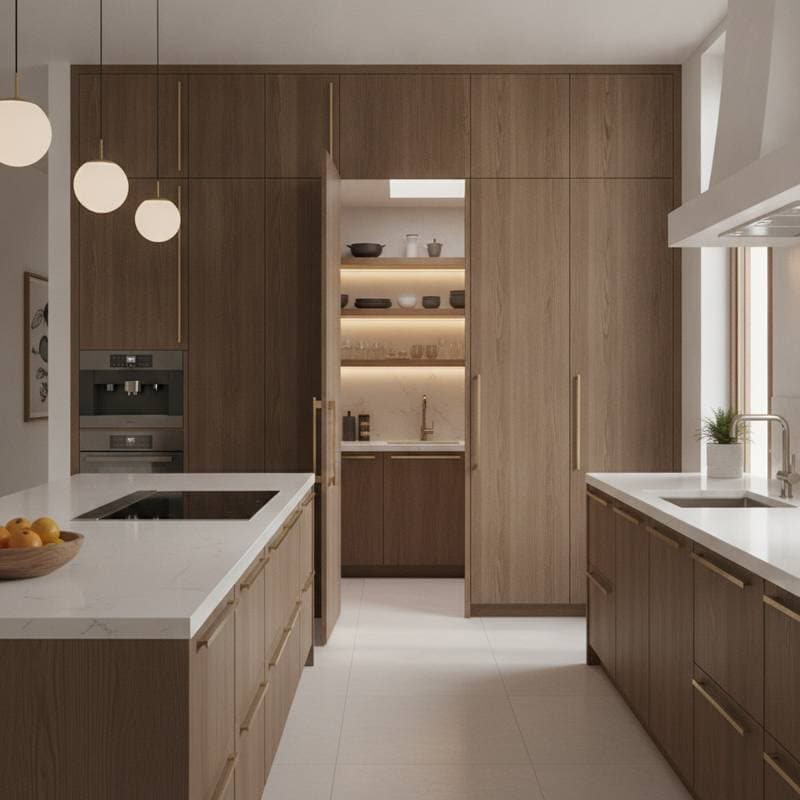
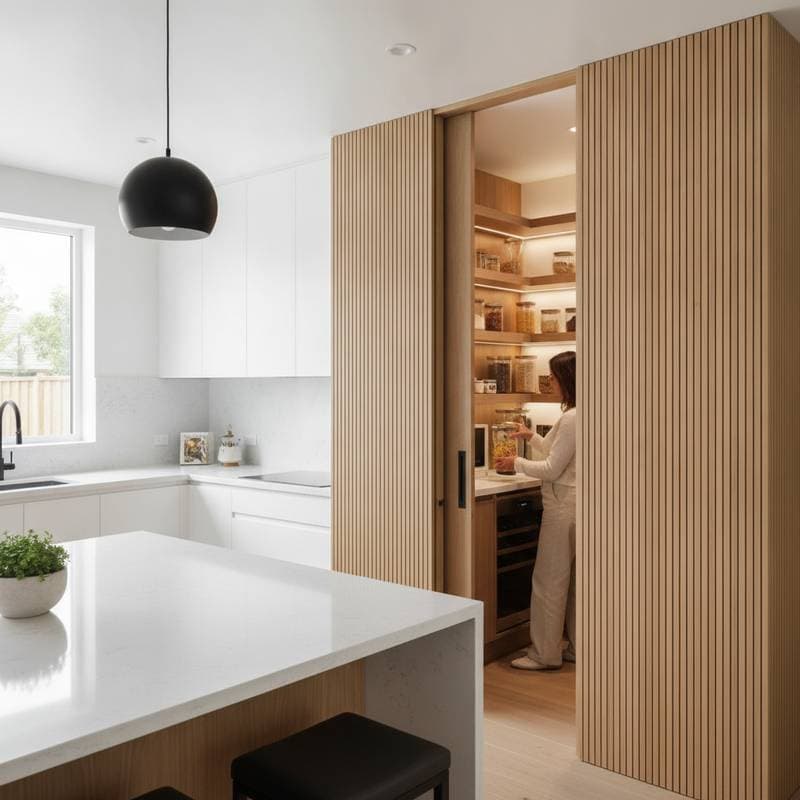
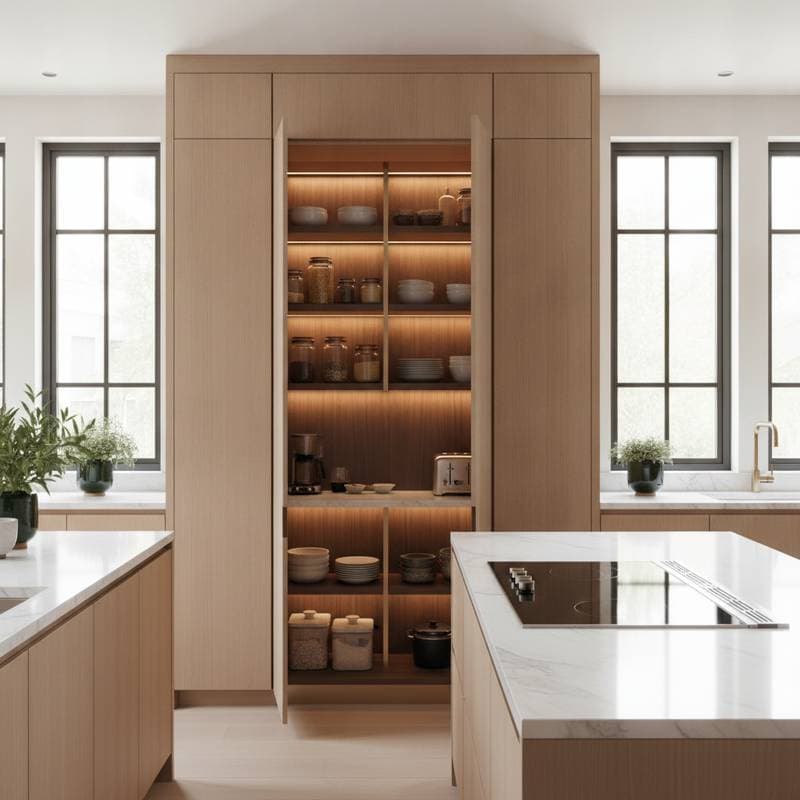
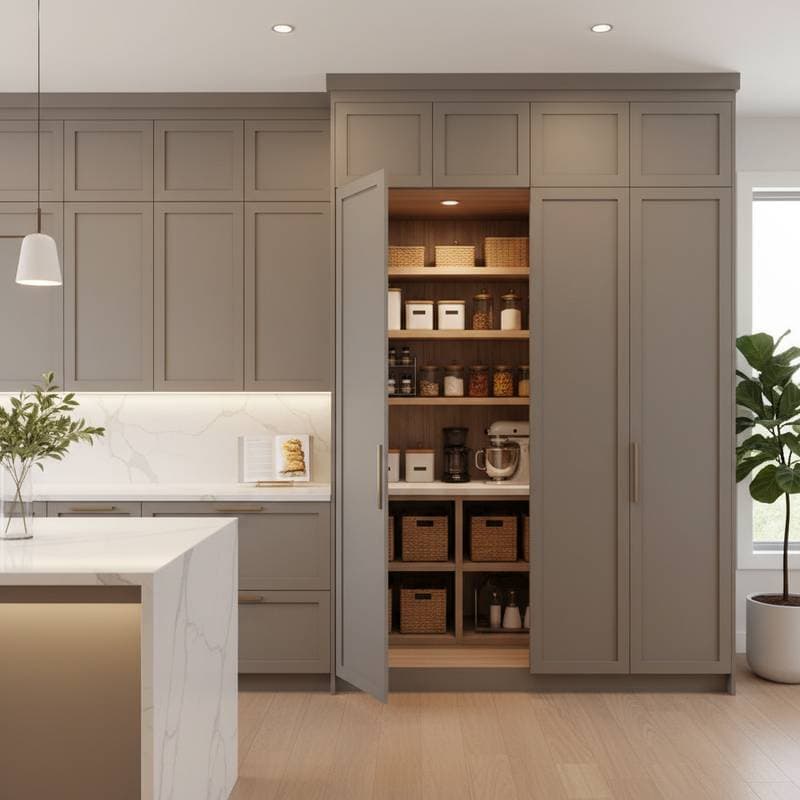
A hidden pantry transforms ordinary kitchen spaces into organized, luxurious areas. This feature conceals bulk storage behind seamless cabinetry or walls, eliminating visible clutter while maximizing functionality. Homeowners who incorporate this element often report improved daily routines and heightened aesthetic appeal.
The design integrates effortlessly into various kitchen layouts, from compact urban apartments to spacious suburban homes. It addresses common pain points such as limited counter space and overflowing cabinets. By investing in this upgrade, individuals prepare their property for resale while enjoying immediate benefits in usability.
Real estate professionals note that buyers prioritize kitchens with innovative storage solutions. A hidden pantry signals thoughtful design and attention to detail. This addition not only streamlines meal preparation but also creates an inviting atmosphere for entertaining guests.
Benefits and Drawbacks of Hidden Pantries
Hidden pantries offer several advantages that enhance both form and function in the home. They increase resale value through superior kitchen organization, which appeals to prospective buyers seeking efficiency. The concealed design maintains a minimalist aesthetic, allowing focus on decorative elements like backsplashes or appliances.
Additional benefits include ample space for oversized items such as stand mixers or bulk groceries, all kept out of sight. Installation often utilizes underutilized areas, such as alcoves or adjacent walls, without disrupting the overall floor plan. This approach fosters a sense of spaciousness in even the smallest kitchens.
However, potential drawbacks warrant consideration before proceeding. Construction involves moderate demolition and carpentry, which may disrupt household routines for several days. If the project encroaches on adjacent spaces, it could slightly reduce usable square footage in hallways or dining areas.
Costs escalate when electrical outlets or plumbing become necessary for integrated features like task lighting or sinks. Ensuring the hidden door aligns perfectly requires skilled craftsmanship to avoid operational issues over time. Homeowners must weigh these factors against the long-term gains in value and convenience.
Comparing DIY and Professional Installation
Individuals with carpentry experience might tackle a basic hidden pantry through a DIY approach. This method suits simpler designs, such as a cabinet-faced unit built into an existing wall. Essential tools include a circular saw for framing, a drill for securing hardware, a level for alignment, and a stud finder to locate supports.
The process begins with measuring the space and sketching a layout that accommodates shelving depths of at least 12 inches. Framing the interior structure follows, using 2x4 lumber for stability. Drywall installation and finishing with paint or trim complete the enclosure, typically spanning 20 to 30 hours of work.
Professional involvement proves essential for complex projects, particularly those altering load-bearing walls or adding electrical components. Licensed contractors handle permits, ensure code compliance, and install smooth-operating hidden doors with soft-close mechanisms. Labor rates vary from $70 to $120 per hour, influenced by local market conditions and project scope.
Opting for professionals minimizes risks like structural weaknesses or aesthetic inconsistencies. They provide warranties on workmanship, often covering one year, and source high-quality materials for durability. While DIY reduces expenses, hiring experts delivers a polished result that enhances property appeal.
Cost Breakdown and Budgeting Strategies
Budgeting for a hidden pantry starts with understanding the core expenses involved. Basic installations range from $3,500 to $6,000, covering materials like plywood shelving, hinges, and basic lighting. More elaborate walk-in versions climb to $8,000 to $12,000, incorporating custom cabinetry and automated doors.
Material choices significantly impact the total. Opt for medium-density fiberboard (MDF) for affordability and smooth finishes, or solid hardwood for premium longevity. Lighting adds $200 to $500, with LED strips offering energy efficiency and adjustable brightness for inventory visibility.
To manage costs, prioritize essential features first, such as adjustable shelving over decorative panels. Source materials from local suppliers to avoid shipping fees, and consider off-season scheduling for contractor discounts. Setting aside 10 to 15 percent of the budget for unforeseen adjustments ensures a stress-free process.
Financing options include home equity lines of credit or renovation loans, which provide flexible repayment terms. Tracking expenses through a detailed spreadsheet helps maintain control. This strategic planning aligns the project with financial goals while delivering substantial returns.
Design Tips for Effective Hidden Pantries
Successful hidden pantry designs emphasize accessibility and versatility. Position the entrance near high-traffic zones, such as beside the refrigerator, for convenient access during cooking. Incorporate pull-out drawers for spices and vertical dividers for canned goods to optimize every inch.
Lighting plays a crucial role in functionality; install motion-sensor LEDs that activate upon opening the door. This setup illuminates contents without manual switches, reducing search time. Ventilation fans prevent moisture buildup, especially in humid environments, preserving stored dry goods.
Customization elevates the design to match existing cabinetry. Match door panels with kitchen finishes using laminate or wood veneer for a cohesive look. Add soft-close hinges to ensure quiet operation, enhancing the seamless integration with surrounding elements.
For walk-in models, include a small countertop for sorting items or a charging station for small appliances. These thoughtful additions transform the space into a multifunctional hub. Consulting with a designer early refines these ideas to fit specific needs and styles.
Exploring Alternative Storage Solutions
Open pantry shelving presents a budget-friendly option at $1,000 to $3,000. Installation requires minimal tools, focusing on mounting brackets and adjustable rails. However, this choice displays contents openly, potentially inviting dust accumulation and visual disarray.
Freestanding pantry cabinets offer portability and costs under $2,000. These units roll on casters for repositioning and feature multiple tiers for organization. The drawback lies in their footprint, which occupies prime floor space and may clash with open layouts.
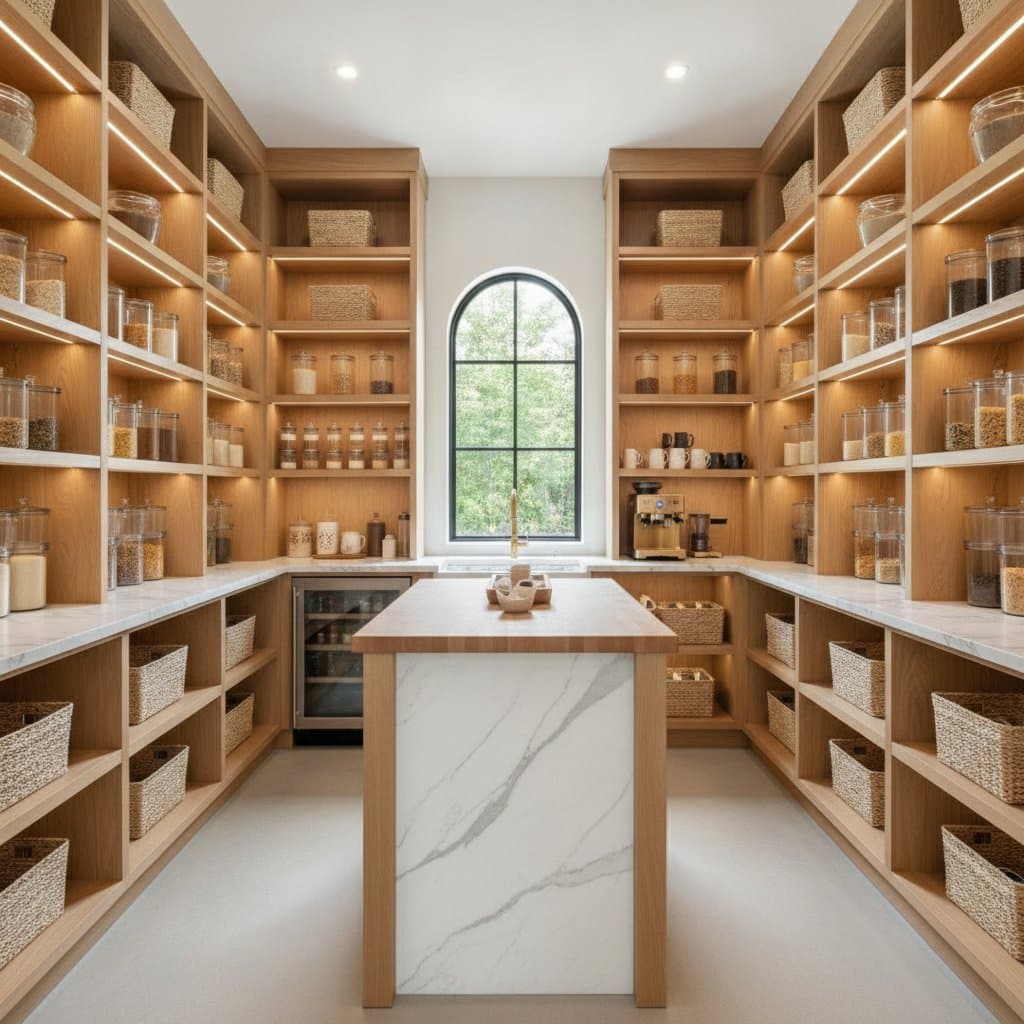
A butler's pantry expands into a dedicated prep zone, priced from $5,000 to $15,000. It includes countertops, sinks, and upper cabinets for beverage service. This solution demands additional square footage and utilities, suiting larger homes with formal dining areas.
Pull-out pantry units retrofit into existing cabinetry for $300 to $800 per unit. Slim designs accommodate narrow spaces, with wire baskets for easy retrieval. Capacity limitations make them suitable supplements rather than standalone solutions in expansive storage needs.
Regional Considerations for Installation
Location influences every aspect of hidden pantry projects. In high-demand urban centers, labor costs rise 15 to 25 percent due to contractor availability. Rural areas may offer lower rates but longer wait times for specialized services.
Climate dictates material selection; humid regions benefit from sealed plywood or melamine coatings to resist swelling. In colder climates, insulate exterior walls to maintain interior temperatures and protect against condensation. These adaptations ensure the pantry withstands environmental stresses.
Building regulations vary by municipality. Obtain permits for any wall modifications or electrical work to avoid fines. Consult local inspectors early to confirm compliance with zoning laws and safety standards. This preparation streamlines the approval process.
Sourcing local materials reduces transportation costs and supports regional economies. Partnering with area suppliers familiar with code requirements provides an edge. These factors contribute to a smoother execution tailored to the home's setting.
Maximizing Return on Investment
Data from real estate analyses indicates that homes with hidden pantries command 11 percent higher sale prices compared to similar properties. This premium stems from the perceived luxury and practicality, attracting buyers who value organized spaces. The feature differentiates listings in saturated markets.
ROI amplifies when combined with complementary upgrades, such as quartz countertops or recessed lighting. These enhancements create a cohesive, modern kitchen that appeals broadly. Professional staging highlights the pantry's benefits, accelerating sale timelines.
Long-term value persists through durable construction. Quality installations retain appeal for years, potentially increasing equity. Homeowners recoup initial costs within months of resale, turning the project into a profitable endeavor.
Essential Safety Guidelines
Safety remains paramount during hidden pantry construction. Disconnect power at the breaker before penetrating walls, and verify with a voltage tester. Structural assessments prevent compromising load-bearing elements; consult engineers if uncertainty arises.
Adhere to National Electrical Code for any wiring, using grounded outlets and GFCI protection near water sources. Protective gear, including goggles and respirators, shields against dust and debris. Secure tools and materials to avoid accidents in work zones.
Post-installation, test door mechanisms for smooth operation without pinching hazards. Install smoke detectors nearby if the pantry adjoins cooking areas. These measures safeguard occupants and preserve the installation's integrity.
Frequently Asked Questions
What minimum space requirements apply to hidden pantries?
Cabinet-style pantries need at least 18 inches of depth for accessibility. Walk-in designs require 3 to 4 feet, plus 24 inches of clear entry width for comfortable navigation.
How does a hidden pantry affect home insurance?
It typically does not alter premiums, as storage additions fall under standard renovations. Notify your provider of structural changes to confirm coverage details.
Can hidden pantries accommodate smart home features?
Yes, integrate voice-activated lighting or inventory apps via built-in shelves. Ensure wiring supports low-voltage systems for seamless connectivity.
Steps to Launch Your Hidden Pantry Project
Begin by evaluating your kitchen's layout and storage gaps. Sketch potential locations and measure dimensions accurately. Gather inspiration from design resources to align with your vision.
Next, establish a budget and timeline, factoring in seasonal considerations. Contact contractors for quotes, reviewing portfolios for relevant experience. Secure permits and prepare the site by clearing the area.
During construction, monitor progress to address issues promptly. Upon completion, organize contents systematically for optimal use. This upgrade not only boosts value but enriches everyday living with efficiency and elegance.