Hidden Pantries: Increasing Home Value by 11 Percent by 2026
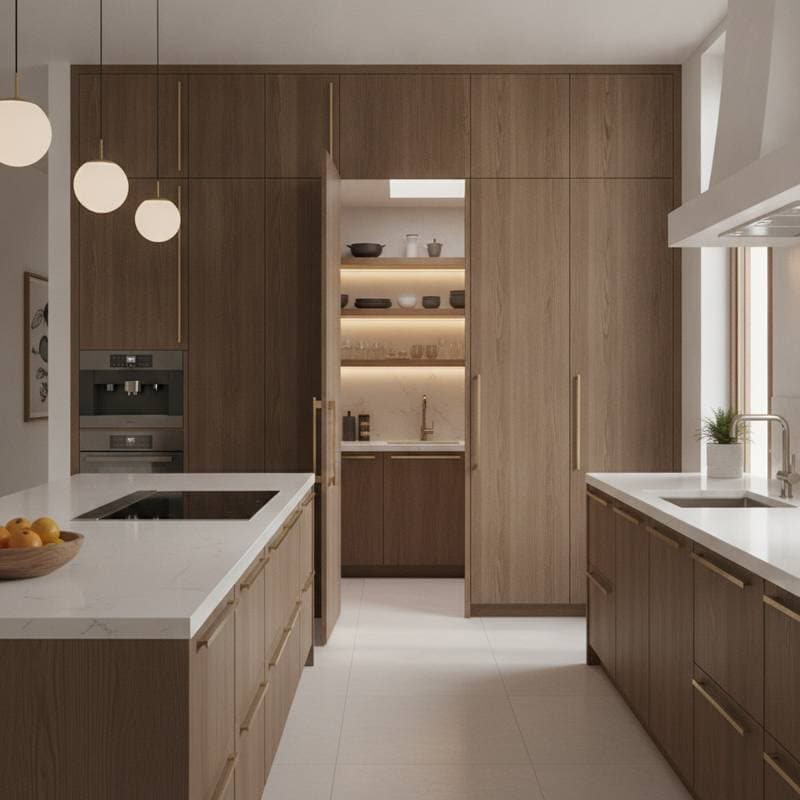
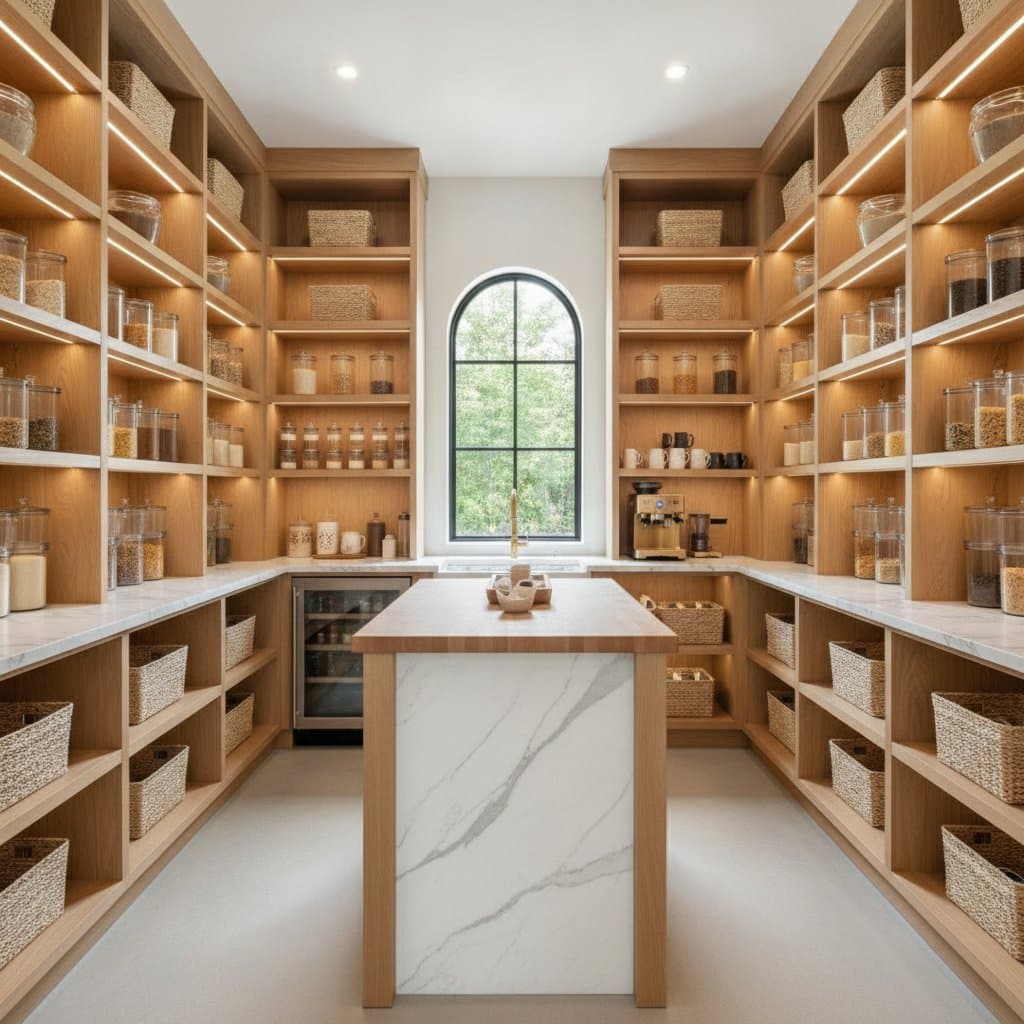
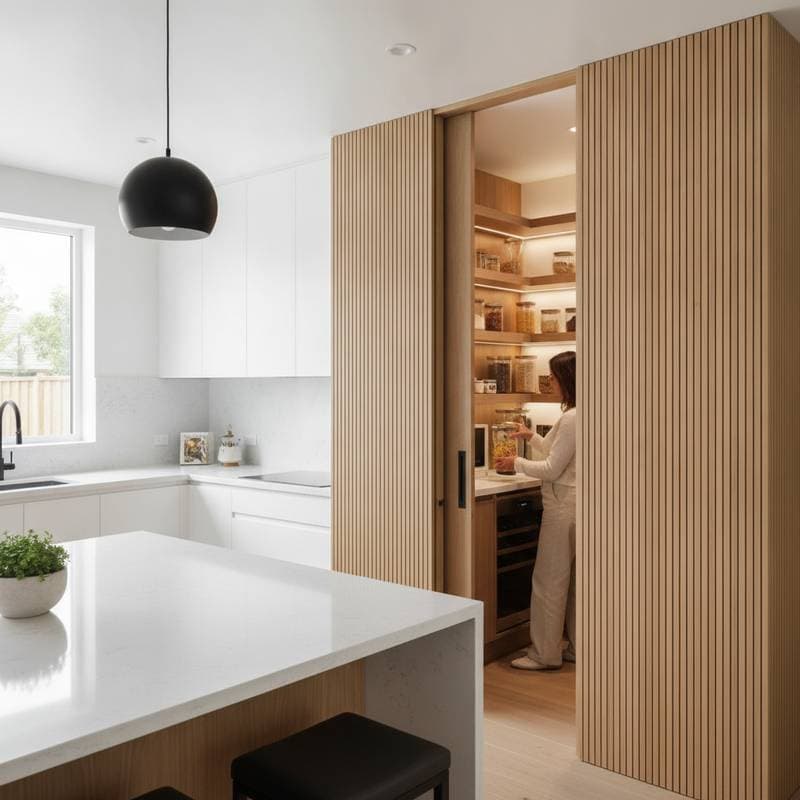
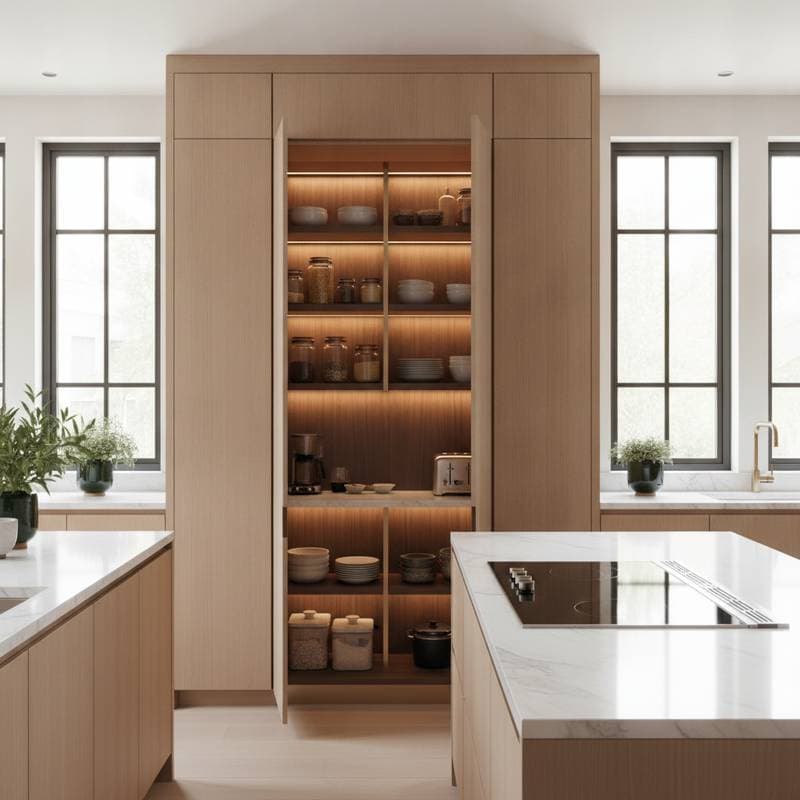
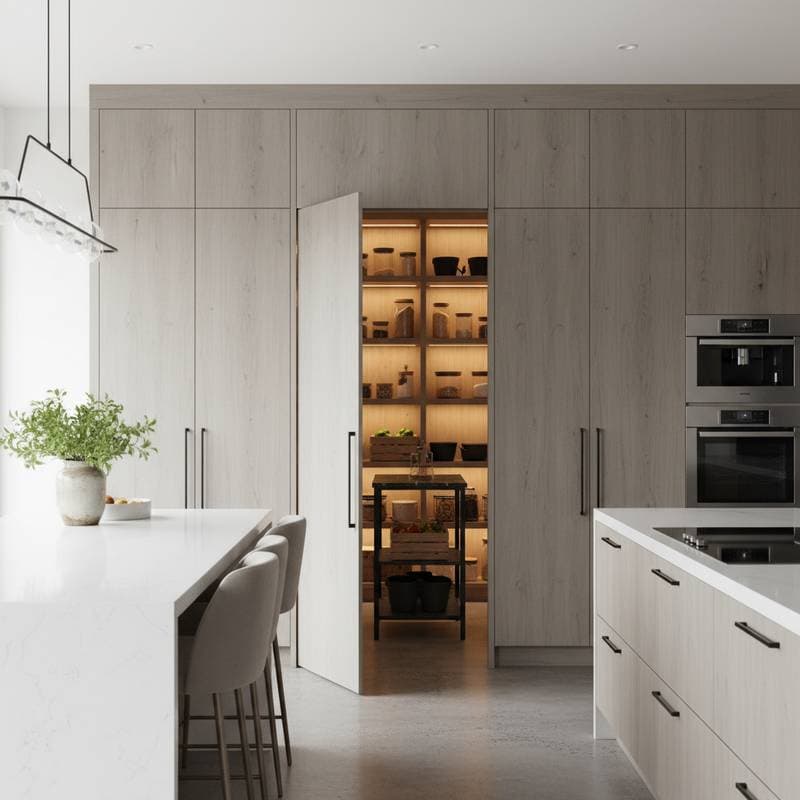
Hidden pantries gain popularity in contemporary home design for their ability to integrate storage seamlessly. These features, also known as concealed or walk-in pantries, disguise functional space within kitchen cabinetry or walls to maintain a streamlined appearance. Homeowners benefit from reduced clutter and preserved aesthetics while retaining full access to pantry essentials. Such additions prove ideal for renovations, new constructions, or any kitchen update emphasizing organization and market appeal.
Advantages and Drawbacks
Hidden pantries offer several benefits that enhance daily living and property worth.
Advantages
- Elevate overall home value and attract potential buyers seeking modern amenities
- Maintain clear countertops and surfaces for efficient meal preparation
- Provide discreet storage for bulk groceries, pantry staples, or compact appliances
- Optimize movement in cooking zones by concealing bulky items
- Minimize visual distractions in expansive, open-concept layouts
However, implementation involves certain challenges.
Drawbacks
- Demand adequate depth behind walls, which may limit feasibility in compact kitchens
- Escalate renovation expenses if modifications to load-bearing structures arise
- Necessitate additional illumination or air circulation systems
- Pose difficulties for future alterations or expansions
- Require premium hardware and trim to align with existing cabinetry finishes
DIY Approach Versus Professional Installation
Constructing a hidden pantry varies in complexity from moderate to advanced levels. Compact, cabinet-integrated models suit capable DIY enthusiasts with carpentry experience. Expansive walk-in configurations demand expert involvement in framing, drywall application, electrical setup, and precise finishing.
DIY Guidelines
- Allocate 2 to 4 weekends for a modest cabinet conversion project
- Gather essential tools including a circular saw, power drill, stud finder, spirit level, finish nailer, and painting supplies
- Address potential issues such as misaligned doors, insufficient airflow, or violations of electrical standards
Scenarios for Professional Assistance
- Designs that alter structural walls or require reinforcement
- Integrations involving new plumbing lines or electrical wiring
- Custom fabrications to match surrounding cabinet styles and materials
- Compliance with local building regulations and fire safety protocols
Engaging a licensed contractor guarantees robust framing, effective ventilation, and reliable lighting. This approach also safeguards long-term value, as professional standards satisfy appraisers and building inspectors.
Upkeep and Durability
A well-constructed hidden pantry using durable materials endures alongside the kitchen's lifespan. Perform annual checks on door hinges and sliding mechanisms to ensure smooth operation. Schedule quarterly cleanings of shelves to eliminate dust accumulation and food particles. LED lighting systems provide longevity with little maintenance required.
Refresh paint or finishes every five to ten years to preserve appearance. Manufacturer warranties differ; custom cabinetry typically covers hardware and surface imperfections for a limited period. For pantries with electrical components, adhere to regional codes for periodic inspections and replacements.
Regional Considerations
Costs and material choices for hidden pantries adapt to local environments. Coastal regions benefit from humidity-resistant options like composite shelving and sealed medium-density fiberboard to combat moisture. Arid areas favor solid wood or plywood for stability in low-humidity conditions. Labor expenses fluctuate significantly; urban centers command higher rates from contractors and specialists, whereas rural locations provide economical labor at the expense of specialized expertise.
Building regulations influence electrical and ventilation specifications. Certain areas mandate dedicated lighting circuits with accessible switches or motion-activated sensors in enclosed spaces. Consult local authorities prior to any framing or wiring to avoid compliance issues.
Availability of custom suppliers varies geographically. Metropolitan areas feature local fabricators capable of producing flush, cabinet-matched doors on short timelines. In less populated regions, procurement from national vendors may introduce delays and added shipping fees.
Essential Safety Measures
Hidden pantries frequently incorporate electrical lighting and ventilation elements. Adhere to these protocols for secure installation:
- Employ certified electricians for installing new circuits or outlets
- Install sufficient illumination with a conveniently located switch by the entrance
- Position wiring away from shelving areas to maintain unobstructed airflow
- Design doors that open effortlessly from within to avoid entrapment risks
- Equip outlets for refrigeration or appliances with ground fault circuit interrupters
Before altering walls, verify if they support structural loads to prevent instability. If existing plumbing or heating ducts occupy the space, plan safe rerouting or select an alternative site.
Frequently Asked Questions
What dimensions suit a hidden pantry?
A practical hidden pantry measures at least 3 feet by 4 feet for basic functionality. Walk-in variants typically span 5 feet by 8 feet or more, ensuring ample room for shelving and door movement.
Is ventilation necessary for a hidden pantry?
Ventilation proves essential, particularly for storing dry goods or heat-producing devices. Incorporate small vents or louvered panels in doors to mitigate moisture accumulation and odors.
Which door styles integrate best?
Flush panel doors matching adjacent cabinetry deliver the smoothest appearance. Pocket or sliding doors conserve space and eliminate interference from swinging panels.
Can existing kitchens accommodate a hidden pantry?
Integration remains possible, contingent on wall composition and spatial availability. Repurposing adjacent closets or underutilized corners often yields better results than creating new wall cavities.
Do permits apply to hidden pantry projects?
Permits become mandatory in most municipalities for alterations involving electricity, plumbing, or structural framing. Verify requirements upfront; non-invasive cabinet additions may bypass permitting if utilities remain untouched.
Planning and Executing Your Hidden Pantry
A hidden pantry delivers practical utility and investment returns when approached methodically. Start by assessing your kitchen's layout and financial parameters. Conduct precise measurements, evaluate wall integrity, and determine the need for expert consultation early in the process.
Select materials and finishes that harmonize with existing elements for an integrated feel. Collaborate with a cabinet specialist or renovation professional for detailed schematics illustrating door alignment with cabinets. Obtain quotes from at least three providers, ensuring each encompasses materials, workmanship, and necessary approvals.
Thorough preparation maximizes the pantry's effectiveness. This investment organizes daily routines, conceals storage needs, and positions the home favorably in the market. Review applicable codes, incorporate thoughtful lighting, and establish a feasible budget to proceed assuredly toward enhanced functionality and enduring value.