Why Hidden Pantry Walls Boost Kitchen Value
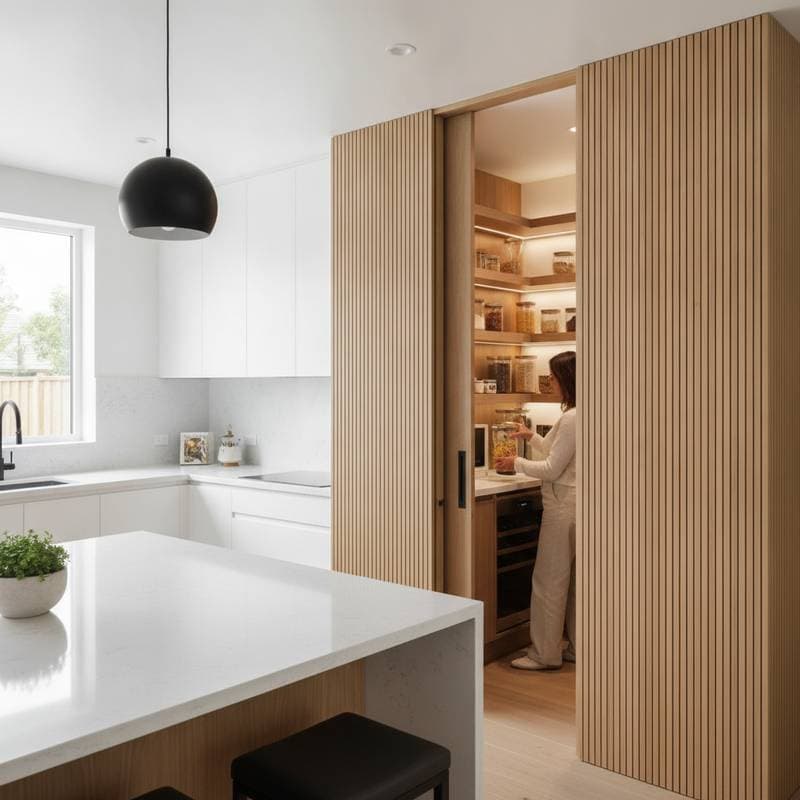
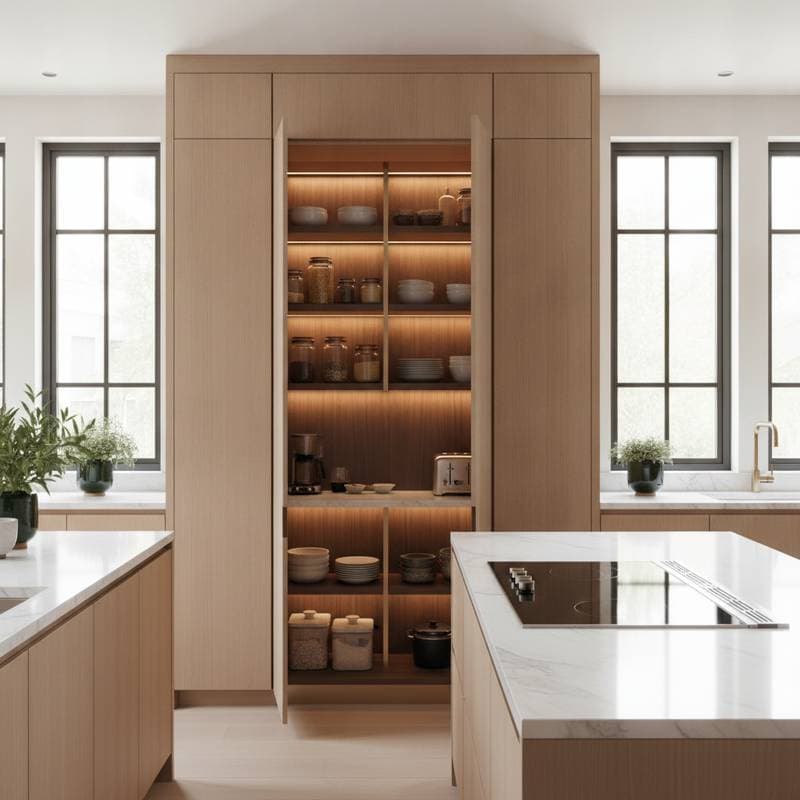
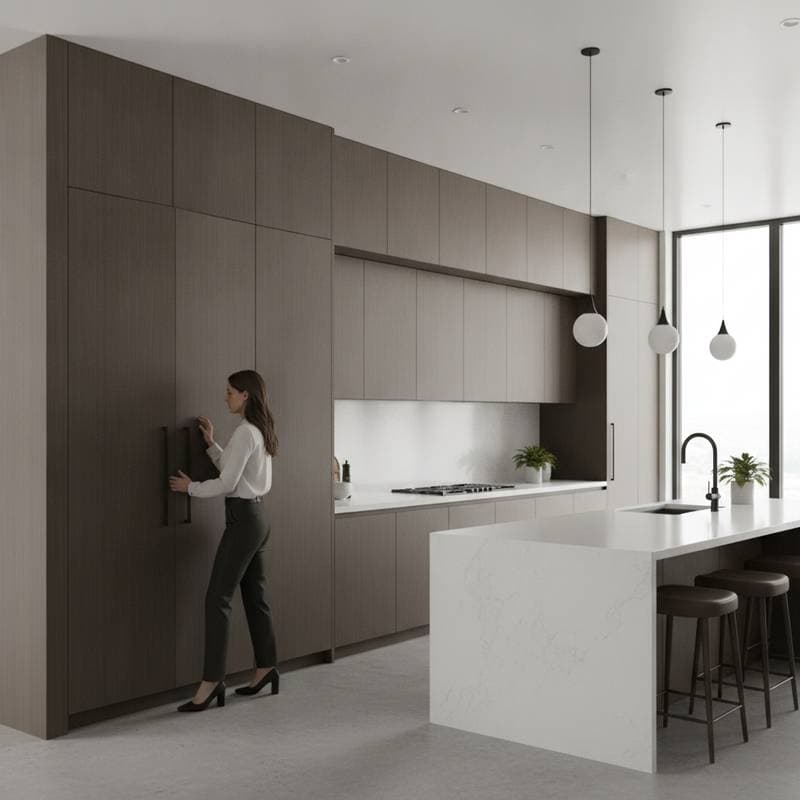
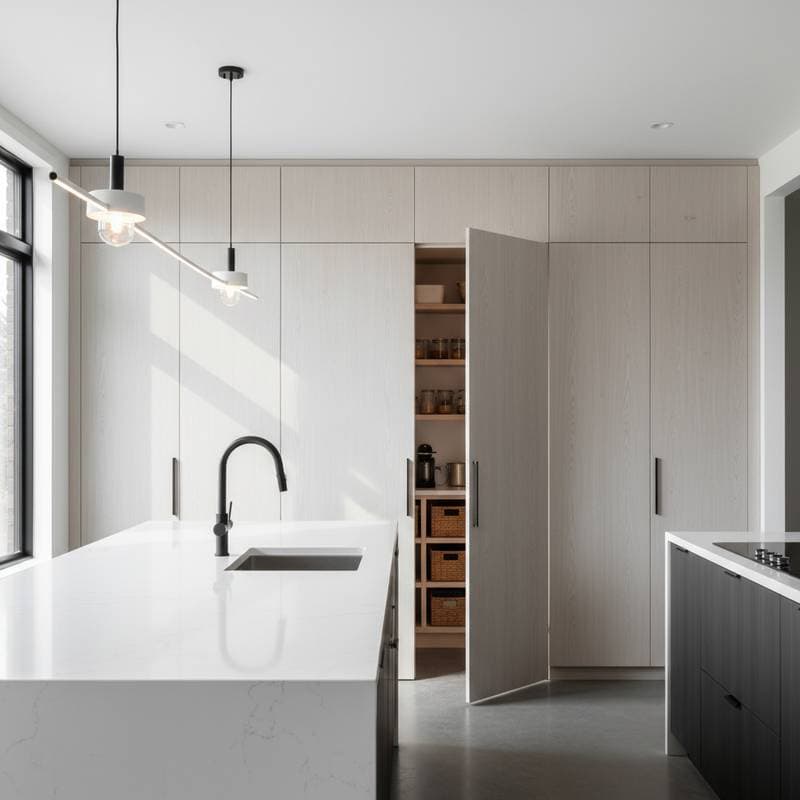
Hidden pantry walls integrate intelligent storage solutions with streamlined aesthetics. These installations appear as seamless extensions of surrounding cabinetry, yet they reveal expansive pantry space upon opening. Homeowners undertaking kitchen renovations or new constructions benefit from this approach, which promotes a sense of tranquility while enhancing operational efficiency. Such features align particularly well with contemporary, transitional, or minimalist kitchen layouts that emphasize organization and streamlined workflows.
The value addition stems from multiple factors. First, these walls conceal everyday essentials, maintaining a polished appearance that appeals to potential buyers. Industry data indicates that kitchens with advanced storage like hidden pantries can increase home resale value by approximately $7,500, depending on market conditions and overall design quality. Second, they optimize space utilization without altering the kitchen's physical dimensions, making them ideal for compact urban dwellings or open-concept plans.
Consider a typical scenario: a family kitchen cluttered with visible shelves gives way to a hidden system that stores dry goods, appliances, and utensils out of sight. This transformation not only elevates daily usability but also positions the home as a premium offering in competitive real estate markets. Builders and designers increasingly incorporate these elements to meet buyer demands for multifunctional, visually appealing spaces.
Pros and Cons
Hidden pantry walls offer distinct advantages alongside certain drawbacks. Understanding both sides helps homeowners make informed decisions during planning stages.
Pros
- Effectively conceals clutter, ensuring countertops remain free for food preparation and serving.
- Establishes a cohesive visual continuity across kitchen areas, eliminating disruptive door frames or protrusions.
- Enhances the perceived luxury of the kitchen, which translates to stronger buyer interest and higher resale prices.
- Integrates into existing cabinet setups with minimal disruption, avoiding the need for extensive demolition.
- Maximizes storage capacity within the current layout, accommodating bulk items without requiring additional square footage.
Cons
- Involves greater expense compared to conventional pantry doors or open shelving options.
- Demands exacting precision during setup to achieve flawless alignment and smooth operation.
- Proves challenging to adjust or dismantle once installed, potentially complicating future modifications.
- Occupies wall area that might otherwise support electrical outlets, backsplashes, or alternative shelving.
- Involves intensive labor for repairs, especially if hinges, tracks, or panels encounter wear over time.
DIY Versus Professional Installation
While hidden pantry walls project an air of simplicity, their execution requires substantial expertise. Homeowners must evaluate their skills against the project's demands before proceeding.
DIY Considerations
The difficulty level rates as high. Participants need accurate measuring tools, woodworking implements, and proficiency in panel alignment. A modest installation might consume two to three complete days, factoring in preparation, assembly, and finishing touches.
Success hinges on several steps. Begin by mapping the wall's dimensions and verifying compatibility with adjacent cabinets. Source materials like plywood panels, heavy-duty hinges, and matching finishes from reputable suppliers. Assemble the frame securely, then test the sliding or pivoting mechanism repeatedly to ensure unobstructed access. Finish by applying sealant to prevent moisture ingress, particularly in high-humidity environments.
When to Hire a Professional
Opt for expert involvement in complex scenarios. These include projects demanding bespoke cabinetry that harmonizes with existing elements, integration of internal electrical wiring for lighting, or modifications to load-bearing structures. Professionals also excel at installing advanced features such as soft-close mechanisms or pivot systems that demand precise calibration.
Hiring mitigates risks of misalignment or aesthetic mismatches. Labor costs typically range from $1,500 to $3,000, influenced by project scale and regional rates. Contractors provide end-to-end service, from initial consultation to final walkthrough, ensuring compliance with building standards and optimal functionality.
Maintenance and Expected Lifespan
With proper upkeep, a hidden pantry wall endures 15 to 25 years, comparable to standard kitchen cabinetry. Regular attention preserves both appearance and performance, extending the investment's longevity.
Routine Maintenance Practices
Perform hinge and track cleaning biannually using a soft cloth and lubricant to prevent sticking. Inspect for loosened fasteners or panel shifts, tightening as necessary to maintain alignment. Employ gentle, non-abrasive cleaners on surfaces to avoid finish degradation. Address lighting fixtures or weatherproofing seals promptly upon signs of malfunction.
Quality construction plays a pivotal role. Select solid wood or engineered materials treated for humidity resistance to minimize warping or discoloration. Reputable brands often extend warranties covering hardware and surface treatments for five to ten years, providing reassurance against manufacturing defects.
Incorporate preventive measures like dehumidifiers in damp climates or UV-protective coatings in sunlit kitchens. These steps not only sustain the wall's integrity but also safeguard stored items from environmental damage, ensuring the pantry remains a reliable asset.
Regional Influences on Design and Cost
Local conditions significantly impact the design, installation, and overall expense of hidden pantry walls. Tailoring choices to specific environments yields better results and value retention.
In coastal regions, elevated material costs arise from the necessity of humidity-resistant woods or composites. These selections prevent swelling or mold in saline atmospheres. Cold-weather areas benefit from enhanced insulation within the walls and airtight seals to regulate internal moisture levels.
Urban settings amplify the appeal of concealed storage due to spatial constraints, often boosting property values by 10 to 15 percent in dense markets. For historic properties, custom millwork ensures stylistic compatibility, though it may elevate fabrication expenses by 20 to 30 percent.
Always consult local regulations. Electrical additions inside the pantry necessitate adherence to codes, potentially requiring permits for wiring or outlet installations. Structural alterations demand professional assessments to avoid compromising home integrity.
Safety Considerations
Projects involving hidden pantries may intersect with structural and electrical elements, underscoring the importance of precautionary measures.
Essential Safety Guidelines
Avoid compromising load-bearing walls without consulting a structural engineer, as this could lead to instability. Disconnect power sources prior to any interior electrical work to eliminate shock hazards. Employ hardware rated for substantial weight to support heavy panels securely.
Promote airflow within the pantry to avert condensation, especially when housing dry foodstuffs or compact appliances. Install smoke detectors and humidity monitors if electrical components are present, enhancing early hazard detection.
Adhere strictly to permitting processes for framing or wiring modifications. Non-compliance risks warranty invalidation, insurance complications, or long-term safety vulnerabilities. Prioritizing these protocols safeguards occupants and preserves the installation's reliability.
Frequently Asked Questions
How Much Space Is Required for a Hidden Pantry Wall?
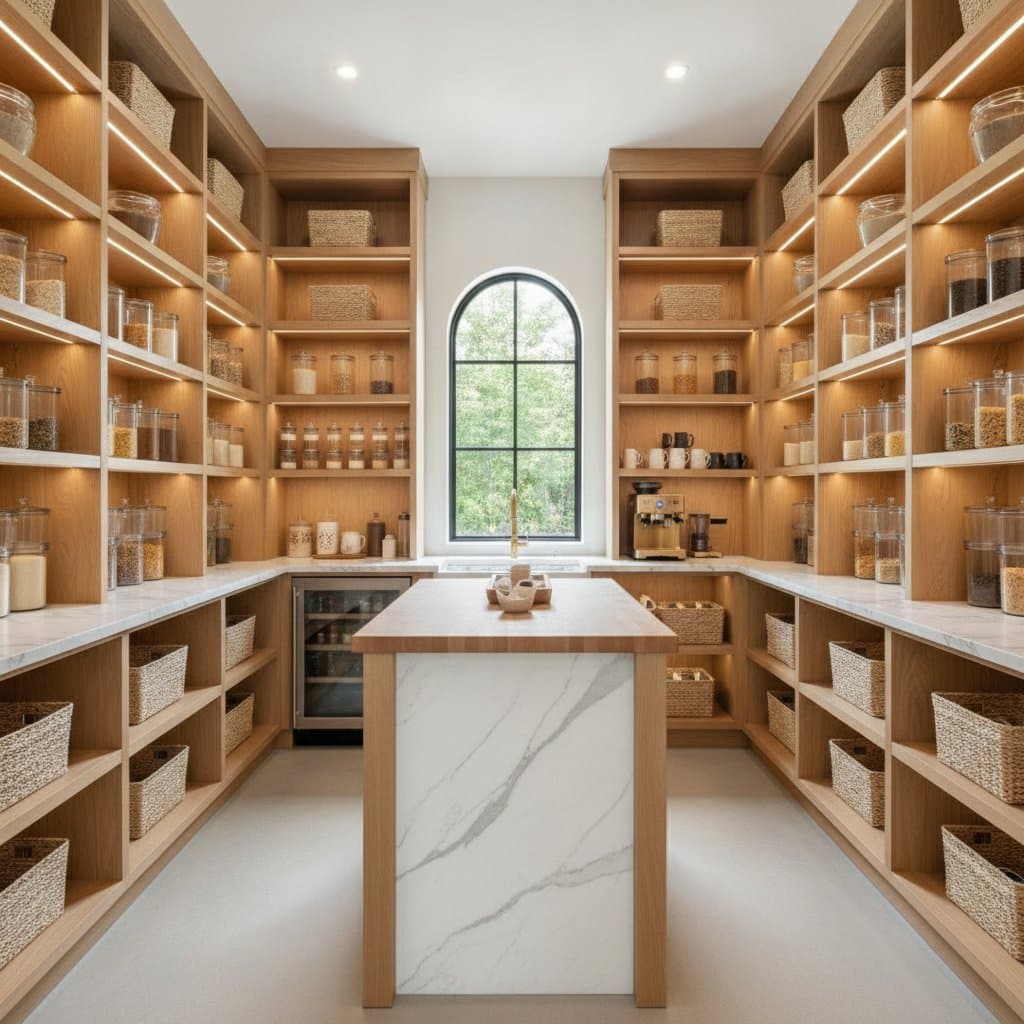
Minimum dimensions include 24 inches of depth and 36 inches of width to accommodate basic shelving and access. Expansive kitchens permit widths up to 6 feet, facilitating walk-in configurations with additional organizational features like pull-out drawers.
Is Retrofitting Possible in an Existing Kitchen?
Affirmative, provided adjacent walls or cabinet voids offer suitable backing. Skilled carpenters reframe the area and integrate panels to mimic surrounding finishes, minimizing visual disruptions.
Do These Walls Impact Kitchen Ventilation?
They exert no direct influence, though airtight constructions might retain warmth from proximate cooking zones. Incorporate ventilation grilles or fans for items requiring circulation, such as grains or spices.
Which Finishes Suit Hidden Panels Best?
Opt for matte paints, wood veneers, or laminates that replicate adjacent cabinetry tones. Steer clear of high-gloss options, which accentuate any minor seams or imperfections.
Is Internal Lighting Mandatory?
Building codes in most jurisdictions do not require it, yet low-voltage LED strips greatly aid item location. Motion-activated sensors provide hands-free illumination, streamlining retrieval tasks.
Implementing Your Hidden Pantry Wall
Integrating a hidden pantry wall refines kitchen functionality through elegant concealment and amplified capacity. This upgrade fosters an organized, serene environment that withstands daily demands while appealing to discerning buyers.
Commence with thorough measurements and layout sketches to visualize integration. Evaluate lighting needs, airflow provisions, and structural viability early to sidestep revisions. Solicit proposals from certified kitchen specialists versed in bespoke installations.
Examine material swatches, hardware variants, and completion timelines during consultations. This diligent preparation culminates in a transformative feature that delivers enduring utility and aesthetic enhancement.