Hidden Pantries Add $18K to Your Home's Resale Value
Hidden pantries represent a smart investment for homeowners seeking to enhance both functionality and market appeal. These concealed storage solutions transform kitchens into streamlined spaces while concealing everyday essentials. Real estate experts note that such features can increase a property's resale value by up to $18,000, drawing in buyers who prioritize modern, organized living.
The appeal lies in their ability to maintain a clean aesthetic without sacrificing storage capacity. As open-concept designs dominate contemporary homes, hidden pantries offer a discreet way to manage clutter. This article explores the benefits, design options, planning process, and costs associated with incorporating one into your kitchen.
Understanding Hidden Pantries
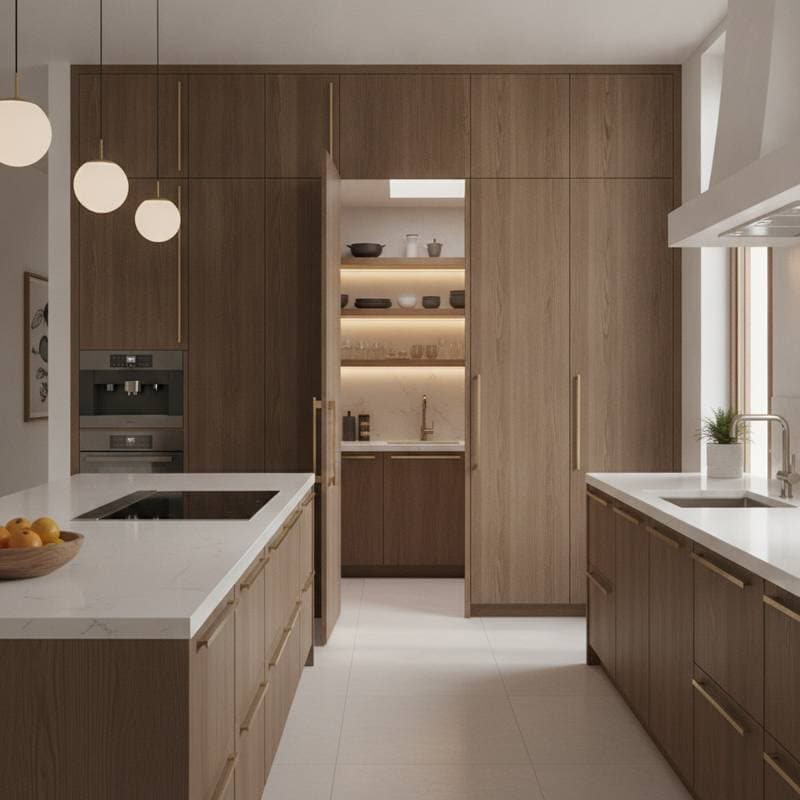
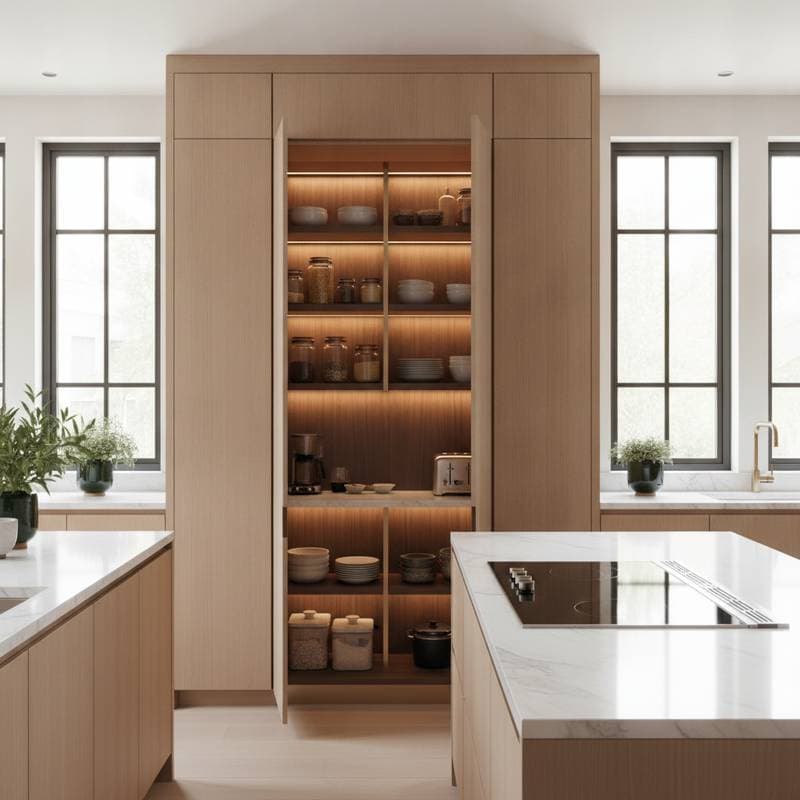
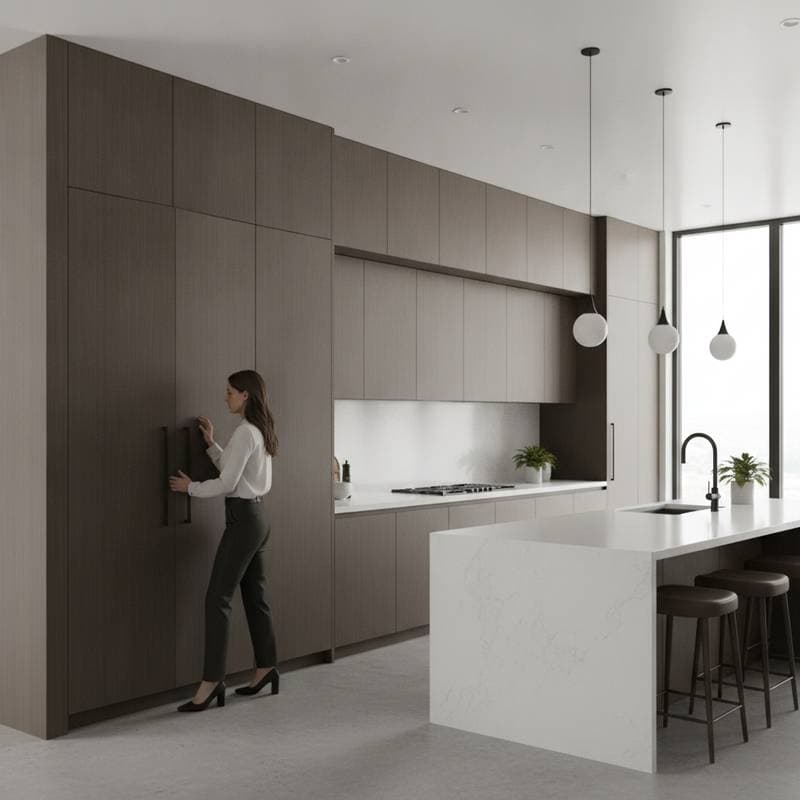
A hidden pantry functions as a dedicated storage area that integrates seamlessly into the kitchen layout. Unlike traditional pantries with visible doors, these designs disguise storage behind cabinetry, walls, or even appliance facades. The result is a minimalist look that maximizes usable space.
Homeowners often confuse hidden pantries with standard cabinets, but the distinction matters. Standard cabinets display contents openly, inviting disorganization. Hidden versions provide deep shelving, pull-out drawers, and specialized compartments for items like appliances and dry goods.
This feature suits various home sizes, from compact urban apartments to spacious suburban kitchens. Its versatility ensures broad appeal among potential buyers, contributing to that valuable $18,000 uplift in resale price.
Key Benefits for Homeowners and Buyers
Hidden pantries elevate daily life by promoting efficiency and calm. Imagine accessing bulk ingredients without rummaging through visible shelves; this setup streamlines meal preparation and reduces visual noise. Families report less stress in shared spaces, as items remain out of sight yet easily reachable.
From a resale perspective, these additions signal thoughtful design. Appraisers recognize their role in modernizing kitchens, a high-priority area for 70 percent of buyers according to industry surveys. The investment pays off quickly, often recouping costs within the first year of ownership.
Beyond aesthetics, hidden pantries support sustainable living. They encourage bulk purchasing, minimizing packaging waste, and optimize space to avoid overbuying. This practical edge makes them a standout feature in competitive housing markets.
Types of Hidden Pantry Designs
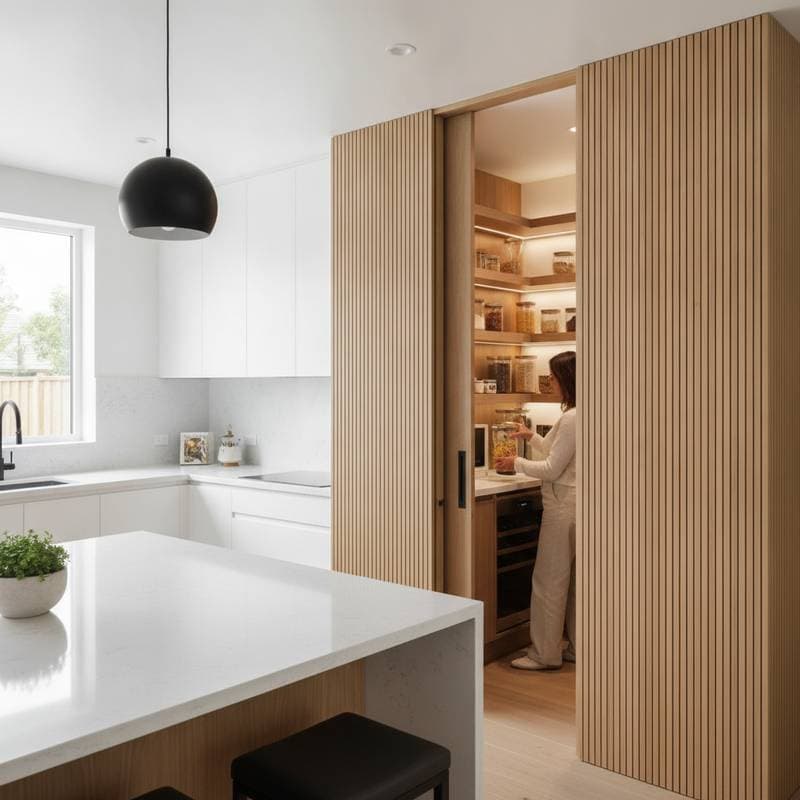
Designers offer several configurations to match different needs and budgets. The cabinet-style hidden pantry slots into existing cabinetry, using pocket doors or sliding panels for access. This option works well in smaller kitchens, requiring minimal structural changes.
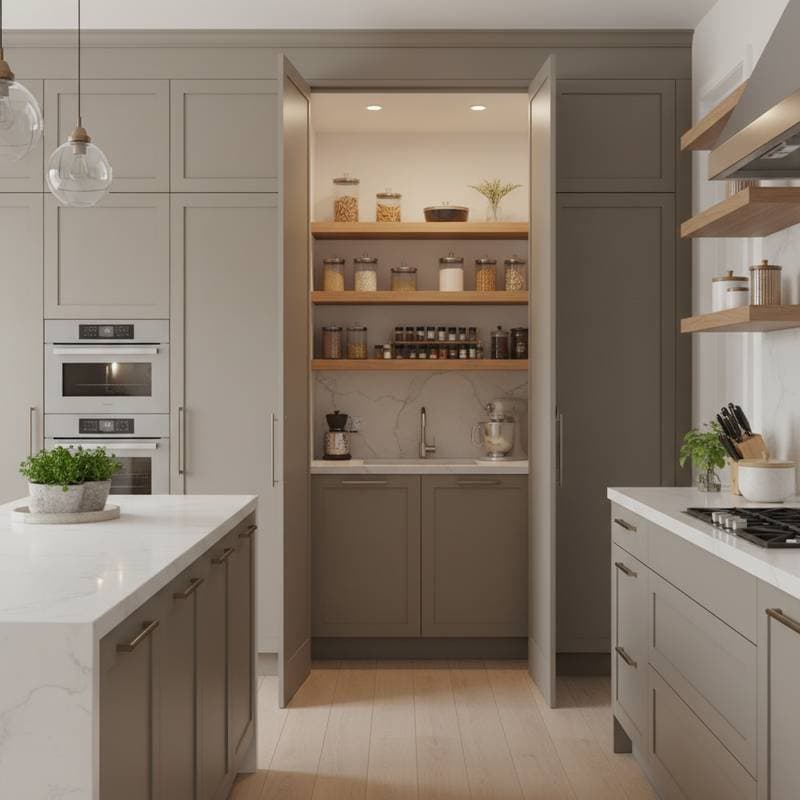
For larger spaces, consider a full scullery kitchen, which serves as an auxiliary room dedicated to storage and prep. Equipped with sinks, counters, and extensive shelving, it hides the mess of cooking while keeping the main kitchen pristine. This setup appeals to serious home chefs and entertaining hosts.
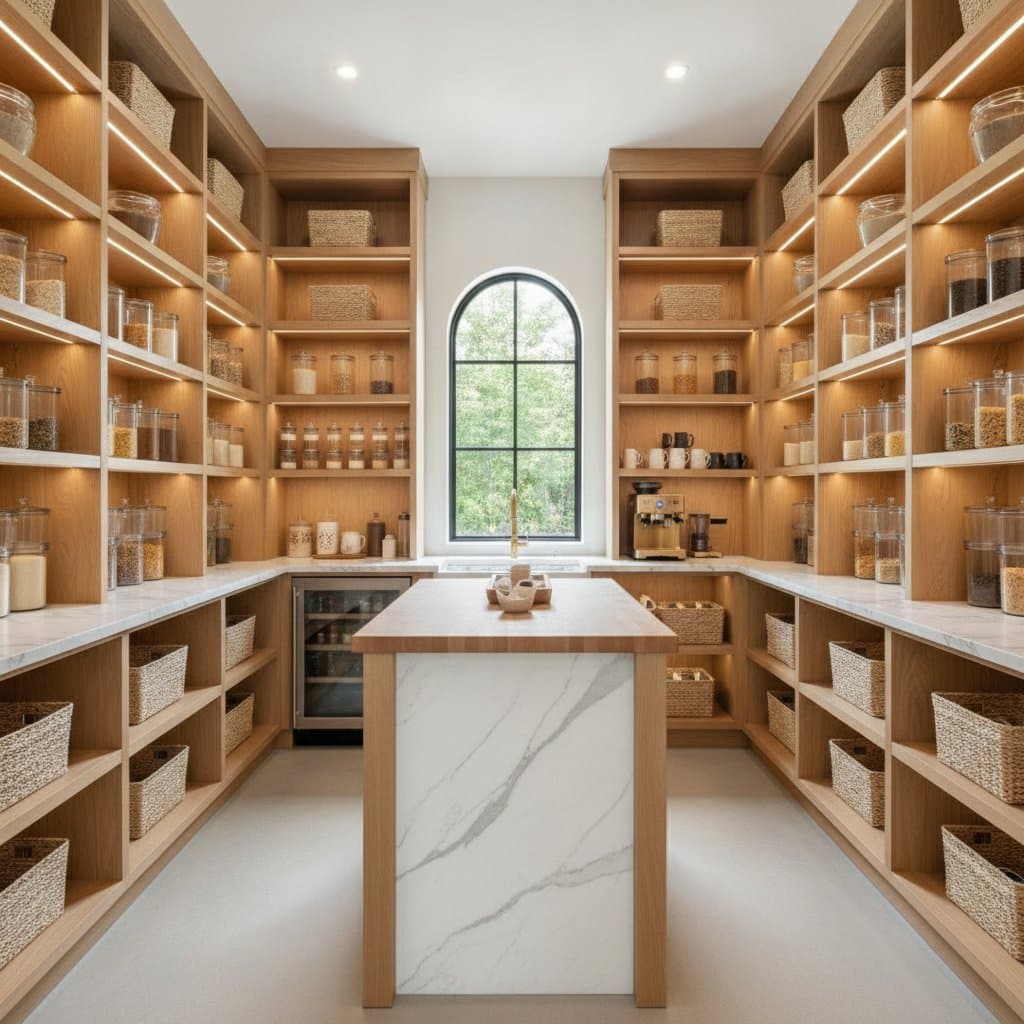
Walk-in hidden pantries provide the ultimate luxury, featuring climate-controlled zones for pantry staples. Customizable with lighting, lazy Susans, and adjustable racks, they cater to specific lifestyles. Each type blends functionality with discretion, ensuring the pantry remains an unseen asset.
Planning Your Hidden Pantry
Start the planning process by assessing your kitchen's layout and storage gaps. Measure available wall or corner space, noting traffic flow and appliance placements. Consult with a designer early to align the pantry with your home's overall style, whether modern minimalist or classic traditional.
Next, prioritize contents. List must-have items like canned goods, spices, and small appliances to determine shelving needs. Factor in accessibility; lower shelves suit everyday items, while higher ones hold less frequently used goods. Software tools can help visualize the design before construction begins.
Incorporate smart features for added value. Soft-close doors prevent slamming, and integrated lighting illuminates contents upon opening. These details enhance usability and impress during home tours, reinforcing the pantry's role in boosting property worth.
Budgeting and Costs Involved
Costs for a hidden pantry vary based on size, materials, and complexity. A basic cabinet-style unit starts at $2,000, covering custom cabinetry and installation. Mid-range options, including pull-out mechanisms and premium finishes, range from $5,000 to $10,000.
Full scullery or walk-in designs command higher prices, often $15,000 or more, due to plumbing, electrical work, and reinforced framing. Labor accounts for 40 percent of the total, so hiring experienced contractors ensures quality. Homeowners can save by sourcing materials from local suppliers and opting for DIY elements in non-structural areas.
Return on investment remains strong. The $18,000 value increase typically exceeds outlay, especially in upscale neighborhoods. Financing through home equity loans or remodeling budgets makes the project accessible without straining finances.
Installation Steps and Timeline
Installation begins with demolition if retrofitting an existing space. Professionals remove non-load-bearing walls or cabinets, then frame the new area. Expect this phase to last one to two days, depending on scope.
Follow with rough-ins for electrical and plumbing, essential for scullery styles. Insulation and drywall complete the enclosure, creating a seamless wall. Cabinet installation and finishing touches, like painting and hardware, wrap up the project in another week.
Total timeline spans four to six weeks for most homes. Coordinate with your contractor to minimize disruption; temporary kitchen setups help maintain routines. Post-installation, stock the pantry gradually to test organization systems.
Maximizing Impact on Resale Value
To fully realize the $18,000 boost, highlight the pantry in staging. Clear out excess items to showcase storage potential, and add subtle signage if needed during showings. Professional photography captures the before-and-after transformation for listings.
Pair the pantry with complementary upgrades, such as quartz countertops or energy-efficient appliances. This holistic approach amplifies appeal, positioning your home as a turnkey dream. Buyers respond to features that promise convenience and longevity.
In summary, hidden pantries deliver enduring value through enhanced organization and market differentiation. They transform ordinary kitchens into efficient havens, rewarding homeowners with both immediate utility and substantial financial returns.