Understanding Hidden Pantries
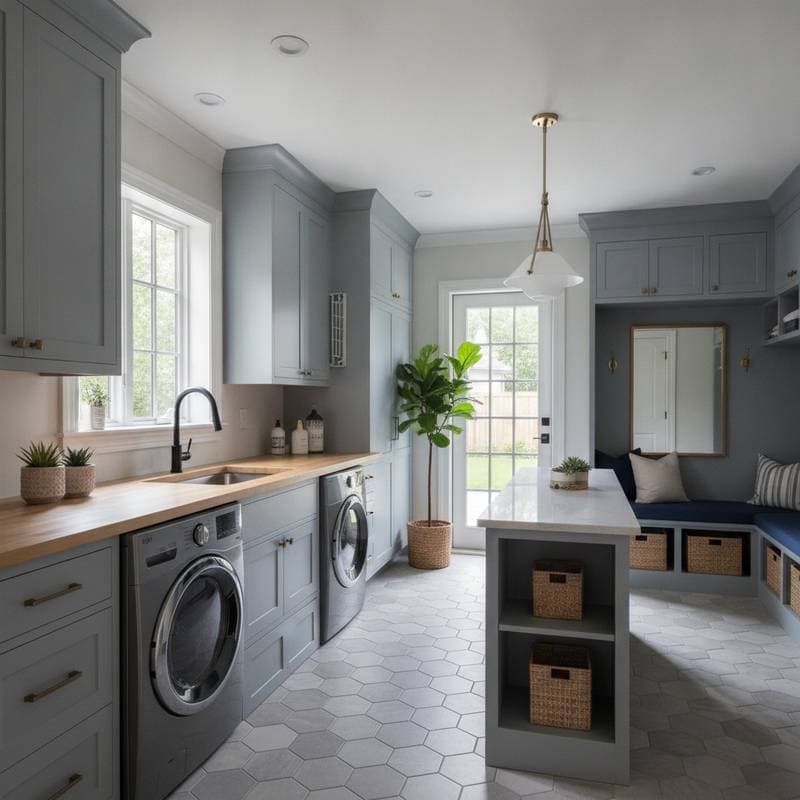
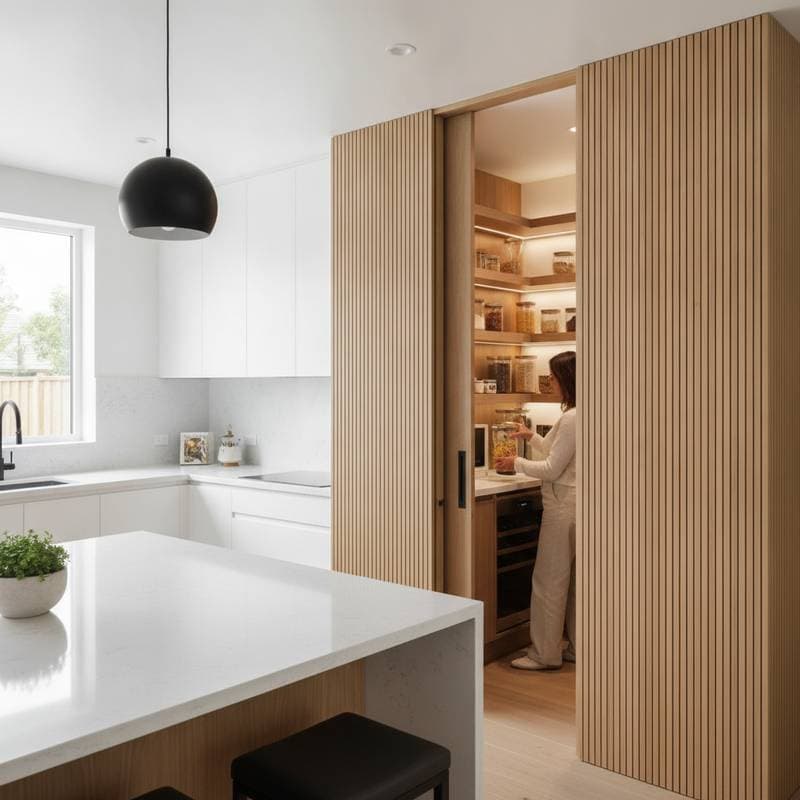
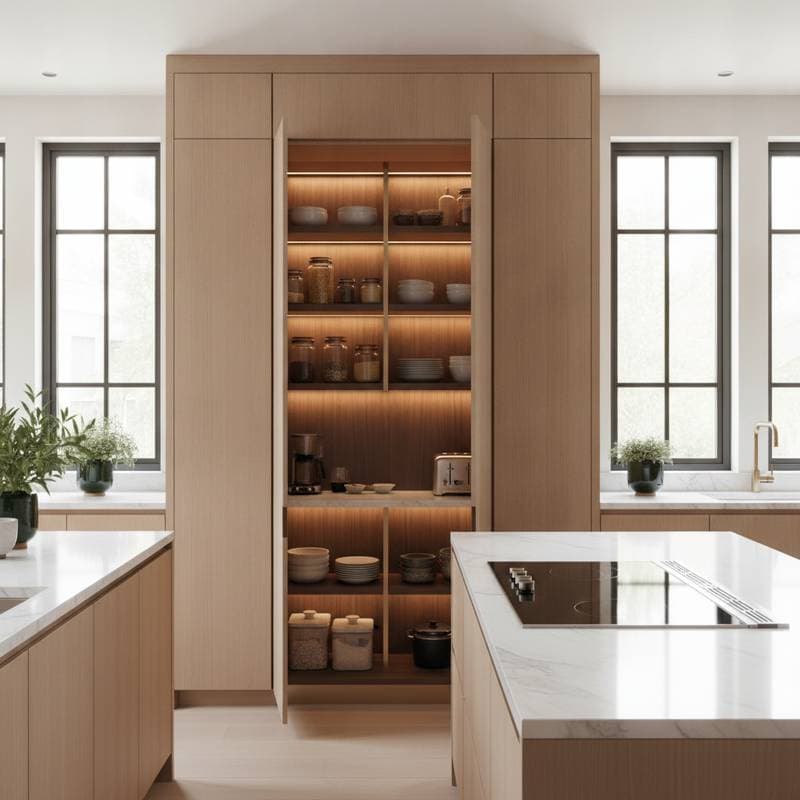
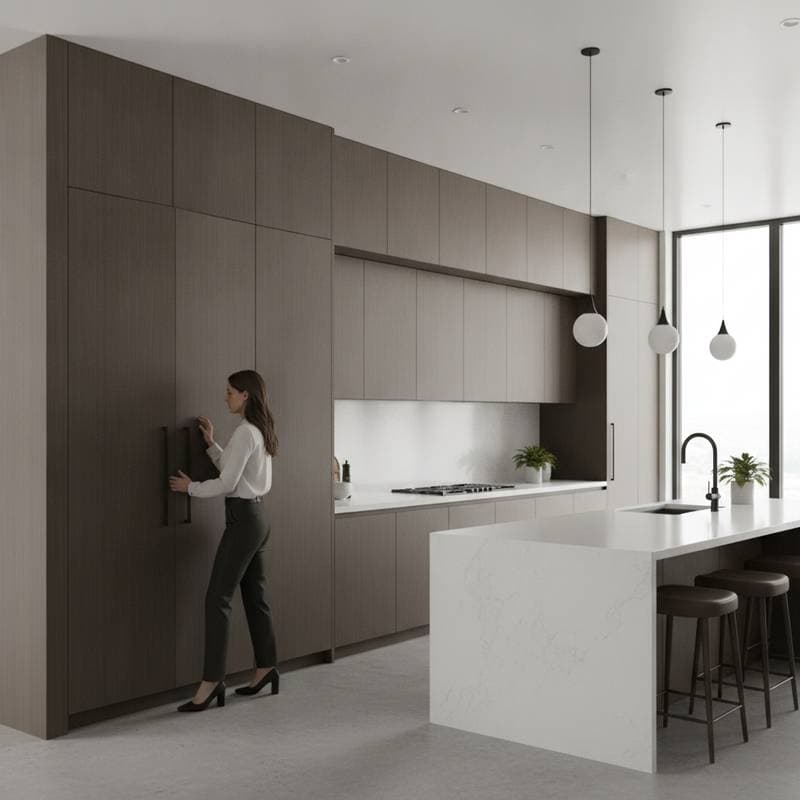
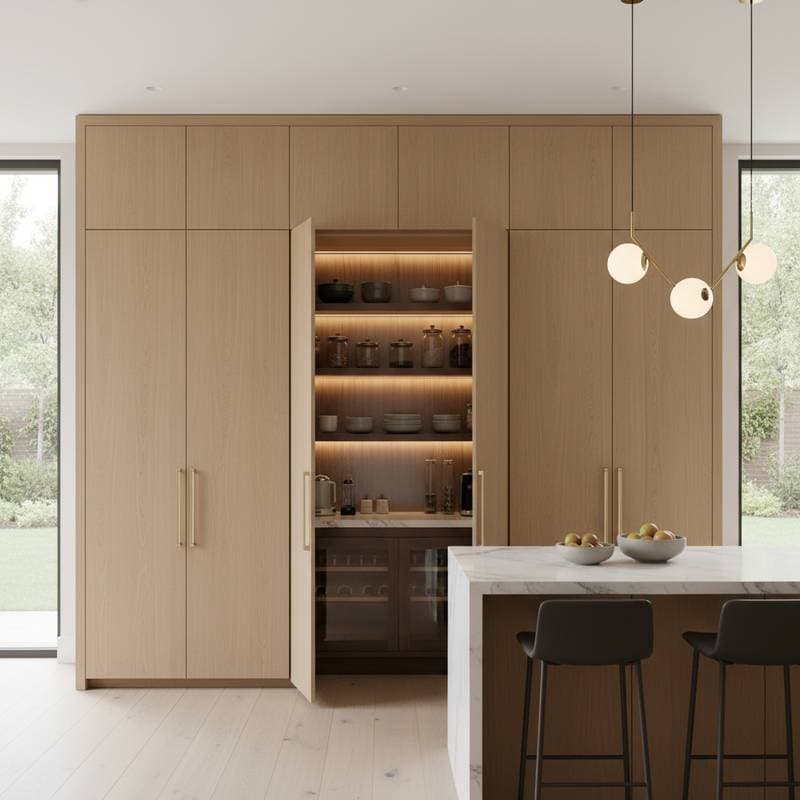
Hidden pantries represent a sophisticated evolution in kitchen storage. These features conceal ample storage space behind cabinet doors or panels, maintaining a streamlined appearance. Homeowners appreciate how they transform busy kitchens into organized havens without visible clutter.
The concept draws from minimalist design principles popular in modern architecture. Rather than exposed shelves or bulky units, hidden pantries tuck away pantry essentials like dry goods, appliances, and serving ware. This approach suits contemporary homes where space efficiency meets aesthetic appeal.
By 2026, real estate experts predict these installations will become standard in upscale renovations. Their rise aligns with buyer preferences for functional luxury that enhances daily living.
Benefits of Incorporating Hidden Pantries
Hidden pantries offer multiple advantages beyond mere storage. They contribute to a sense of spaciousness in kitchens, which often serve as the heart of the home. Families benefit from easy access to ingredients during meal preparation while keeping countertops clear for cooking.
From a design perspective, these pantries allow for creative customization. Materials can match existing cabinetry, ensuring a cohesive look. Options include pull-out drawers for spices or adjustable shelving for bulk items, all hidden from view.
Energy efficiency improves as well, since organized storage reduces the need for frequent appliance use or overstocking. Homeowners report less waste and better inventory control, leading to cost savings over time.
The Impact on Home Value in 2026
Market analyses forecast that hidden pantries will add approximately 6 percent to home values by 2026. This projection stems from growing demand for smart storage in competitive real estate markets. Buyers view these features as indicators of thoughtful, future-proof design.
Appraisers consider factors like kitchen quality when evaluating properties. A well-integrated hidden pantry signals high-end upgrades, appealing to discerning purchasers. In urban areas with limited square footage, such innovations maximize perceived space and functionality.
Data from recent surveys supports this trend. Properties with concealed storage sell faster and at premiums compared to those with traditional setups. The return on investment makes hidden pantries a strategic choice for sellers aiming to stand out.
Quantifying the ROI
Investing in a hidden pantry typically yields a strong return. Basic installations recoup 70 to 90 percent of costs through increased property appeal. For a mid-range kitchen remodel, this translates to thousands in added value.
Long-term benefits include reduced maintenance and adaptability. As lifestyles evolve, these pantries accommodate changes like dietary shifts or expanded entertaining needs. Their durability ensures lasting value without frequent updates.
Design Options for Hidden Pantries
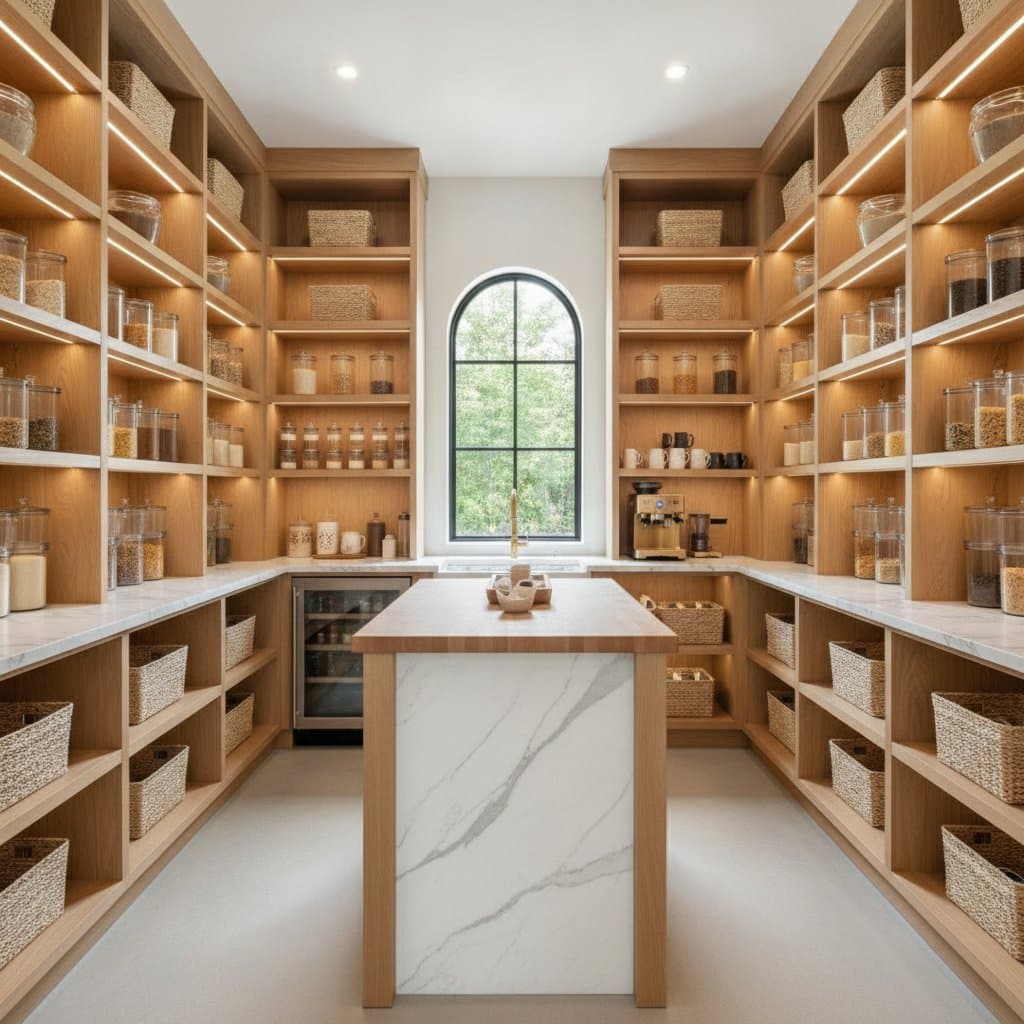
Selecting the right design begins with assessing kitchen layout. Walk-in hidden pantries suit larger spaces, featuring full-depth shelving and integrated lighting. For compact areas, appliance garages or slim cabinet inserts provide discreet storage.
Material choices range from sleek wood finishes to matte metals for a modern edge. Soft-close mechanisms and ergonomic pulls enhance usability. Lighting options, such as LED strips, illuminate contents without overwhelming the space.
Customization extends to organization systems. Dividers for canned goods, lazy Susans for corners, and ventilated sections for produce keep items fresh and accessible. Designers recommend consulting professionals to align features with specific household routines.
Popular Styles in 2026
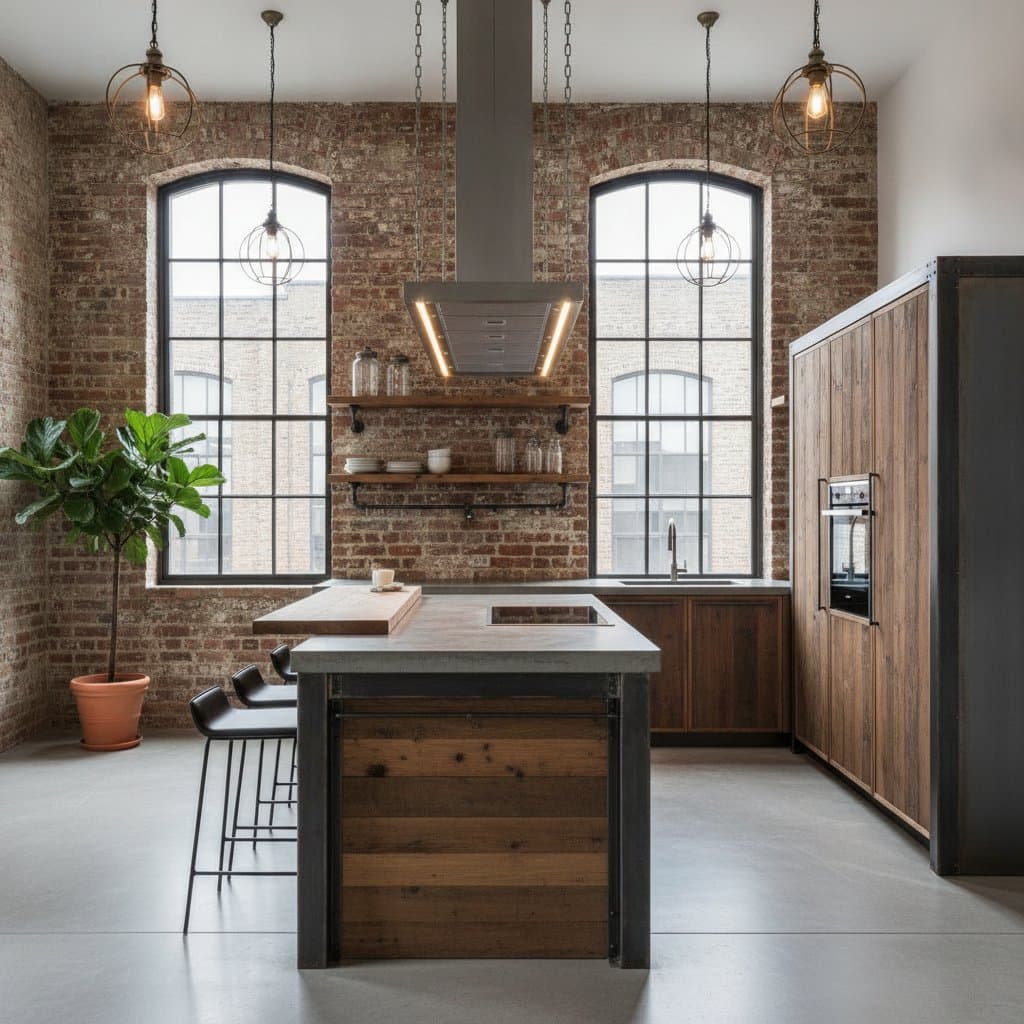
Transitional designs blend classic and contemporary elements, using neutral tones for versatility. Industrial styles incorporate exposed hardware within concealed doors for subtle texture. Eco-friendly options feature sustainable woods and low-VOC finishes, appealing to environmentally conscious buyers.
Smart integrations add convenience. Voice-activated doors or app-controlled inventory trackers elevate the experience. These advancements position hidden pantries as tech-savvy solutions in forward-thinking homes.
Installation Costs and Considerations
Budgeting for a hidden pantry varies by size and complexity. A basic retrofit starts at $5,000, covering cabinet modifications and shelving. Custom walk-ins can reach $15,000 or more, including electrical work for lighting.
Factors influencing cost include location and labor rates. Urban installations may incur higher fees due to access challenges. Material quality also plays a role; premium options like quartz counter integrations add to the expense but enhance durability.
Homeowners should plan for permits if structural changes are involved. Professional contractors ensure compliance with building codes and seamless integration. Timing renovations during off-peak seasons can reduce costs through better contractor availability.
Step-by-Step Planning Guide
-
Evaluate current kitchen space and storage needs through a detailed inventory.
-
Consult with a designer to sketch options and select materials that complement the existing decor.
-
Obtain quotes from at least three contractors, comparing warranties and timelines.
-
Schedule installation during a period of minimal disruption, such as vacations.
-
Test functionality post-installation and adjust shelving as needed for optimal use.
This process ensures a smooth upgrade that delivers immediate benefits.
Maximizing Value Through Strategic Upgrades
To fully leverage the 6 percent value boost, pair hidden pantries with complementary features. Quartz countertops or energy-efficient appliances amplify the kitchen's appeal. Neutral color schemes create a timeless backdrop that broadens buyer interest.
Maintenance plays a key role in preserving value. Regular cleaning and organization prevent wear, keeping the space functional. Documenting the installation aids future appraisals by highlighting quality craftsmanship.
Homeowners who invest thoughtfully see enhanced livability alongside financial gains. Hidden pantries not only organize daily routines but also position properties for premium market performance in 2026 and beyond.
Embracing Hidden Pantries for Lasting Home Enhancement
Hidden pantries redefine kitchen efficiency with their blend of form and function. They address common pain points like clutter while elevating overall home aesthetics. As 2026 approaches, this trend offers a clear path to increased property worth and improved quality of life.
Consider the long-term satisfaction of a tailored space that adapts to needs. Real estate dynamics favor such innovations, rewarding proactive homeowners. Start exploring options today to secure these advantages in your home.