Induction Cooktops Boost Home Value by $18,000 by 2026
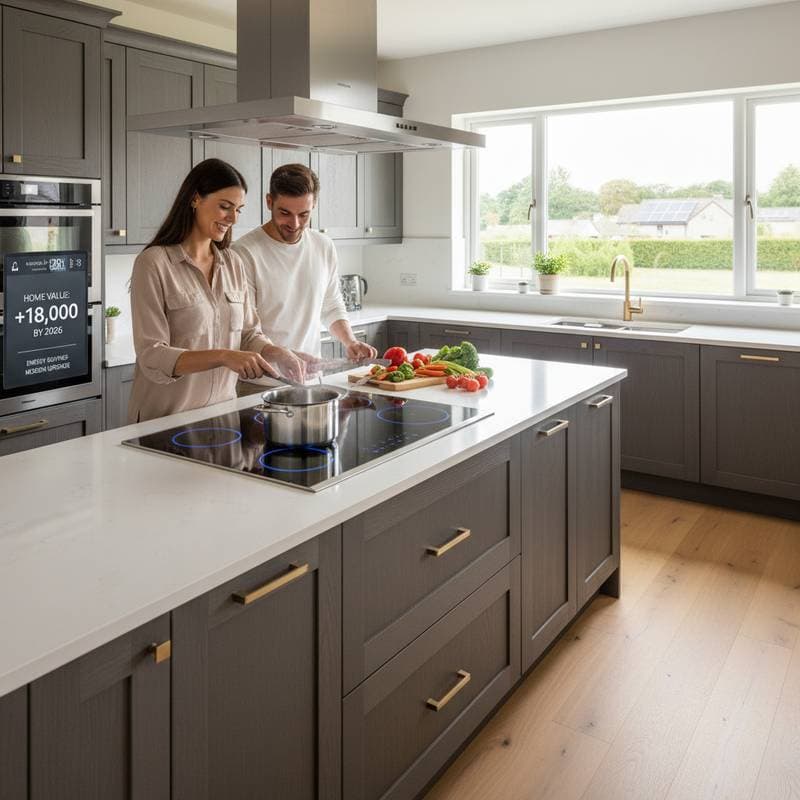
Homes equipped with induction cooktops experience resale value increases of approximately $18,000 compared to properties with traditional gas or electric ranges. This enhancement stems from superior energy efficiency, enhanced safety features, and contemporary kitchen aesthetics. Installation typically ranges from $2,000 to $6,000 and can often be accomplished over a single weekend.
Understanding Induction Cooking Technology
Induction cooking employs electromagnetic fields to directly heat compatible cookware, bypassing traditional heating elements or open flames. The cooktop surface remains relatively cool outside the area directly beneath the pan, which promotes safety and simplifies maintenance. This method delivers rapid boiling times, precise temperature control for simmering, and responsive adjustments to heat levels.
Transitioning from gas cooking reduces ambient kitchen heat and eliminates combustion byproducts, while also easing cleaning tasks. Compared to conventional electric ranges, induction provides gas-like speed and precision without associated hazards such as burns from hot surfaces. These advantages make induction a practical choice for modern households seeking efficiency and convenience.
Detailed Cost Analysis
The following table outlines key components of an induction cooktop installation, including typical expenses and influencing factors.
| Task | Typical Cost | Factors Affecting Price |
|---|---|---|
| Induction Cooktop | $1,200 - $3,000 | Brand reputation, unit size, integrated smart technology |
| Countertop Adjustments | $200 - $600 | Countertop material, precision of cuts required |
| Electrical Modifications | $500 - $1,500 | Existing panel capacity, distance to power source |
| Professional Labor | $300 - $900 | Local labor rates, removal of prior appliance |
| Total Project Cost | $2,000 - $6,000 | Selected model, wiring requirements, geographic location |
Costs fluctuate based on regional differences, with urban settings often incurring higher labor fees. Electrical infrastructure represents the primary variable; homes with an existing 40-amp circuit avoid substantial upgrade expenses. Consulting a licensed electrician early helps identify potential savings.
Deciding Between DIY and Professional Installation
Consider a do-it-yourself approach under these conditions:
- A 240-volt circuit compatible with the new unit is already in place.
- Existing cutouts and wiring align with the induction model's specifications.
- You possess experience in appliance sealing and secure mounting procedures.
Opt for professional installation in these scenarios:
- Circuit additions or upgrades to the electrical system are necessary.
- Countertops involve durable materials like stone or quartz that require specialized tools.
- Preservation of the manufacturer's warranty is a priority.
Professionals excel in ensuring adherence to building codes, secure wiring practices, and appropriate ventilation spacing. They handle permit applications as mandated by local regulations. Although initial costs may rise, these services safeguard long-term value and compliance during home sales.
Key Factors Driving Value in Induction Cooktops
Prospective buyers reward homes featuring innovative appliances that enhance everyday functionality. Induction cooktops project a sense of advanced technology while remaining user-friendly. The following attributes significantly contribute to elevated property appraisals:
- Rapid Performance: Water reaches a boil up to twice as quickly as on gas stoves.
- **Energy ** Approximately 90 percent of input energy transforms into usable heat.
- Enhanced Safety: The surface cools immediately upon removing cookware, minimizing burn risks.
- Sleek Design: Seamless, flush-mounted glass tops integrate effortlessly into modern kitchens.
- Utility Savings: Reduced electricity consumption leads to lower monthly bills.
- Environmental Benefits: Absence of gas combustion prevents indoor emissions and supports sustainable living.
These elements signal a property that is meticulously maintained and aligned with current trends. A renovated kitchen often sets the tone for the overall home valuation in competitive markets.
Ensuring Safety and Regulatory Compliance
Induction systems offer inherent safety advantages, yet proper handling remains essential.
- Avoid using wiring that does not meet size specifications.
- Select cookware explicitly designed for induction compatibility.
- Maintain distance between active zones and medical devices sensitive to magnetic fields.
- Adhere strictly to local electrical standards and secure necessary permits.
- Refrain from altering the unit or disabling built-in safety mechanisms.
For homes entering the market, maintain records of installations performed by certified electricians. Such documentation facilitates buyer confidence and accelerates appraisal processes.
Calculating Return on Investment and Future Benefits
Homeowners frequently recoup the entire installation expense upon selling, with the $18,000 value uplift primarily attributed to kitchen modernization. Return on investment varies from 200 to 400 percent, influenced by regional real estate dynamics. Integrating induction during broader remodels maximizes efficiency in planning and execution.
Beyond resale gains, operational savings enhance long-term appeal. Induction appliances consume 15 to 20 percent less energy than traditional electric models, translating to reduced utility expenses and decreased strain on heating and cooling systems. These efficiencies compound over years of use, reinforcing the upgrade's financial wisdom.
Pitfalls to Sidestep During Installation
- Overlook cookware compatibility verification. Test pans with a magnet to confirm induction suitability prior to purchase.
- Neglect adequate ventilation. Even with minimal heat output, ensure sufficient airflow beneath the unit.
- Underestimate electrical demands. A standard 36-inch model may draw up to 50 amps.
- Select inappropriate sealing materials. Opt for heat-resistant variants to prevent degradation.
- Fail to register the warranty. Provide evidence of professional installation to validate coverage.
Addressing these issues proactively preserves functionality and avoids costly corrections.
Practical Recommendations for Optimal Use
Maintain portable induction burners as backups for experimentation or additional cooking needs. Familiarize household members with the requirement for magnetic cookware from the outset. Choose vessels with flat bases to ensure complete surface contact and uniform heating.
Address spills promptly when the glass is warm yet safe to touch. For rental properties, incorporate usage guidelines into tenant orientation materials. These habits extend the appliance's lifespan and promote safe, effective operation.
Steps to Upgrade Your Kitchen Today
If preparing for a home sale, prioritize induction cooktops among kitchen enhancements for their favorable cost-to-value ratio. Begin by inspecting your electrical panel and establishing a budget. Solicit quotes from at least two electricians and a countertop specialist if modifications are anticipated. This strategic investment positions your property attractively in evolving markets, delivering both immediate usability and substantial future returns.