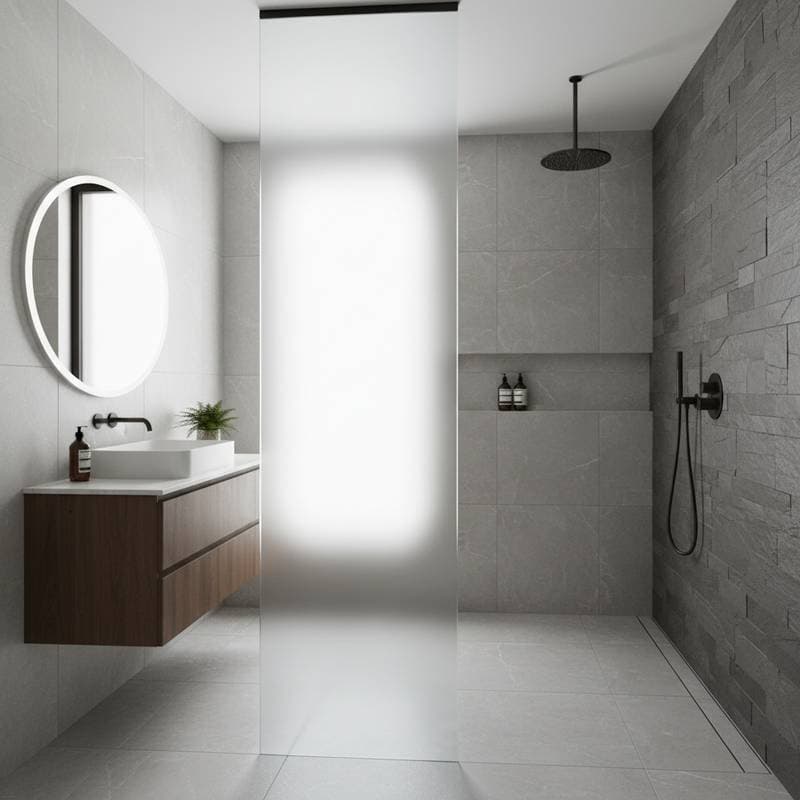
The Rise of Wet Rooms: An 11% Value Boost by 2026
Wet rooms elevate home values rapidly. Real estate analyses indicate that properties featuring modern, barrier-free bathrooms may experience up to an 11% increase in value by 2026. This surge stems from their sleek aesthetics, universal accessibility, and ability to maximize space in compact areas.
Defining a Wet Room
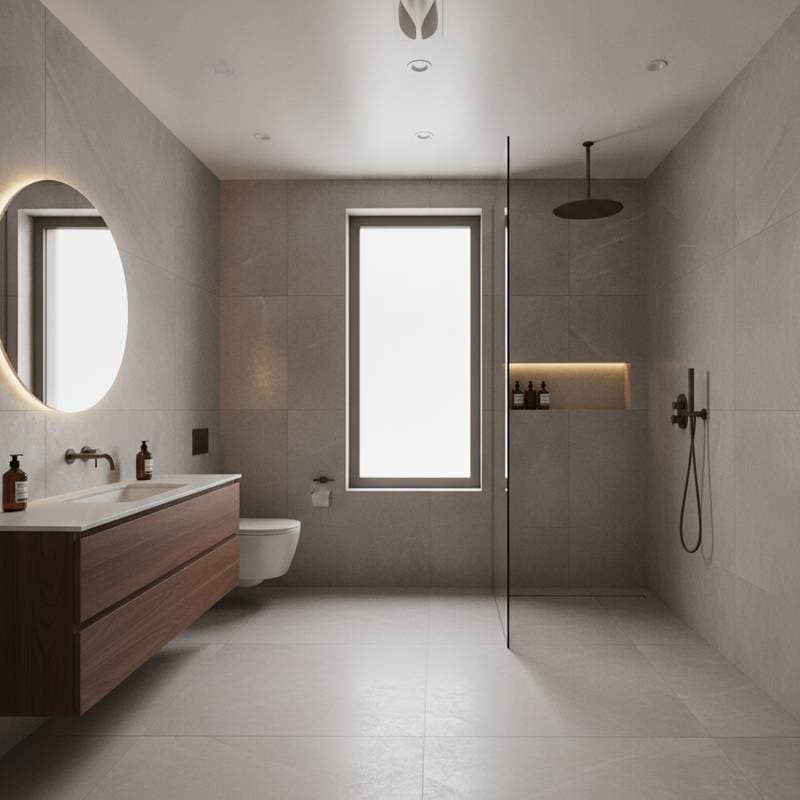
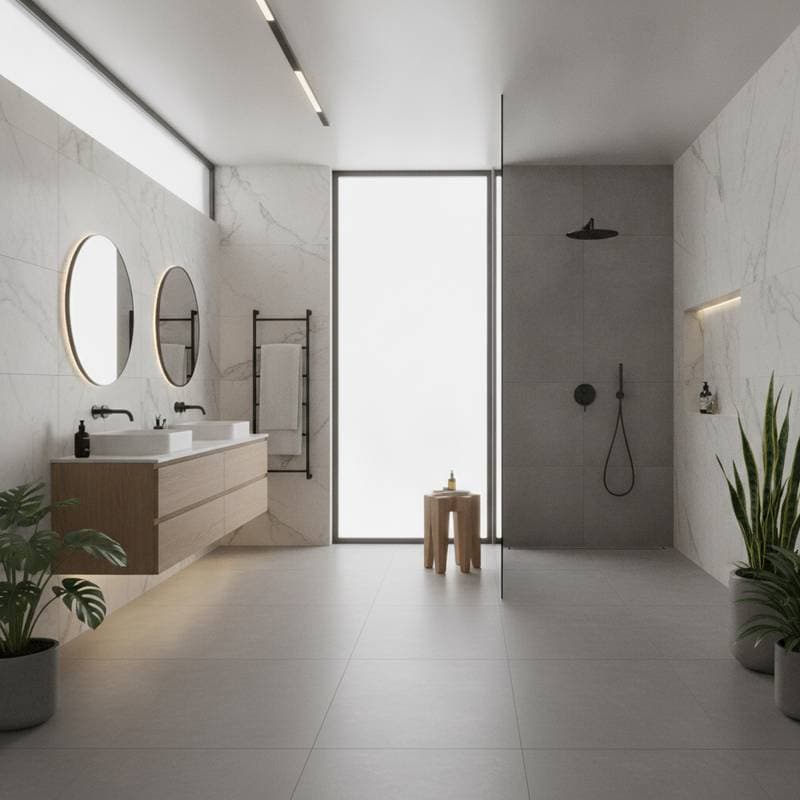
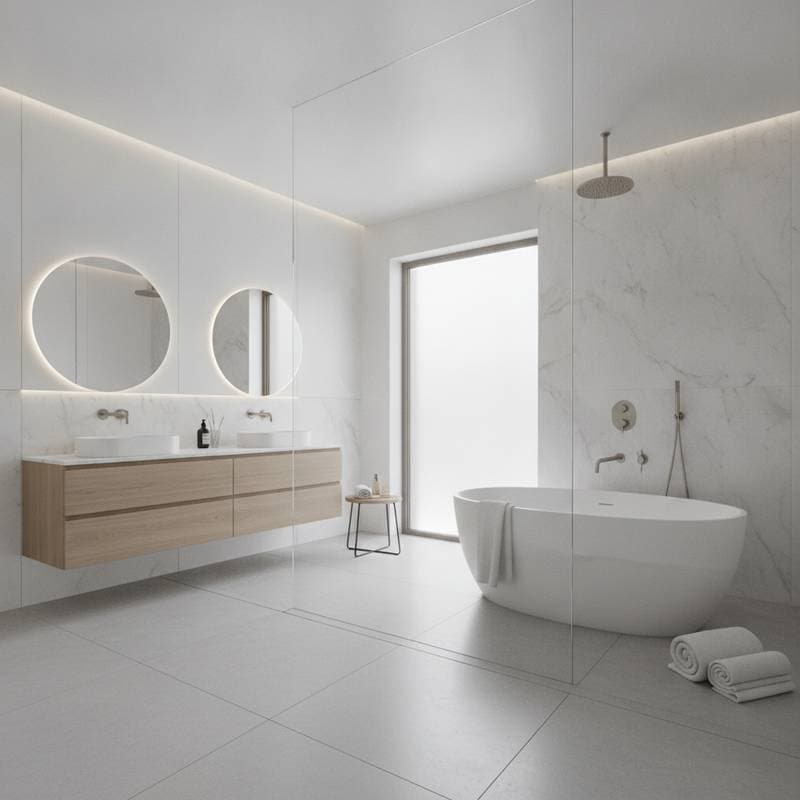
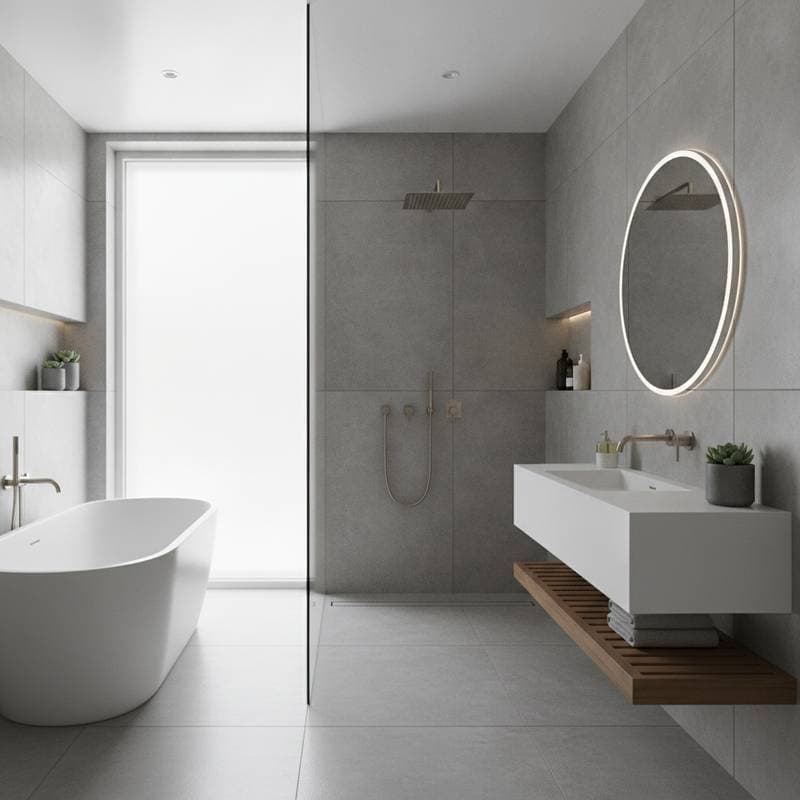
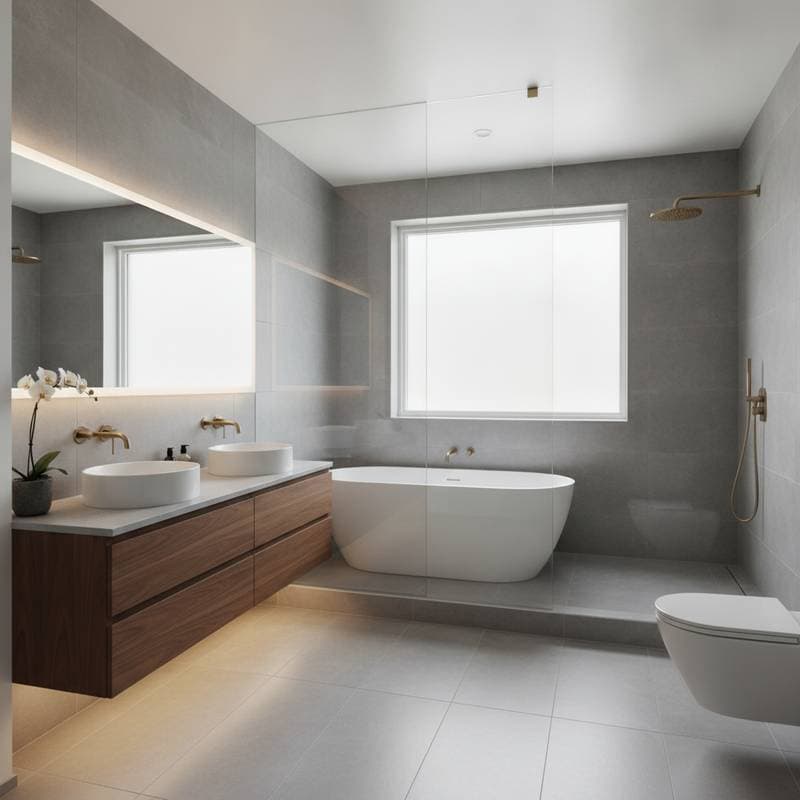
A wet room constitutes a fully waterproofed bathroom in which the shower zone integrates seamlessly at floor level. No raised edges or steps separate the shower from the rest of the space. The floor incorporates a subtle gradient toward a central drain, while all surfaces receive sealing treatments to repel moisture. Glass panels may enclose portions to minimize water spray, yet the design prioritizes an expansive, low-maintenance layout.
This configuration differs from conventional showers by eliminating trays or enclosures that fragment the room. The entire floor serves as the shower base, evoking a spa atmosphere and aligning with principles of universal design for inclusive use.
Reasons Wet Rooms Enhance Property Value
Prospective buyers seek bathrooms that blend contemporary style with broad functionality. Wet rooms fulfill these criteria by providing accessibility for older residents and opulent appeal for younger demographics. Their minimalist lines and unobstructed layouts also capture compelling photographs, distinguishing listings in competitive markets.
Installation of a wet room implies premium upgrades, including robust waterproofing, expert tiling, and efficient drainage systems. Such elements convey meticulous property maintenance to potential purchasers, thereby contributing tangible worth.
Guide to Installing a Wet Room
- Design the layout. Select a location with optimal access to existing drainage. Position plumbing elements adjacent to minimize expenses.
- Apply waterproofing. Deploy a comprehensive tanking membrane over floors and lower wall sections. This measure safeguards against leaks that could compromise structural integrity.
- Position the drain. Opt for a linear or central drain compatible with the intended floor pitch. Verify the gradient with precision to ensure effective water flow.
- Install tiles. Employ slip-resistant options for the floor and expansive formats for walls. Secure grout lines with waterproof epoxy compounds.
- Incorporate fixtures. Select wall-hung faucets paired with overhead or handheld showerheads for versatility.
- Integrate glass elements. Use optional panels to contain splashes while preserving the spacious aesthetic.
Project Cost Analysis
Costs fluctuate based on geographic location and material selections. The following table outlines estimates for a typical wet room retrofit.
| Task | Typical Cost | Influencing Factors |
|---|---|---|
| Waterproofing and drain installation | $2,000 - $4,000 | Local labor rates, surface preparation, drain configuration |
| Tiling and grouting | $1,500 - $5,000 | Material grade, pattern intricacy |
| Fixtures and glass | $1,000 - $3,000 | Aesthetic preferences, component durability |
| Plumbing and electrical updates | $800 - $2,500 | Line modifications, illumination enhancements |
| Overall project total | $5,500 - $14,500 | Dimensions of space, selection of finishes |
Luxury iterations incorporating bespoke stonework or radiant heating may surpass $20,000. Economical variants utilizing basic tiles and sparse glass enclosures approach $6,000.
Timeline for Completion
Wet room renovations generally span one to three weeks following initial demolition.
- On-site labor duration: Approximately 40 to 60 hours.
- Drying periods: Multiple days for membranes and grout to set fully.
Interruptions frequently arise from material shipments or custom orders. Procuring all supplies in advance streamlines the process.
DIY Considerations Versus Professional Services
Pursue DIY when:
- Prior experience in tiling and plumbing exists.
- The area remains compact with straightforward configurations.
- Adherence to waterproofing protocols proves feasible.
Engage professionals when:
- Subfloor reinforcement becomes necessary.
- Relocation of drains or plumbing lines is required.
- A refined finish aims to maximize resale potential.
Certified installers excel in gradient testing, joint sealing, and compliance with regulations. Numerous waterproofing solutions mandate professional application to uphold warranties.
Essential Tools and Materials
- Waterproofing membrane system
- Floor drain assembly with trap
- Cement backer board sheets
- Thinset mortar and epoxy grout
- Tile cutting tools and spreading trowels
- Silicone sealing compound
- Precision level and laser alignment device
- Protective gloves and eyewear
Prepared inventories prevent disruptions during construction.
Considerations for Regional and Climatic Variations
In humid or coastal environments, prioritize mold-resistant features. Select antimicrobial grouts and ventilation systems that satisfy building codes.
Regions with cold weather benefit from under-tile radiant heating for comfort. Temperate areas may forgo this addition to control budgets.
Certain municipalities treat wet room conversions as major plumbing overhauls subject to inspection. Confirm permitting requirements prior to commencing work, as unpermitted alterations could complicate property transactions.
Maintenance and Safety Protocols
Failures in waterproofing pose the primary hazard. Address any fractured grout or displaced tiles promptly to avert moisture infiltration. Refrain from penetrating sealed surfaces without subsequent resealing.
Perform weekly cleaning with pH-neutral solutions to preserve grout and coatings. Steer clear of wax polishes that increase slipperiness.
Matte-finish, textured tiles enhance traction. For households with children or seniors, install support rails adjacent to controls.
Wet Rooms Versus Traditional Showers
| Aspect | Wet Room | Standard Shower |
|---|---|---|
| Accessibility | Seamless entry, adaptable for mobility aids | Elevated threshold or curb |
| Aesthetics | Expansive and contemporary | Contained and conventional |
| Upkeep | Simplified large-area cleaning | Increased seams requiring detail work |
| Initial Expense | Elevated | More affordable |
| Market Impact | Significant appreciation potential | Consistent baseline |
For long-term occupancy, the resilience and value retention of wet rooms frequently offset the upfront investment.
Indicators for Professional Intervention
Summon a licensed contractor upon discovering subfloor decay, inadequate joists, or suboptimal drainage angles. Experts reinforce foundations and apply barriers effectively.
Consult plumbers for drain relocations or additional outlets, as venting errors lead to backups and smells.
Electricians manage heating elements or fixtures in moist zones, ensuring conduit protection for wiring.
Expert Recommendations for Optimal Results
- Confirm the floor pitch prior to tiling; aim for one-quarter inch per foot.
- Source the membrane and related products from a single manufacturer to avoid warranty issues.
- Conduct a water retention test on the drain assembly before encasing it.
- Retain an extra set of tiles for eventual touch-ups.
Realizing the Upgrade
Transforming a bathroom into a wet room not only enhances daily comfort but also positions the property for substantial appreciation. Homeowners who invest thoughtfully in these features enjoy both immediate usability and future financial gains. Consult local specialists to tailor the project to specific needs and ensure enduring performance.