Turning Flooded Basements Into Wine Cellars
A flooded basement requires systematic drying, testing, and repairs before any wine cellar conversion can begin. Once the space achieves proper moisture control and insulation, homeowners can transform previously unusable lower-level areas into valuable storage and a distinctive home feature.
Investment Overview
Homeowners typically spend between twenty-five thousand and seventy-five thousand dollars on basement wine cellar renovations nationwide. Basic conversions often fall between thirty thousand and fifty-five thousand dollars. Projects involving extensive flood mitigation, structural repairs, custom cabinetry, and climate control equipment can exceed one hundred thousand dollars.
Several factors influence final costs. Water damage severity and mold remediation requirements drive expenses upward. Drainage improvements, sump pump installations, and waterproofing systems add significant line items. Insulation upgrades, vapor barrier installation, and electrical modifications contribute to the total. Cooling system capacity and installation complexity affect pricing. Racking systems, flooring materials, door specifications, and lighting choices complete the budget considerations.
These estimates assume a one hundred to two hundred square foot space with moderate finish levels. Separate pricing for flood repairs and cellar construction provides clearer cost visibility.
Advantages and Limitations
Key Benefits
- Transforms damaged space into controlled wine storage
- Protects bottles from temperature fluctuations, light exposure, and humidity variations
- Adds storage capacity without expanding the home footprint
- May increase appeal for buyers who value finished basements
- Establishes a clear purpose for previously neglected areas
Potential Drawbacks
- Flood risk persists if exterior water management issues remain unaddressed
- Cooling equipment increases energy consumption and maintenance requirements
- Repairs may reveal hidden mold or foundation damage
- Custom cellar investments may not return full construction costs
- Inadequate humidity control can damage labels, corks, and interior finishes
Cellar Configuration Options
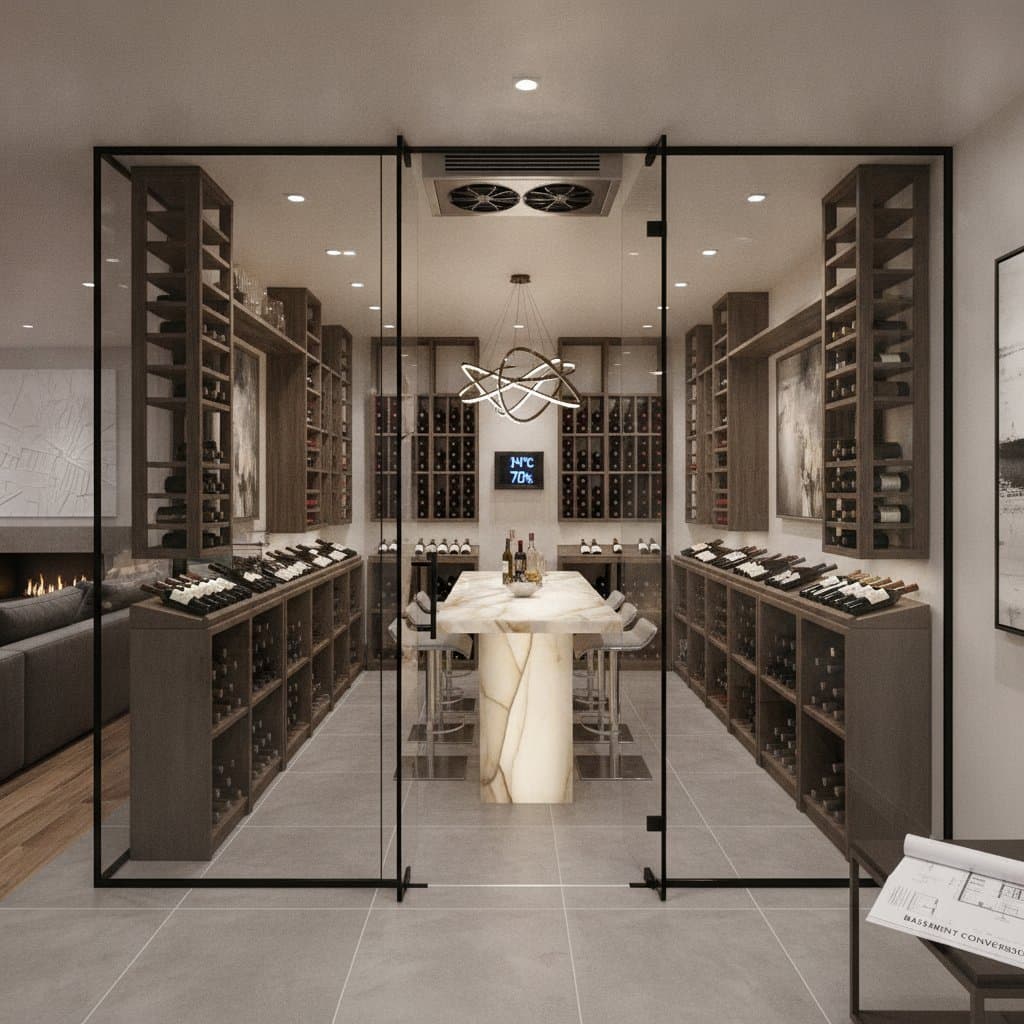
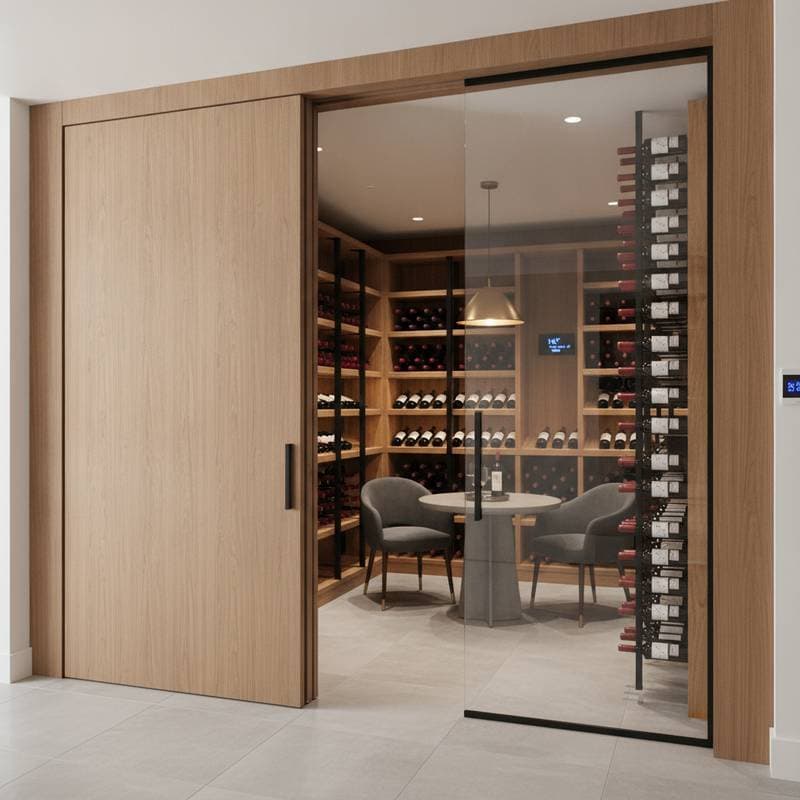
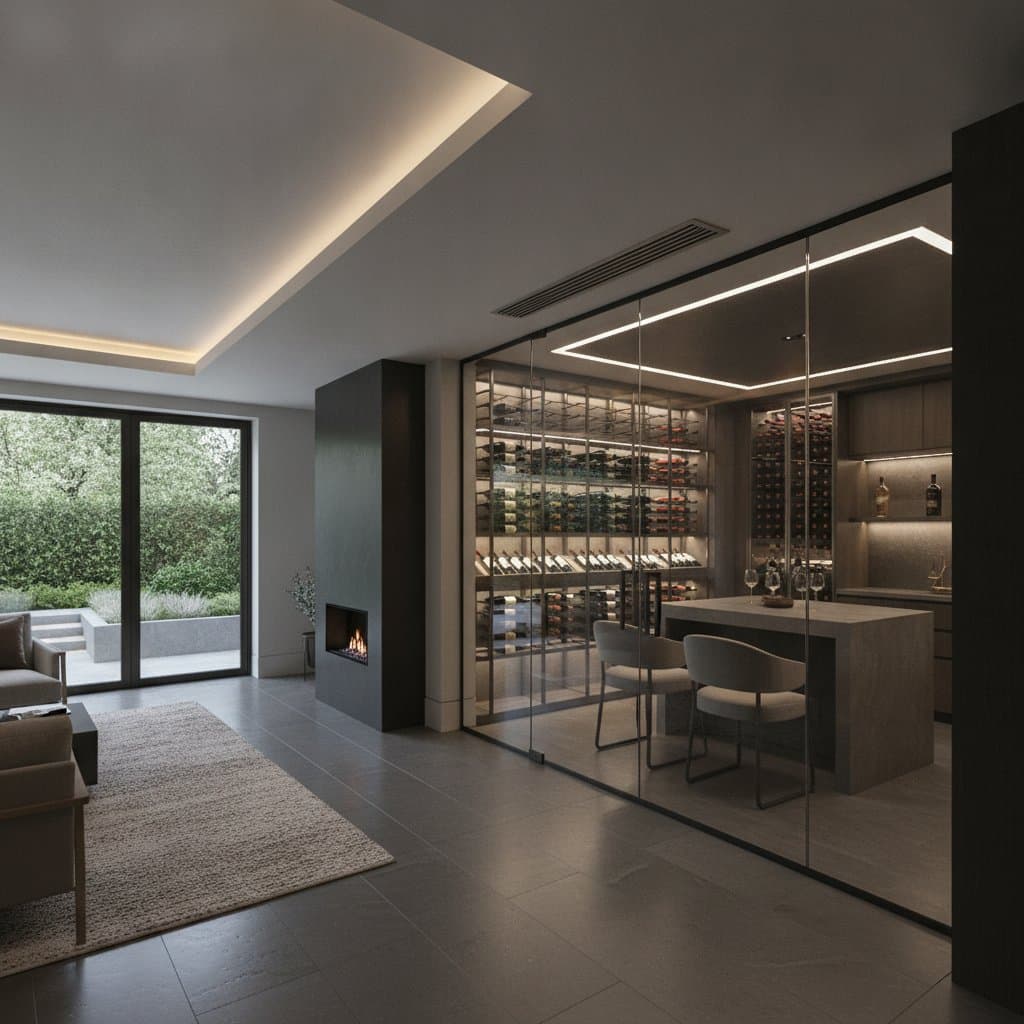
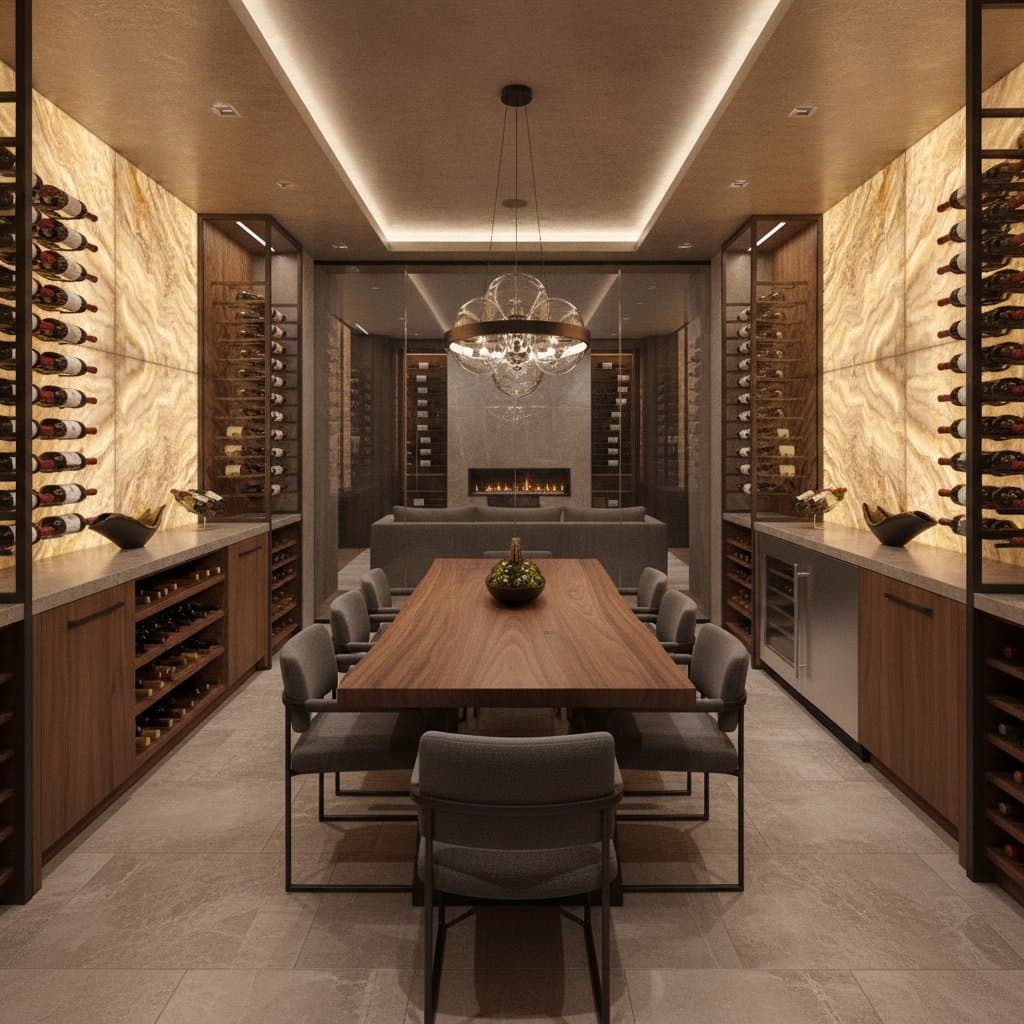
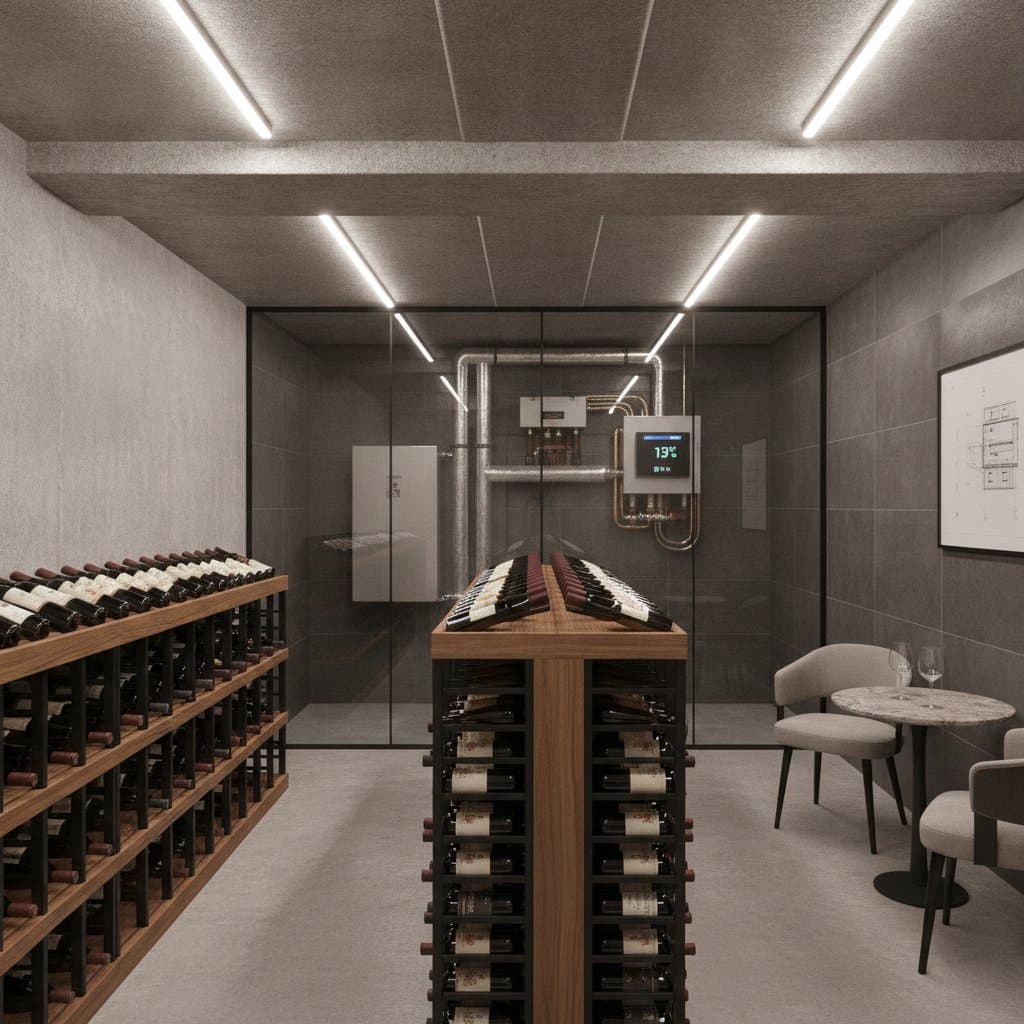
Several approaches suit different collection sizes and usage patterns. Dedicated wine rooms work best for larger collections, featuring insulated walls, sealed doors, and dedicated cooling units. Wine closets accommodate smaller collections at lower cost, though they provide limited storage and working space. Display cellars incorporate glass elements, strategic lighting, and visible racking systems, requiring enhanced humidity and temperature control. Utility-focused cellars emphasize durable racks and flood-resistant finishes over decorative elements.
Professional Requirements
Experienced homeowners may handle content removal and damaged trim disposal. However, flood assessment, mold treatment, electrical work, vapor control installation, and refrigeration systems require qualified contractors. Wine cellars demand stable temperature and humidity levels, not simply cool basement conditions. Property owners should engage waterproofing specialists and wine cellar contractors when water entered through walls, floors, or foundation joints.
Conversion Process
- Document damage thoroughly and contact insurance providers before removing materials.
- Remove standing water and dry the space using commercial-grade equipment.
- Test for mold presence, electrical damage, and foundation movement.
- Address grading issues, gutter problems, drainage systems, foundation cracks, and sump pump functionality.
- Install insulation and continuous vapor control layers.
- Add dedicated electrical service and cooling equipment.
- Install flood-resistant flooring, racking systems, lighting, and sealed doors.
- Verify temperature stability, humidity levels, drainage performance, and equipment operation before storing bottles.
Ongoing Care Requirements
Seasonal sump pump inspections and post-storm drain checks prevent water intrusion. Maintain cellar temperature near fifty-five degrees Fahrenheit with relative humidity between sixty and seventy percent, unless equipment specifications indicate otherwise. Clean filters according to manufacturer guidelines. Monitor for condensation, musty odors, label peeling, and humidity increases. Retain warranty documentation for pumps, cooling units, and waterproofing work.
Regional Considerations
Los Angeles properties may encounter hillside runoff, clay soil movement, or intense rainfall following extended dry periods. Local permits may apply to electrical circuits, structural repairs, egress modifications, and mechanical equipment installation. Coastal locations require corrosion-resistant hardware. Property owners should verify requirements with local building departments before beginning work.
Value Considerations
Finished cellars can improve usability and buyer interest, though they rarely recover full construction costs. Waterproofing improvements, drainage enhancements, and clean finishes typically provide broader value than luxury racking or decorative glass elements.
Safety Considerations
Previously Flooded Space Suitability
Proper remediation allows previously flooded basements to house wine collections safely. Complete drying, mold elimination, and moisture control create suitable environments for wine storage.
Vapor Barrier Necessity
Vapor barriers prevent moisture migration through walls and floors. Continuous vapor control layers protect both wine quality and structural integrity.
Racking Placement Guidelines
Racks should maintain clearance from foundation walls to allow air circulation and prevent moisture contact. Proper spacing supports both wine preservation and structural monitoring.
Initial Steps
Begin with damage documentation and insurance notification. Professional assessment follows before any construction activities commence.