Hidden Wine Cellars Boost Home Luxury by 15 Percent
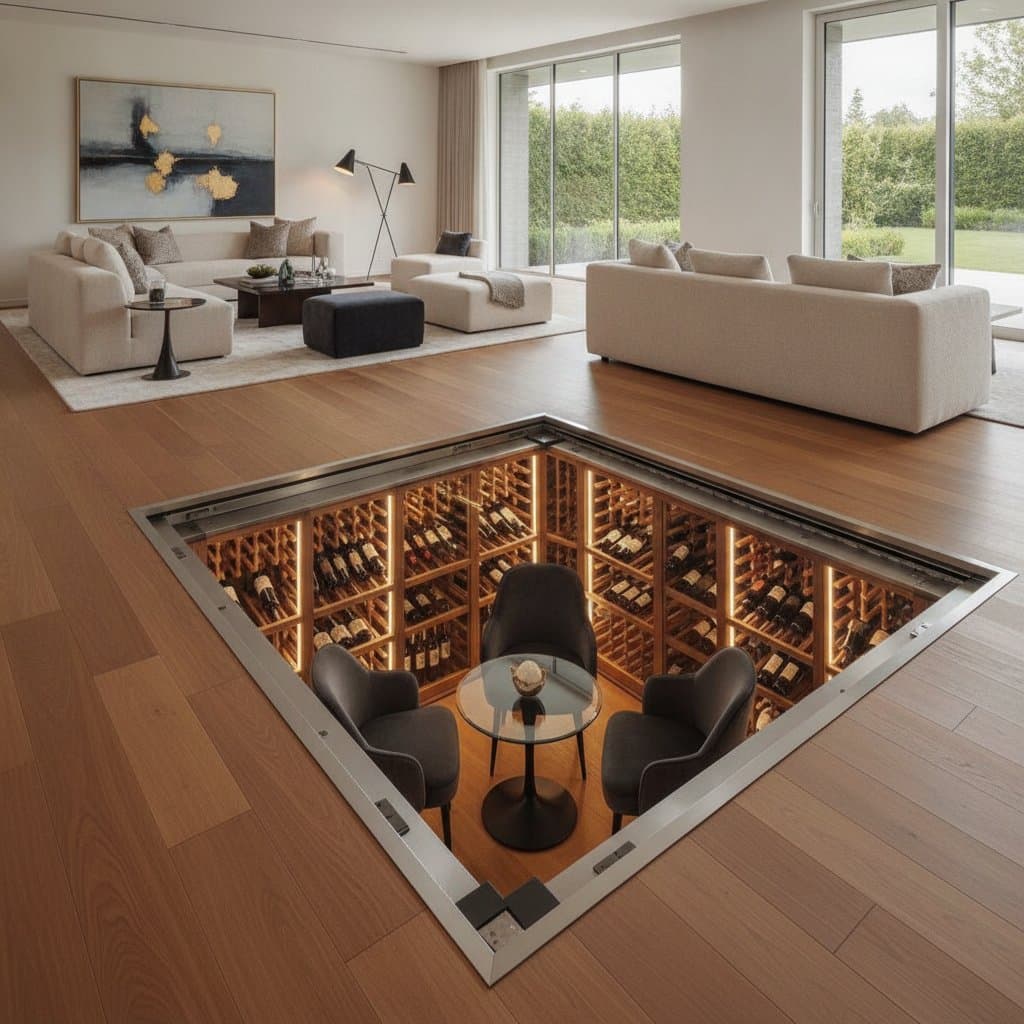
A hidden wine cellar converts unused basement areas or under stair spaces into a refined feature. This upgrade delivers both visual appeal and measurable resale value through precise climate control and thoughtful craftsmanship.
Typical Cost: $25,000 to $60,000 for a hidden wine cellar upgrade that can raise home value by up to 15 percent.
Project Snapshot
| Feature | Range or Detail |
|---|---|
| Cost Range | $25,000 to $60,000 |
| Timeline | 6 to 10 weeks including design and permits |
| Lifespan | 25+ years with proper humidity control |
| Best Season | Spring or early fall for stable temperatures |
| DIY Friendly | Partial only, structural and cooling work need a pro |
The value increase stems from durable materials, consistent temperature management, and the element of surpriseaccess points.
Design Options and Capacity Levels
Homeowners can select from three primary approaches based on available space and collection size.
Basic Build:
- Under stair storage with insulation and a compact cooling unit.
- Approximately $10,000 to $15,000, with capacity for 200 to 300 bottles.
Midrange Cellar:
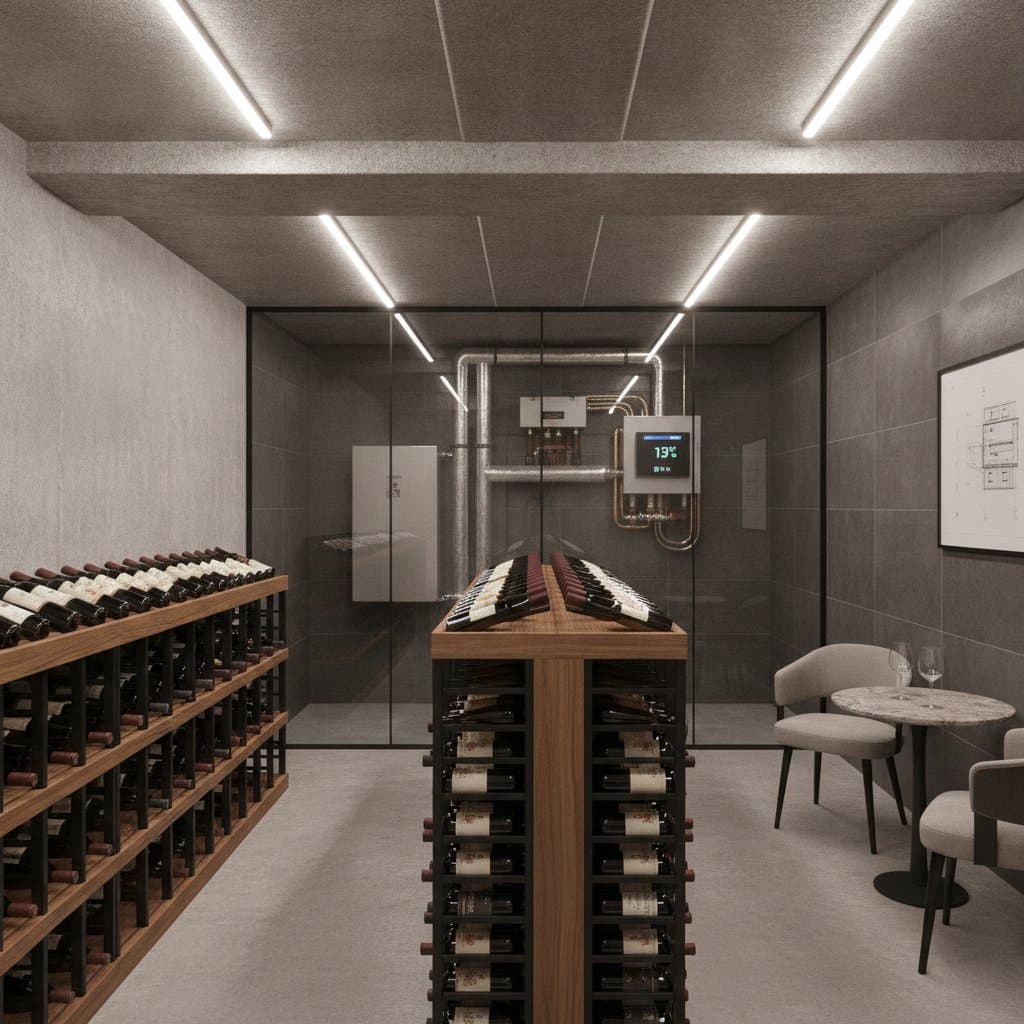
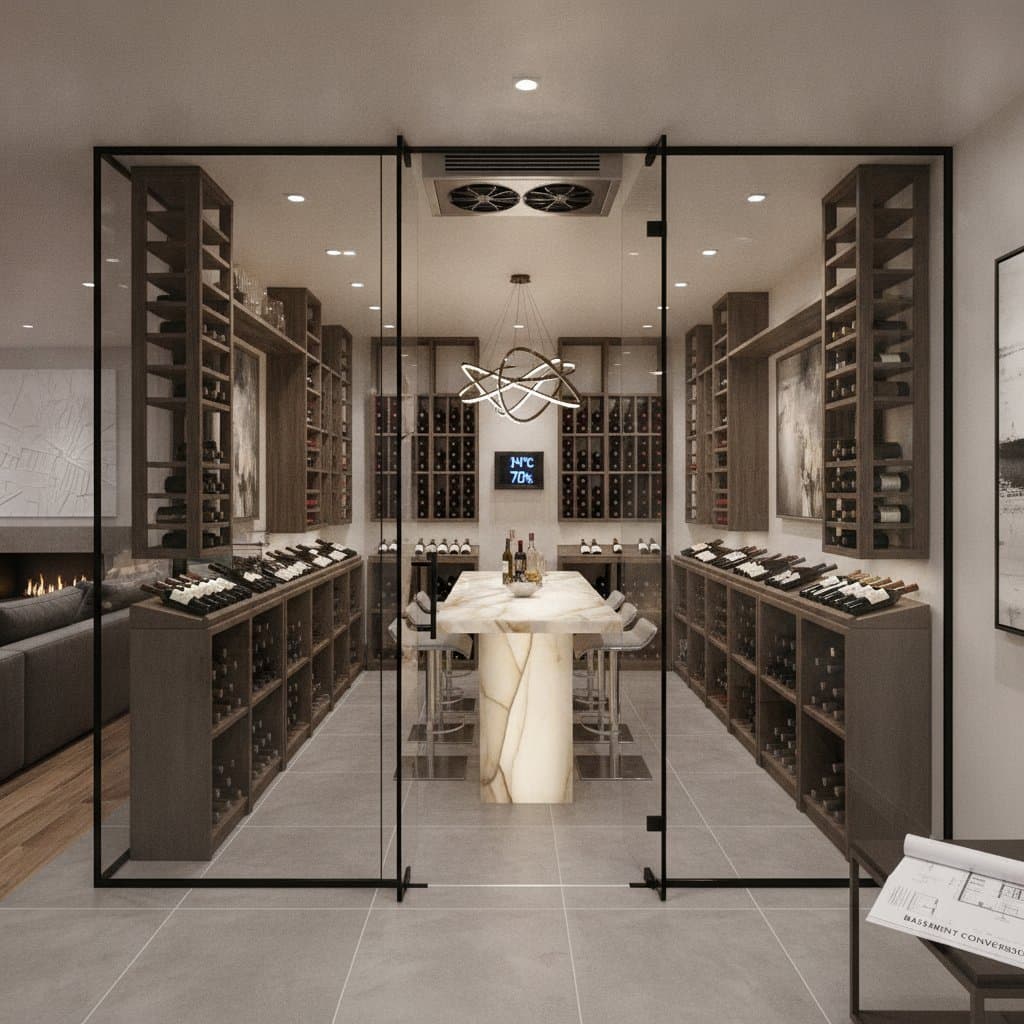
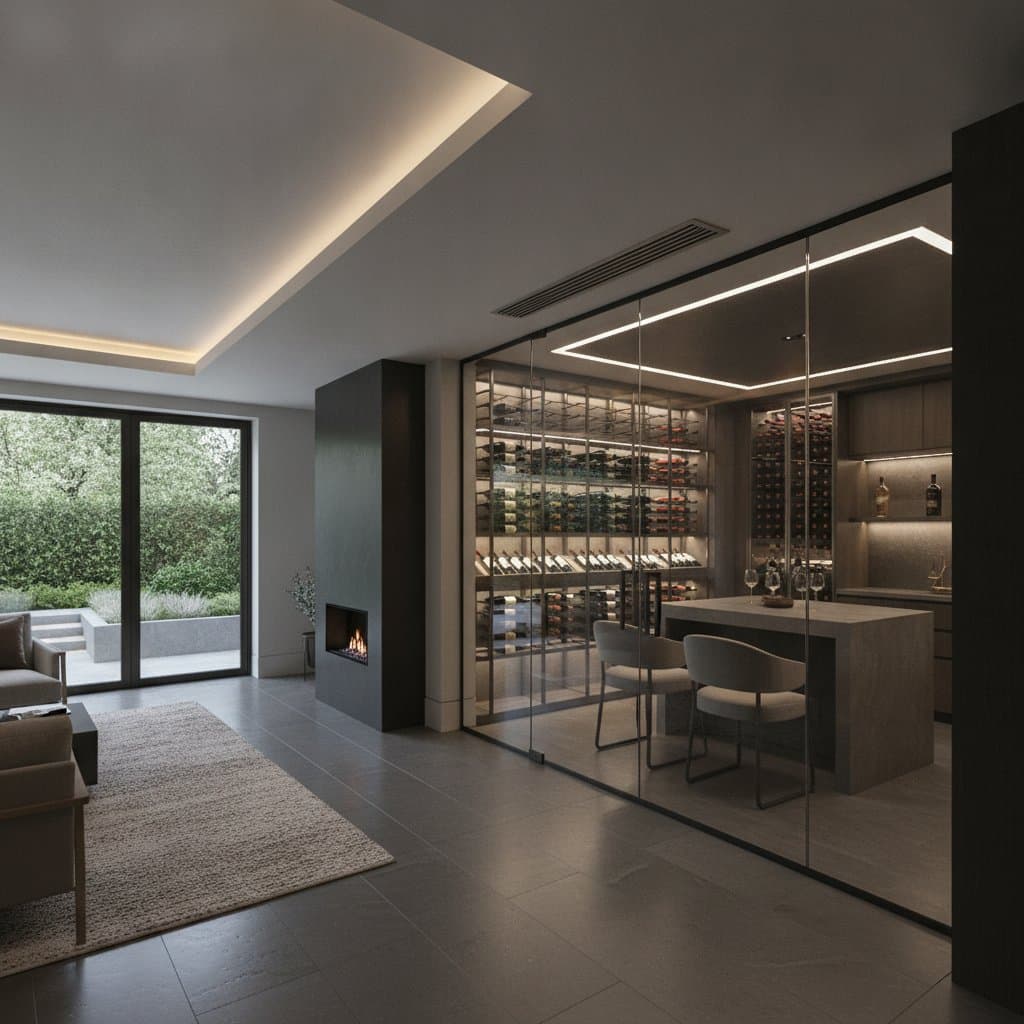
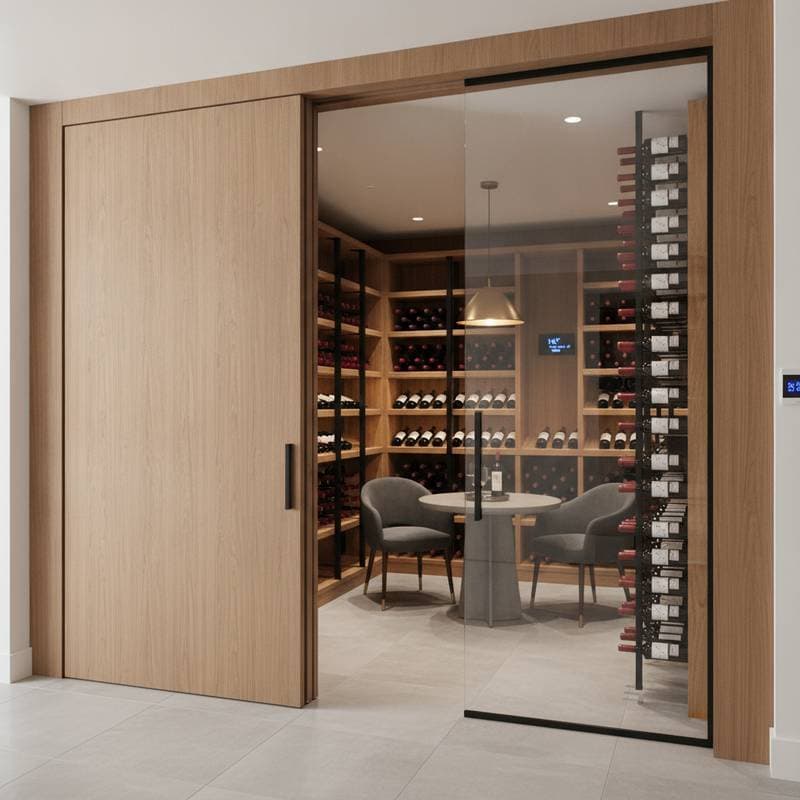
- Glass wall entry, custom racks, and reliable humidity regulation.
- Around $25,000 to $40,000, sized for 500 bottles.
Premium Hidden Room:
- Concealed entry, dedicated climate zone, and finishes such as stone or reclaimed wood.
- $50,000 to $75,000 or higher, configured as a dedicated tasting area.
Selection depends on balancing visual goals with storage needs. A compact space with accurate environmental controls typically retains value more effectively than a larger area with inconsistent conditions.
Project Timeline and Cost Management
Allow 6 to 10 weeks for completion because design reviews and equipment procurement require lead time.
- Schedule work during mild weather periods to limit humidity fluctuations and scheduling setbacks.
- Review local incentives, as certain energy efficient cooling systems may qualify for modest credits.
Order climate control equipment at the outset when supply constraints appear likely, since these components often determine overall project duration.
Ongoing Care and Equipment Coverage
- Clean coils and filters on a six month schedule.
- Check humidity levels weekly using a digital gauge.
- Replace door seals at five year intervals.
- Cooling units commonly include 5 to 10 year warranties, with extensions available when annual service occurs.
Consistent maintenance protects both the collection and the surrounding structure from moisture damage and material degradation.
Preparing for Construction
- Measure the intended space and check for existing moisture or leaks ahead of design work.
- Establish a firm budget that includes a 15 percent contingency for unforeseen repairs.
- Engage a licensed cellar contractor to conduct an on site assessment and provide a detailed scope of work.
- Place orders for climate equipment early to prevent mid project delays.
- Incorporate subtle lighting and access elements at the final stage to avoid damage to finished surfaces.
A well planned hidden wine cellar combines practical storage with lasting aesthetic value. Careful preparation and professional execution ensure the feature enhances daily enjoyment while supporting long term property appeal.