Wine Cellars Add Lasting Home Value
A climate controlled wine cellar ranks among the stronger luxury upgrades for increasing resale value. Homeowners typically invest around 25000 dollars in a properly sized and equipped space. Returns often reach 10 to 15 percent when temperature stability and visual appeal receive equal attention.
Cost Factors
Materials
Insulation and vapor sealing drive the largest share of expenses. Closed cell foam and vapor barriers cost 5 to 10 dollars per square foot. Engineered wood racking averages 40 to 75 dollars per bottle of capacity. Custom hardwood racks reach 150 dollars per bottle. Stone or tile flooring improves durability yet increases the total budget.
Climate Control
A dependable cooling unit ranges from 2000 to 8000 dollars based on capacity and type. Split systems with remote condensers operate more quietly and require professional installation. Humidity control units add another 300 to 600 dollars to protect corks and labels.
Labor
Licensed tradespeople charge 60 to 120 dollars per hour. Framing, electrical work, and HVAC integration usually require 40 to 60 combined hours for a mid size cellar.
Access and Location
Basement installations remain the least expensive option because they stay naturally cool. Above ground conversions demand extra insulation and mechanical systems. Narrow hallways or stairwells increase labor time.
Permits and Code
Projects that involve new electrical lines or walls require permits. Local fees typically fall between 200 and 800 dollars. Licensed electricians must handle all wiring for climate systems.
Add ons
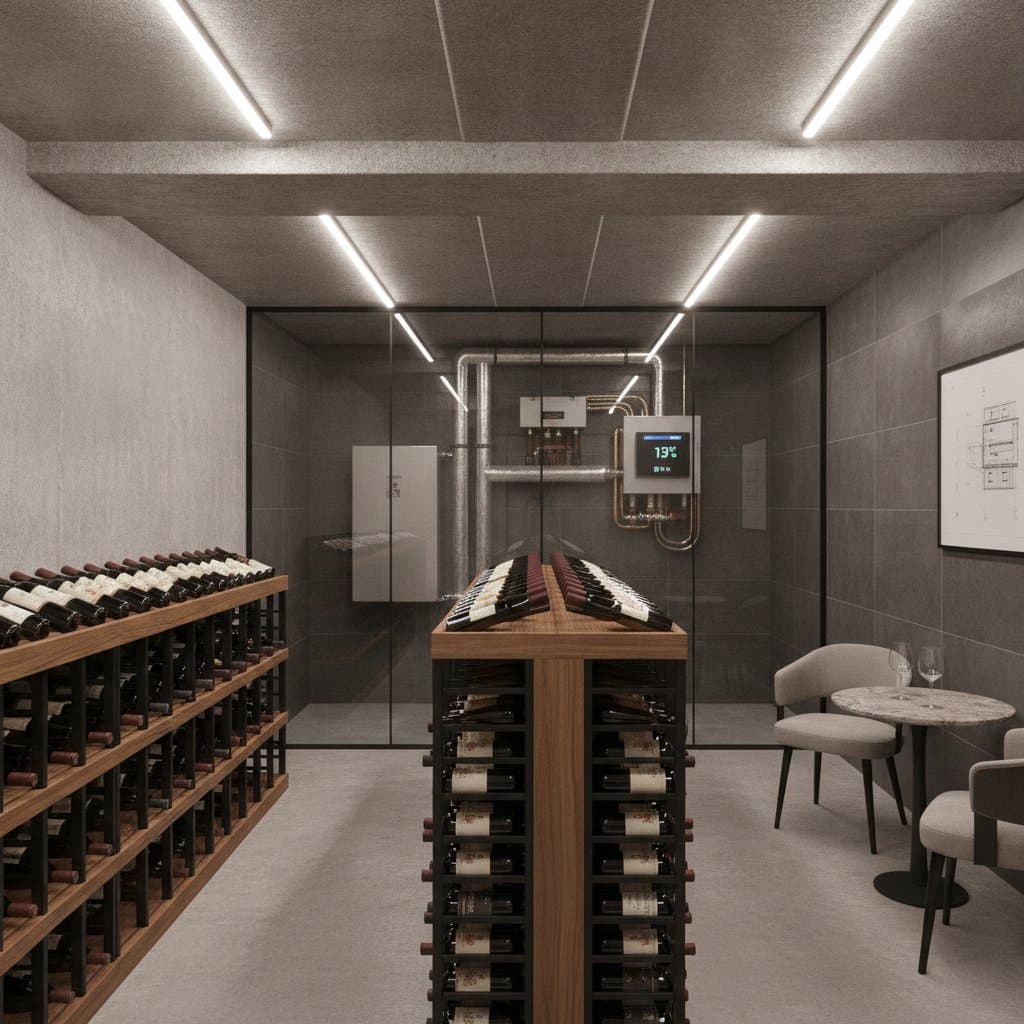
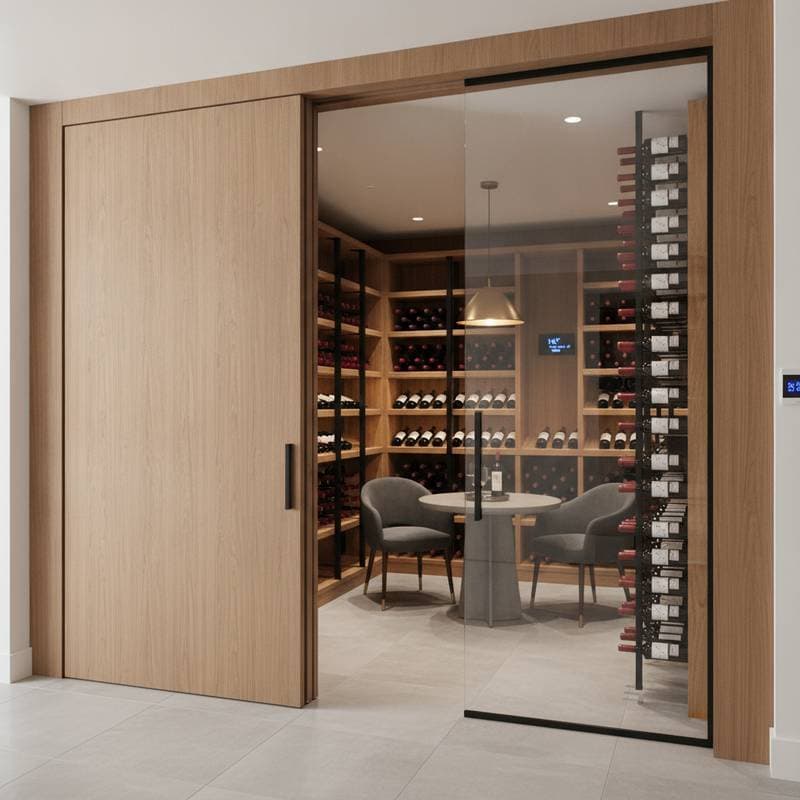
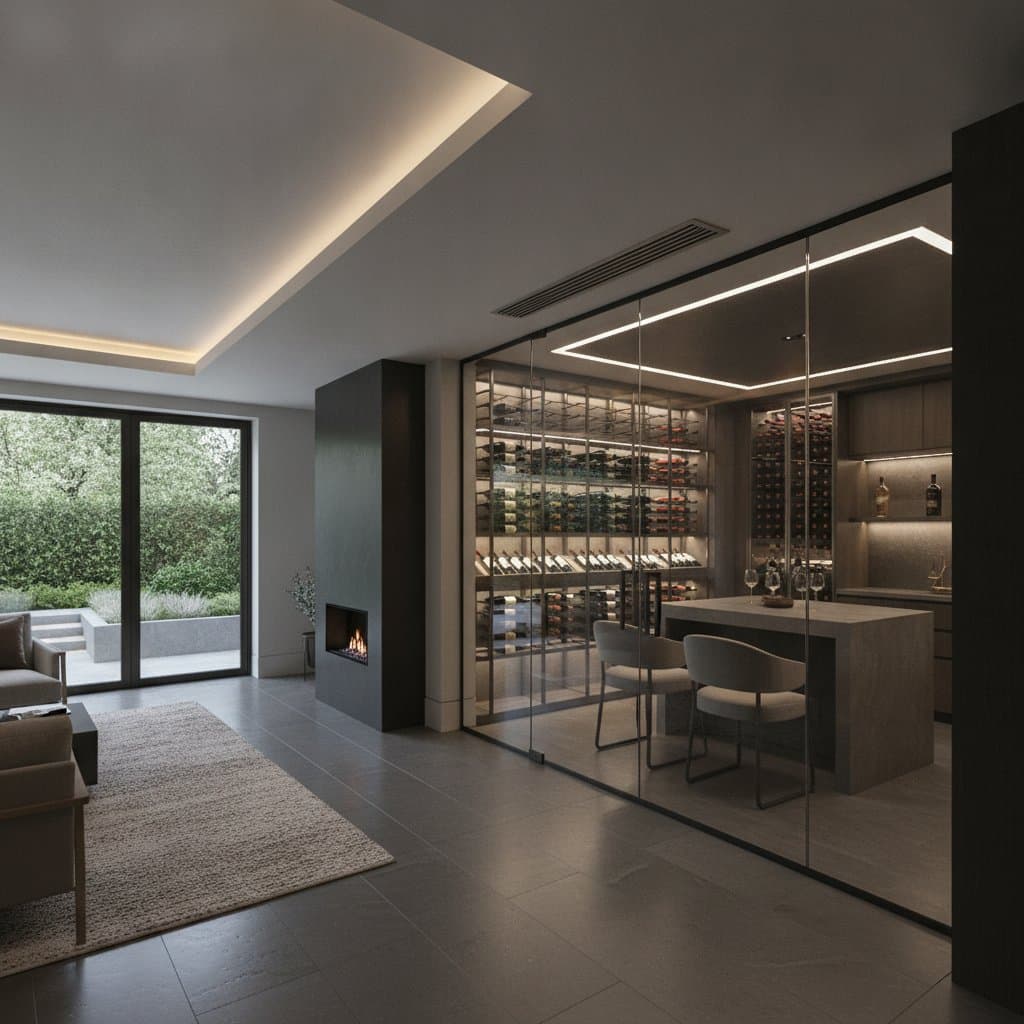
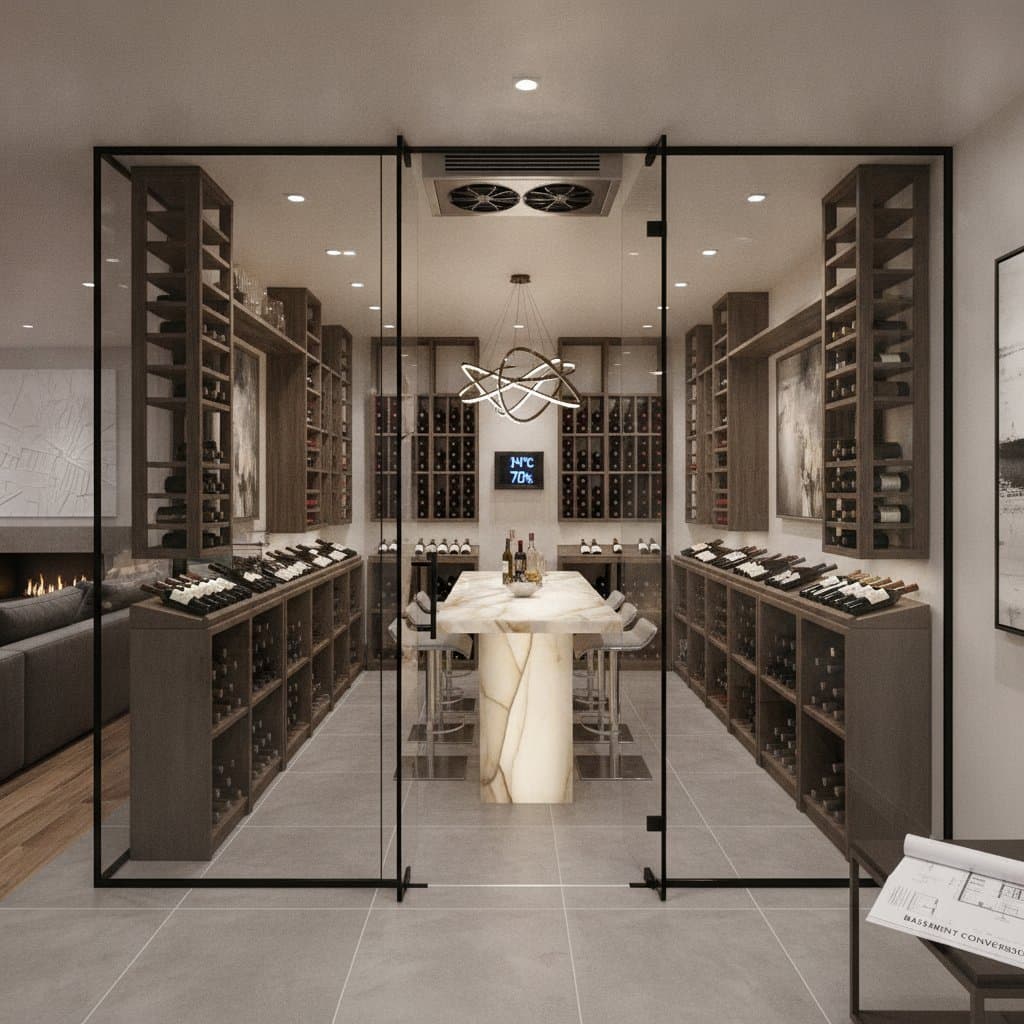
Glass walls, tasting counters, and integrated lighting raise costs by 20 to 40 percent. These features deliver visual impact yet return full value only in luxury market segments.
DIY Versus Professional Installation
When to Consider DIY
Homeowners with carpentry experience can handle framing, insulation, and basic moisture sealing. A moisture meter and vapor barrier tools are essential. Protective gloves, goggles, and an N95 mask protect against foam particles. Circuits should be turned off before any wall work begins.
When to Hire Professionals
Professional installation is recommended when new electrical or HVAC lines are required. Glass walls, split cooling systems, collections larger than 500 bottles, or unfamiliarity with humidity control also justify hiring experts. A poorly sealed cellar risks condensation, mold, and wine spoilage. Certified installers deliver proper temperature and moisture balance. The added 2000 to 5000 dollars in labor often prevents far greater future losses.
Maintenance and Warranties
A well constructed cellar lasts decades with routine care. Monthly checks of humidity and temperature levels are advised. Cooling system filters require replacement every six months. Door and vent seals should be inspected annually.
Typical service costs include 150 to 300 dollars per cooling system visit, 50 dollars annually for humidifier cartridges, and 200 to 400 dollars for rack resealing every five years. Cooling unit warranties usually cover five to ten years. Extended coverage provides added security for premium systems. Service records support future resale claims.
Safety Checks
Power must be shut off before cutting or wiring. Protective gear including gloves and goggles is required. Existing moisture levels should be measured with a hygrometer before sealing walls. Fire rated insulation is necessary in basement conversions. Adequate ventilation prevents fume buildup during sealant application.
Planning Steps
Measure available space and determine target bottle capacity before ordering materials. Obtain two or three detailed quotes that specify insulation type, cooling equipment, and rack materials. Compare warranty terms alongside price. Secure permits before construction begins. Schedule work during stable weather to limit humidity fluctuations. Retain all service contacts and warranty documents for ongoing care.