Terracotta Interiors That Boost Home Values in 2026
Typical gain: 5 to 10 percent higher resale value when warm terracotta finishes are used strategically.
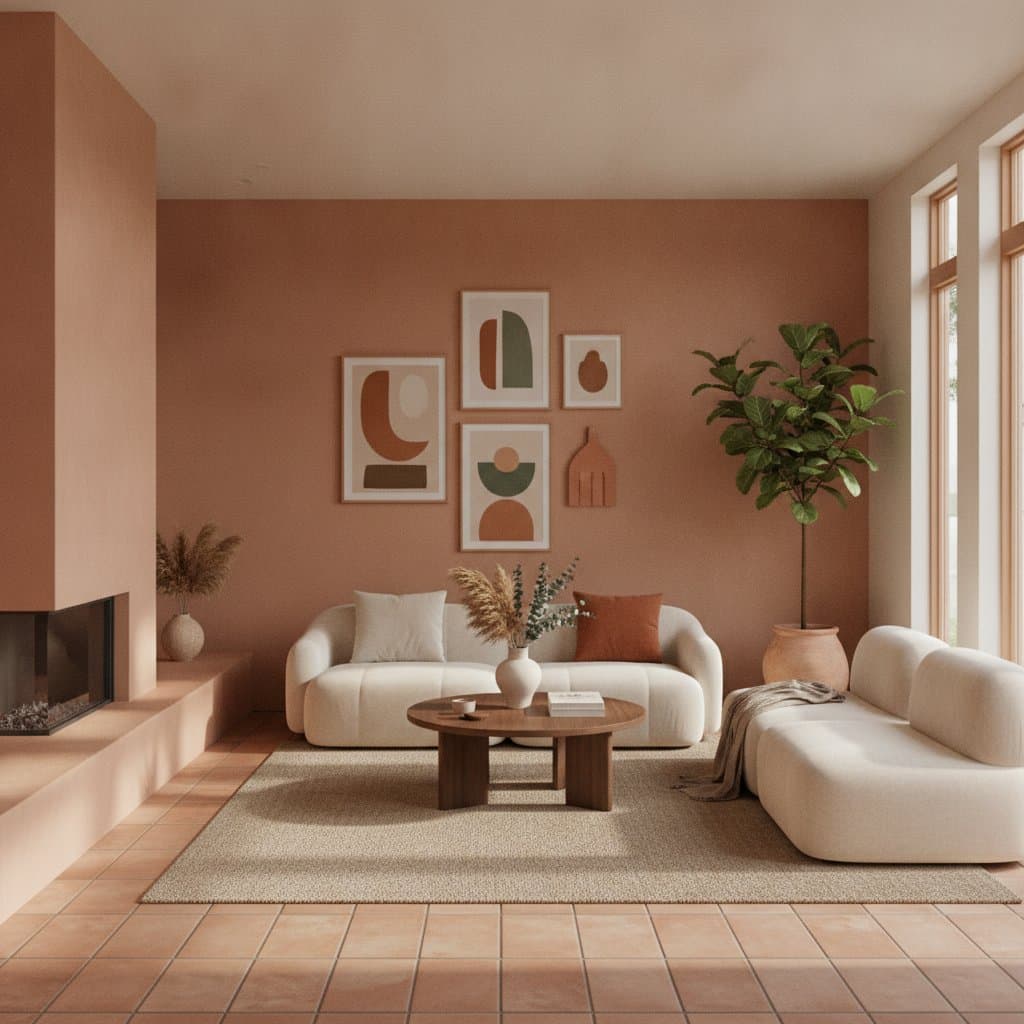
Terracotta interiors are returning as a top home trend. The look blends natural clay tones with modern finishes. It creates warmth that buyers connect with. When applied correctly, terracotta can lift both comfort and property value without breaking your budget.
Cost Factors
1. Material Type
Terracotta comes as tile, plaster, or pigment.
- Tiles: 5 to 15 dollars per square foot installed.
- Plaster finishes: 2 to 8 dollars per square foot.
- Paint with clay pigment: 1 to 3 dollars per square foot.
2. Labor
Expect 40 to 60 percent of total cost to go to skilled labor. Trowel work and sealing need experience.
3. Size and Design
A single accent wall can stay near 2,000 dollars. Full rooms with tile floors and matching trim can reach 10,000 to 12,000 dollars.
4. Access and Prep
Old drywall, uneven subfloors, or moisture issues can add 500 to 2,000 dollars. Clay products need stable, dry surfaces.
5. Sealants and Finishes
Matte sealers cost less and keep the raw look. Gloss coatings resist stains but need reapplication every few years.
DIY vs Pro
DIY Options
- Painting with clay-based pigment or limewash.
- Simple plaster touch-ups or sealing existing terracotta tiles.
- Tools: trowel, sponge, safety goggles, gloves, and drop cloths.
- Risk: uneven texture or streaking if surfaces are not prepped evenly.
Hire a Pro When
- Installing terracotta flooring or tadelakt-style walls.
- Working in baths or kitchens where moisture control matters.
- You need to cut or fit tiles around plumbing or corners.
Why It Matters
Professionals ensure even thickness, correct curing, and sealed finishes that protect for decades. Poor DIY work can flake or absorb moisture, cutting life in half.
Timing and Savings
Plan for 2 to 6 weeks depending on material delivery and curing. Imported tiles or handmade finishes can add 1 to 2 weeks of lead time.
Best time to start is early dry season. Clay sets better in low humidity. Avoid freezing or damp conditions.
Save money by using clay paint instead of tile in low-traffic areas. Mix terracotta tiles with neutral ceramic on floors. Buy local or reclaimed tiles to reduce freight costs. Budget 10 to 15 percent for surprise prep work in older homes.
Some local programs reward low-VOC finishes or sustainable materials. Check green building rebates before starting.
Market Value and Buyer Appeal
Buyers are drawn to terracotta interiors because they feel grounded and natural. The color connects with the earth tone trend that continues to shape interior choices. Real estate agents report that homes with warm, textured finishes sell faster than stark white spaces.
Value Drivers:
- Natural materials read as premium and sustainable.
- Warm tones photograph well for listings.
- Textured surfaces hide wear better than glossy paint.
Expect a 5 to 10 percent lift in resale value when terracotta is used in main living areas or kitchens. Bathrooms and entryways rank next for return potential.
Avoid overdoing it. Too much terracotta can darken small spaces. Combine it with pale flooring or light trim for balance.
Next Steps for Installation
Start small. Try a terracotta accent wall or clay pigment paint to test the light in your space. If you love the warmth, move to flooring or plaster upgrades.
Follow this simple path:
- Inspect your surfaces for cracks or moisture.
- Set a budget with 10 percent cushion for prep or sealers.
- Choose materials available within your region to avoid delays.
- Schedule work during a dry period for the best curing results.
- Seal and protect once installed, then enjoy the steady color shift that makes terracotta unique.
Terracotta interiors reward patience. They age beautifully, require only basic upkeep, and add market value by blending tradition with modern comfort. Plan carefully, hire skilled help where needed, and your home will carry a warmth that lasts for decades.