Scandi-Coastal Fusion Fuels 2026 Design Market Growth
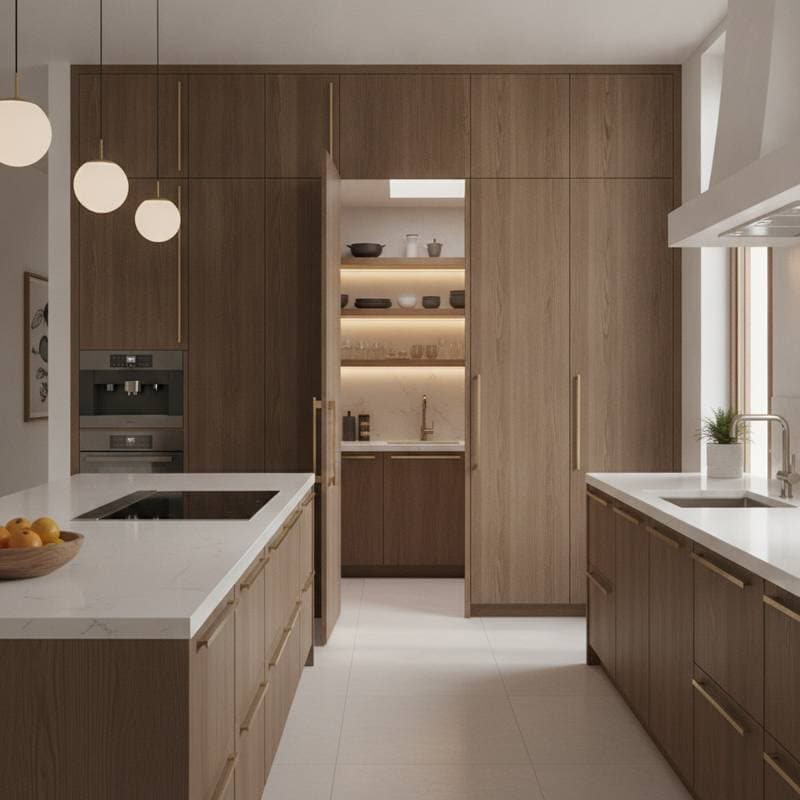
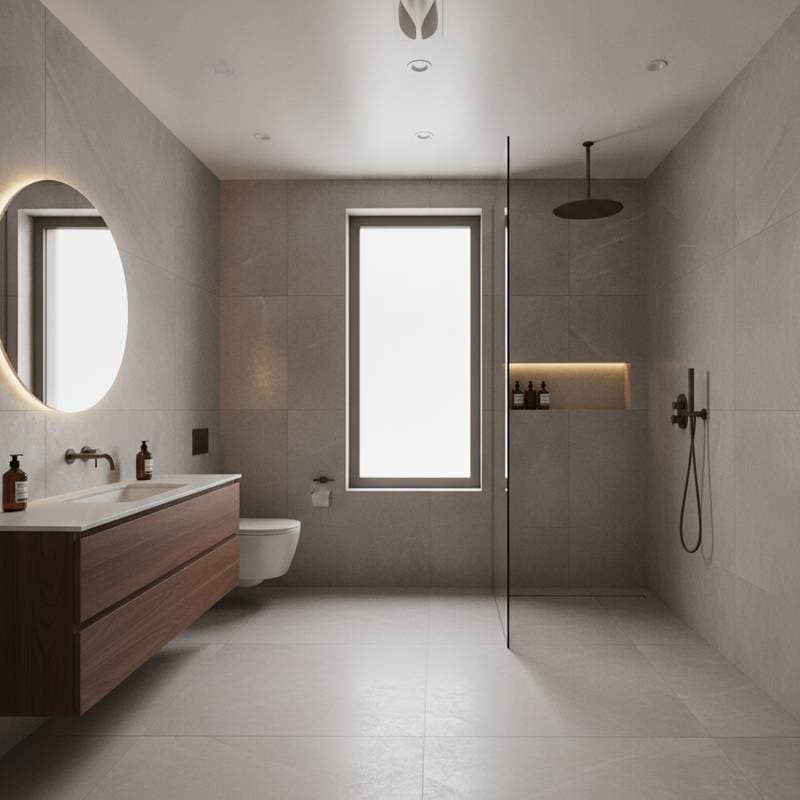
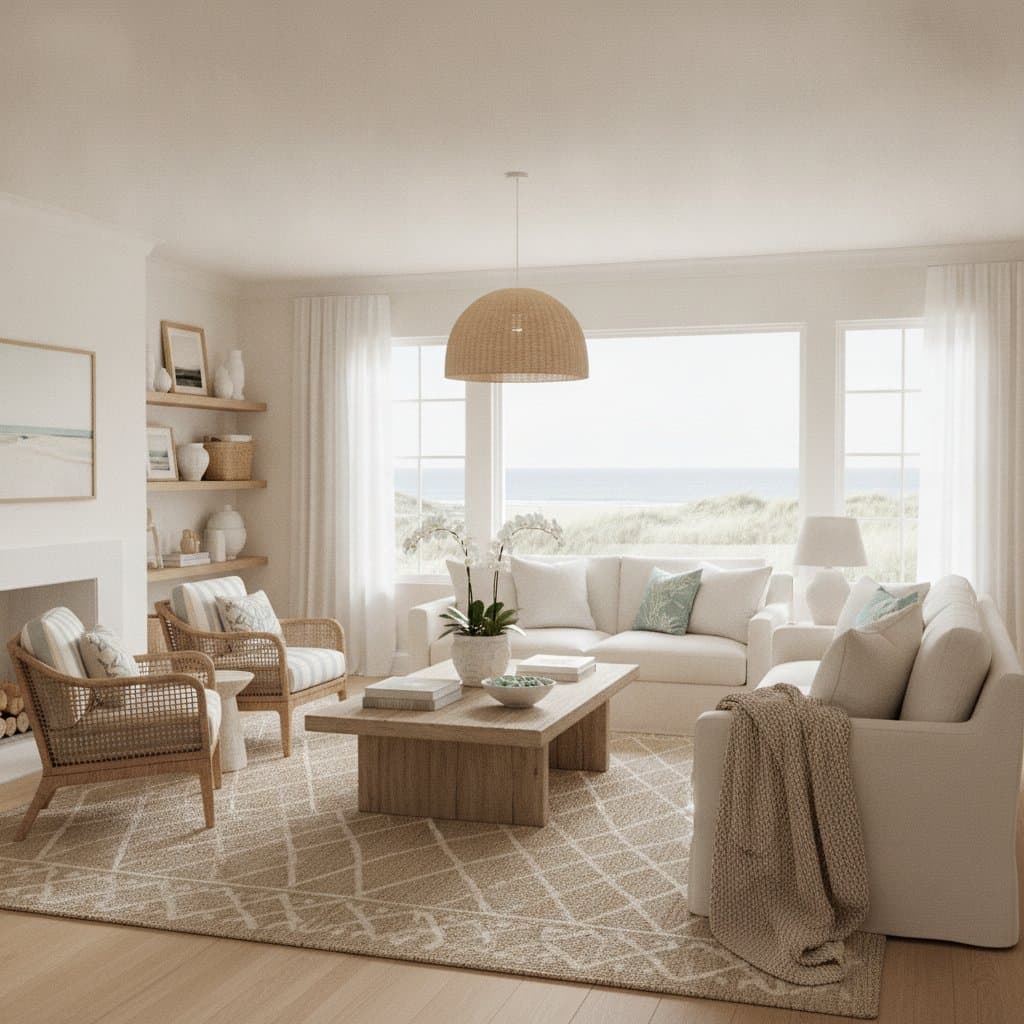
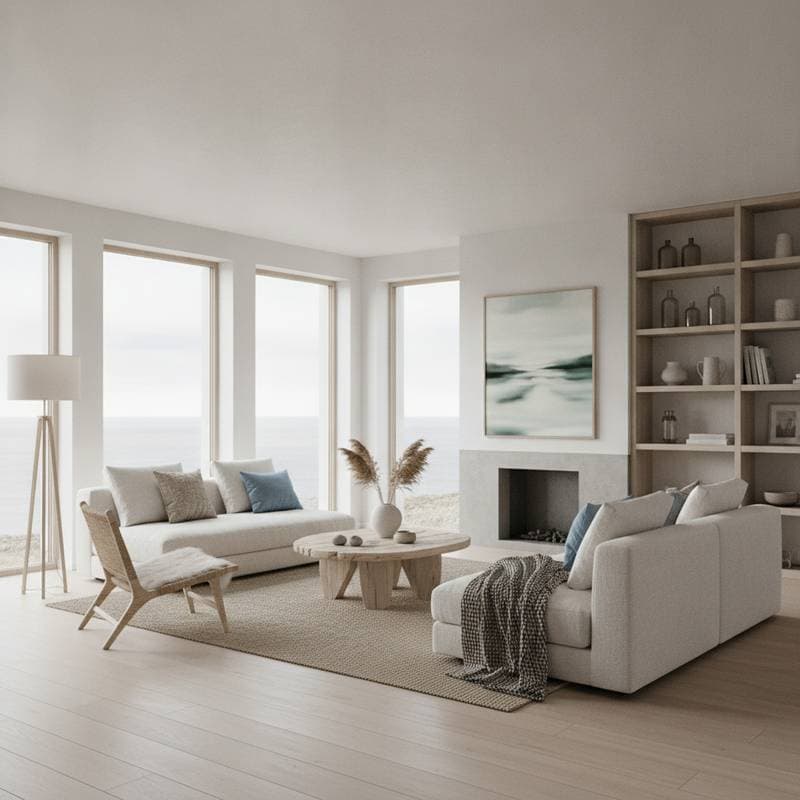
The Scandi-Coastal trend redefines interior design by blending Scandinavian simplicity with coastal warmth. The result is calm, natural, and easy to live with. Expect lighter woods, soft blues, organic textures, and open spaces that feel restorative.
This hybrid style appears in homes, retail spaces, and hospitality settings because it delivers comfort without clutter. Clean Nordic lines meet breezy seaside elements. The approach remains modern yet relaxed. Designers apply it successfully in small city apartments and large beach houses.
Market Drivers Behind the Trend
Buyers seek calm after years of maximalism and bold colors. Scandi-Coastal design meets that need with peaceful rooms that feel restorative. The style photographs well for social media while performing better in daily life.
Designers note that the fusion aligns with current living preferences. It emphasizes sustainable, practical, and timeless qualities. Materials last longer, and the palette resists dating. Retailers and developers adopt it to reach younger buyers who favor minimalism alongside older homeowners who want warmth.
The trend adapts easily to different locations. In colder regions, designers emphasize wool throws and matte finishes. In warmer climates, they highlight lighter fabrics and outdoor connections. This flexibility supports growth in the global design market.
Cost Guide for Adopting the Look
| Task | Typical cost | What affects price |
|---|---|---|
| Paint and wall prep | $1.50 to $3 per sq. ft. | Size of space, surface condition |
| Flooring (light wood or tile) | $6 to $18 per sq. ft. | Material type, installation complexity |
| Lighting upgrades | $150 to $700 per fixture | Style, brand, electrical work |
| Furniture and decor | $3,000 to $10,000 per room | Quality, designer vs retail |
| Professional design consultation | $500 to $3,000 | Scope of project, hourly vs flat fee |
Prices vary by region. Costs increase with imported materials or custom furniture. Budgets stay manageable when high-end accent pieces pair with affordable core items from local stores.
DIY Approach Versus Professional Help
Choose DIY when updating one or two rooms, when painting and furniture assembly appeal, and when color and texture choices feel confident.
Hire a professional when renovating multiple rooms or altering layouts, when lighting plans or built-in storage require expertise, and when a consistent look across the home matters. A designer balances proportions and materials while sourcing eco-friendly finishes that match the palette.
Tools and Materials Checklist
- Paint roller, brush, and tray
- Sandpaper and primer
- Tape measure and level
- Light wood flooring or neutral tile
- Sheer curtains or blinds
- Area rug with natural fibers
- Accent pillows in linen or cotton
- Rattan or wicker basket for texture
- Soft overhead lighting with warm bulbs
Begin with walls and floors, then add layers of comfort gradually.
Regional Notes and Climate Considerations
In humid coastal areas, apply moisture-resistant finishes to floors and cabinetry. Select sealed oak or engineered wood. Avoid untreated pine that can warp.
In colder climates, layer thicker textiles and warm lighting to counter natural cool tones. In tropical zones, prioritize airflow with ceiling fans and open shelving.
Local codes may require permits for electrical or structural work. Verify requirements before starting rewiring or wall removal.
Adaptations by Developers and Retailers
Developers apply Scandi-Coastal palettes in new builds to attract buyers seeking move-in-ready calm. Retailers expand lines with light wood furniture, woven accessories, and sustainable textiles. Furniture makers provide modular designs suited to smaller spaces while preserving an open feel.
Hospitality brands adopt the style in hotels and short-term rentals. The neutral, restful backdrop photographs effectively and appeals to travelers who want a peaceful stay.
Sustainability and Sourcing Practices
The style supports sustainable design through its focus on quality over quantity. Furniture often uses FSC-certified wood, and fabrics come from organic or recycled sources. Minimalist choices reduce overall product volume and waste.
Shop with local artisans and small makers who apply natural finishes. Limit decoration to maintain calm simplicity.
Practical Tips for Execution
Keep every surface purposeful. Skip items that serve no function or add no comfort. Mix soft and hard materials such as linen cushions with a stone table. Choose matte finishes for walls and furniture to reduce glare. Add one statement piece per room, such as a sculptural lamp. Use plants sparingly with a single large palm or olive tree.
Common Questions
What colors define Scandi-Coastal design? Mostly whites, beiges, and soft blues with touches of gray and sand tones.
Can Scandi-Coastal style work in small spaces? Yes. Light colors and simple lines make small rooms feel larger.
Is this style expensive to achieve? It can remain affordable. Focus on paint, light, and texture before major furniture purchases.
Maintaining the Aesthetic Over Time
Refresh the look seasonally by rotating textiles and adjusting lighting. Inspect wood finishes annually for wear. Source replacement pieces that match existing tones to preserve cohesion without added clutter.