AI Color Matching Revolutionizes 2026 Home Designs
AI color matching changes how homes receive new paint. The technology identifies optimal shades quickly, accounts for specific lighting conditions, and forecasts long term color performance. Homeowners achieve fewer errors and stronger design outcomes as a result.
Core Functions of AI Color Matching
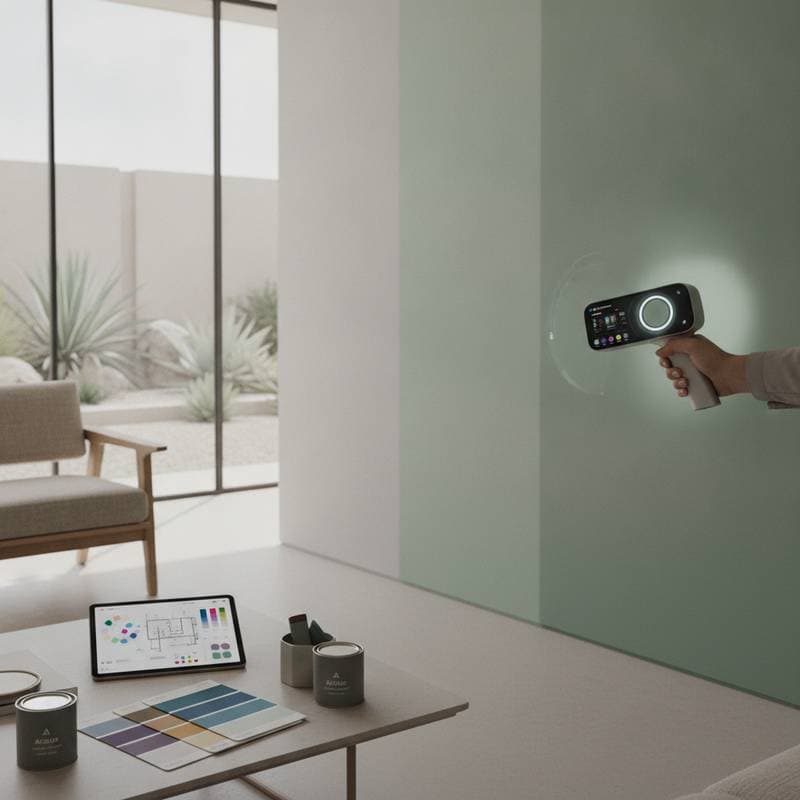
AI color matching applies computer vision and sensor data to evaluate room conditions. The system examines light intensity, surface materials, and current color schemes. It then proposes paint options aligned with the home style and desired atmosphere. Users scan walls or fabrics to generate matching palettes.
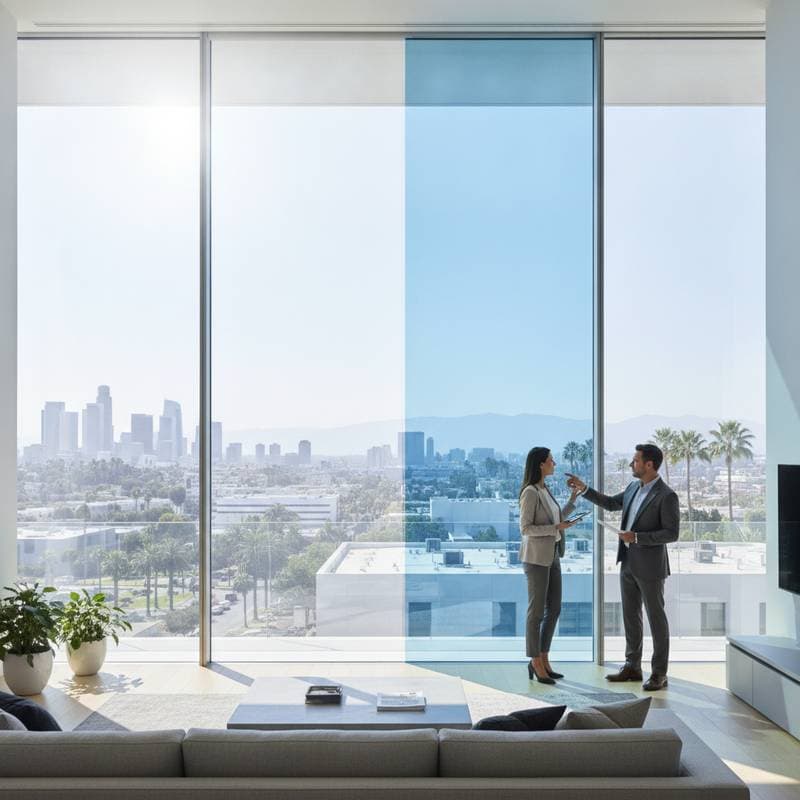
The process relies on analysis of extensive color data and design patterns. It detects subtle shifts, such as tone changes from morning sunlight or effects from LED fixtures on neutral paints.
Steps for Home Application
- Scan surfaces with a smartphone app or sensor device directed at walls, floors, and furnishings.
- Submit reference images of fabrics, artwork, or other elements for tone extraction.
- Select a theme such as calm, energetic, or simple to guide palette adjustments.
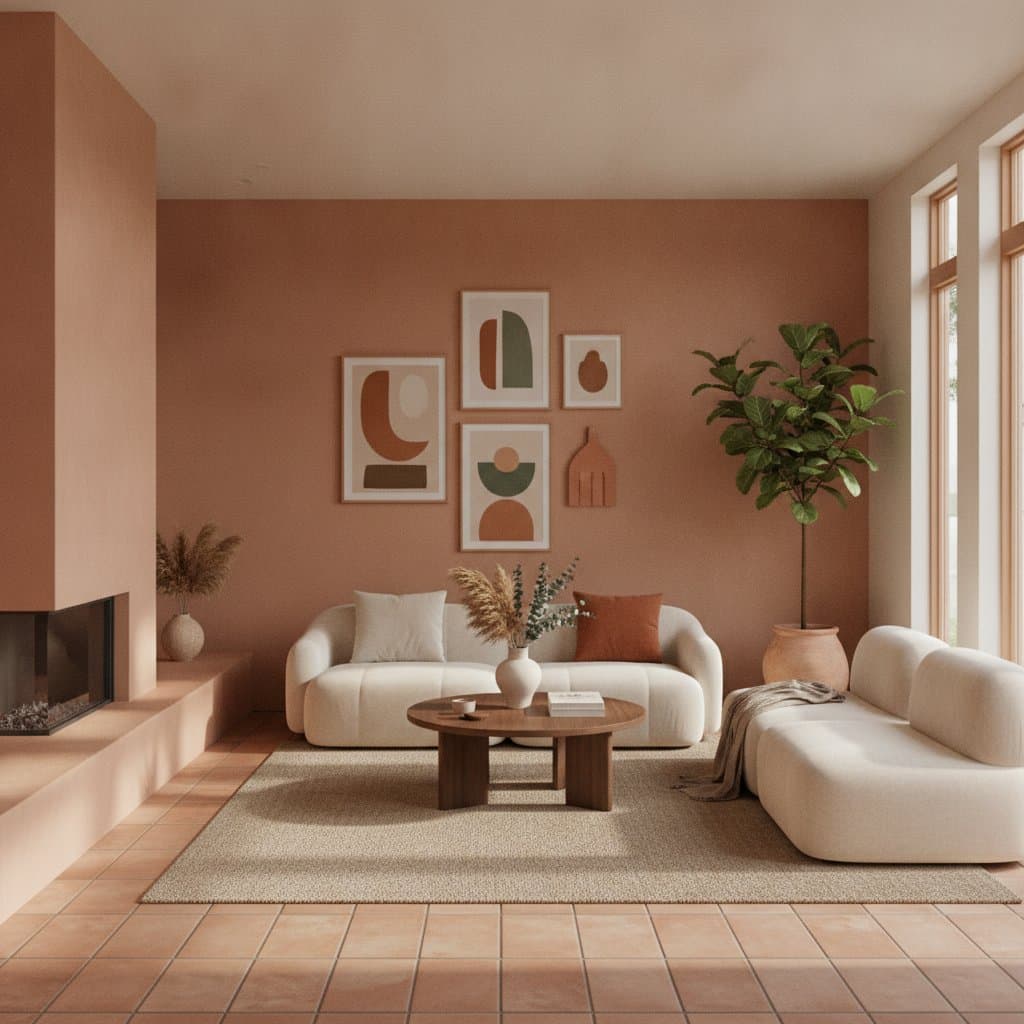
- Review digital room simulations that display proposed colors in context.
- Request physical samples through connected suppliers for real world verification.
Repeated scans allow progressive refinement of the final selection.
Cost Overview
| Task | Typical cost | Factors influencing price |
|---|---|---|
| App or software | Free to $50 | Access to premium options and device connections |
| Color sensor device | $60 to $150 | Level of precision and smart home compatibility |
| AI design consultation | $100 to $300 | Extent of customization and rendering detail |
| Paint purchase | $40 to $90 per gallon | Manufacturer, sheen type, and location |
Costs differ by area. Mobile apps keep expenses low while professional services increase investment.
Project Timeline
A complete color analysis requires less than one hour for most users. Sample testing and actual application extend the overall duration. Preparation, painting, and drying for one room typically span one to two days. Professional assistance can compress the schedule at added expense.
Decision Factors for DIY or Professional Help
Proceed independently when color selection and sample testing appeal directly. This approach suits those with available time and preference for low cost digital tools.
Engage professionals for extensive remodels, multi room coordination, or exact lighting analysis. Experts apply advanced calibration systems and verify compliance with neighborhood guidelines.
Required Equipment
- Smartphone equipped with a compatible color application
- Optional dedicated color sensor
- Physical paint samples
- Painter tape and protective cloths
- Adequate lighting during evaluation
Perform scans under consistent bright light to maintain accuracy. Dim or tinted conditions can alter readings.
Advantages Reported by Users
The tools eliminate repeated guesses among similar shades. Predictions incorporate natural and artificial light sources along with texture and floor influences. Reduced paint waste supports more sustainable choices, and some platforms suggest low emission formulas automatically.
Designer Perspectives
Professionals view the technology as support for data handling and pattern detection. Designers retain focus on emotional and stylistic elements. Projects maintain consistency more readily across spaces when both capabilities combine.
Safety and Regulatory Points
Maintain ventilation during application and use appropriate respiratory protection with oil based products. Dispose of remnants according to local requirements. Older properties require lead testing prior to surface disturbance. AI recommendations can favor safer formulas, yet physical handling remains the responsibility of the user.
Adjustments for Location and Environment
Light conditions vary by region and affect color appearance. Coastal brightness may fade soft tones while shaded northern settings enhance warmer hues. Modern systems incorporate humidity and elevation data to anticipate finish durability.
Exterior color selections may require approval in some communities. Interior work faces fewer restrictions.
Situations Requiring Professional Support
Seek expert assistance when test results deviate from expectations or lighting patterns prove complex. High ceilings and exterior surfaces also benefit from specialized equipment and skills that align with AI generated plans.
Practical Recommendations
Apply at least three samples to the actual wall surface. Observe them across multiple times of day. Capture images of the tests to compare against system forecasts. Record selected color codes for future maintenance.
Rerun the analysis after changes to lighting or flooring. Minor reflective shifts can influence final appearance.
Common Questions
How accurate is AI color matching? Most calibrated systems exceed 90 percent accuracy under neutral lighting.
Can AI color matching extend to furniture and decor? Many applications support fabrics, tiles, and wood surfaces.
What lighting conditions suit scanning best? Neutral natural light produces reliable results. Colored bulbs or tinted glass should be avoided.
Integrating AI Tools into Your Project
AI color matching removes uncertainty from paint decisions. The approach reduces material waste and supports confident selections before any purchase.