UV Blocking Smart Glass: Protecting Interiors and Enhancing Comfort
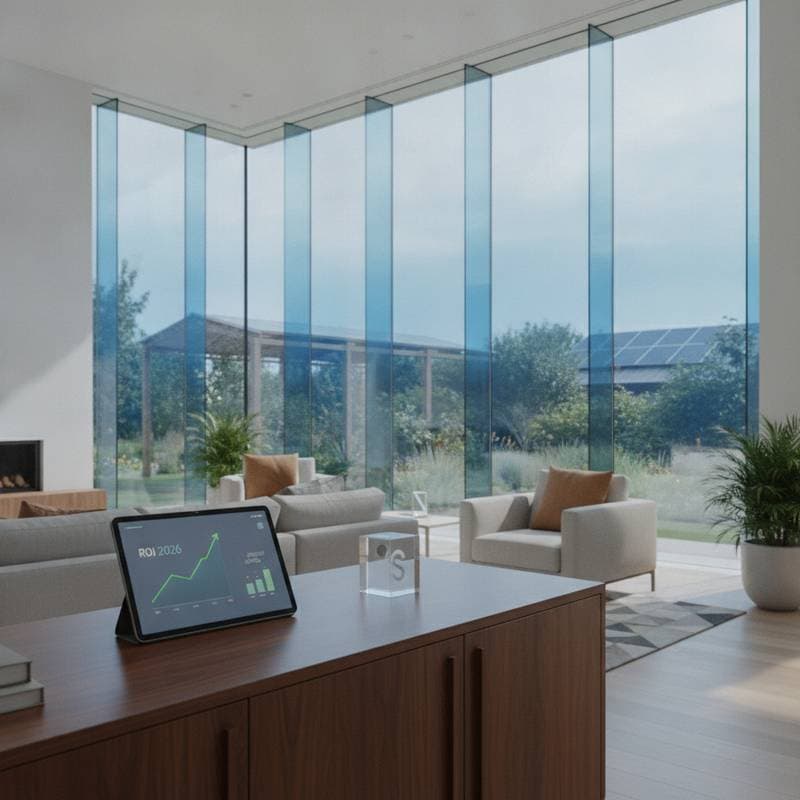
UV blocking smart glass offers homeowners a way to reduce fading, control glare, and manage heat gain without relying on curtains or permanent tinting. The technology uses switchable coatings or films that adjust light transmission, and many products block ultraviolet radiation whether the glass appears clear or tinted. Property reports sometimes cite value increases up to 11 percent, though actual returns depend on location, installation quality, energy performance, and local buyer preferences.
Installation Costs and Budget Planning
Professional installation of smart glass windows typically ranges from $50 to $150 per square foot. This price includes the glass itself, wiring, controls, and labor. A typical residential project covering 150 to 300 square feet usually falls between $8,000 and $35,000. Smaller installations may cost less, while custom architectural applications can exceed $50,000.
Several factors influence the final price. Large or unusually shaped panes require custom fabrication. Electrical requirements such as new circuits, switches, or concealed wiring add expense. Existing frames in poor condition need repair before new units can be installed. Advanced control features like automatic sensors and home automation integration increase costs further. Labor rates also tend to be higher in major metropolitan areas.
Performance Benefits
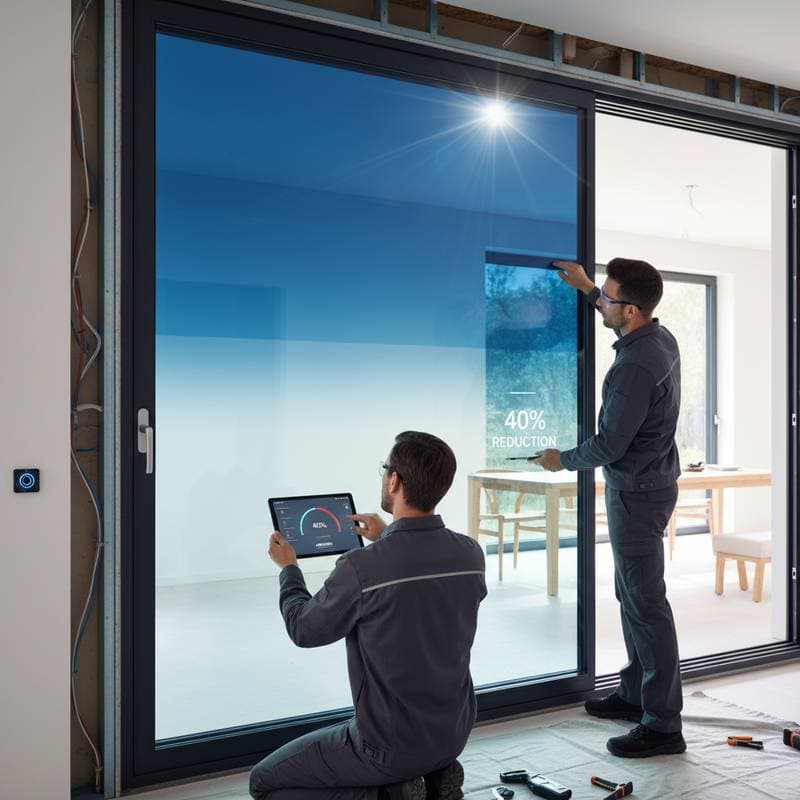
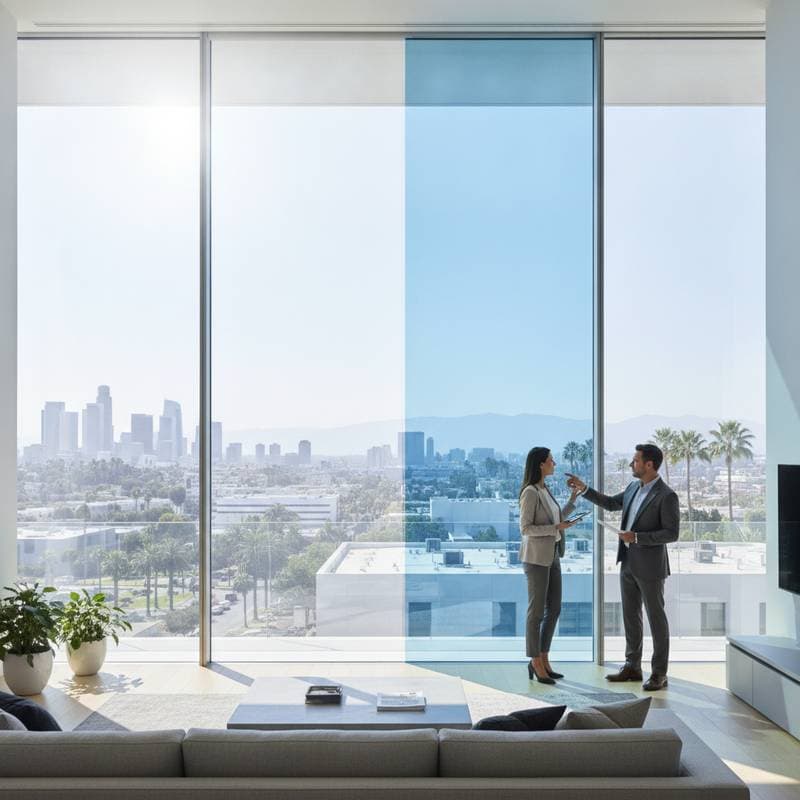
UV blocking smart glass protects interior surfaces from fading. Floors, artwork, rugs, and furniture maintain their appearance longer when shielded from ultraviolet exposure. The same technology reduces solar heat gain, which minimizes hot spots near windows and can improve overall room comfort.
Glare control represents another practical advantage. Tinted settings make it easier to view television screens and computer monitors without closing blinds or repositioning furniture. Some products also enhance privacy by reducing visibility from outside during daylight hours. These combined features can distinguish a property during resale, particularly when buyers prioritize energy efficiency and modern amenities.
Potential Limitations
Smart glass carries higher upfront costs than standard low emissivity windows. Many systems require electrical connections and occasional maintenance. Some products provide stronger UV protection only when tinted, while others block ultraviolet radiation in both clear and darkened states. Replacement parts may come from limited supplier networks, which can complicate future repairs.
Value appreciation is not guaranteed. Some buyers prefer simpler window systems with lower purchase prices. The 11 percent figure should be viewed as a possible market benefit rather than a promised return. Appraisers evaluate the complete package, including energy performance, appearance, overall condition, and neighborhood demand.
Available Technologies
Electrochromic glass responds to a low voltage signal that shifts the pane from clear to tinted. This option suits large windows and whole room solar control applications. Liquid crystal glass switches between clear and opaque states when powered, offering privacy but potentially less heat control than tinted electrochromic systems.
Suspended particle device glass adjusts light transmission quickly as voltage changes. This technology fits projects requiring variable tint levels and responsive controls. Smart window film provides a lower cost alternative by attaching to existing glass, though results depend on the current pane condition, film quality, and installation precision.
Professional Installation Process
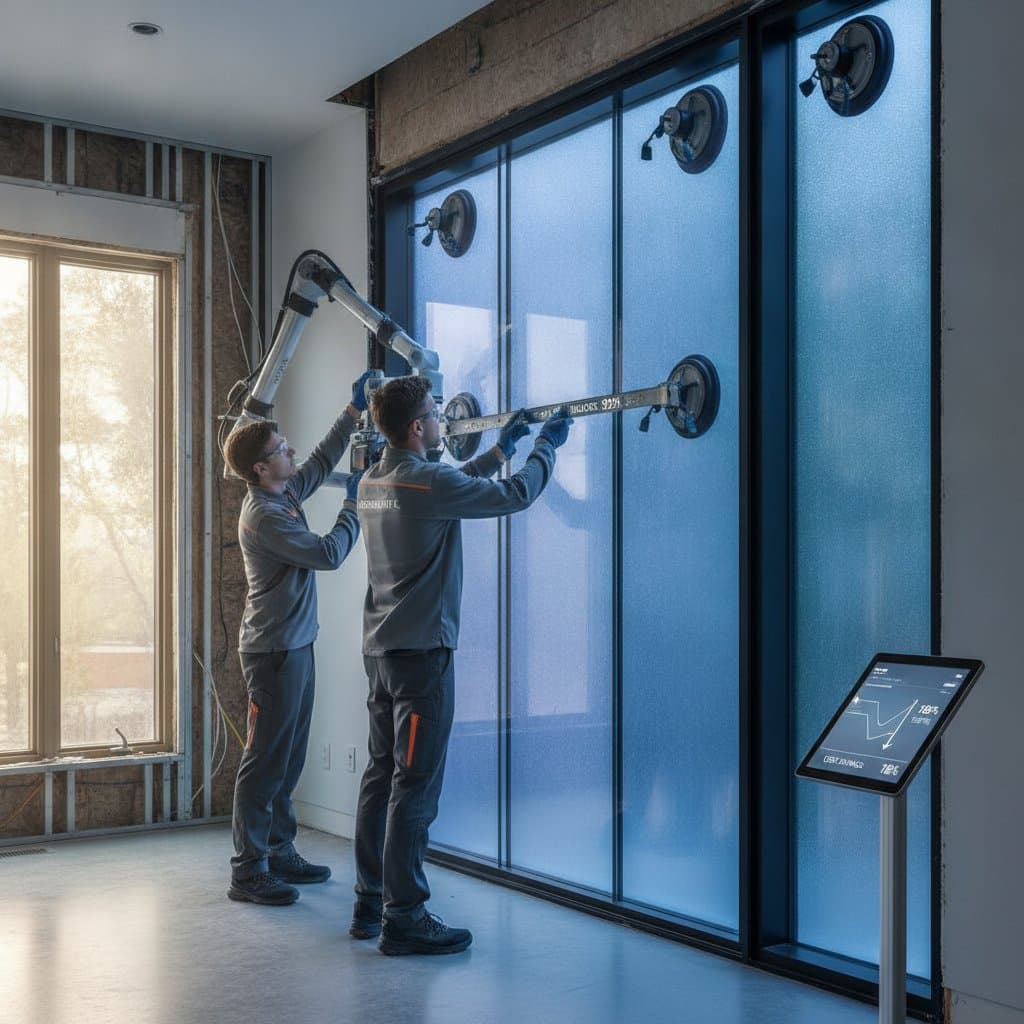
Smart glass installation requires professional expertise for most homeowners. A basic film application might suit experienced do it yourselfers, but errors can produce bubbles, edge lifting, uneven tint, or damaged wiring. Professionals measure each opening, assess frame condition, select compatible controls, and connect systems safely.
Installation typically takes one to three days for moderate projects. Custom fabrication may extend this timeline. Licensed electricians should handle new circuits, concealed wiring, or automation connections. The process follows a logical sequence from initial assessment through final testing.
Installation Steps
- Identify rooms experiencing glare, fading, heat gain, or privacy issues.
- Measure each window and inspect frames, sills, walls, and surrounding finishes.
- Compare full smart glass systems with smart film options and high performance low emissivity glass.
- Request itemized bids that separate materials, electrical work, controls, permits, and cleanup costs.
- Verify UV blocking performance and request test data from manufacturers.
- Approve shop drawings, glass specifications, control locations, and automation settings.
- Remove existing units carefully while protecting floors during new glass or film installation.
- Test all controls, inspect seals, and obtain product manuals with warranty documentation.
- Clean the work area and record installer and product information for future reference.
Maintenance Requirements
Clean smart glass using a soft cloth and manufacturer approved, nonabrasive cleaner. Avoid ammonia based products unless product instructions specifically permit their use. Inspect seals and edge conditions during routine window cleaning.
Monitor for clouding, uneven tint, delayed switching, flickering controls, moisture between panes, and damaged wiring. Insulated glass units often last 15 to 30 years, though electronic components and films may require earlier replacement. Warranty coverage varies by glass type, coating, control system, and labor terms. Retain all documentation after installation.
Alternative Solutions
Low emissivity glass provides steady heat control at lower cost but cannot change tint or privacy settings. Solar control film offers UV protection at reduced expense, though it may affect appearance and void existing warranties. Exterior shades block heat before it reaches the glass, but they require adequate space and regular maintenance. Interior shades or curtains provide flexible glare control with minimal electrical work, though they do not protect every surface equally.
Regional Considerations for Southern California
Southern California homes face intense sunlight, glare, and cooling demands, particularly on west and south exposures. Coastal locations require corrosion resistant hardware and careful seal selection. Older Los Angeles properties may have undersized electrical panels, fragile frames, or historic design restrictions.
Local building departments often require permits for window replacement, electrical modifications, or alterations to historic properties. Energy codes can influence glass selection. Contractors should explain how proposed units meet local energy requirements and whether solar heat gain coefficients suit each room.
Resale Value Considerations
Smart glass can support resale value when it improves comfort, reduces glare, protects expensive finishes, and presents clean installation quality. The 11 percent figure should not drive project decisions alone. Buyers often value documented energy performance more than technology labels.
Maintain invoices, energy data, warranty papers, and product specifications. These records help appraisers and buyers understand the upgrade scope. The strongest financial case usually involves installing smart glass in problem areas such as large living room windows, home offices, and rooms containing valuable furnishings.
Safety Guidelines
Avoid cutting into walls for wiring without first checking for electrical, plumbing, and structural hazards. Use licensed electricians for line voltage work. Do not alter tempered or laminated glass on site. Glass panels are heavy and can cause severe injuries when handled without proper equipment.
Planning Your Project
Begin by assessing which windows create the most significant comfort or protection issues. Compare smart glass costs against alternative solutions for each location. Request detailed proposals from multiple qualified contractors. Verify that selected products meet local energy codes and UV blocking requirements. Schedule installation during periods that minimize disruption to daily routines.