Cork Flooring Boosts Home Value by Six Percent
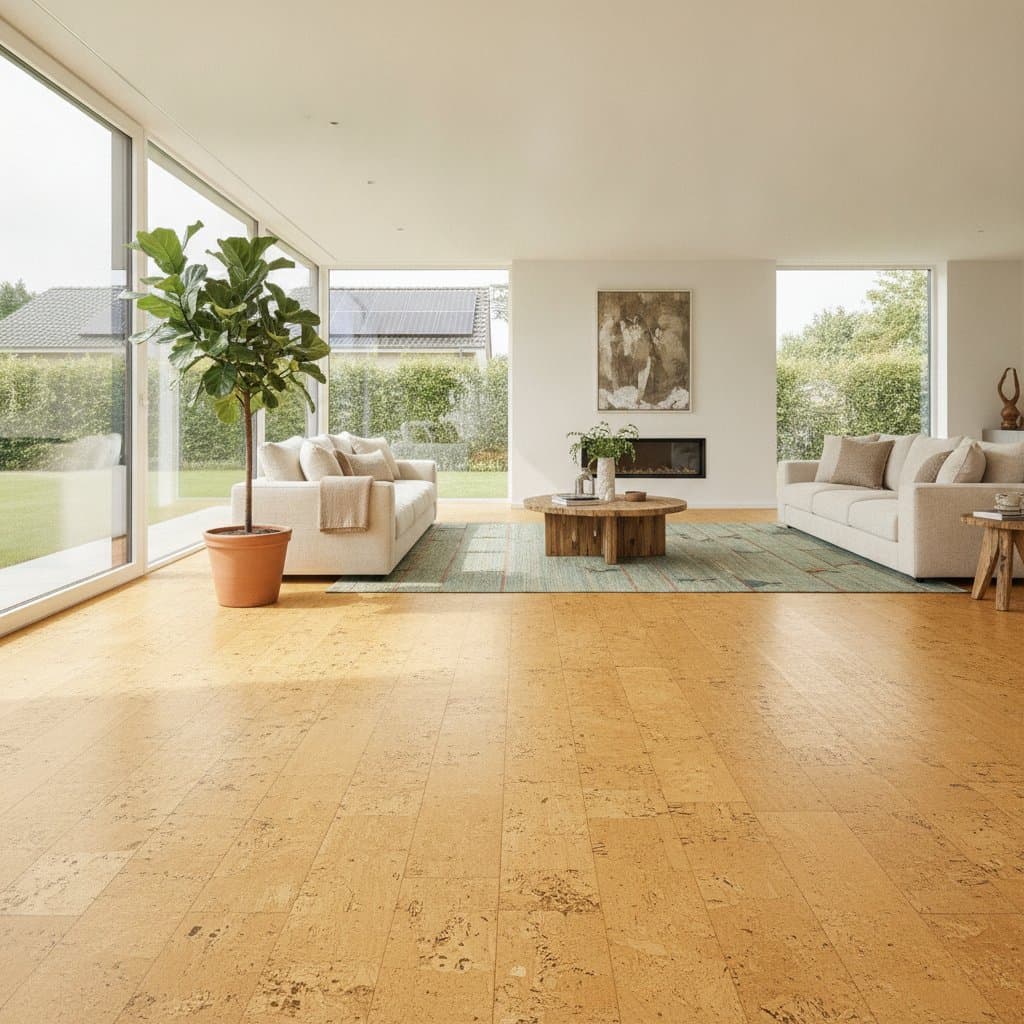
Cork flooring comes from the bark of cork oak trees. This renewable material creates a soft and quiet surface that appeals to many homeowners. It provides natural insulation and supports better energy efficiency in living spaces.
Homeowners select cork for bedrooms, offices, and kitchens when proper sealing is applied. The material suits those who seek sustainable options that maintain comfort and design options.
Advantages and Limitations
Advantages
- Increases resale value through appeal to buyers focused on sustainable features.
- Provides a cushioned feel that reduces fatigue during extended standing.
- Delivers strong insulation that helps maintain consistent room temperatures.
- Absorbs sound to create quieter indoor environments.
- Comes from a renewable source harvested without damage to the trees.
Limitations
- Requires proper sealing to resist moisture damage.
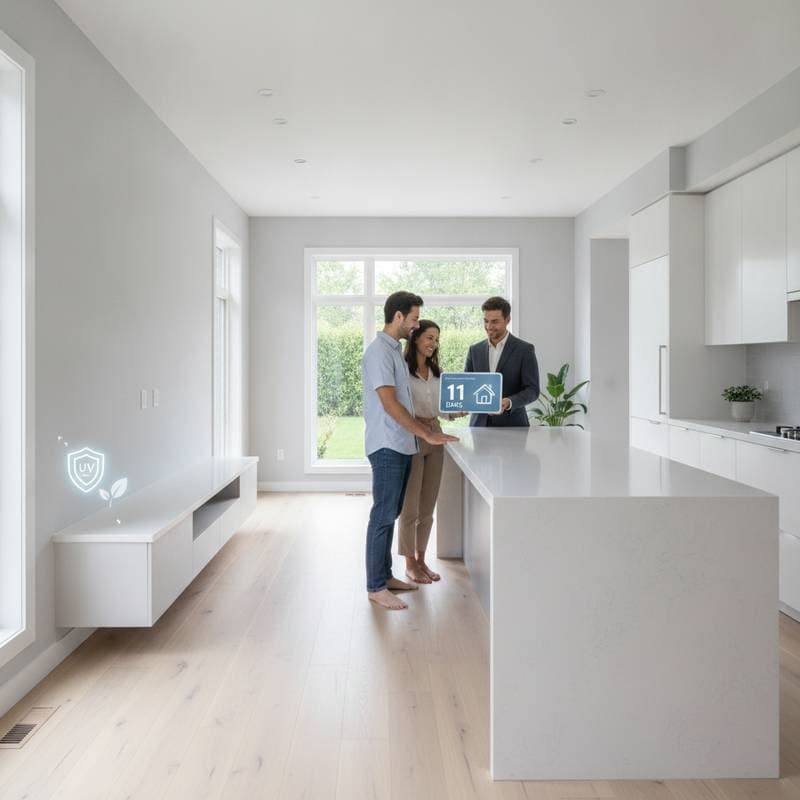
- Loses color when exposed to direct sunlight without protection.
- Shows dents from heavy furniture or pointed heels.
- Needs periodic resealing to preserve surface strength.
Installation Choices
Cork flooring presents moderate installation challenges. Floating plank systems allow weekend completion for average room sizes. Glue down tiles require more precise subfloor preparation and skill.
Do It Yourself Approach
Plan one to three days for a standard room. Gather a utility knife, tapping block, spacers, straight edge, and underlayment. Poor sealing or gaps may lead to future moisture issues.
Professional Installation
Hire professionals when the subfloor is uneven or made of concrete. Choose experts for multi room projects or complex layouts. Professionals deliver proper expansion gaps, sealing, and acclimation to avoid warping.
Care and Durability
Properly maintained cork flooring lasts twenty to forty years. Duration depends on seal quality, traffic levels, and sun exposure.
Sweep or vacuum weekly to clear debris. Damp mop with a pH neutral cleaner as needed. Reseal surfaces every three to seven years based on use. Add felt pads under furniture and place rugs in sunlit areas.
Warranties from manufacturers often cover ten to twenty five years for residential use when installation and care follow guidelines.
Performance by Region
Cork performs reliably in moderate and dry climates. It expands and contracts with humidity shifts. Coastal or humid areas benefit from vapor barriers and factory sealed products.
Urban labor costs often raise installation prices. Dry regions may require humidifiers to limit shrinkage. Some building codes call for extra underlayment in multi unit structures. Local availability influences material pricing and timing.
Return on Investment
Cork flooring supports a resale value increase of six percent in markets that value sustainable materials. Buyers notice the comfort, quiet performance, and renewable origin. Visible placement in living rooms or kitchens strengthens the return.
Natural insulation reduces heating and cooling expenses by stabilizing indoor temperatures. These ongoing savings strengthen the overall financial benefit.
Safety Considerations
Installed cork flooring presents minimal hazards. Cutting and finishing steps require attention to detail.
Wear masks and gloves during cutting or adhesive application. Select low VOC or water based adhesives to reduce fumes. Keep open flames away from solvent sealants. Verify clearance around radiant heating systems. Allow full curing times before furniture placement.
Planning Your Cork Flooring Project
Cork flooring combines comfort, sustainability, and measurable value gains. It fits projects that prioritize renewable materials with modern appearance and warmth. Compare samples from established manufacturers and request details on warranties, moisture ratings, and VOC levels. Obtain quotes from three licensed installers for professional work or allocate extra preparation time for do it yourself efforts.