Hidden Garage EV Chargers Increase Home Value by 15 Percent
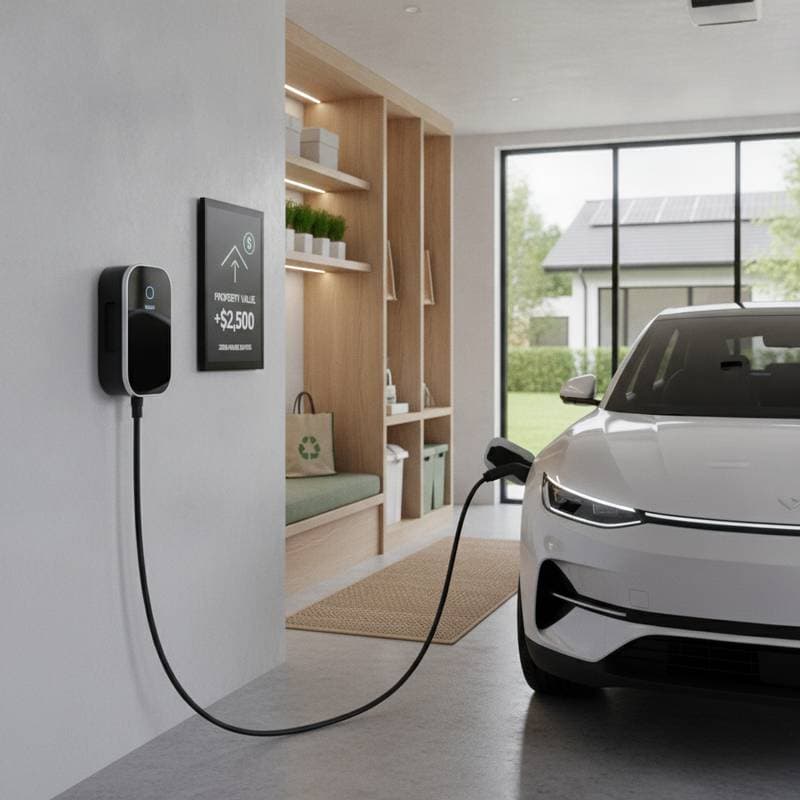
A hidden garage EV charger can raise home value by up to 15 percent. Buyers appreciate the clean appearance and future ready setup. This upgrade supports easy daily charging without sacrificing space or style.
Why Hidden Chargers Add Value
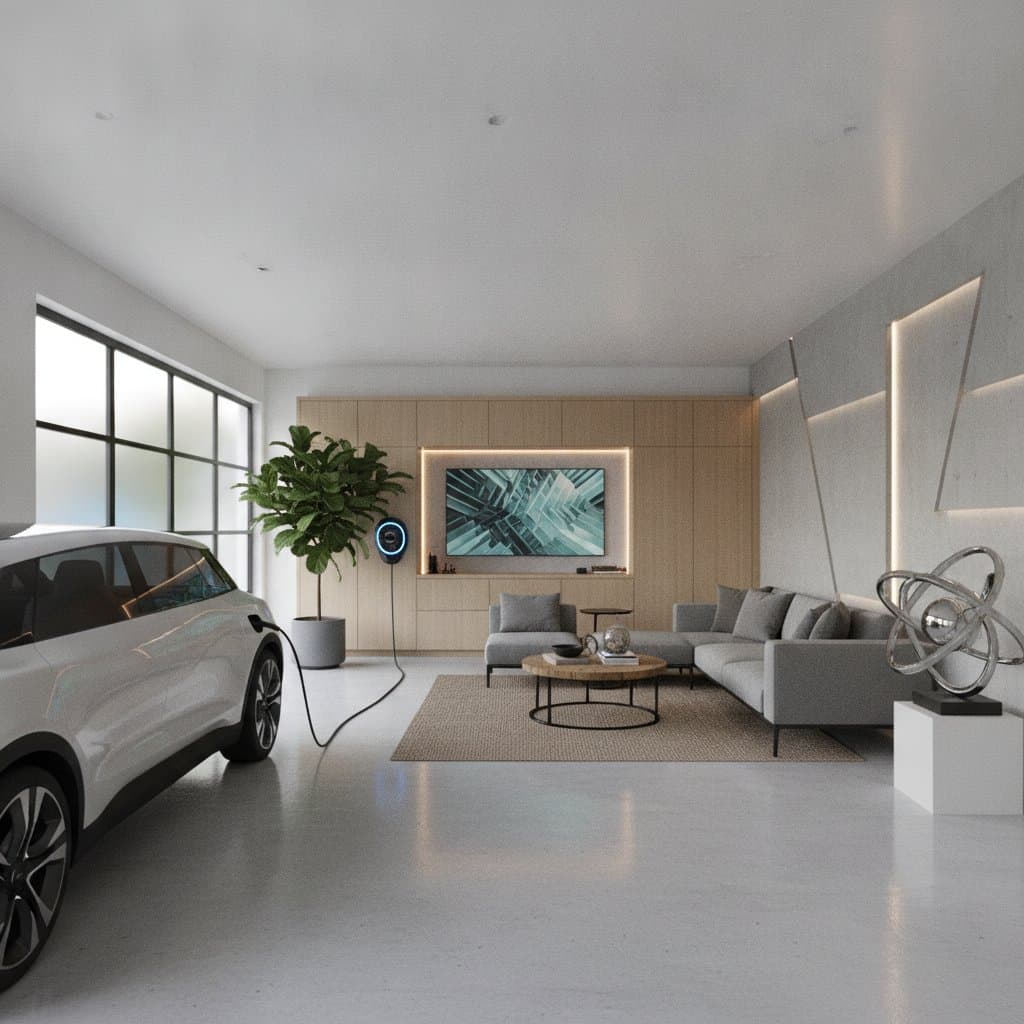
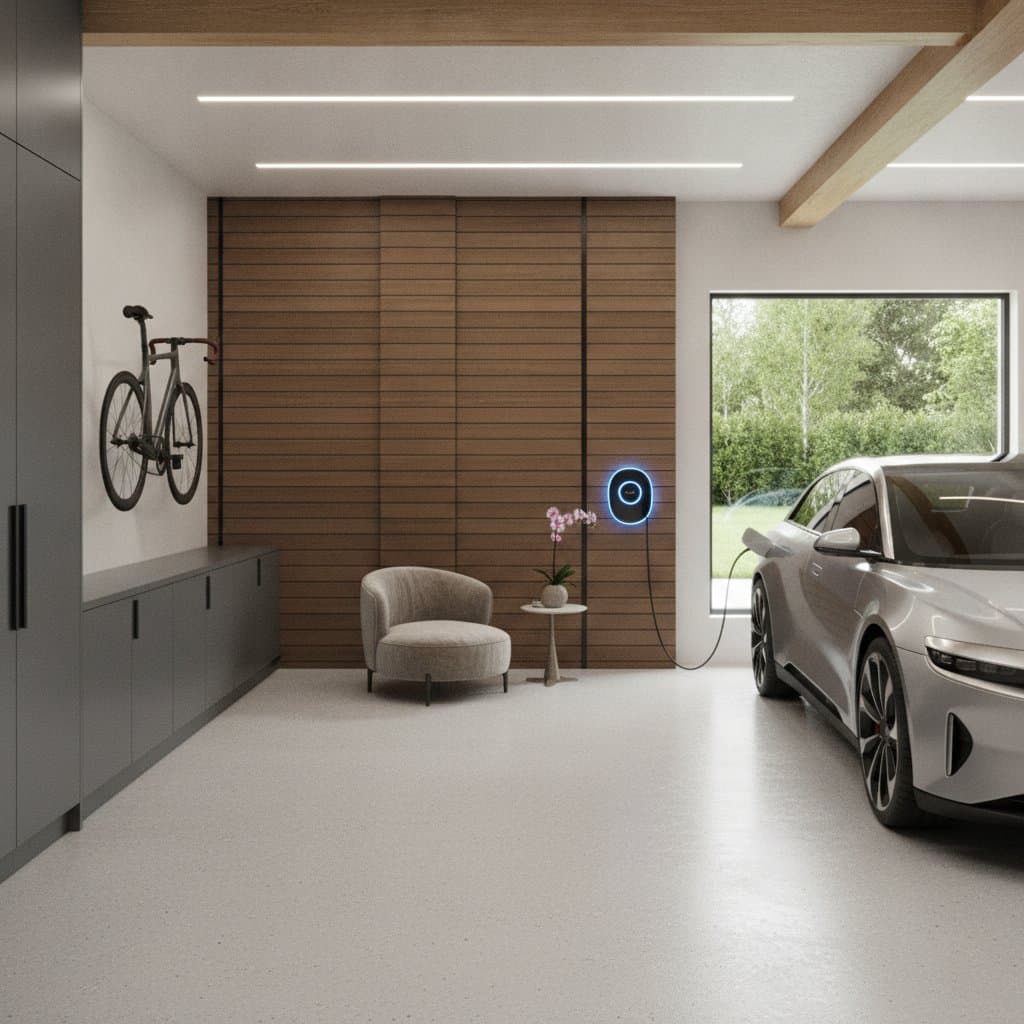
Electric vehicles have become common. Home buyers now expect convenient charging options. A visible charger often creates visual clutter in the garage. In contrast, a hidden charger integrates into the wall or behind a panel. This approach maintains a tidy space while highlighting a modern feature. Properties equipped for electric vehicles sell more quickly. Appraisers frequently recognize this improvement during evaluations.
How to Install a Hidden Garage EV Charger
You can hide a charger behind cabinetry, inside a wall box, or in a ceiling mount. The goal is to protect the unit, conceal the cables, and maintain easy access.
- Check the electrical panel to confirm a 240 volt circuit is available.
- Select a charger location near the vehicle charge port.
- Run wiring through walls or ceiling using conduit or cable channels.
- Mount the hidden box or cabinet with materials rated for electrical use.
- Install the charger according to manufacturer instructions or with a licensed electrician.
- Test the circuit and apply labels to confirm safe operation.
Cost Breakdown
Hidden installations cost more than standard wall mounts due to cabinetry or wall modifications. The return on investment often justifies the added expense.
| Task | Typical Cost | Factors Affecting Price |
|---|---|---|
| Standard wall mount charger | 500 to 1200 dollars | Charger type and amperage |
| Hidden wall or cabinet mount | 1500 to 3000 dollars | Custom carpentry and conduit routing |
| Professional electrical installation | 400 to 900 dollars | Panel capacity and distance to charger |
Prices vary by region and labor rates. Custom carpentry and finish materials typically increase costs at the upper end of each range.
Time to Complete
A basic installation requires three to five hours. Hidden setups extend to one or two days when new wiring or cabinetry is involved. Drywall repair or paint may add another day. Advance planning with an electrician reduces overall downtime.
DIY Versus Professional Installation
Consider a DIY approach when a dedicated 240 volt outlet already exists in the garage. This option also works for plug in charger designs when light carpentry skills are present. Hire a professional for new wiring, a full panel upgrade, or seamless wall integration. A licensed electrician ensures compliance with local codes. Many warranties require professional installation.
Required Tools and Materials
- Stud finder
- Drill and bits
- Electrical conduit
- Mounting screws
- Safety glasses and gloves
- Level
- Drywall patch kit for any opened walls
Regional and Code Considerations
Some cities require a permit for new 240 volt circuits. Others permit plug in chargers without inspection. Verify requirements with the local building department. In colder climates protect cables from freezing or condensation. Coastal or humid regions require corrosion resistant fittings.
Safety Guidelines
Turn off power at the breaker before any electrical work. Keep cords off the floor to prevent tripping hazards. Use only UL listed chargers and enclosures. Never enclose a charger without adequate ventilation.
Long Term Benefits
A hidden charger adds immediate value and prepares the garage for future needs. Home buyers view it as a practical investment rather than an accessory. The feature demonstrates support for sustainable living. Daily use remains convenient with no visible cords or clutter.
Common Questions
Hidden chargers do not reduce charging speed when ventilation meets requirements. Complete cable concealment is possible with retractable reels or conduit while preserving service access. Permits apply only when adding a new 240 volt circuit or modifying the panel. Confirm details with local authorities.
Planning Your Installation
A hidden EV charger maintains a neat garage while supporting long term ownership goals. Begin with a layout plan and budget review. Consult an electrician when needed. The result delivers a cleaner space, reliable charging, and improved resale strength.