EV Chargers Add $2,500 Appeal for 2026 Home Buyers
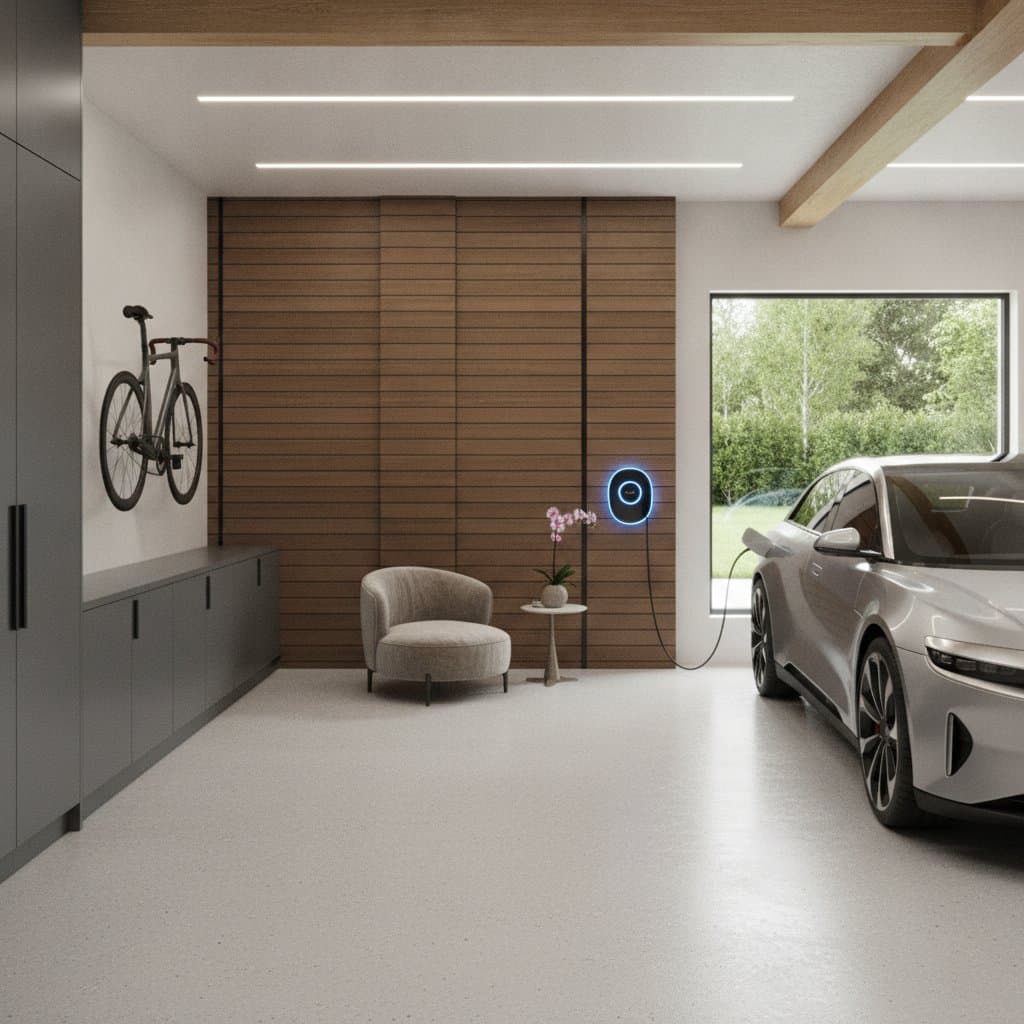
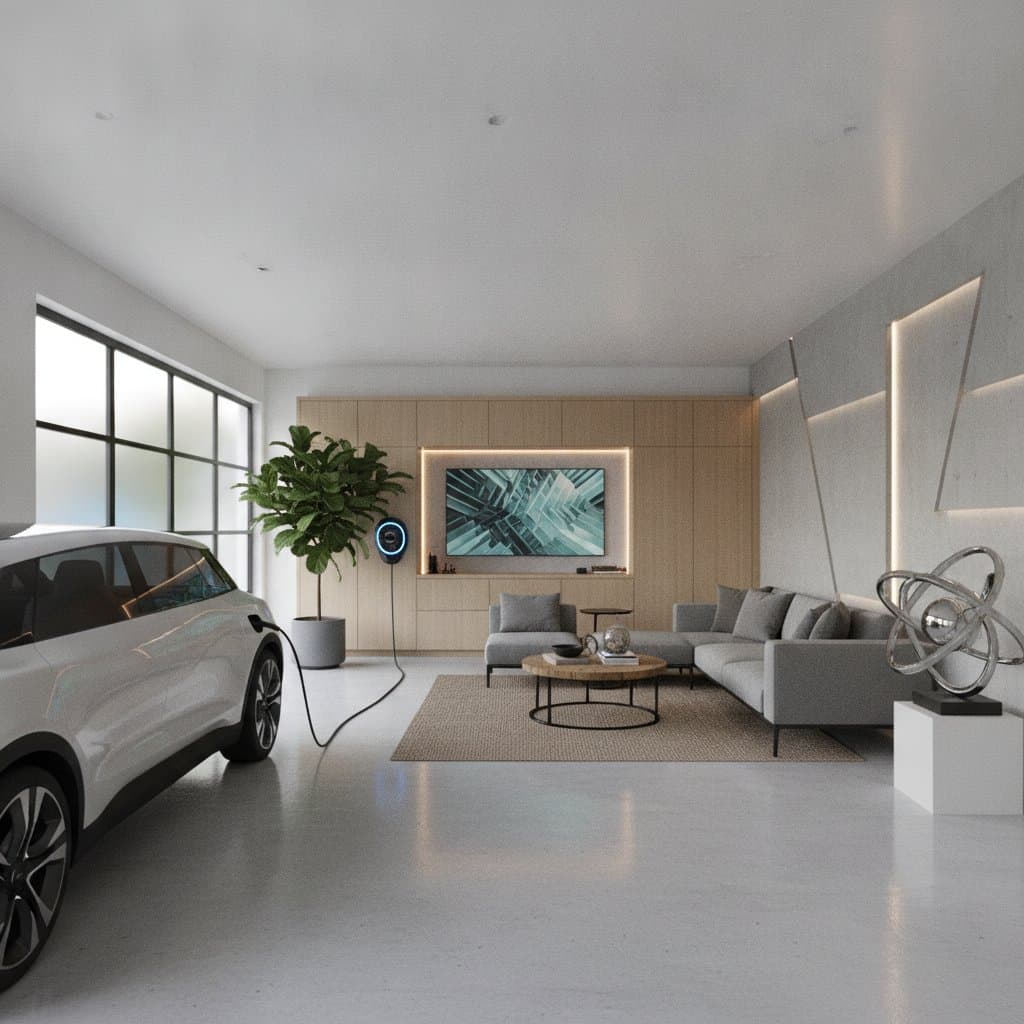
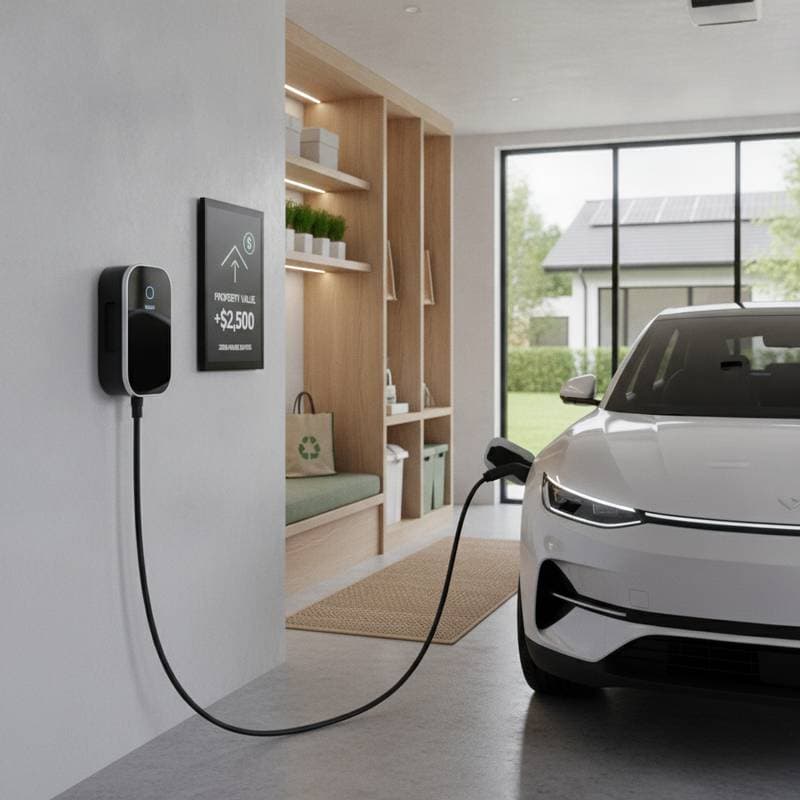
Homeowners who install residential EV charging stations gain a practical edge when marketing properties to buyers focused on sustainability. This addition signals that a home supports modern electric vehicle ownership without relying on public infrastructure.
Core Components of a Home Charger
A residential charging station draws power from the home electrical panel through dedicated wiring. Level 2 units operate on 240-volt circuits and deliver 20 to 40 miles of range per hour of charging.
Homeowners with garages or reserved parking spaces benefit most from these systems. Standard 120-volt outlets provide slower Level 1 charging suitable only for low daily mileage.
Installation Cost Breakdown
Most projects fall between 800 and 2500 dollars when including equipment and labor. Factors that influence final price include circuit length, panel capacity, and local permit fees.
- Select a charger rated for at least 40 amps to support future vehicle models.
- Confirm available breaker space before ordering equipment.
- Request itemized quotes that separate hardware from electrical work.
Older homes often require panel upgrades that add several hundred dollars to the total.
Weighing Benefits Against Limitations
A charger reduces reliance on public stations and lowers per-mile energy costs for owners who charge overnight. It also strengthens buyer interest in neighborhoods where electric vehicle adoption is rising.
Potential drawbacks include the initial outlay and the possibility that non-EV buyers see limited value. Some homeowners associations impose placement or appearance rules that must be verified in advance.
Charger Types and Selection Criteria
Level 2 hardwired units offer the best balance of speed and durability for daily use. Smart models add scheduling and energy tracking through mobile apps.
Portable chargers provide flexibility for renters or multi-property owners yet deliver slower rates and shorter service life. Solar integration becomes viable when rooftop arrays already offset household consumption.
Professional Installation Process
Licensed electricians complete most Level 2 installations in two to six hours. The sequence begins with a load calculation, followed by permit submission and circuit routing.
Homeowners should avoid DIY work on 240-volt wiring because improper connections create fire and shock hazards. Documentation of permits and inspections should be retained for future buyers.
Ongoing Care and Expected Service Life
Quality units operate reliably for 10 to 15 years when cables receive monthly visual checks and GFCI protection is tested annually. Warranties typically cover three to five years.
Replacement or relocation requires the same permitting steps as the original install to maintain code compliance.
Regional Considerations and Incentives
Labor rates and material needs differ by climate. Coastal properties may require corrosion-resistant enclosures, while cold-weather regions benefit from heated cables.
Utility rebates and state incentives frequently reduce net cost by several hundred dollars. Local building departments publish specific rules for residential charger placement and electrical load.
Impact on Property Value and Marketability
Real estate agents report faster sales and stronger offers for homes equipped with compliant chargers. Appraisers rarely assign a fixed dollar amount, yet buyer demand in high-EV areas supports a measurable resale premium.
Keep receipts, model specifications, and warranty information organized so they transfer cleanly at closing.
Preparing for Installation
Obtain three written estimates from licensed contractors and verify each holds current insurance. Schedule work after confirming panel capacity and reviewing any applicable HOA guidelines.
A properly documented charger installation demonstrates proactive property maintenance and positions the home for the next wave of electric vehicle owners.