Wellness Mudrooms: The 2026 Trend for Healthier Homes
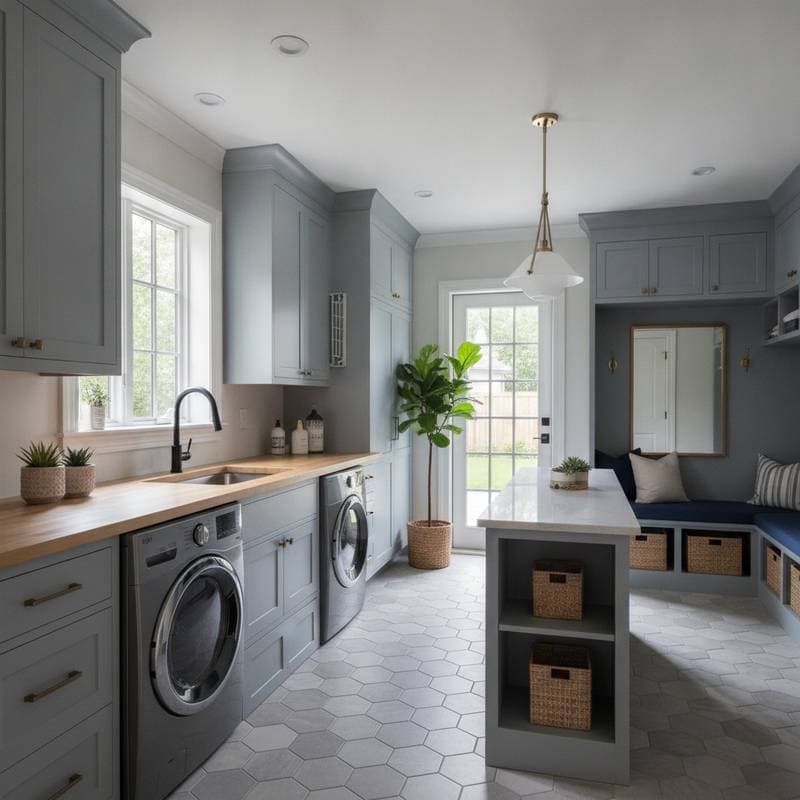
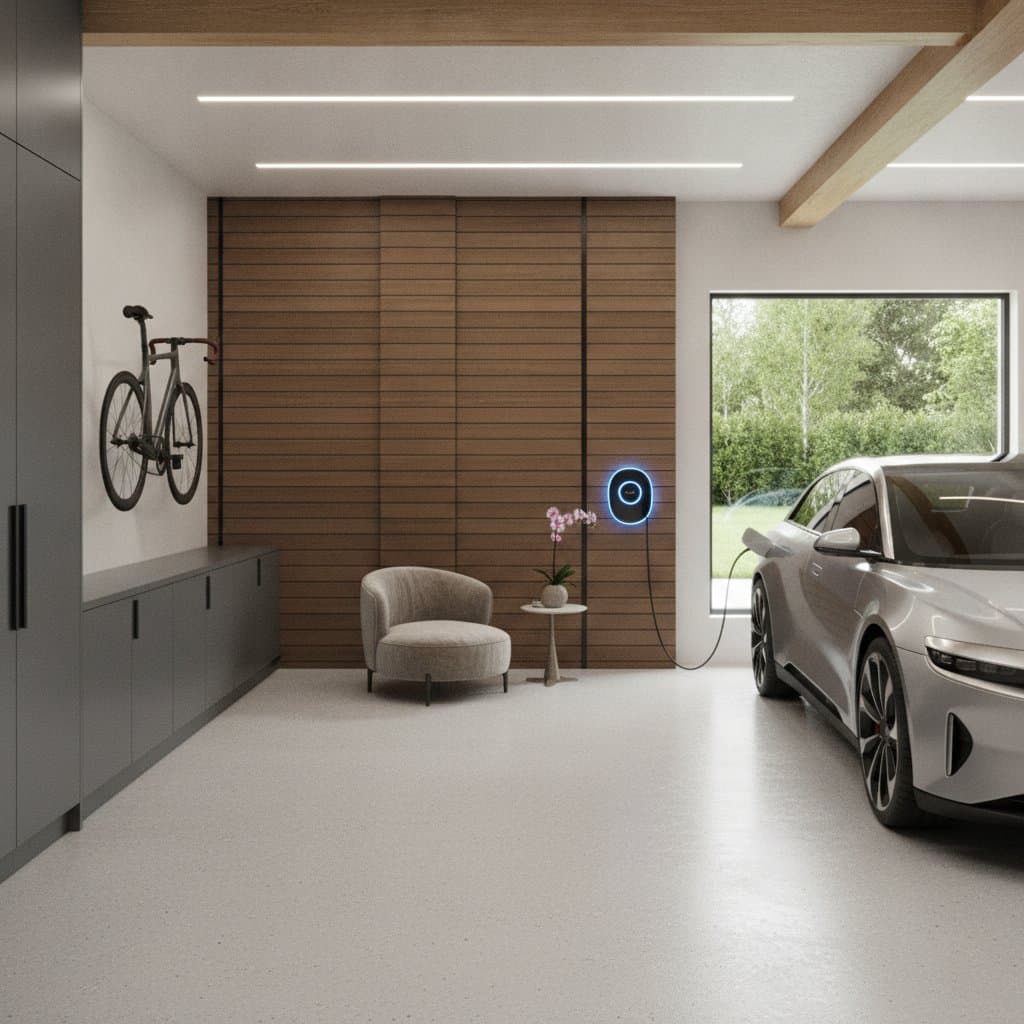
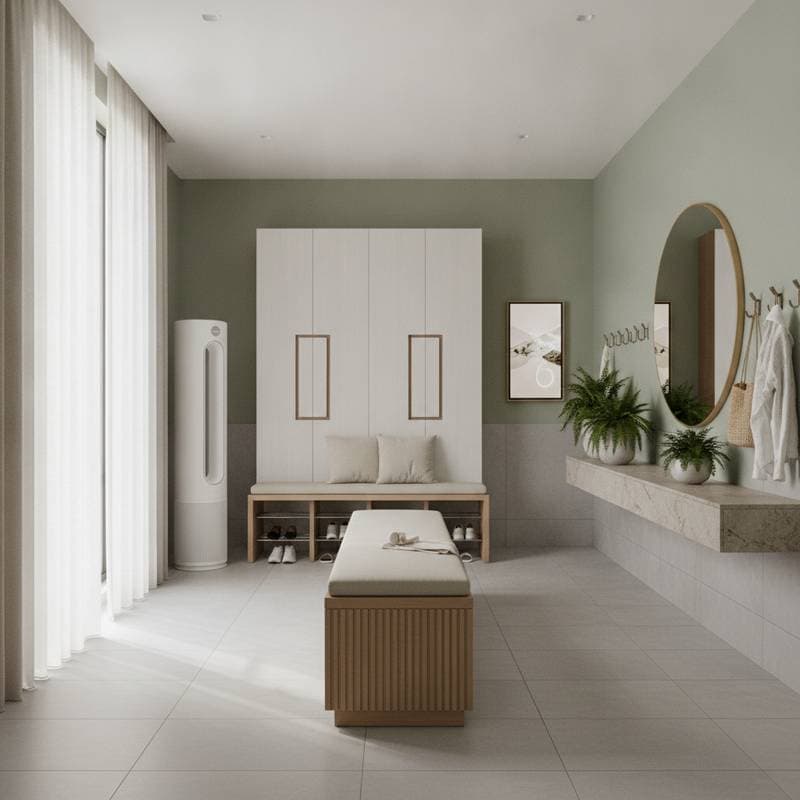
A wellness mudroom filters incoming air, contains outdoor pollutants, and creates a calm transition into the home. This dedicated space supports both physical health and mental clarity through targeted design choices.
Typical project costs range from 7000 dollars to 18000 dollars.
Cost Factors
Project pricing reflects choices in air systems, surfaces, and layout complexity. Several elements drive the final investment.
Size and layout
A compact 5 by 6 foot entry with basic seating and a filtered vent stays near 7000 dollars. Larger configurations that include custom storage, hands free fixtures, and complete ventilation integration reach 18000 dollars or higher.
Air purification
High efficiency systems that remove pollen, pet dander, and fine particles cost between 1200 dollars and 3000 dollars. Whole home connections increase performance but also raise total expense.
Moisture control and flooring
Slip resistant tile or sealed concrete runs 6 to 12 dollars per square foot. Radiant heat mats add 400 dollars to 800 dollars and keep surfaces dry and comfortable.
Storage and fixtures
Built in cubbies, benches, and racks range from 2000 dollars to 5000 dollars. Sealed hardwood or powder coated metal prevents mildew growth.
Lighting and permits
Full spectrum LED fixtures cost 300 dollars to 800 dollars. Mechanical and electrical permits add 200 dollars to 600 dollars when ducts or outlets require relocation.
Budget an extra 10 to 15 percent for any necessary wall or floor repairs.
DIY Versus Professional Installation
Homeowners can handle straightforward tasks such as new flooring, painting, or basic storage when electrical and ventilation lines stay unchanged. Basic carpentry tools and safe operation of a wet saw are required.
Professional help becomes necessary when ducts, wiring, or plumbing must move. Signs of mold or subfloor damage also call for expert assessment. Integrated HVAC filtration demands licensed contractors to avoid insurance issues and air quality problems.
Maintenance Schedule
Regular care preserves system performance and material longevity.
- Vacuum and launder entry mats monthly in hot water.
- Wipe surfaces and confirm vents remain clear each month.
- Replace or clean air filters every quarter.
- Inspect grout and drains quarterly.
- Schedule professional humidity and airflow testing once a year.
- Reseal tile or concrete annually when water no longer beads.
Air purification units typically carry 3 to 5 year warranties. Flooring coverage often spans 10 to 25 years. Retain all documentation and installation dates for future claims.
Material and Design Selections
Porcelain tile, rubber, or epoxy coated concrete resists moisture and cleans quickly. Avoid standard wood unless it is rated for wet areas. Washable paint or PVC panels protect walls, especially behind seating or near sinks.
Closed cabinets limit dust accumulation while open shelves require frequent wiping. Full spectrum LEDs with dimmers support mood regulation and improve visibility. Balanced supply and exhaust vents remove odors and moisture. Cork or acoustic tiles soften sound and reduce echo.
Repair or Replacement Guidance
Existing mudrooms can often be refreshed rather than rebuilt. Reseal intact flooring, repaint storage, or add a standalone purifier when conditions allow. Replace surfaces when tile cracks reveal moisture, persistent odors remain after cleaning, or ventilation and natural light are absent.
Small additions such as washable mats or improved lighting can extend the life of the space, yet airflow must stay a priority.
Market Perspective
Demand for dedicated transition zones continues to rise among homeowners who prioritize air quality. Builders note increased requests for prefabricated storage and ventilation solutions. Specialty antimicrobial materials may vary in price, and early contractor booking helps avoid delays.
A completed wellness mudroom can lift perceived home value by 2 to 4 percent. Buyers recognize the practical and forward looking benefits.
Next Steps for Implementation
Begin with washable flooring and a compact purifier if budget limits apply. Expand later with seating, radiant heat, and full spectrum lighting. Track filter changes and schedule yearly airflow reviews to maintain performance. This entry space serves as the first defense against outdoor pollutants and the first point of relaxation upon return home.