Moody Interiors in 2026: Dark Palettes Raising Values
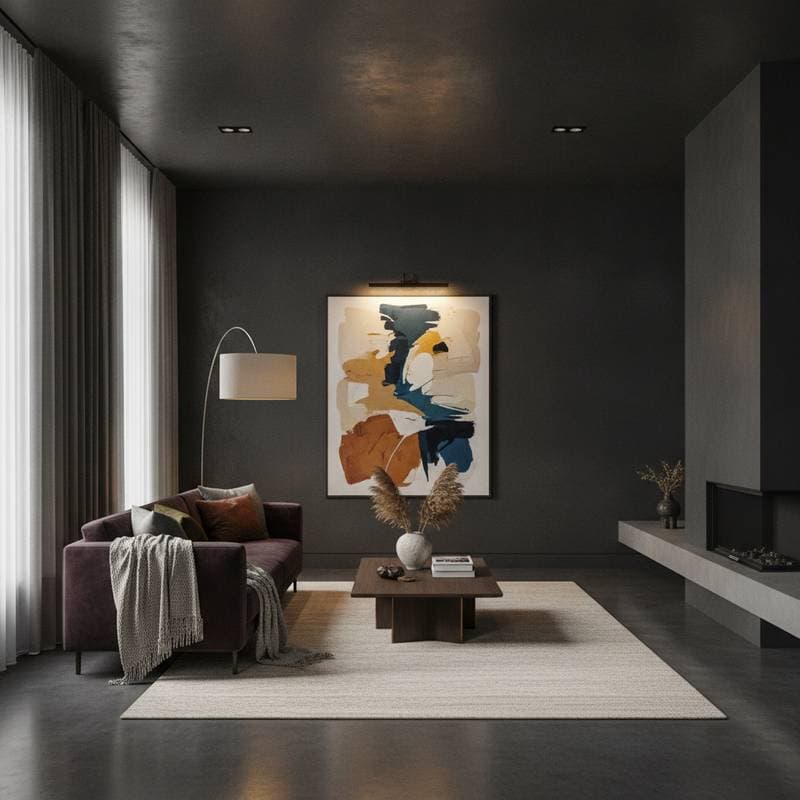
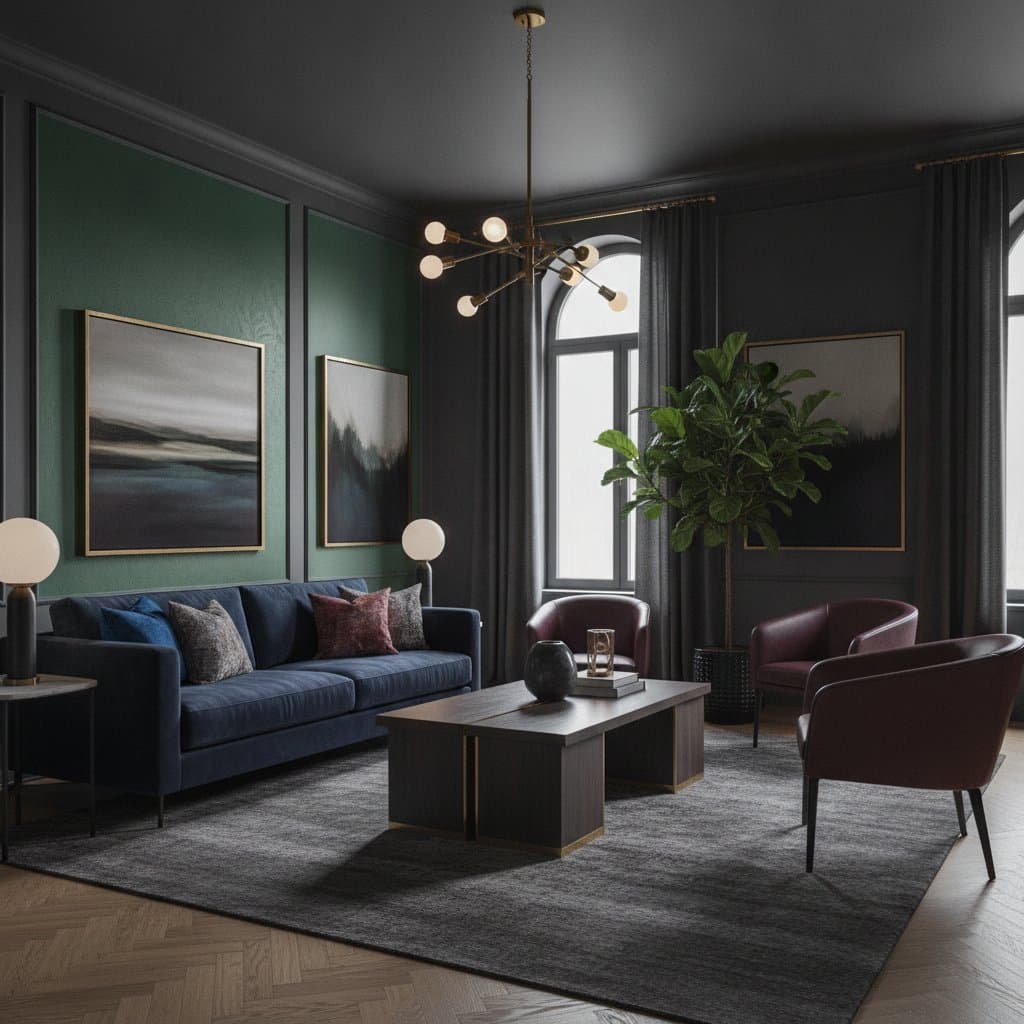
Dark, moody interiors boost home values by creating spaces that feel richer, calmer, and more tailored to individual style. Deep colors such as navy, charcoal, and emerald communicate confidence while adding perceived luxury. These choices often achieve strong results without requiring extensive renovation.
Why Dark Interiors Increase Perceived Value
Buyers and renters respond to rooms that convey intention and stability. Pale neutrals once dominated preferences, yet demand has shifted toward depth and contrast. Dark walls or cabinetry introduce immediate warmth and visual interest. They also conceal minor imperfections, which helps maintain a fresh appearance over time.
This trend reflects straightforward market dynamics. A unified, bold design reads as premium even when mid-range materials are used. Agents note that moody schemes produce stronger online images, generate more inquiries, and remain distinct during in-person visits.
Steps to Achieve a Moody Interior
- Select one dominant deep shade such as navy, forest green, plum, or graphite gray.
- Introduce varied textures through velvet, linen, metal, or matte surfaces to prevent flat color fields.
- Combine overhead, wall-mounted, and accent lighting to maintain an inviting atmosphere.
- Create contrast by pairing dark walls with lighter trim, artwork, or flooring.
- Incorporate warm materials including wood tones, brass hardware, or soft textiles to avoid a stark result.
Begin with a single bedroom or office to test the approach before expanding across the home.
Typical Costs
| Task | Typical cost | Factors that influence price |
|---|---|---|
| Painting one room | $300 - $900 | Room dimensions, paint grade, surface preparation |
| Full dark palette redesign | $2,000 - $8,000 | Furniture refreshes, finish selections, lighting upgrades |
| Custom cabinetry or built-ins | $5,000 - $15,000 | Wood species, finish type, hardware quality |
Costs differ by location. Selecting durable, washable matte or satin paint reduces long-term maintenance expenses.
Project Timeline
Painting a single room generally requires one to two days once preparation and drying periods are included. A broader redesign that involves furniture and lighting updates may extend to two or three weeks. Advance planning prevents mismatched tones and hasty choices.
When to Use DIY Versus Professional Help
DIY approaches work well when painting walls or refinishing small furniture pieces and when basic tools and adequate time are already available. Professional assistance becomes preferable for achieving flawless coverage on textured or tall surfaces and when electrical or built-in modifications are planned. Dark colors reveal imperfections more readily, so clean lines and uniform application matter.
Recommended Tools and Materials
- High-quality matte or satin paint formulated for interior use
- Primer designed to cover light surfaces before dark applications
- Rollers, angled brushes, painter tape, and drop cloths
- Warm-temperature LED bulbs
- Soft cloths for final touch-ups
A primer with strong coverage prevents visible streaks during color transitions.
Climate and Code Considerations
Dark schemes perform across regions when adjusted for local light conditions. Cooler tones such as charcoal or navy suit bright climates, while warmer shades like espresso or aubergine provide comfort in cooler areas. Electrical modifications beyond simple bulb replacement require a licensed electrician to meet local codes.
Practical Techniques for Strong Results
Test paint samples on several walls and observe them at different times of day. Position mirrors or metallic accents to reflect available light. Keep ceilings one or two shades lighter than walls to maintain an open feel. Select furniture with defined silhouettes so pieces remain visible against darker backgrounds.
Common Questions
Do dark walls make rooms appear smaller? Strategic lighting and contrast often create a sense of depth instead.
Which rooms benefit most from dark palettes? Bedrooms, home offices, and dining areas tend to feel most comfortable because they tolerate reduced ambient light.
Can multiple dark colors be combined? Different values within the same color family or shifts in texture maintain cohesion.
Does dark paint fade more quickly? Quality formulations resist fading when protected from prolonged direct sunlight.
Do moody interiors reduce resale appeal? Current buyer preferences treat well-executed dark schemes as contemporary and desirable.
Applying These Principles
Dark interiors reward measured confidence. Begin with one space, invest in reliable materials, and manage lighting with care. The resulting rooms convey calm, express personality, and present effectively to potential buyers.