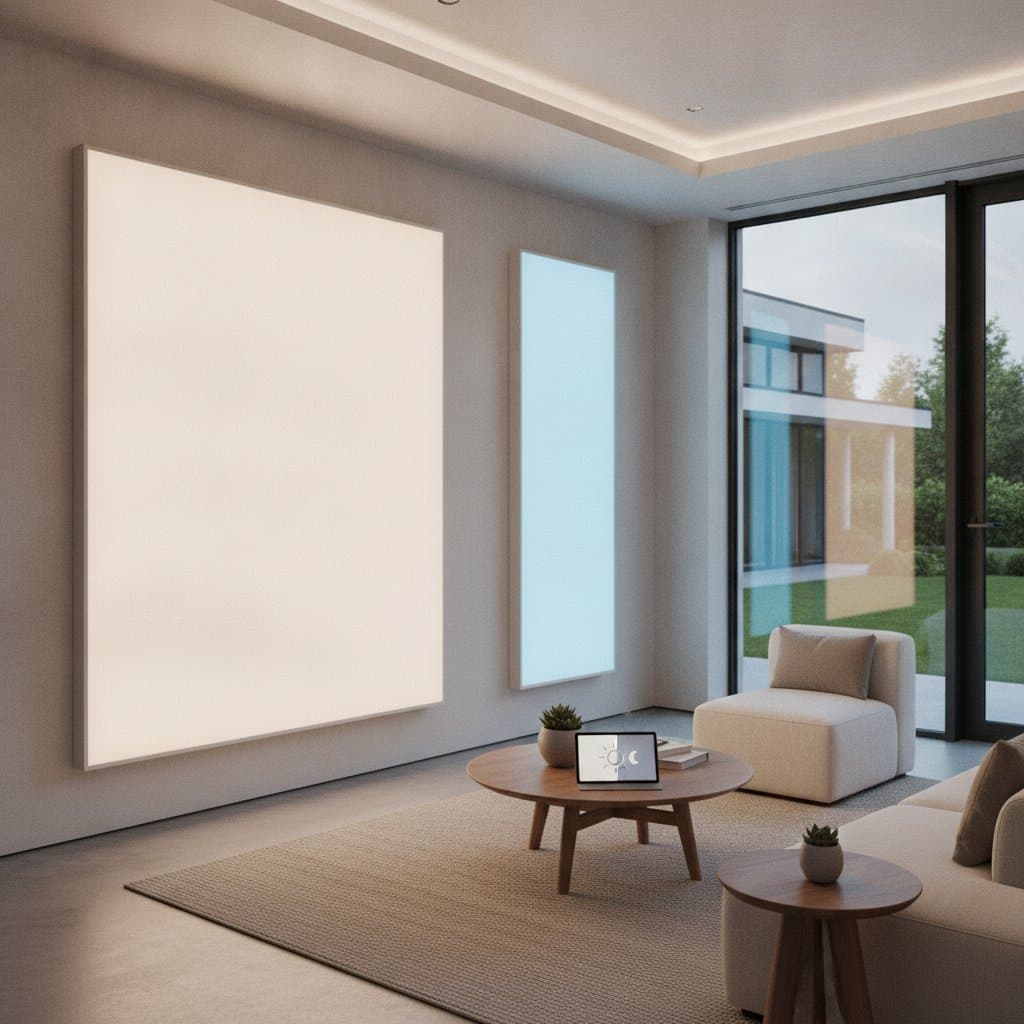
Light Therapy Rooms Add 11 Percent to Resale Value
Light therapy rooms represent a growing trend in residential design. These dedicated spaces use specialized lighting to support natural circadian rhythms. Homeowners report improvements in mood and sleep quality after regular use.
Adding such a feature can increase resale value by approximately 11 percent. Buyers increasingly seek homes equipped with wellness amenities. This upgrade combines health benefits with energy efficient technology.
Wellness Advantages and Market Appeal
Proper circadian lighting helps regulate sleep patterns and energy levels throughout the day. Tunable LED systems mimic natural daylight changes from morning to evening. Residents experience reduced eye strain and better focus in these environments.
The feature appeals to health conscious buyers in competitive markets. Properties with integrated wellness spaces often sell faster than comparable homes. Real estate data indicates strong interest in modern lighting solutions that support daily routines.
System Components and Setup Options
Basic installations include tunable LED panels, dimming controls, and automated scheduling. Advanced versions incorporate sensors that adjust output based on time of day or occupancy. Homeowners can select wall mounted fixtures, ceiling arrays, or freestanding units depending on room size.
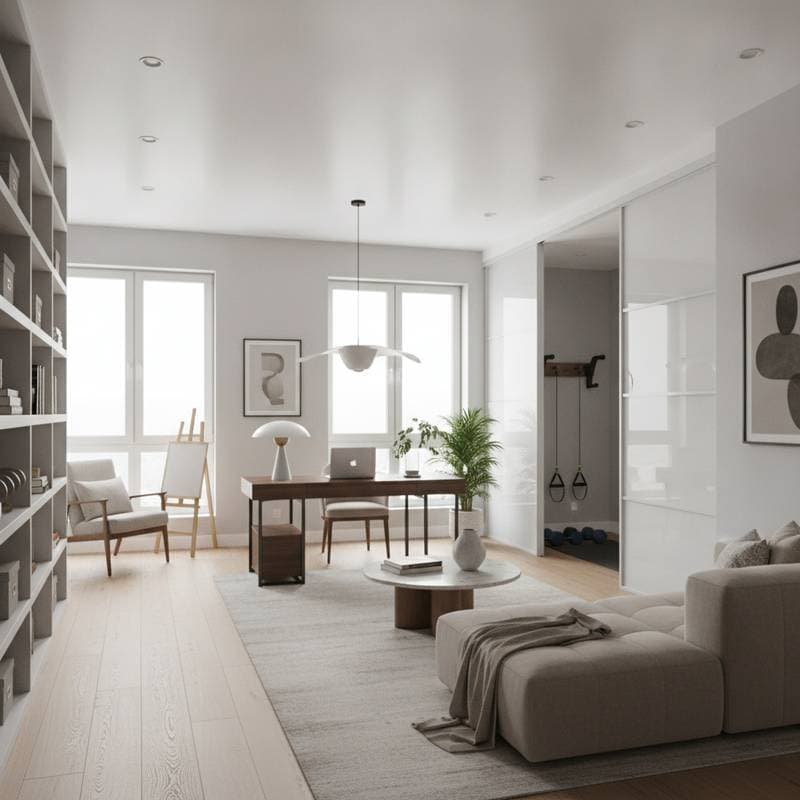
Calibration ensures the light intensity matches recommended levels for therapeutic effect. Professional designers often recommend starting with a modest space such as a home office or bedroom alcove.
Required Tools and Preparation
Successful do it yourself projects require the following items:
- Ladder, wire strippers, and voltage tester
- Mounting brackets and anchors
- Smart light controller or dimmer
- Light meter for calibration
Incorrect wiring may produce flicker or inconsistent performance. Always verify circuit capacity before beginning work.
Professional Installation Guidance
Hire a licensed electrician when adding new circuits or integrating controls with existing home automation. Certified designers provide precise calibration for optimal results. This approach reduces risk of electrical issues and ensures compliance with local codes.
Ongoing Care and Durability
LED fixtures typically operate for 25,000 to 50,000 hours before replacement. Clean lenses and sensors several times each year to preserve accurate output. Most manufacturers offer warranties ranging from three to five years on fixtures and controls.
Location Specific Factors
Demand rises in northern climates where natural daylight remains limited during winter months. Urban areas often see higher labor rates above 100 dollars per hour for qualified electricians. Some municipalities require low voltage certification for smart lighting systems.
Utility programs in select states provide rebates for energy efficient LED upgrades. Check regional incentives prior to purchase to reduce net costs.
Essential Safety Measures
Follow these precautions during installation and use:
- Disconnect power at the breaker before any wiring work
- Select only UL listed fixtures and grounded connections
- Protect components from moisture unless rated for damp locations
- Maintain intensity within manufacturer specified safe ranges
- Route all wiring through walls or conduit
Surge protection and secure network settings protect smart systems from damage.
Project Planning Recommendations
Schedule the addition during planned electrical or interior renovations to minimize disruption. Consult multiple contractors about fixture longevity, control flexibility, and ongoing support services. Compare projected expenses against anticipated returns at resale.
A well executed light therapy room delivers daily health benefits while strengthening long term property value.