EV Home Chargers: The Must-Have Upgrade for 2026 Value
Typical cost: $900 to $2,400 installed.
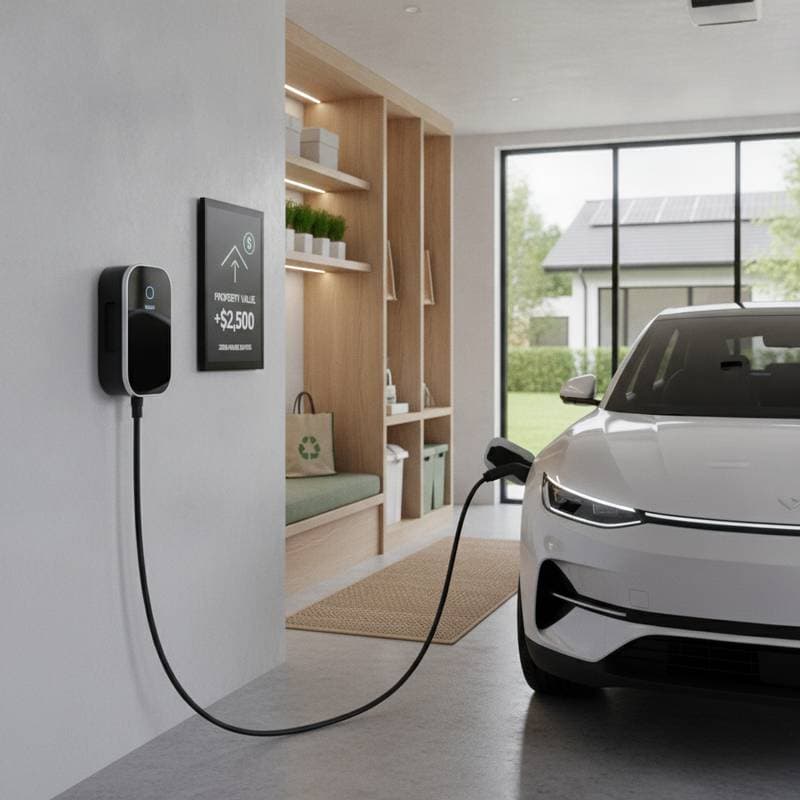
Adding a Level 2 EV home charger ranks among the most cost-effective steps to increase property value and prepare a residence for growing electric vehicle adoption.
Cost Factors
Several elements determine the final price of an installation.
- Charger Type
- Level 1 units rely on a standard outlet. They require almost no upfront expense yet deliver slow charging speeds.
- Level 2 units require a 240-volt circuit. The unit itself costs between $400 and $1,000, while professional installation adds another $400 to $1,200.
-
Electrical Panel Capacity
Upgrading an electrical panel introduces an additional expense of $800 to $2,000, based on required amperage and available breaker space. -
Distance to Parking Spot
Runs longer than 25 feet increase costs by $5 to $10 for each extra foot of wiring. -
Permits and Inspection
Local permits typically range from $100 to $250. Homeowners should verify requirements with their municipality before work begins. -
Smart Features
Wi-Fi monitoring and load balancing add $150 to $300 yet often qualify for utility rebates.
Older homes or those with limited electrical access benefit from budgeting an extra 10 to 15 percent above base estimates.
DIY vs Pro
Homeowners can complete several straightforward tasks themselves.
- Mounting the charger unit on a wall.
- Running conduit along an existing garage surface.
- Configuring Wi-Fi connections and mobile applications.
Professional electricians must handle any connection to the main service panel, addition of a new 240-volt circuit, panel upgrades, and permit processes. Risks of electric shock or fire increase when wiring deviates from code requirements. Signs such as frequent breaker trips, warm outlets, or outdated panels indicate the need for licensed help to maintain safety and compliance.
Timing and Savings
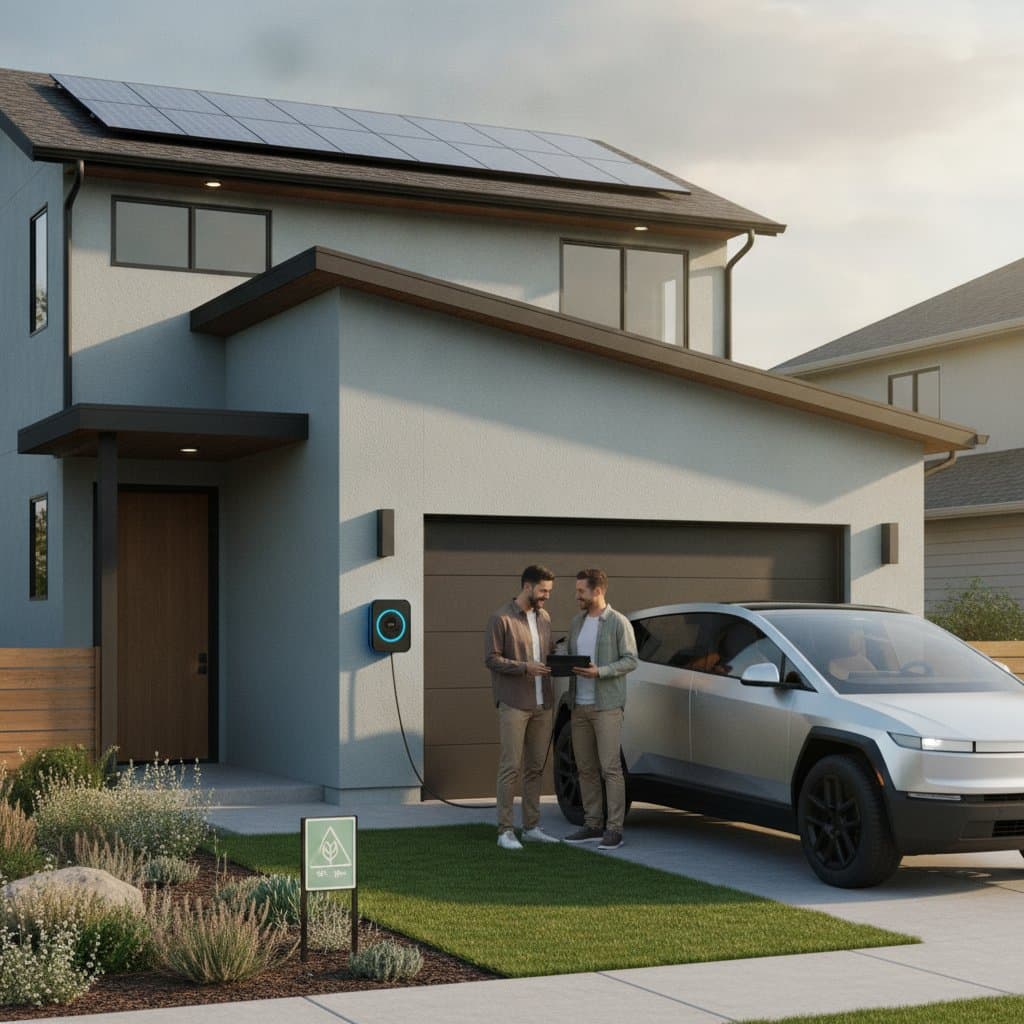
Most projects require one to three days, though permit reviews can extend this timeline. Electricians experience peak demand during summer months, so scheduling in advance prevents delays. Rebates and tax credits differ by region and utility provider. Many programs reimburse up to 30 percent of total expenses or provide a cap of $600. Selecting a higher-amperage unit during the initial install avoids future electrical work when faster charging becomes necessary. Combining the charger project with solar installation or panel upgrades can reduce labor expenses by $300 to $800 through shared site visits.
Maintenance and Warranties
Regular attention preserves equipment performance.
- Wipe dust and debris from the unit each month.
- Examine cables for cracks or fraying.
- Protect the plug from moisture and direct rainfall.
Manufacturers generally cover parts and electronics for three to five years. Surge damage and water intrusion often fall outside standard coverage. A surge protector combined with avoidance of circuit overloads extends service life.
Market and Resale Value
Properties equipped with EV-ready wiring sell more quickly in both urban and suburban areas. Appraisers increasingly recognize a Level 2 charger as a functional improvement comparable to a tankless water heater. Buyers regard the feature as practical convenience rather than an optional luxury. Studies indicate an average sale price increase of 2 to 4 percent for homes that include a permanent charger. Rental property owners can command $50 to $150 in additional monthly rent in locations where powered parking adds resident value.
Prepare for Installation
- Verify the amperage rating of the existing electrical panel before selecting equipment.
- Obtain at least two detailed quotes from licensed electricians that account for permits and wiring distance.
- Inquire about available rebates through local utilities or energy efficiency programs.
- Select a model that features a detachable cable to simplify future replacements.
- Arrange installation during spring or fall to benefit from shorter wait times and reduced labor rates.
A Level 2 charger delivers measurable returns through faster daily charging, stronger resale positioning, and alignment with expanding electric vehicle infrastructure.