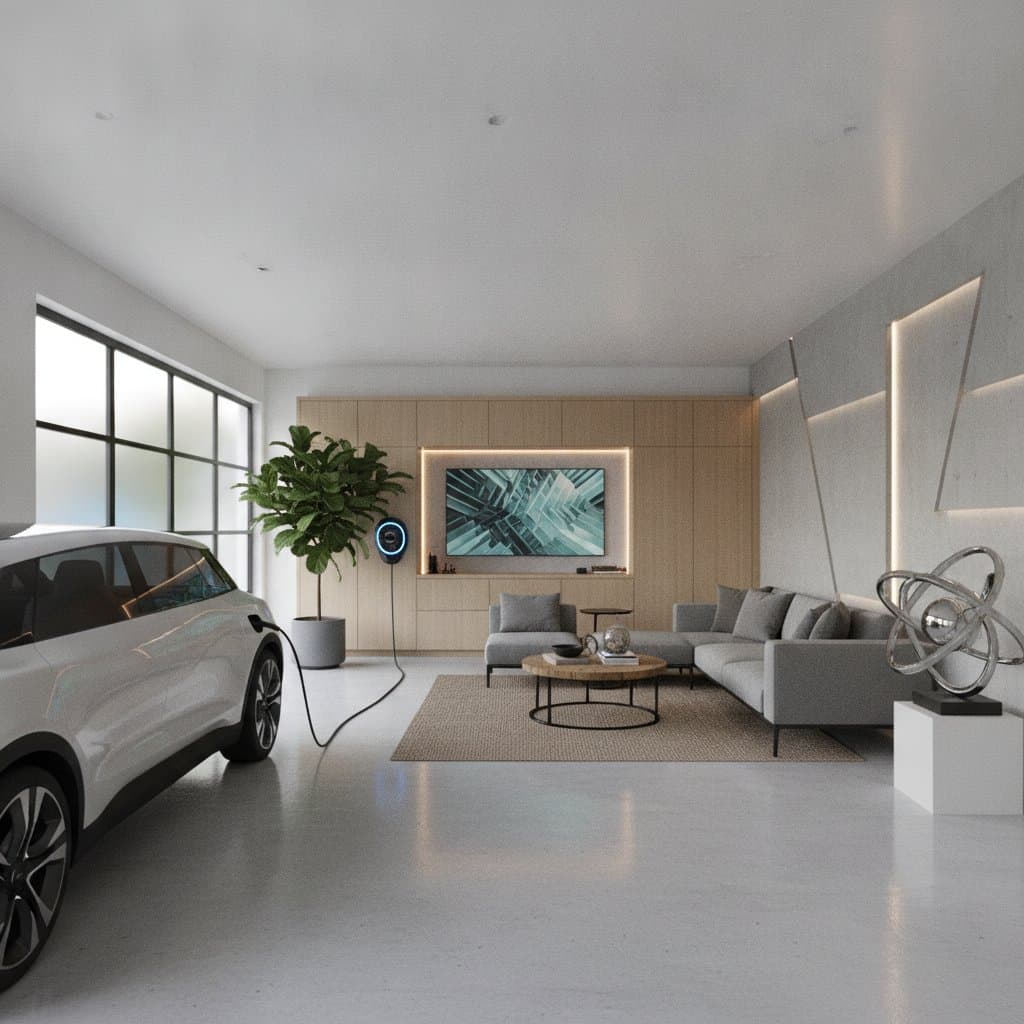
EV Charging Rooms Deliver an 11 Percent Home Value Increase by 2026
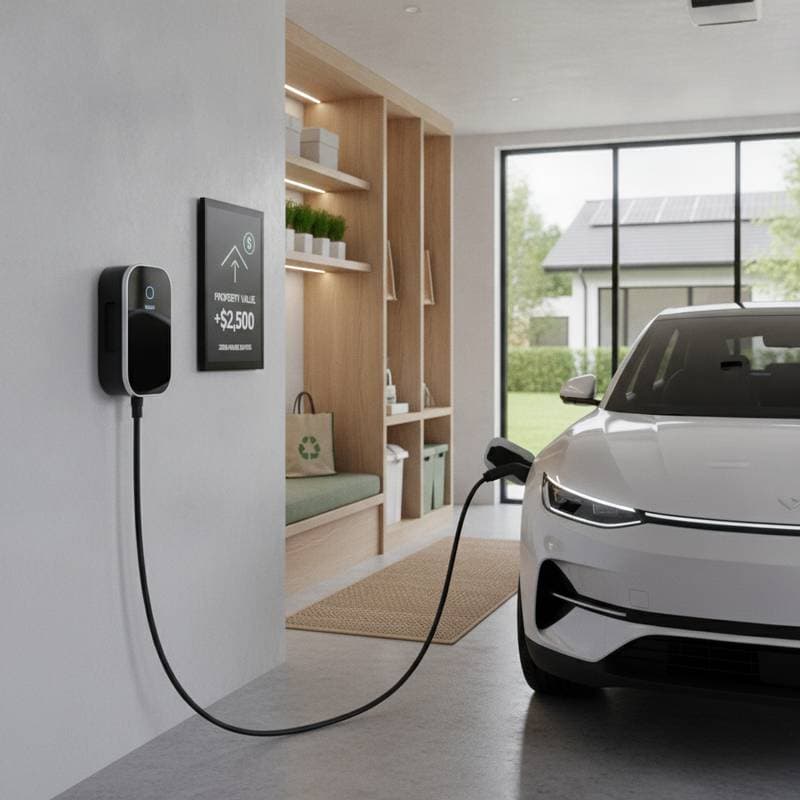
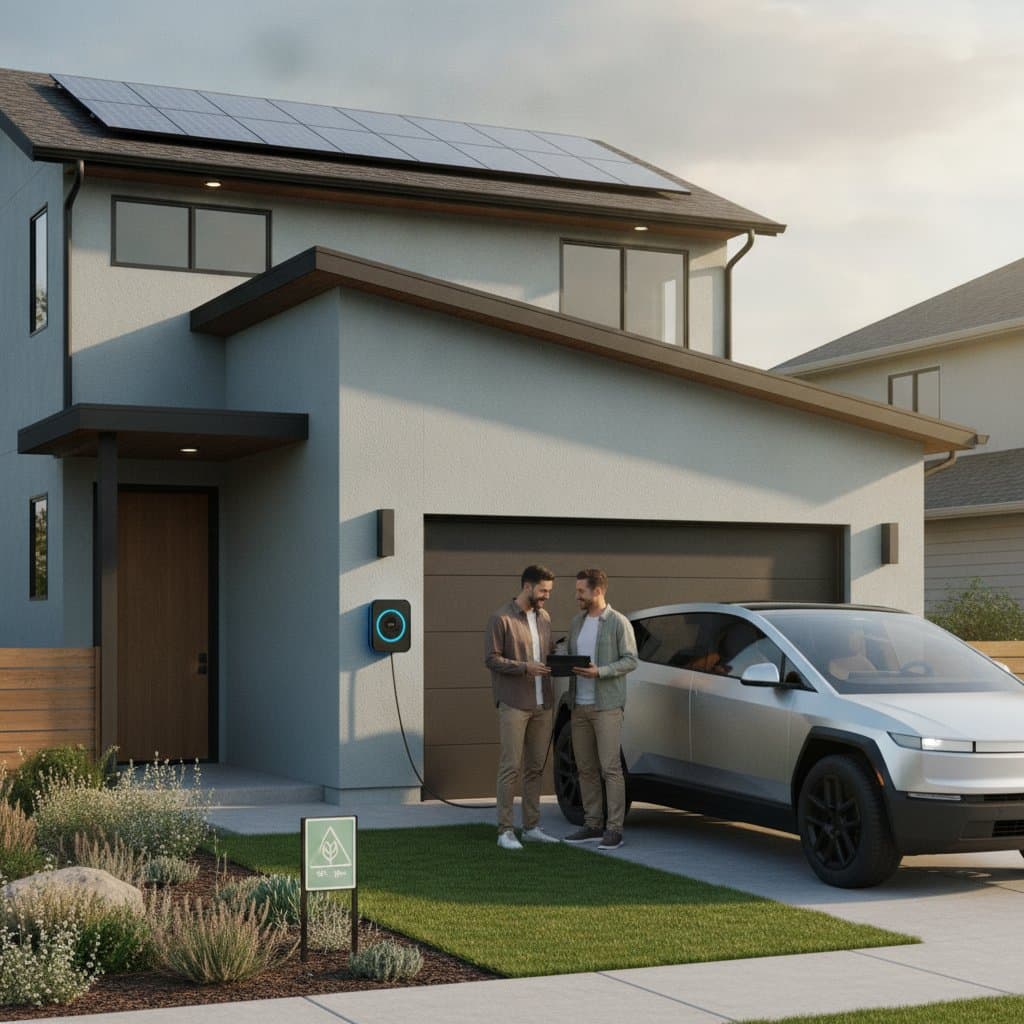
Adding an EV charging room can raise your home value by up to 11 percent. Buyers now view a built-in charging station as a practical necessity rather than an optional upgrade. This feature communicates modern priorities around convenience and energy use.
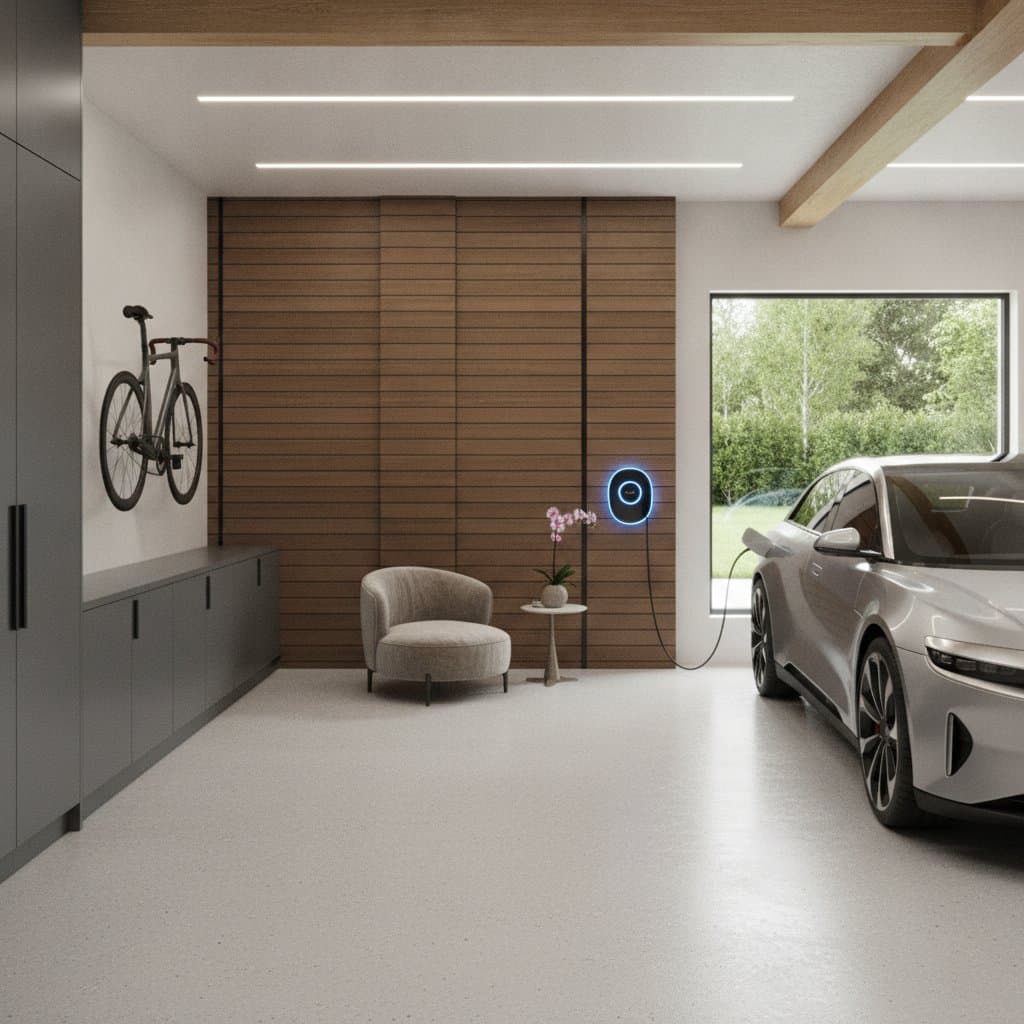
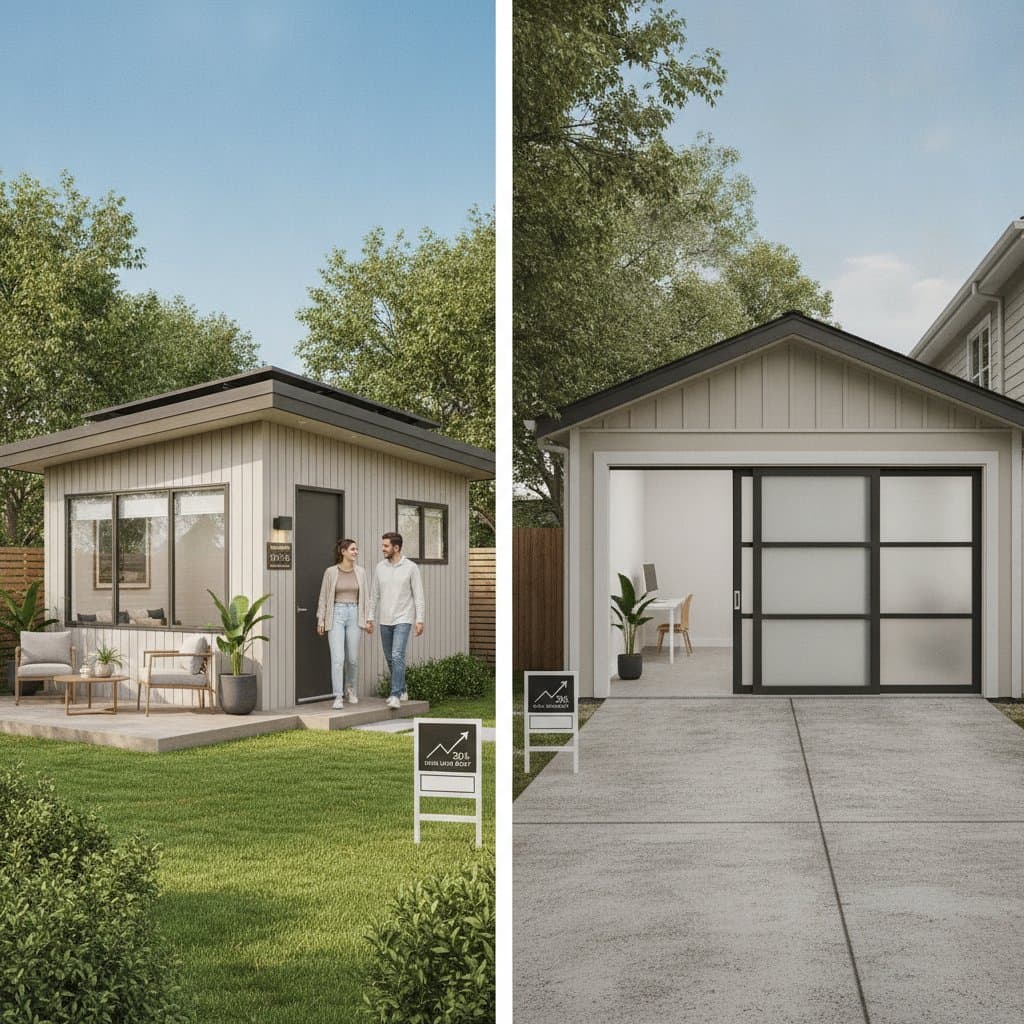
A garage or carport offers the ideal starting point for conversion into a dedicated charging space. The change helps a property stand out during sales and prepares it for widespread electric vehicle adoption.
Value Drivers Behind the Increase
Home buyers seek features that align directly with daily routines. Electric vehicles have grown common, yet public charging access remains inconsistent in many locations. A dedicated charger eliminates that barrier and demonstrates forward planning.
Real estate professionals note faster sales and stronger offers for homes equipped with charging capability. The exact premium varies by location, installation quality, and local demand. High adoption markets often exceed the 11 percent figure, while other areas still gain meaningful buyer interest.
Installation Cost Overview
- Level 2 charger: 400 to 1200 dollars, influenced by brand and power capacity.
- Electrical panel upgrade: 800 to 2500 dollars, based on existing service and wiring length.
- Professional labor: 500 to 1500 dollars, affected by permits and site complexity.
- Garage finishing: 300 to 1000 dollars, covering paint, flooring, and lighting.
Total project costs typically range from 2000 to 6000 dollars. Newer homes with short wiring runs stay toward the lower end, while older properties may require additional work.
Decision Factors for Installation
Choose a do it yourself approach only for plug in Level 2 units on existing circuits when electrical safety knowledge is solid. Hire licensed professionals for new wiring, panel upgrades, or any situation where local codes mandate certification. Certified work preserves manufacturer warranties and ensures code compliance.
Climate Specific Recommendations
Cold regions benefit from chargers with temperature protection to maintain cable flexibility. Hot or humid areas require sealed units and ventilation to manage heat. Hurricane zones call for secure anchoring and rated conduit on any exterior runs. Always verify local requirements such as GFCI protection before starting work.
Essential Safety Practices
Position chargers above potential flood levels and keep all connections dry. Label breakers clearly and avoid circuit overloads. Discontinue use and contact an electrician if burning odors or flickering lights appear. Never rely on extension cords for charging loads.
Schedule immediate professional inspection for corroded panels, repeated breaker trips, or plans to add multiple chargers. Proper load assessment protects both the vehicle and the home electrical system.
Enduring Property Advantages
A completed charging room reduces reliance on public infrastructure and supports long term sustainability goals. Early installation captures current convenience while positioning the home ahead of rising buyer expectations. Integration during other renovations minimizes future disruption and expense.
Practical Implementation Steps
- Assess panel capacity and available space.
- Select a Level 2 charger compatible with the vehicle.
- Obtain quotes from multiple licensed electricians.
- Verify permit requirements with local authorities.
- Incorporate finishing details such as improved lighting.
Test the system regularly after installation and maintain a clean space to highlight care during future showings.
Common Questions
Most municipalities require an electrical permit and inspection for home charger installation. A dryer outlet works only when a professional confirms adequate voltage and amperage. Monthly electricity costs typically rise between 25 and 50 dollars based on driving distance and utility rates.