EV Chargers Add 11 Percent to Home Values
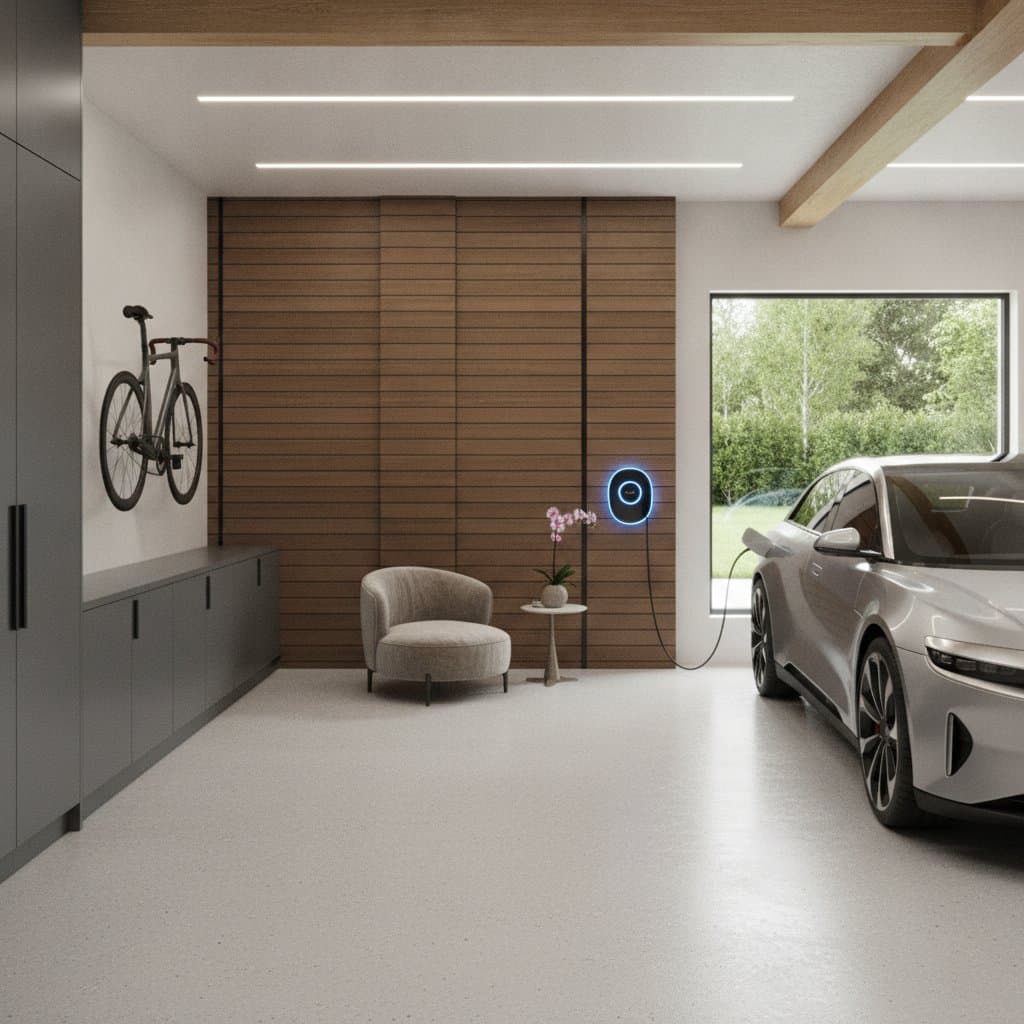
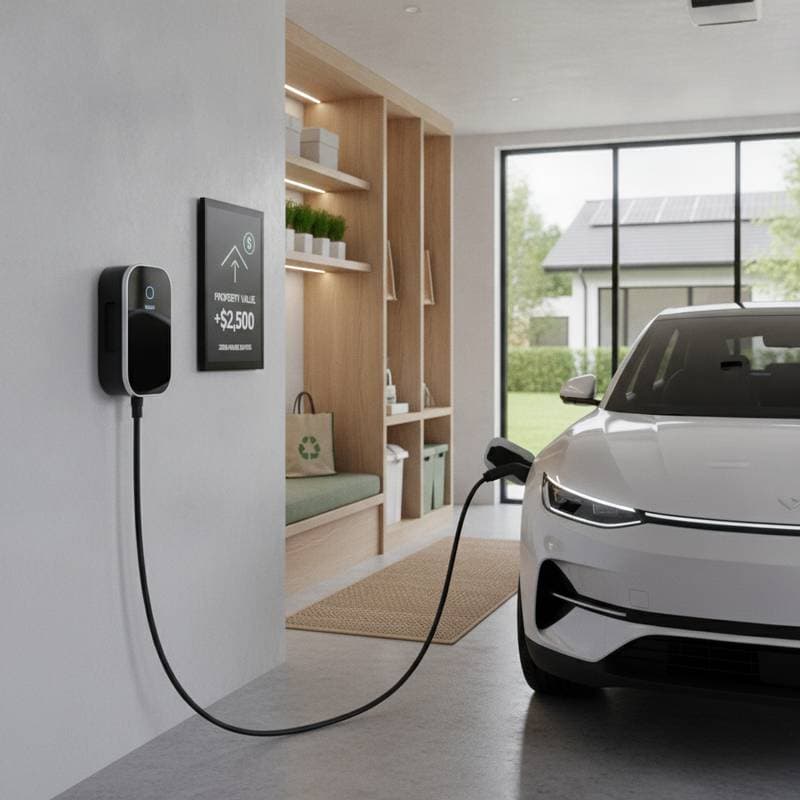
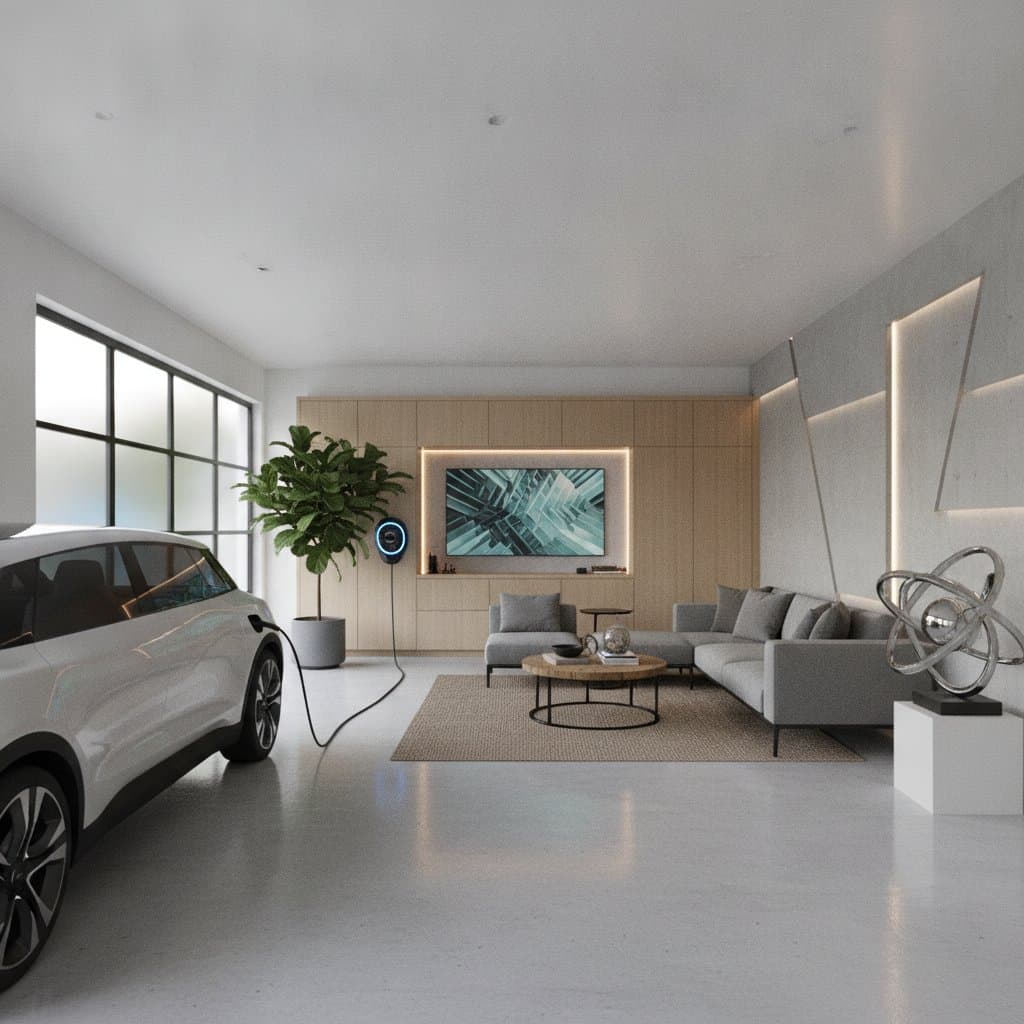
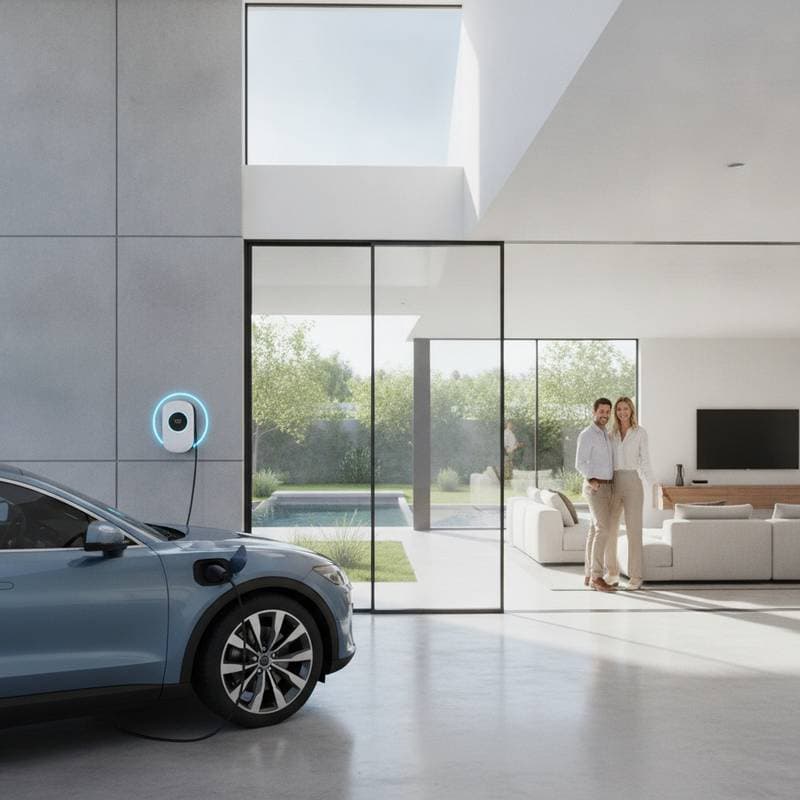
Homes equipped with dedicated EV chargers sell for approximately 11 percent more than comparable properties without them. Buyers interpret a ready-to-use charging setup as evidence of modern infrastructure and energy efficiency. Installation expenses remain modest relative to the return.
Reasons EV Chargers Increase Property Value
Electric vehicle adoption continues to rise. Prospective buyers seek residences that accommodate their vehicles without additional work. A preinstalled charger communicates convenience along with reduced long-term energy costs.
Properties that already support charging appear prominently in listings. Agents note quicker transactions and stronger offers, particularly in metropolitan markets where EV ownership rates are higher.
Process for Installing an EV Charger
- Assess the main electrical panel to confirm sufficient capacity for a dedicated 240-volt circuit.
- Select a Level 2 charger, which balances speed and household compatibility.
- Engage a licensed electrician to evaluate wiring, amperage, and compliance with local codes.
- Obtain any required permits before beginning high-voltage work.
- Mount the unit near the primary parking location and verify all connections and safety functions.
Active installation requires several hours. Permitting and inspections may extend the timeline to several days.
Cost Breakdown
| Task | Typical Cost | Factors That Influence Price |
|---|---|---|
| Level 2 charger hardware | 400 to 900 dollars | Brand, output rating, and connectivity features |
| Electrical work | 500 to 1500 dollars | Panel capacity, cable length, and permit fees |
| Complete installation | 900 to 2400 dollars | Geographic location, labor rates, and equipment specifications |
Costs increase for older service panels or detached garages.
Project Duration
Physical installation occupies roughly half a day. One to three additional days cover permitting and final inspection. Extensive wiring or panel upgrades may require up to one week.
Decision Between DIY and Professional Installation
Homeowners may attempt the work themselves only when an existing 240-volt outlet is present and they possess experience with electrical mounting.
Professional installation is required whenever a new circuit, panel upgrade, or permit is involved. A qualified electrician protects safety, code adherence, and insurance coverage.
Required Equipment and Supplies
- Level 2 charger
- Mounting hardware
- Drill with appropriate bits
- Voltage tester
- Conduit and conductors for new runs
- Electrical tape and fasteners
An electrical-rated fire extinguisher should remain accessible throughout any energized procedures.
Climate and Location Considerations
Chargers installed in freezing regions require cold-weather ratings. Coastal installations benefit from weatherproof housings. Certain jurisdictions mandate outdoor-rated conduit and ground-fault protection. Local regulations must be reviewed prior to purchase.
Situations That Require Professional Assistance
Contact a licensed electrician when a new breaker is necessary or when the panel operates near its rated capacity. Detached structures, lengthy cable runs, and pre-1980 construction also warrant expert evaluation.
Completing the Upgrade
An EV charger delivers measurable gains in daily convenience and resale value. The project requires limited disruption yet signals forward compatibility to future purchasers. Owners benefit from reduced charging times and lower operating expenses regardless of sale timeline.