EV Charging Stations Raise Home Values
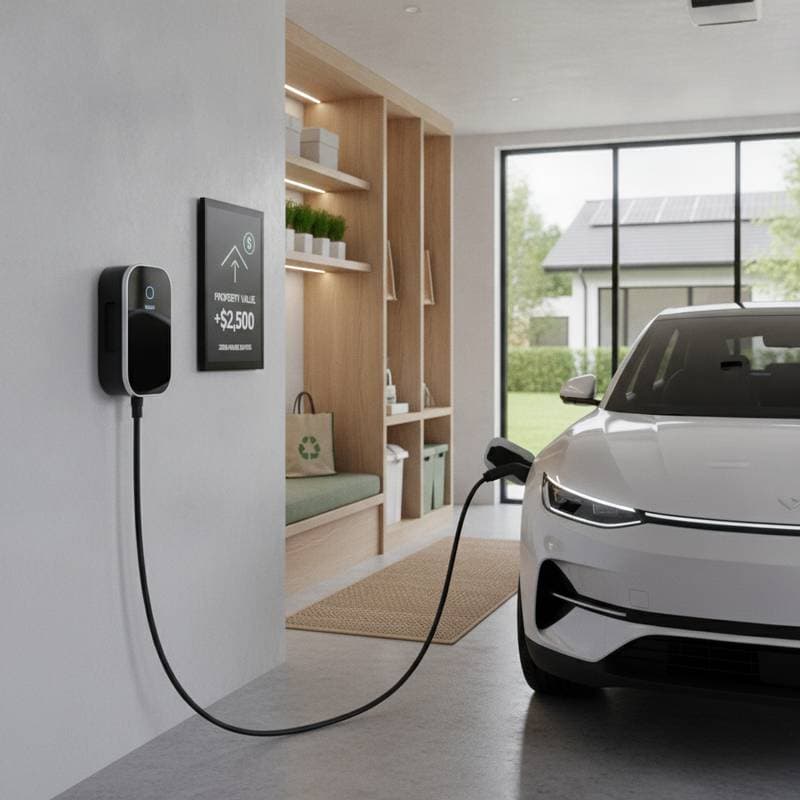
Typical costs range from 1200 to 4000 dollars when installed. This upgrade can increase home resale value by 3 to 5 percent.
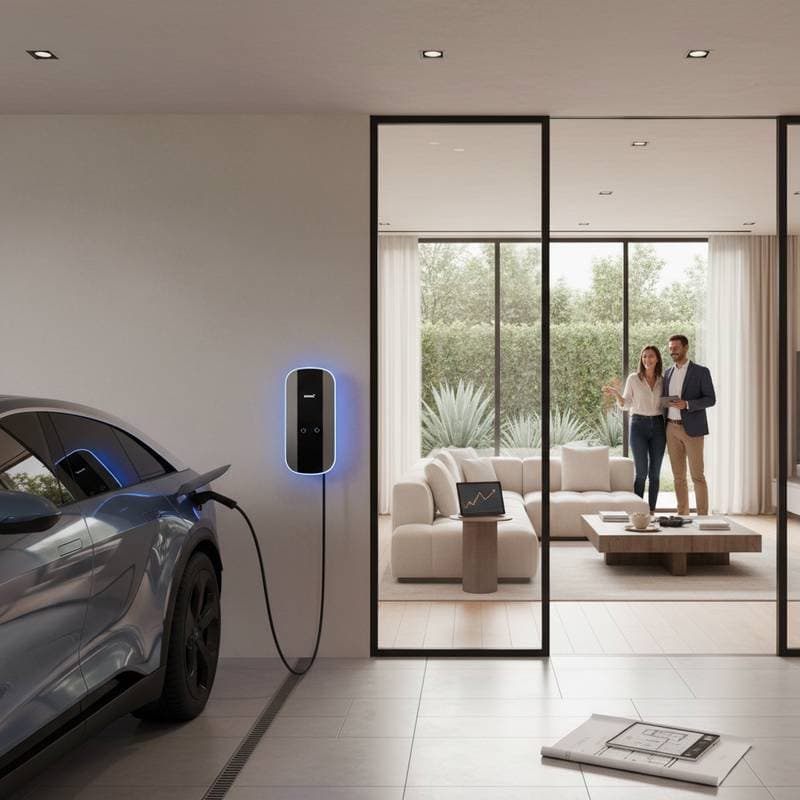
Adding an electric vehicle charging station signals that a property supports modern living. Buyers notice the added convenience along with lower energy costs. The installation also prepares the home for future requirements.
Cost Factors
-
Charger Level
Level 1 units connect to a standard outlet and cost about 300 dollars, yet they charge slowly. Level 2 models deliver faster charging and require a dedicated circuit. Hardware for these units ranges from 700 to 1500 dollars. -
Electrical Work
Panel upgrades or new wiring represent the largest expense. These tasks add 500 to 2000 dollars depending on the distance from the main electrical box. -
Permits and Inspection
Local codes usually require permits. Budget 100 to 300 dollars to cover paperwork and inspections. -
Mounting and Weatherproofing
Wall brackets or pedestals cost 150 to 400 dollars. Outdoor units need waterproof covers for protection. -
Utility or Incentive Rebates
Some utilities offer reimbursements of 200 to 800 dollars. Review available credits before purchase.
DIY Versus Professional Installation
Homeowners may handle the work themselves when a 240 volt outlet already exists near the parking area. They should also feel comfortable with basic mounting and conduit tasks. Local codes must permit plug in chargers without additional permits.
Professional installation becomes necessary when a new circuit or panel upgrade is required. Permits and inspections add further reasons to hire help. Signs of outdated wiring or overloaded circuits also indicate the need for expert assistance.
Electrical connections carry moderate to high risk. Errors may create fire hazards or void warranties. Power must remain off during any physical work.
Project Timing and Potential Savings
Work typically requires 1 to 3 days once inspections and utility coordination are scheduled. Spring and fall often provide shorter wait times and comfortable temperatures for outdoor tasks.
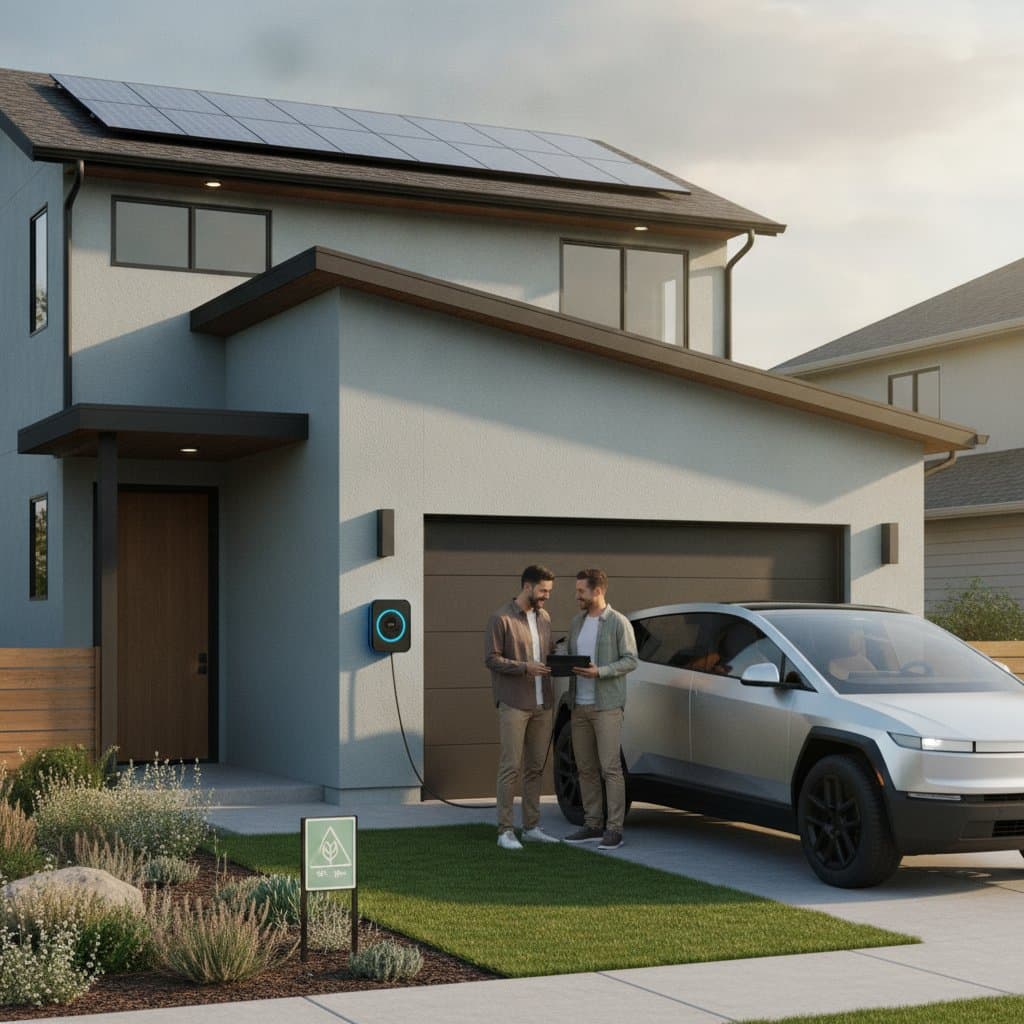
Combining the charger project with solar or panel upgrades can reduce labor and permit fees by 400 to 700 dollars. Contractors frequently offer discounts for bundled services.
Older homes may need an extra 10 to 15 percent in the budget. Drywall repairs sometimes become necessary when conduit routing is complex.
Maintenance and Warranty Considerations
Most chargers include a manufacturer warranty that lasts 3 to 5 years. Cables should stay clean and covered to avoid corrosion. Monthly testing confirms normal charge speeds.
Coastal properties benefit from sealed connectors and annual rust inspections. Replacement cords cost 150 to 300 dollars and help extend system life.
Breakers require clear labels to prevent accidental shutoffs. Software updates should be tracked on Wi Fi enabled units.
Preparing for Installation
Confirm electrical panel capacity and review local permit rules first. Obtain quotes that list labor, materials, and permit costs separately for easy comparison. Choose between plug in and hardwired systems based on the expected length of home ownership.
Properties equipped for electric vehicles send a clear signal of efficiency and preparation. Proper installation and routine care help the home remain competitive as buyer preferences evolve.