Wet Rooms Surpass Traditional Baths for 2026 Home Values
A typical midrange project costs between 10000 and 18000 dollars. It improves resale appeal while enhancing accessibility for all ages.
Project Snapshot
| Detail | Range or Note |
|---|---|
| Cost Range | 8000 to 25000 dollars depending on size and finishes |
| Timeline | 2 to 4 weeks including waterproofing and tile setting |
| Lifespan | 20 or more years with proper sealing maintenance |
| Best Season | Dry, moderate weather for faster curing |
| DIY Friendly | Only partial. Full build suits pros due to waterproofing risk |
Why Wet Rooms Are Gaining Ground
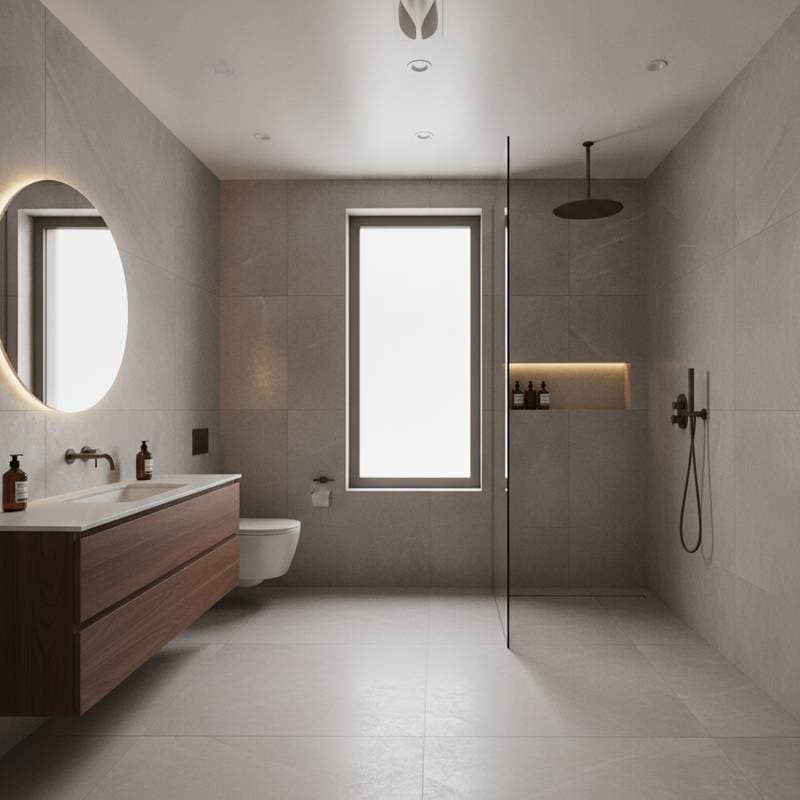
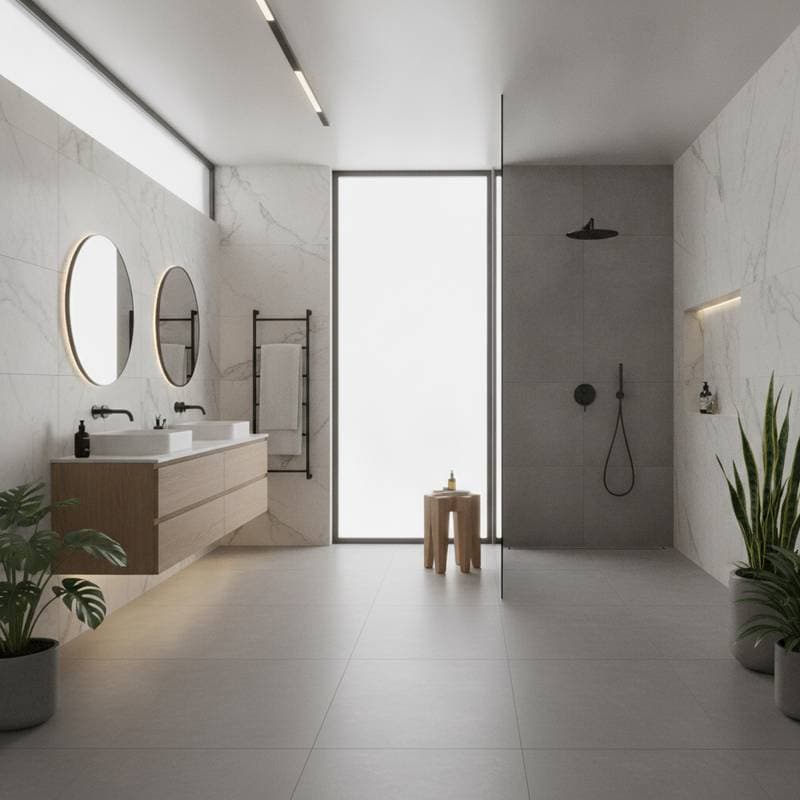
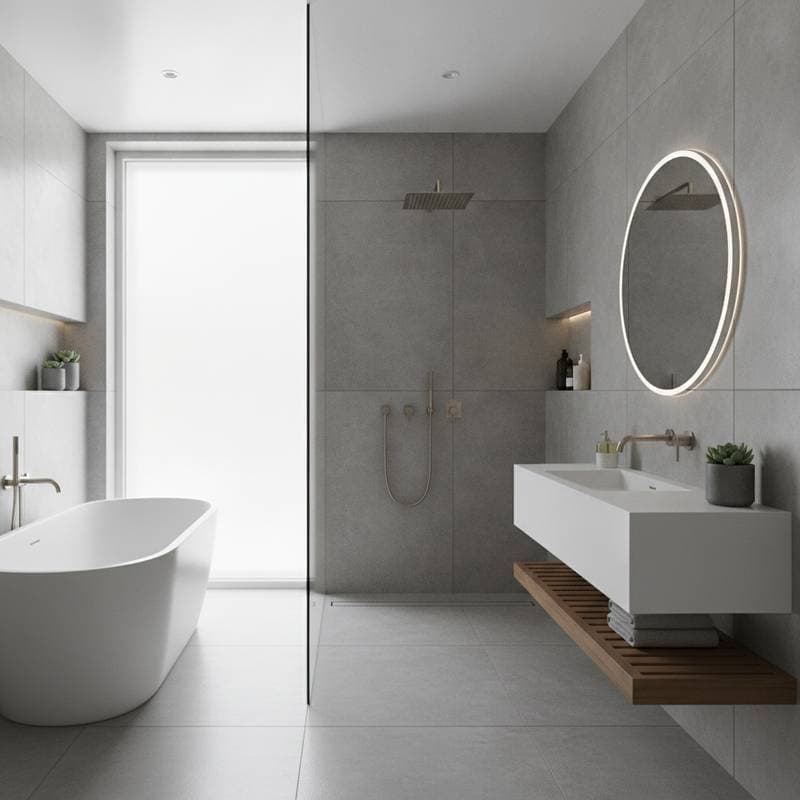
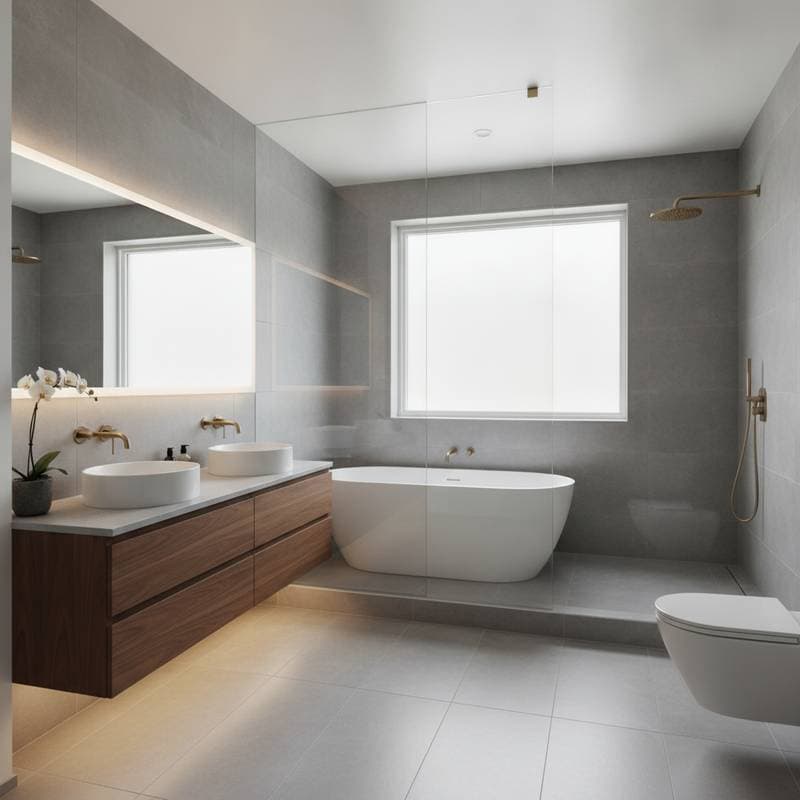
Buyers now prioritize open layouts, low threshold showers, and surfaces that clean with minimal effort. A wet room delivers these features by removing the tub, leveling the floor, and forming one continuous waterproof zone. The finished space feels larger and accommodates users of every age. Real estate agents note that homes with carefully executed wet rooms often sell more quickly and receive stronger ratings for bathroom quality.
Planning a remodel soon makes a wet room a durable choice that supports both daily comfort and future sale potential.
Cost Factors
Materials
- Tile and waterproof membranes typically run from 3 to 10 dollars per square foot for porcelain or stone.
- Linear drains range from 250 to 700 dollars and improve both appearance and water flow.
- Frameless glass panels add 600 to 1200 dollars based on height and thickness.
Labor
Specialized waterproofing and precise floor sloping represent major portions of the budget. Skilled installers generally charge 4000 to 7000 dollars for a mid size bathroom.
Size and Layout
Converting a standard 5 by 8 foot bathroom stays less expensive than moving walls or plumbing lines. Enlarging the space or adding underfloor heating increases costs by 1500 to 3000 dollars.
Permits and Disposal
Plumbing modifications require inspection in most areas. Removing the old tub and tile adds 300 to 800 dollars for haul away and disposal fees.
Add ons
Heated floors cost 12 to 15 dollars per square foot. A built in bench runs 300 to 600 dollars. Smart shower controls range from 500 to 1000 dollars.
Options and Steps
Basic
Keep existing plumbing lines. Use ceramic tile with a standard drain. Apply thorough surface sealing.
Midrange
Select slip resistant large format tile. Install a half glass screen. Add underfloor heating for everyday comfort.
Premium
Choose stone or microcement finishes. Incorporate a full glass enclosure with a linear drain. Integrate lighting or digital controls.
Steps to Start
- Measure the current bath footprint.
- Inspect floor joists for adequate slope and support.
- Review local codes covering waterproofing and plumbing.
- Obtain at least two quotes from certified bathroom remodelers.
- Set aside an extra 10 to 15 percent of the budget for possible hidden water damage.
DIY versus Professional Installation
When DIY Works
Small cosmetic tasks such as tile removal or wall painting can be handled by homeowners. Accessory installation after waterproofing is also suitable for DIY.
When to Hire a Professional
Waterproofing, drain installation, floor leveling, and structural work require trained crews. Mold, asbestos, or outdated wiring further indicate the need for experts.
Improper DIY waterproofing risks leaks that damage subfloors and reduce property value. Always test the sealed layer before installing tile.
Timing and Cost Savings
Plan for a 2 to 4 week schedule. Tile delivery, curing times, and inspections can extend the timeline. Shop during slower seasons for tile and glass discounts. Ask about rebates on water saving fixtures. Avoid peak remodeling months when labor rates increase. Combine the project with hot water system upgrades to reduce overall plumbing costs.
Maintenance and Warranties
Reseal grout every 2 to 3 years to block moisture. Clean drains regularly to prevent standing water. Use non acidic cleaners on tile and stone. Many waterproofing systems include 10 year warranties when installed by approved contractors. Retain receipts and project photos for future resale records.
Evaluating Your Bathroom Upgrade Options
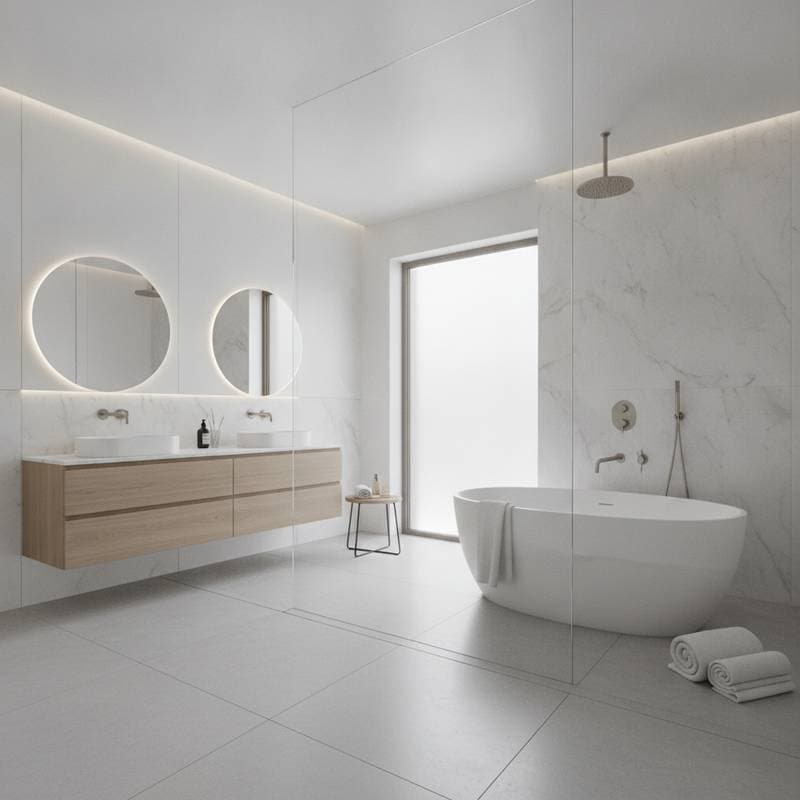
Decide whether a tub remains necessary. Removing it increases usable space yet may reduce appeal for households with young children. Secure quotes early because labor availability and material stock can affect start dates. Prioritize waterproofing quality because it safeguards resale value more than decorative choices. Select materials suited to local climate conditions. Humid regions benefit from stronger membranes and improved ventilation. Include curbless entry and wider doorways to support long term accessibility and broader buyer interest.
A properly built wet room delivers immediate comfort along with lasting durability that strengthens market position.