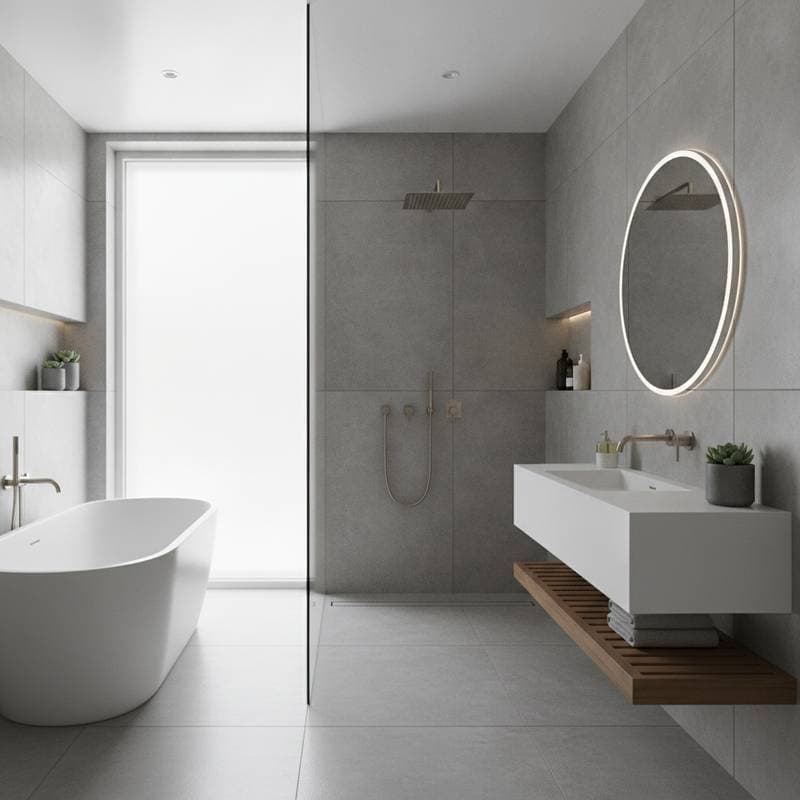
Wet Rooms Replace Traditional Showers to Increase Home Values
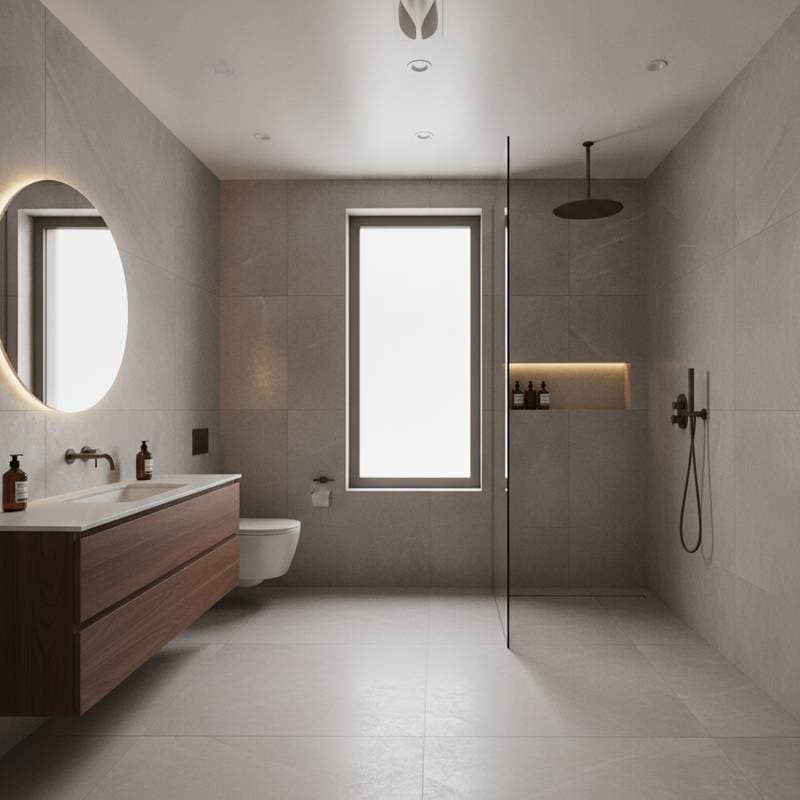
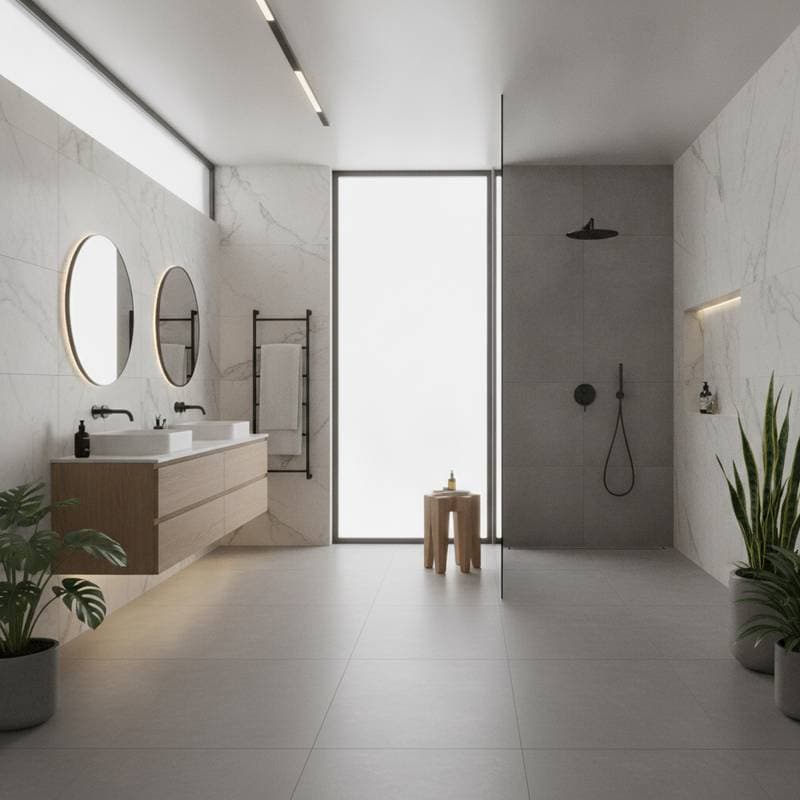
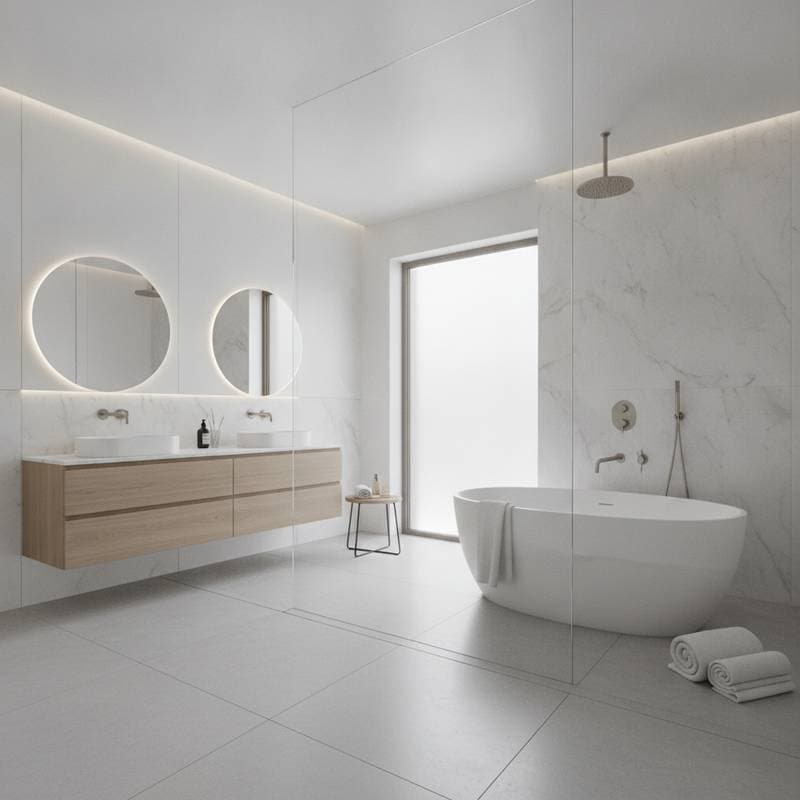
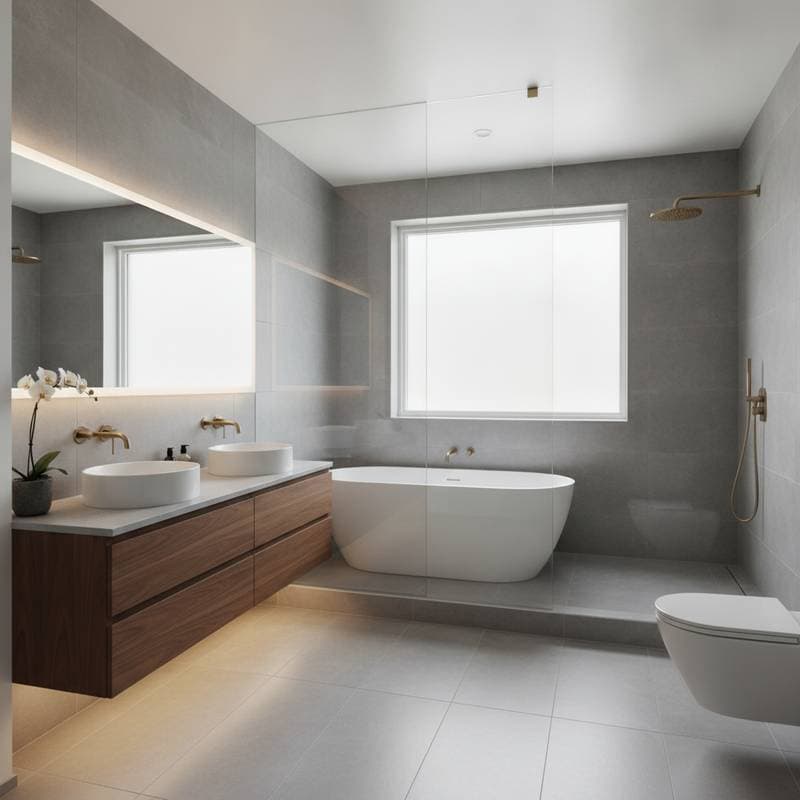
Wet rooms create fully waterproof bathrooms with open, barrier-free bathing areas. The shower zone merges with the rest of the floor through continuous surfaces and integrated drains. This layout suits small bathrooms, aging-in-place projects, and upscale homes seeking a clean, spa-inspired result.
Advantages and Limitations
Advantages
- Increases resale appeal because buyers seek accessible bathrooms without steps.
- Enhances safety by removing curbs that can cause trips.
- Simplifies cleaning since fewer edges collect mold.
- Expands perceived space in compact layouts.
- Adapts to various styles through custom tile and fixture choices.
Limitations
- Raises initial expenses due to specialized waterproofing and materials.
- Requires exact floor slope to avoid standing water.
- Demands experienced tradespeople for membrane and tile work.
- Needs strong ventilation to control moisture.
Professional Installation Requirements
Wet room projects rarely succeed as do-it-yourself efforts. Precise slope, membrane continuity, and drain placement determine long-term performance. Errors often lead to leaks and costly repairs.
Difficulty remains high. Professionals complete most projects in three to five days. Required tools include tile saws, laser levels, and waterproofing applicators.
Hire licensed contractors when converting an existing shower, altering plumbing, or seeking warranty protection. These specialists follow local codes and provide certified waterproofing documentation.
Installation Sequence
- Mark the shower zone, drain position, and required slope.
- Strengthen the subfloor and confirm level surfaces.
- Position the drain and establish proper pitch with a tray or mortar bed.
- Apply the waterproof membrane to all seams and penetrations.
- Install slip-resistant floor tile rated for wet areas.
- Extend waterproofing up the walls before tiling.
- Seal all grout lines and joints with appropriate products.
- Mount valves, showerheads, and any enclosure panels.
- Test water flow and confirm no leaks before final use.
Allow surfaces to dry fully for 24 to 48 hours after grouting.
Care and Expected Duration
Properly built wet rooms last 20 to 30 years. Manufacturer warranties on membranes often cover 10 years. Inspect tile and grout regularly.
Follow this schedule: wipe surfaces weekly, examine grout every six months, reseal lines every one to two years, and clear drains quarterly. Slow drainage or moisture outside the shower zone signals potential sealing issues.
Other Options
Curbless showers keep a defined wet zone while removing the entry step. Low-threshold units use a minimal curb for easier access. Linear-drain enclosures isolate water yet deliver modern style. Walk-in tubs address mobility needs without the open layout.
Each choice delivers some wet-room benefits at reduced cost or structural impact.
Regional Considerations
Cold climates benefit from radiant floor heating to keep tiles comfortable. Coastal homes require corrosion-resistant fixtures and extra moisture barriers. High-humidity areas need robust ventilation and mold-resistant materials. Urban labor markets can increase costs by 20 percent or more. Confirm local permit rules, as many jurisdictions treat wet rooms as full bathroom remodels.
Return on Investment
Properties with wet rooms often achieve up to 15 percent higher resale prices. Agents report strong buyer interest in barrier-free designs. Recovery of 60 to 80 percent of installation costs is common, with luxury markets sometimes returning full expense when finishes match neighborhood standards.
Protect value by selecting neutral colors, quality membranes, and practical layouts. Avoid trendy patterns that may lose appeal quickly.
Safety Measures
Use membranes meeting ANSI A118.10 standards. Choose floor tile with a minimum DCOF rating of 0.42. Maintain a quarter-inch-per-foot slope to the drain. Add grab bars and GFCI protection where appropriate. Install moisture-resistant backer board instead of standard drywall.
Common Questions
How does a wet room differ from a walk-in shower? A wet room waterproofs the entire floor and lower walls, while a walk-in shower limits waterproofing to one zone.
Can any bathroom become a wet room? Most can, provided the subfloor supports new drainage and slope. Concrete performs best; wood may need reinforcement.
Do wet rooms require special drains? Yes. Linear or point drains designed for continuous waterproofing ensure reliable flow.
Is underfloor heating worthwhile? It speeds drying and improves comfort, especially in cooler regions.
How can splashing be controlled? Partial glass screens, appropriate showerheads, and correct floor pitch limit water spread.
Next Steps
Obtain three detailed bids from contractors experienced in barrier-free bathrooms. Verify local code requirements for drains and membranes. With careful planning, a wet room delivers lasting function and added market value.