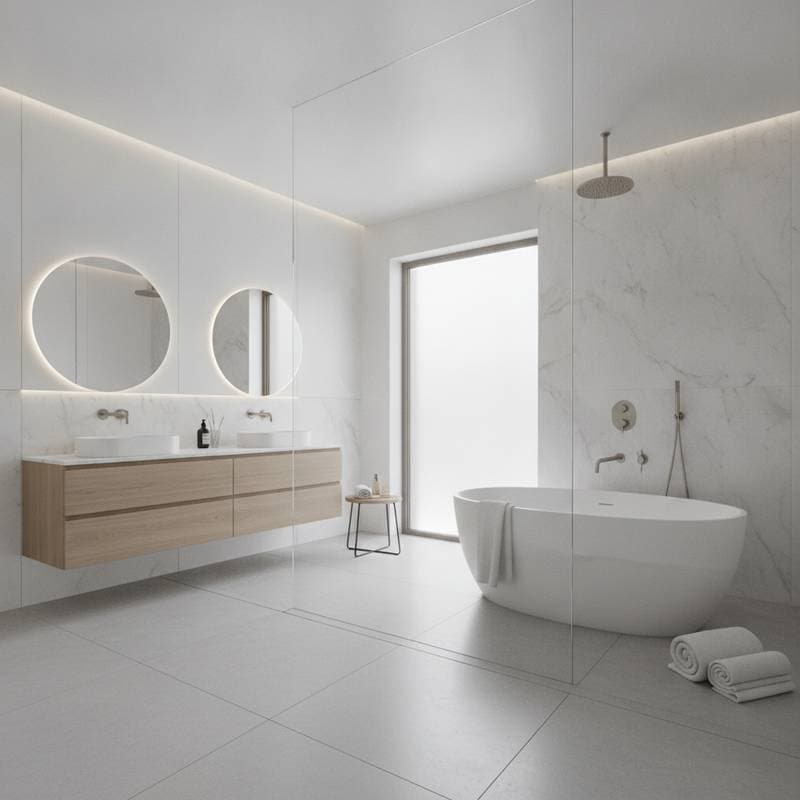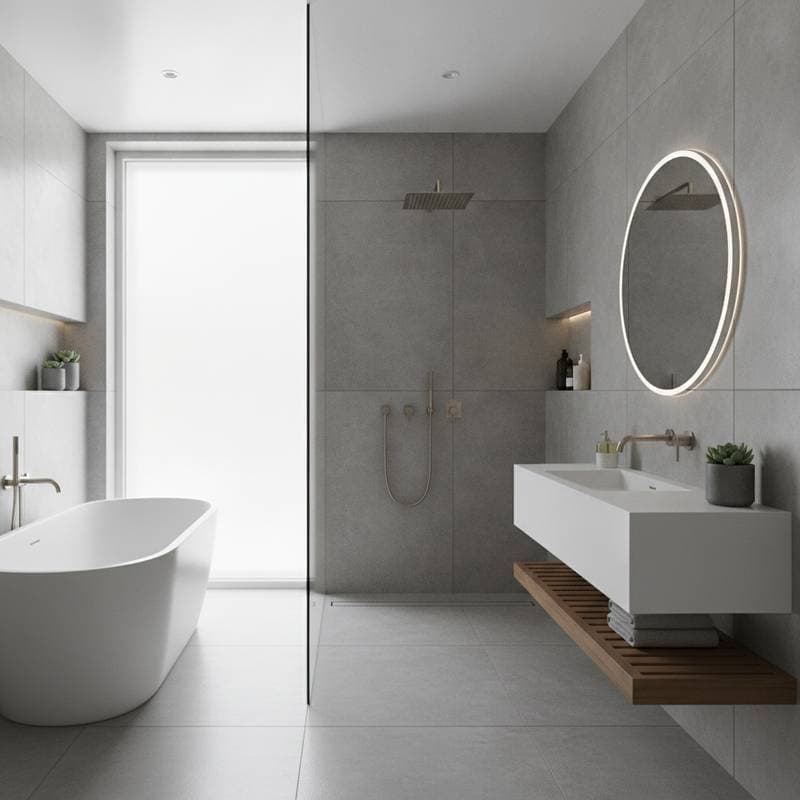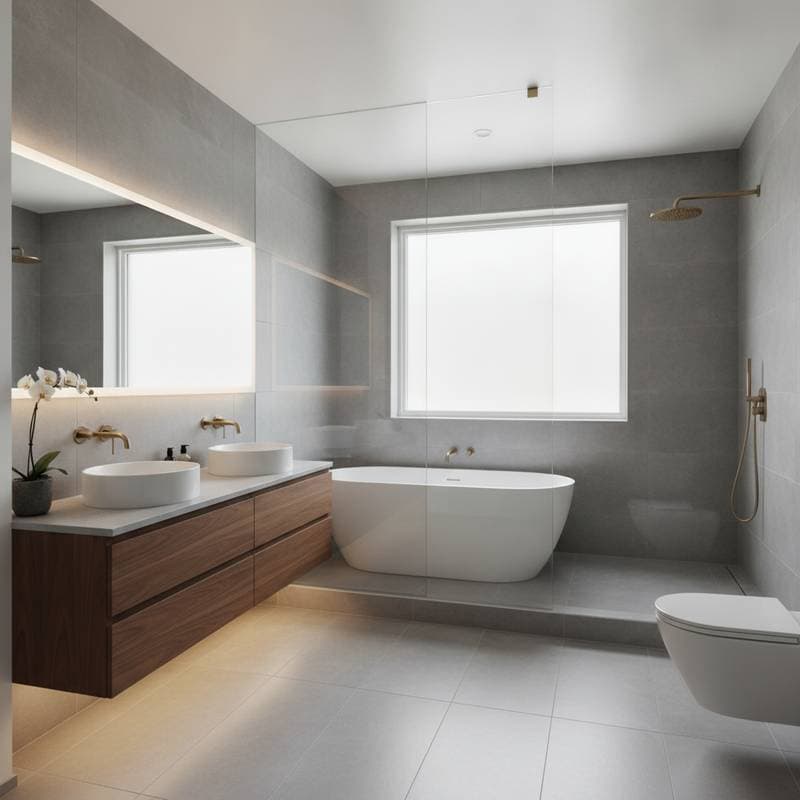
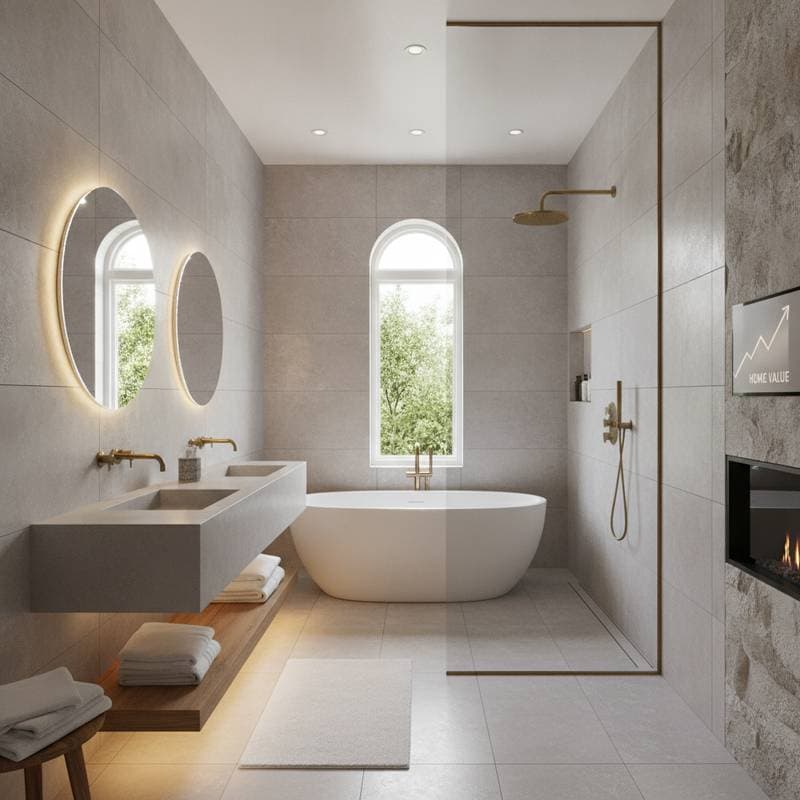
Wet Rooms Replacing Showers to Increase Home Value in 2026
Typical cost reaches 12000 dollars for a midrange wet room. This investment adds up to 5 percent to resale value.
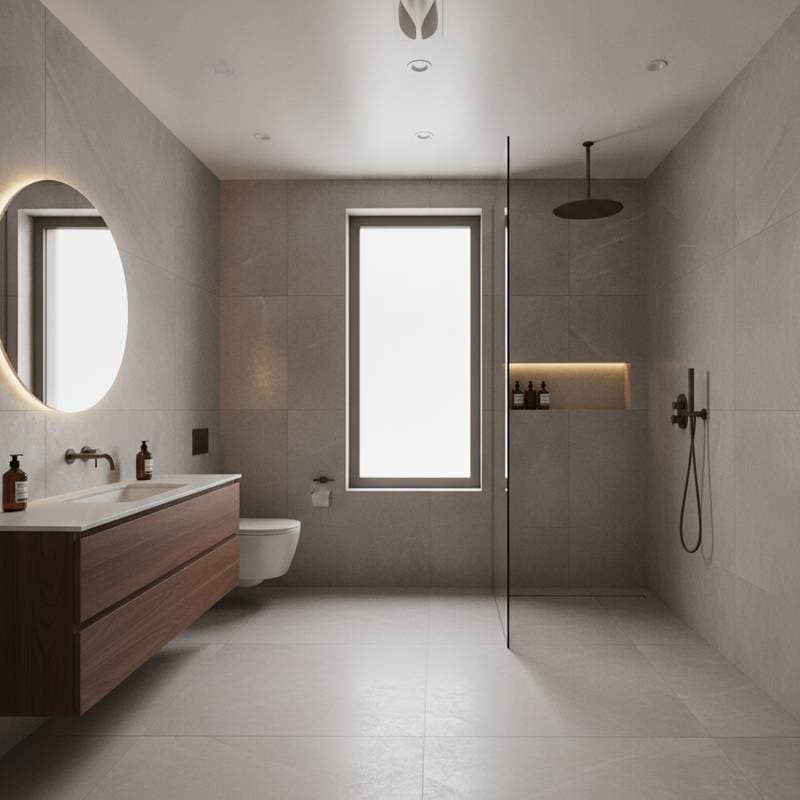
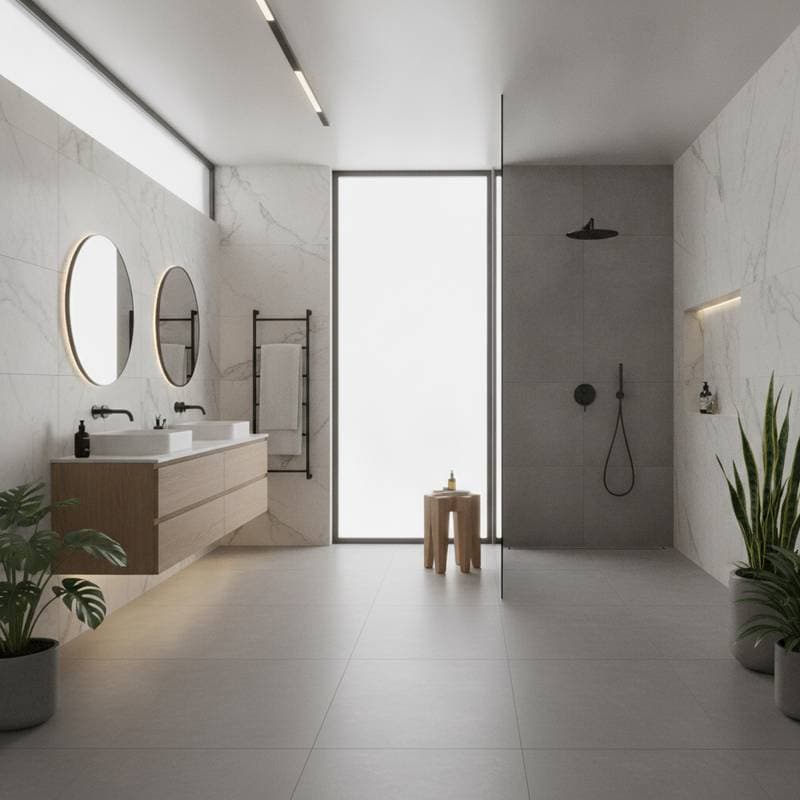
A full wet room combines open design, easy cleaning, and universal access. More buyers now view it as a luxury feature that improves daily function and resale appeal.
Cost Factors
Several variables drive cost. Knowing them upfront helps you decide what scale fits your budget and timeline.
Materials and finishes
Tile choice influences both price and longevity. Porcelain floors cost about 6 to 10 dollars per square foot. Premium stone or large format slabs can reach 25 dollars per square foot. Groutless panels reduce cleaning but cost more upfront.
Labor intensity
Wet rooms require full waterproofing. A professional installer charges 50 to 100 dollars per hour. Sealing membranes add 800 to 1500 dollars in materials. Improper sealing leads to leaks, so this step requires full attention.
Layout and size
Expanding a small shower into a full wet room often means rerouting drains or creating slopes. Expect an extra 1000 to 2500 dollars for plumbing changes. Larger rooms require more tile, more labor, and longer drying times.
Access and permits
Second floor bathrooms need floor reinforcement for the slope and membrane layers. Some areas require inspection of waterproofing before tile installation. Budget 200 to 400 dollars for permit fees.
Add ons and finishes
Glass screens, linear drains, heated floors, or wall niches raise comfort and resale interest. Each feature can add 300 to 1000 dollars. These elements often encourage buyers to pay more when you sell.
DIY versus Professional Installation
DIY scope covers demolition, paint, or fixture removal. It also includes simple tile layouts under 100 square feet and installation of accessories such as shelves or towel bars.
Hire a professional when the project requires new plumbing or drainage slopes. Professional help is also essential when applying waterproof membranes or working on an upper floor with older framing.
Incorrect waterproofing remains the top failure point. Leaks may not appear for months and can cost 5000 dollars or more to repair. Tile cutting requires specialized tools that most homeowners do not own. A professional ensures slope accuracy, membrane thickness, and code compliance.
Maintenance and Warranties
A well installed wet room lasts decades when sealed and cleaned correctly.
Routine care involves mild cleaners rather than acids to protect grout and membranes. Wipe tile dry weekly to prevent mold. Check sealant joints each year and reapply as needed.
Warranty coverage often includes 10 year material guarantees for tile and waterproofing systems when installed by certified contractors. Keep photos and receipts for proof. Heated floors or smart controls carry separate warranties, usually 3 to 5 years, which can be extended for a small fee.
Planning Your Project
Assess your layout by measuring the current shower footprint and drain location. Set a realistic budget that starts at 8000 dollars for basic work and adds features that matter most for function and resale.
Obtain two or three bids from contractors. Ask about the membrane systems they use and whether they offer workmanship warranties. Confirm local waterproofing and plumbing requirements before demolition begins.
Arrange alternate bathing space during construction. With careful planning and a qualified installer, a wet room improves daily comfort and supports long term home value.