2026 Buyers Pay 11% Premium for Wet Room Upgrades
Buyers pay about 11 percent more for homes with wet rooms. This trend shows that modern, low-barrier bathrooms rank as a top resale feature.
Why Wet Rooms Hold Value
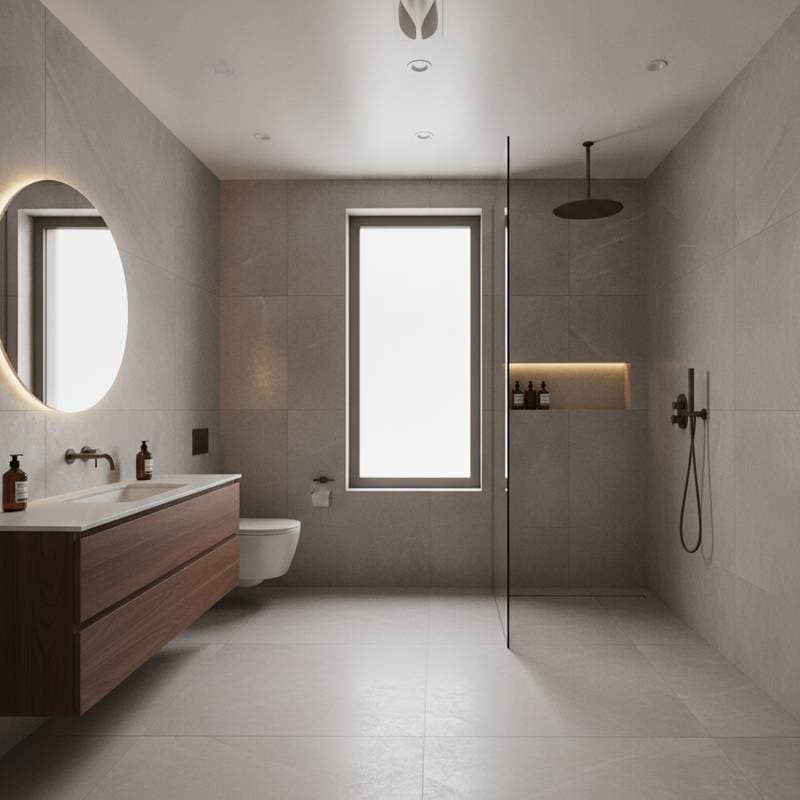
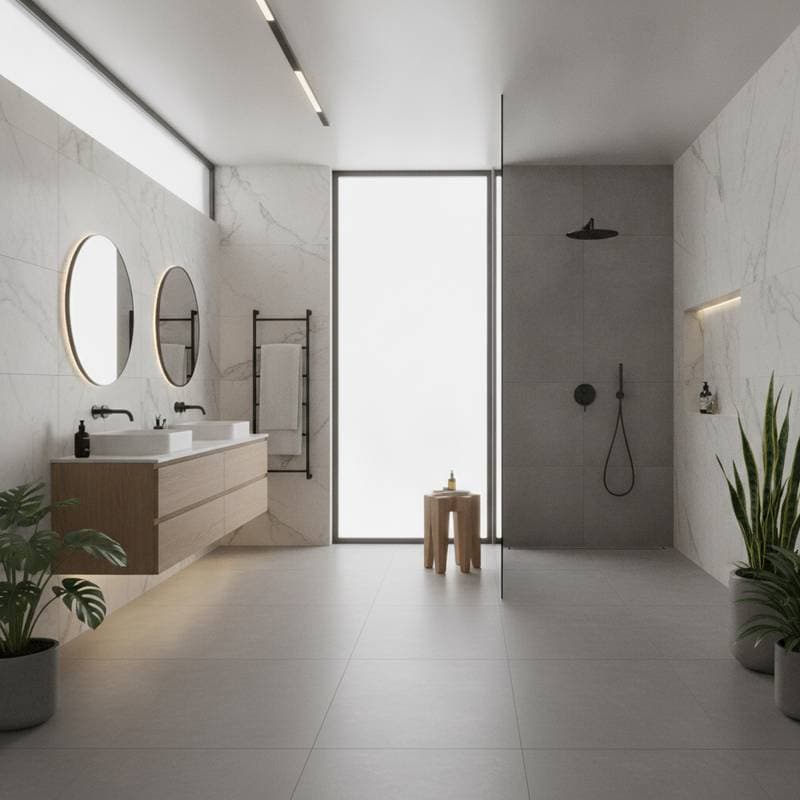
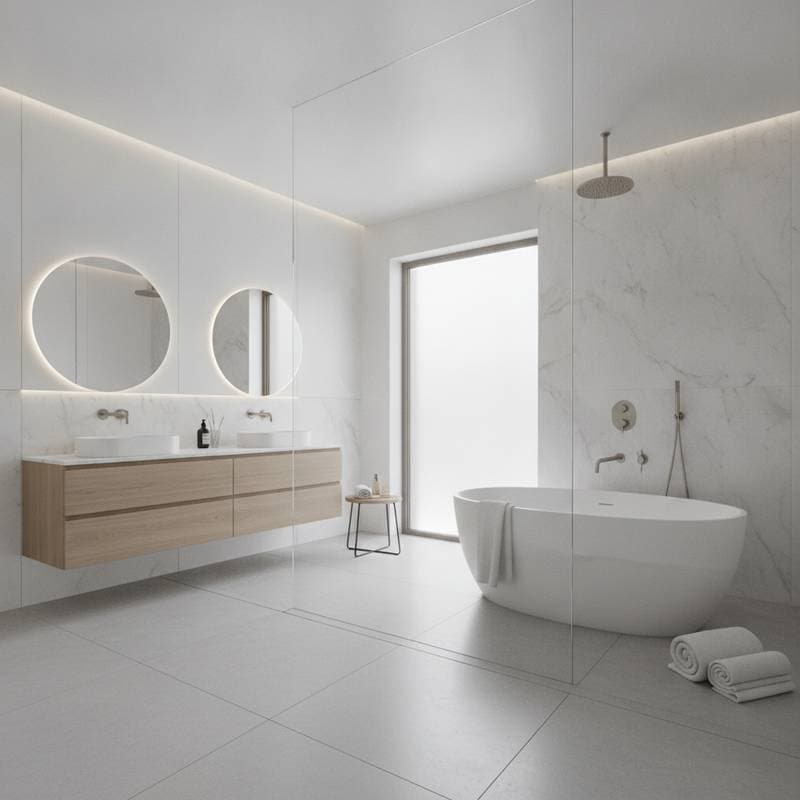
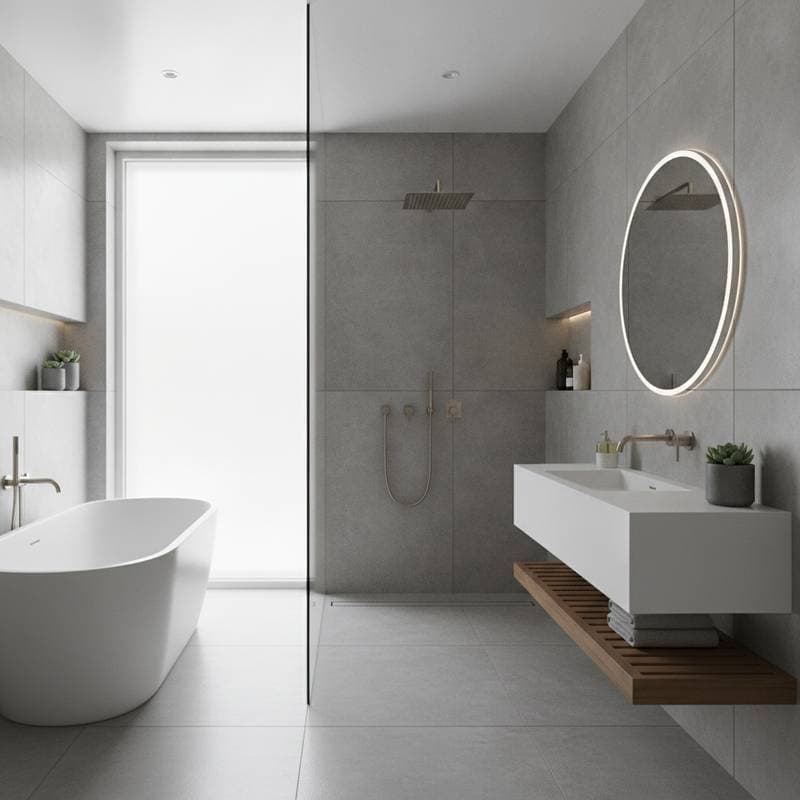
Homebuyers seek clean lines, easy access, and low maintenance. Wet rooms deliver these qualities through an open shower design. The layout removes barriers, adds visual space, and suits both minimalist and luxury styles. Properties with properly installed wet rooms draw stronger offers because the space feels newer and more adaptable.
Options and Upgrades
Basic Wet Room
- Uses the existing footprint
- Features ceramic tile and a standard drain
- Includes basic fixtures
- Average cost ranges from 9000 dollars to 11000 dollars
This option suits small baths or budget refreshes.
Midrange Wet Room
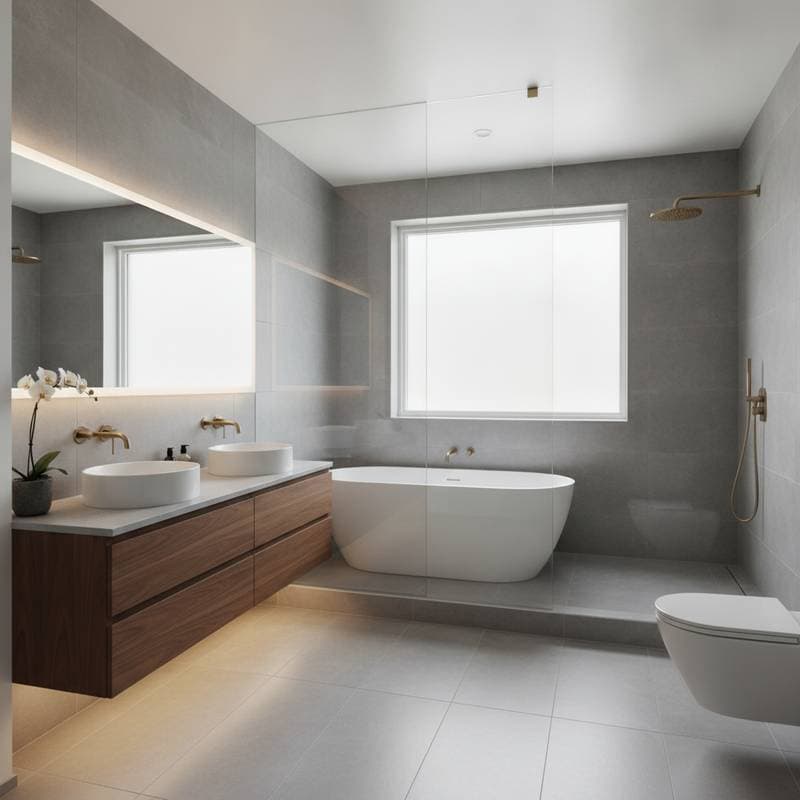
- Adds partial glass panels
- Incorporates upgraded tile or stone accents
- Includes underfloor heating
- Average cost ranges from 12000 dollars to 16000 dollars
This choice balances comfort and resale boost.
Premium Wet Room
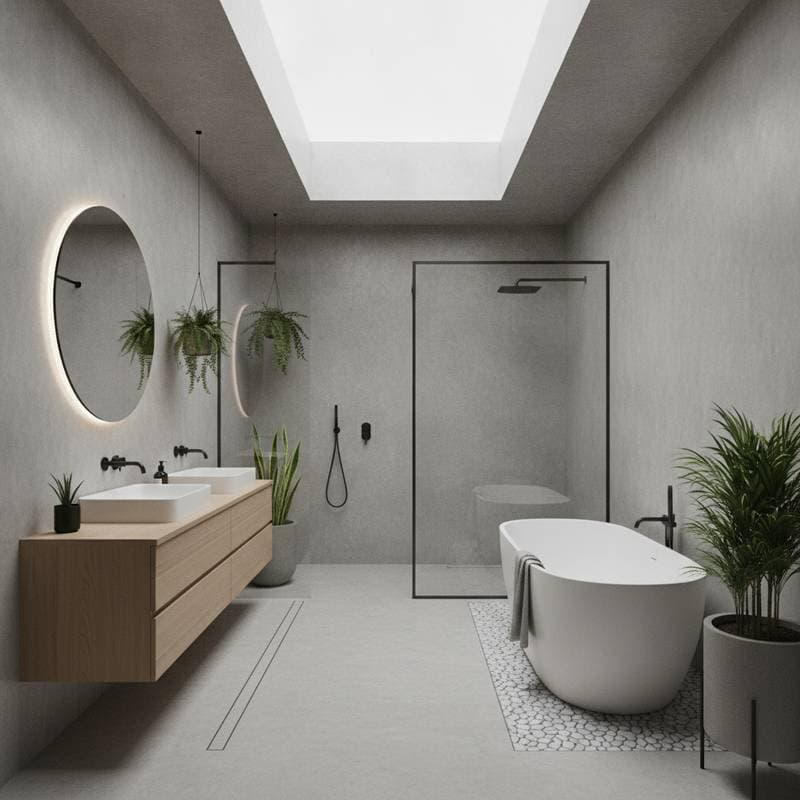
- Features a full glass enclosure and linear drain
- Adds a built-in bench, niche, and concealed plumbing
- Includes designer fixtures
- Average cost ranges from 18000 dollars to 25000 dollars
This level delivers luxury and strong long-term appeal.
Timing and Savings
Plan for two to four weeks due to drying and inspection requirements. Waterproof membranes need time to cure before tile and grout application. Tile supply shortages can extend lead times, especially for large-format or specialty pieces. Book contractors early, particularly before peak renovation seasons.
To control costs, reuse existing plumbing locations, choose midrange tile with a durable finish, and skip full glass enclosures when privacy walls suffice. Budget an extra 10 to 15 percent for hidden water damage or subfloor repair in older homes. Some regions offer rebates or tax credits for low-flow fixtures and water-saving designs. Check with the local building department before starting.
Market Insight for 2026
Buyers now link wet rooms to high-end living and universal design. Real estate data indicates homes with a clean, curbless shower achieve about 11 percent higher sale prices than similar homes without them. The premium stems from perceived luxury, easier maintenance, and better long-term accessibility for aging homeowners.
Builders respond with open layouts, slip-resistant tiles, and integrated floor drains as standard options in new construction. Renovators achieve higher returns when they convert traditional tubs or enclosed showers into wet rooms that expand small spaces visually.
The strongest resale lift occurs in midrange homes priced below luxury tiers. Upscale buyers already expect these features, while mid-level buyers view them as a major value upgrade.
Planning Your Wet Room Project
Start by measuring the bathroom and listing reusable elements. Obtain at least three quotes from licensed contractors who specialize in wet rooms. Request proof of waterproofing certification and references from past installations.
With limited funds, begin with a partial conversion such as a curbless shower zone and waterproof flooring. This approach captures most of the resale appeal without full demolition.
Wet rooms serve as both a style choice and a practical investment. They align with aging-in-place trends, reduce cleaning time, and retain value better than standard shower-tub combinations.
Next Steps for Installation
Set the budget, define the scope, and schedule a moisture inspection before breaking ground. This single check prevents the most expensive mistakes and leads to a clean, timeless bathroom that delivers returns.