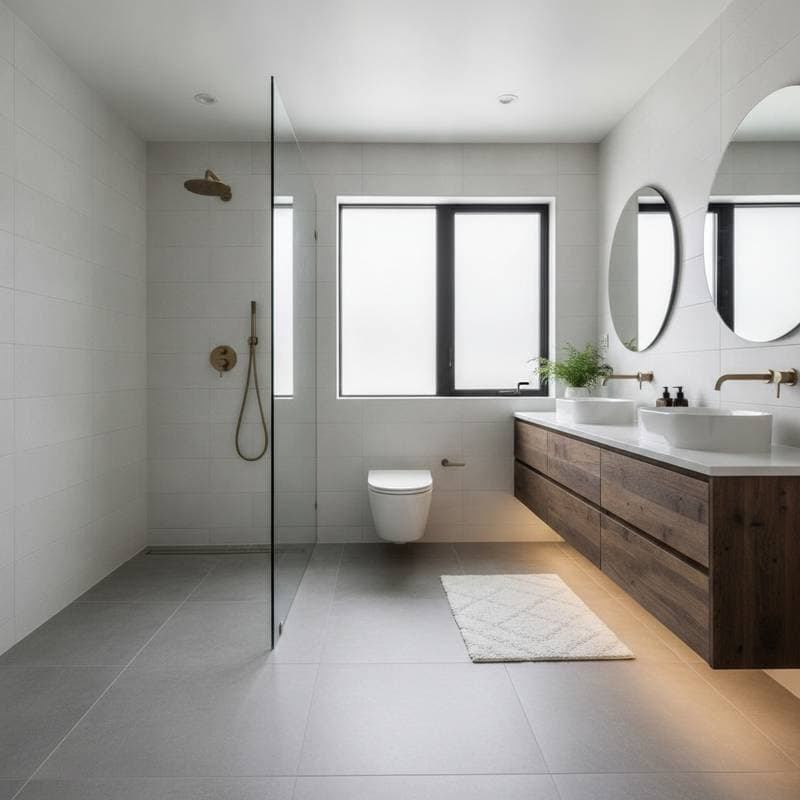
Wet Rooms Gain Ground in Modern Home Planning
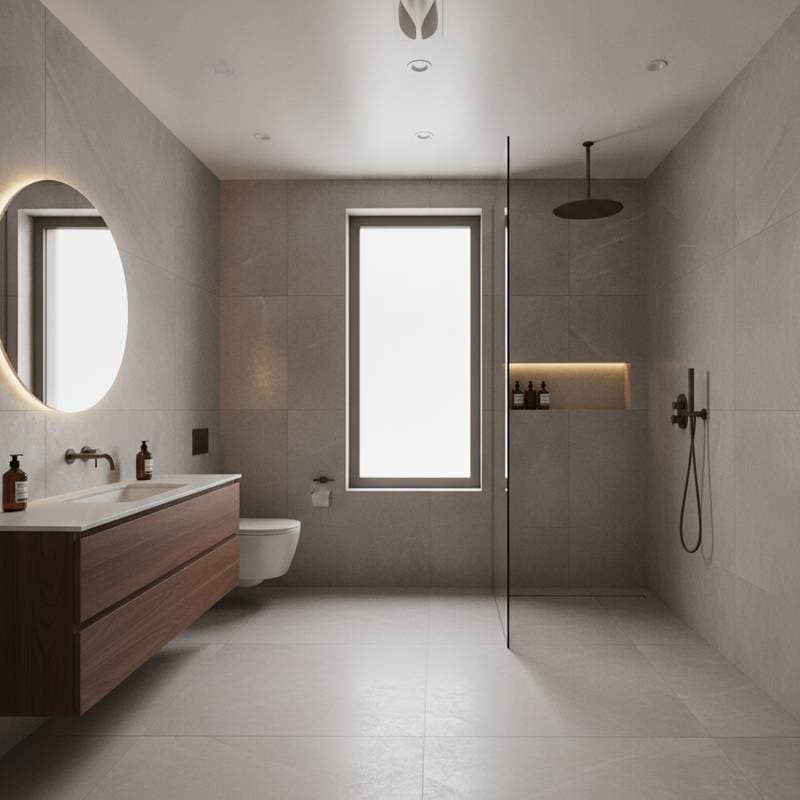
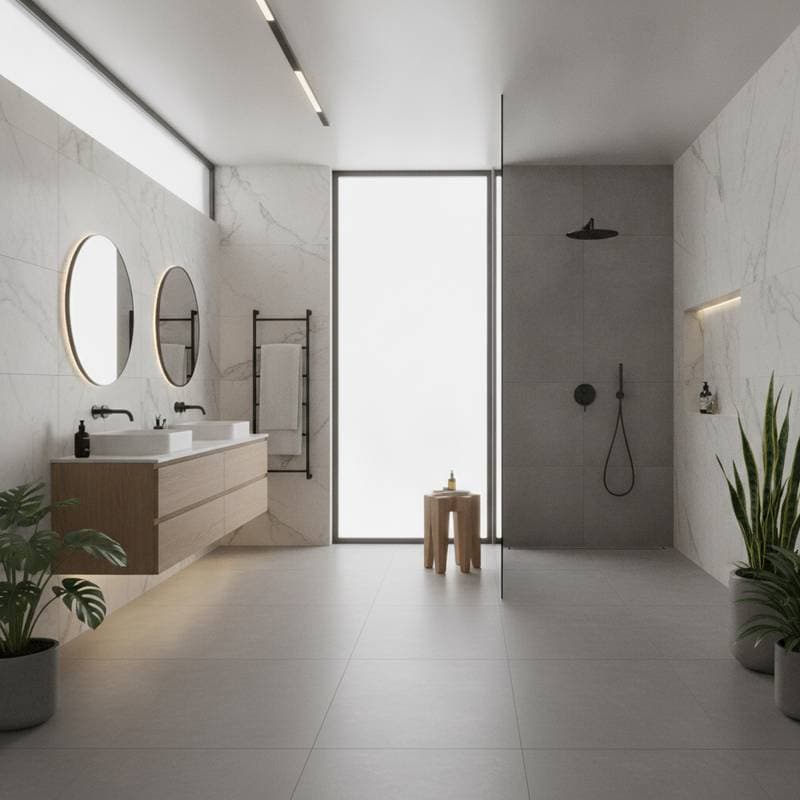
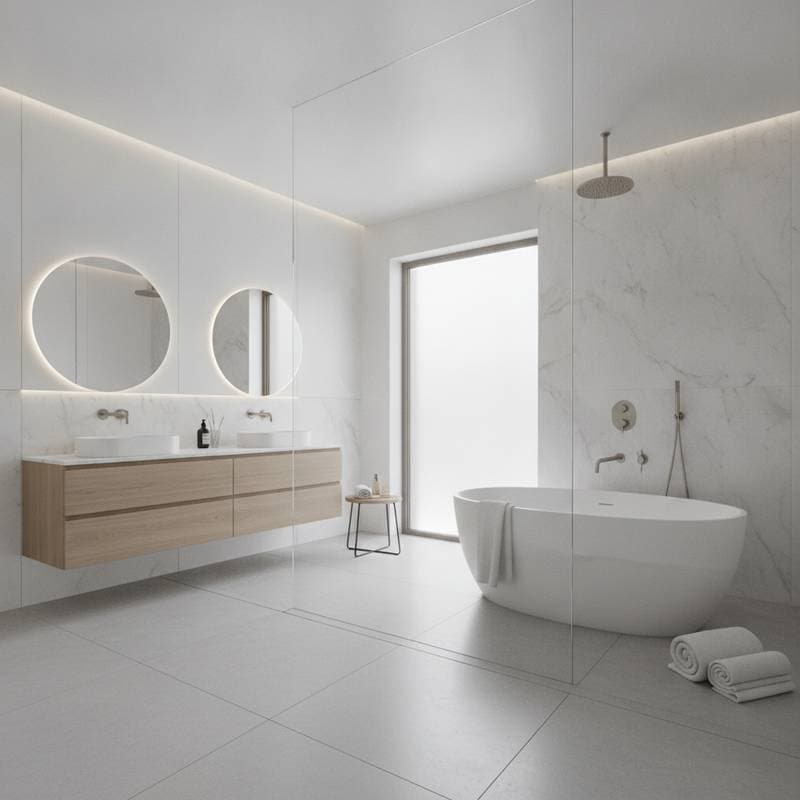
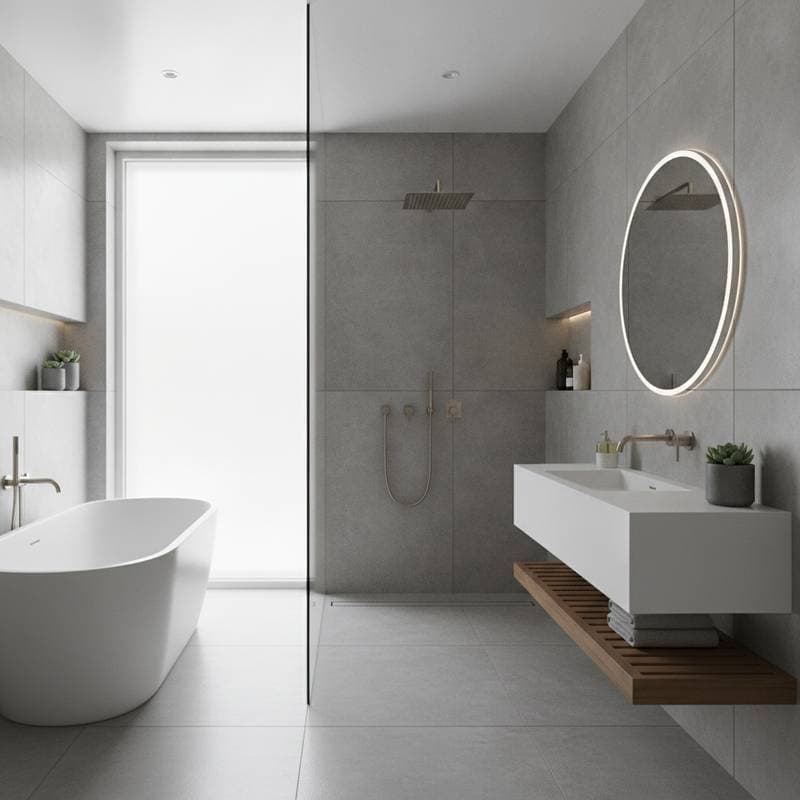
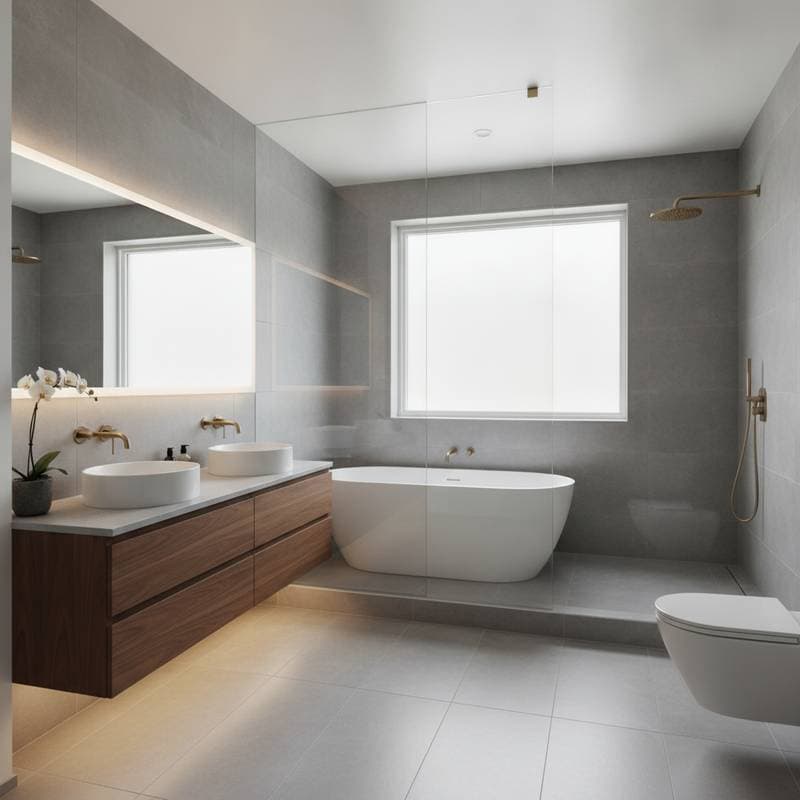
Wet rooms deliver a seamless, waterproof bathroom environment without the traditional shower enclosure. This approach removes barriers and creates a unified space that supports both daily routines and long term property value. Homeowners increasingly choose this layout for its clean lines and practical advantages.
Core Advantages for Daily Use
A wet room improves accessibility because there is no step or curb to cross. This feature benefits households with children, older adults, or anyone who prefers easier movement. The open floor plan also simplifies cleaning since water flows directly to a central drain.
Proper waterproofing protects the structure beneath the finishes. When installed correctly, the system prevents moisture damage that can lead to costly repairs later. Many owners report lower maintenance needs compared with enclosed showers that trap soap residue and mildew.
Budget Considerations and Material Choices
Project costs typically range from eight thousand to twenty thousand dollars. The final amount depends on the size of the space, the type of waterproofing membrane, and the tile or surface material selected. Basic layouts with standard fixtures fall at the lower end, while custom drainage and premium finishes push totals higher.
Homeowners can control expenses by choosing durable yet affordable tile and by planning the drain location early. Working with a contractor experienced in wet room construction reduces the risk of rework. Material selections such as large format porcelain or textured stone improve slip resistance without sacrificing appearance.
Planning and Installation Steps
Begin with a detailed assessment of the existing floor structure and plumbing lines. A licensed professional evaluates whether additional supports or slope adjustments are required. Next, select a linear or point drain system that matches the intended layout.
Apply a high quality liquid or sheet membrane to all surfaces that will contact water. Tile work follows, with careful attention to grout lines and transitions at doors or adjacent rooms. Final steps include testing the drainage and sealing all joints.
Design Elements That Enhance Value
Lighting positioned to reduce shadows improves both safety and visual appeal. Wall mounted fixtures keep the floor clear and reinforce the open feel. Neutral color palettes paired with natural textures create a spa like atmosphere that appeals to future buyers.
Storage solutions integrated into the walls maintain the minimalist profile while providing practical function. Heated flooring adds comfort in colder climates and serves as a selling point during showings.
Selecting Professionals and Avoiding Common Pitfalls
Interview contractors who can supply references from completed wet room projects. Verify that they carry insurance covering waterproofing failures. Request a written scope that details membrane type, slope requirements, and warranty terms.
Avoid rushing material decisions without seeing samples in person. Confirm that the chosen drain meets local building codes for flow rate and accessibility. These precautions help ensure the finished space performs reliably for years.
Next Steps for Homeowners
Schedule a site visit with a qualified designer or contractor to review your current bathroom layout. Gather product samples and cost estimates before committing to a timeline. With careful preparation, a wet room can deliver lasting style, safety, and convenience.