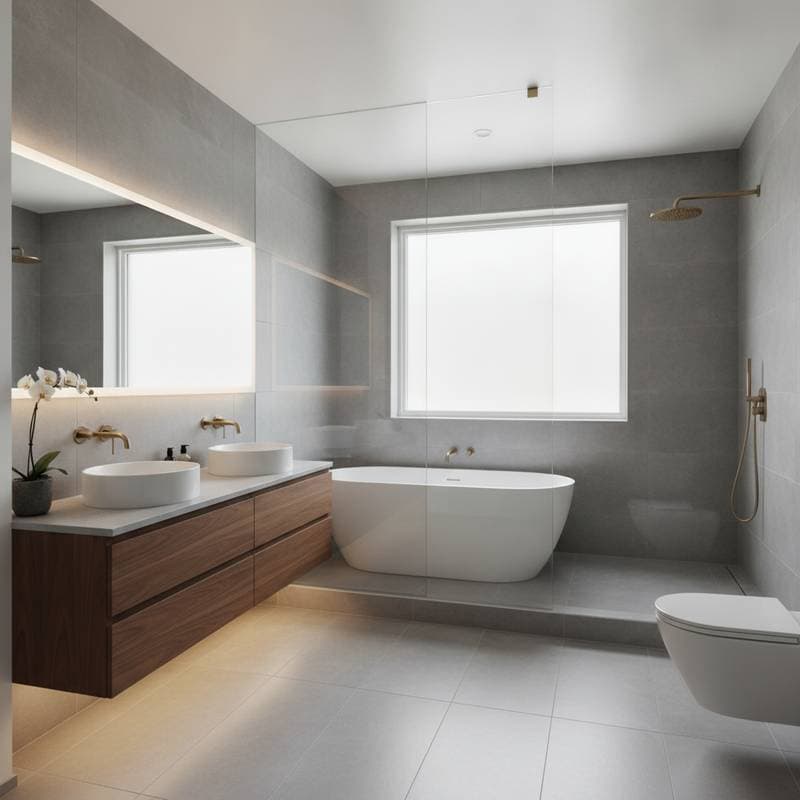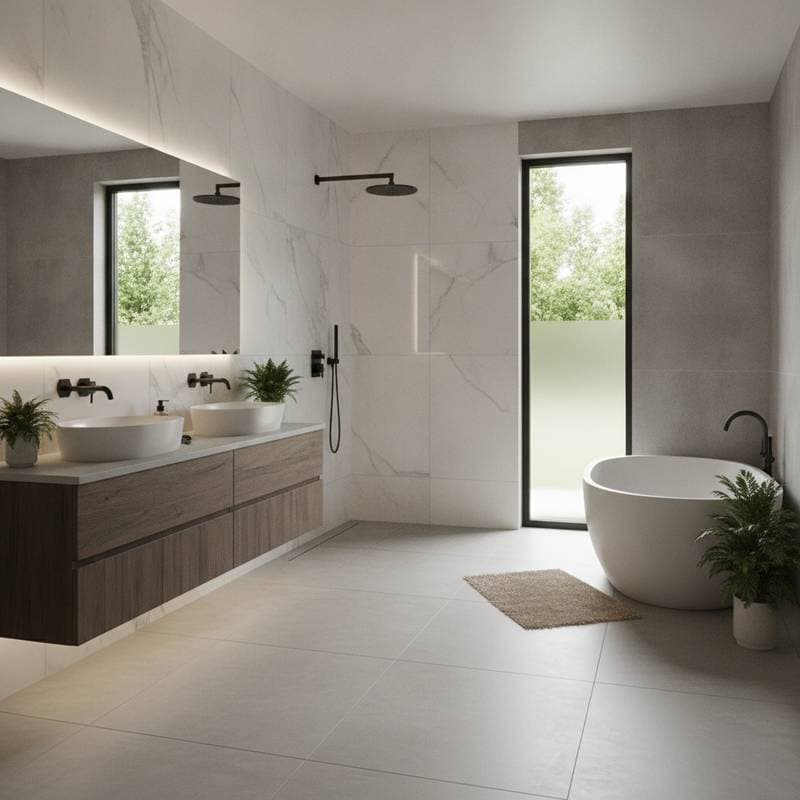
Buyers Pay 11 Percent Premium for Wet Rooms in 2026 Homes
Typical upgrade value: plus 11 percent resale premium when adding a true wet room bath.
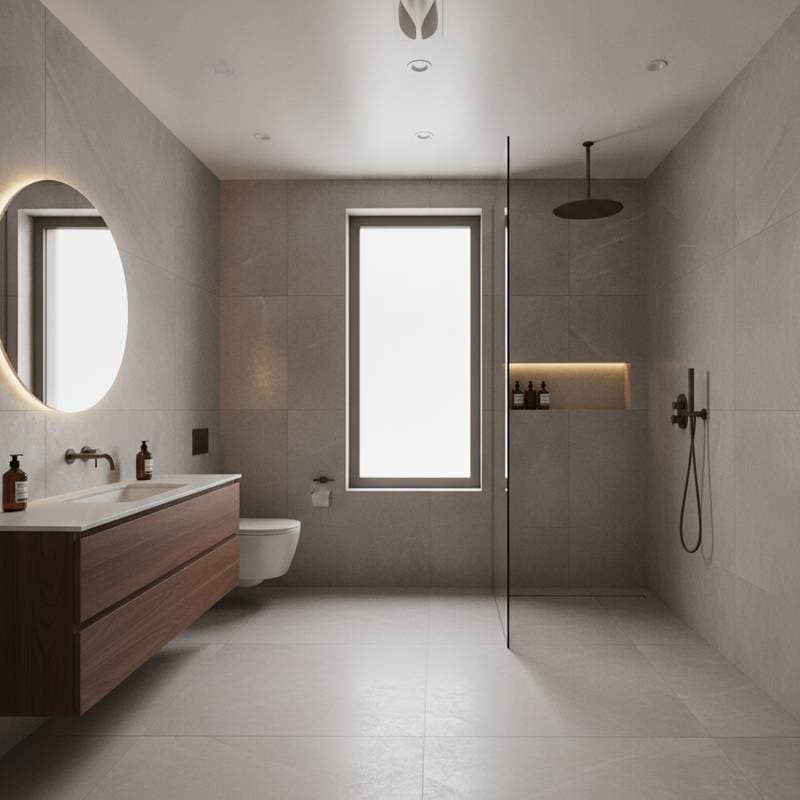
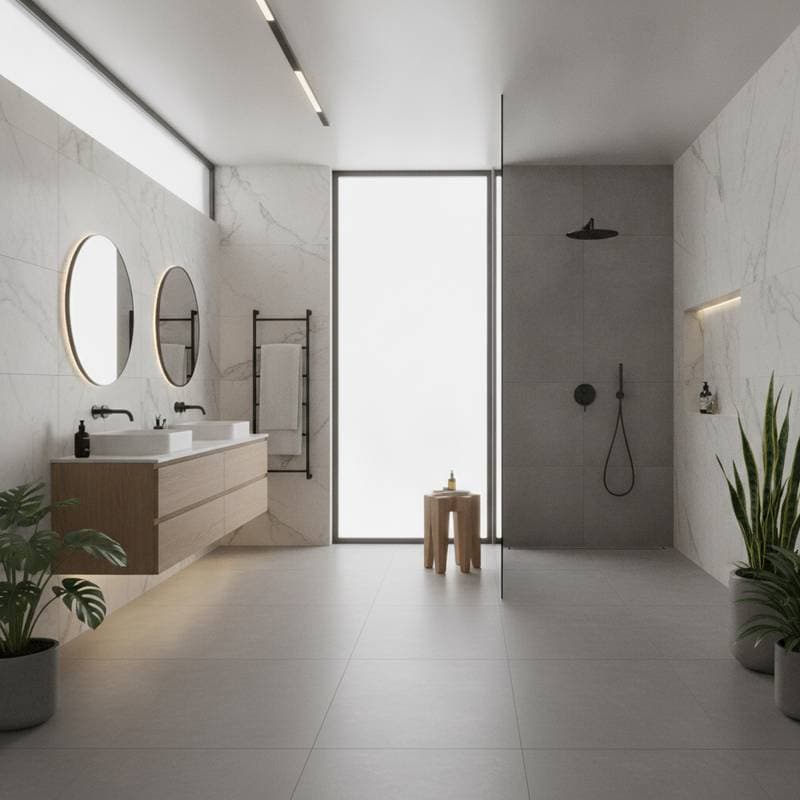
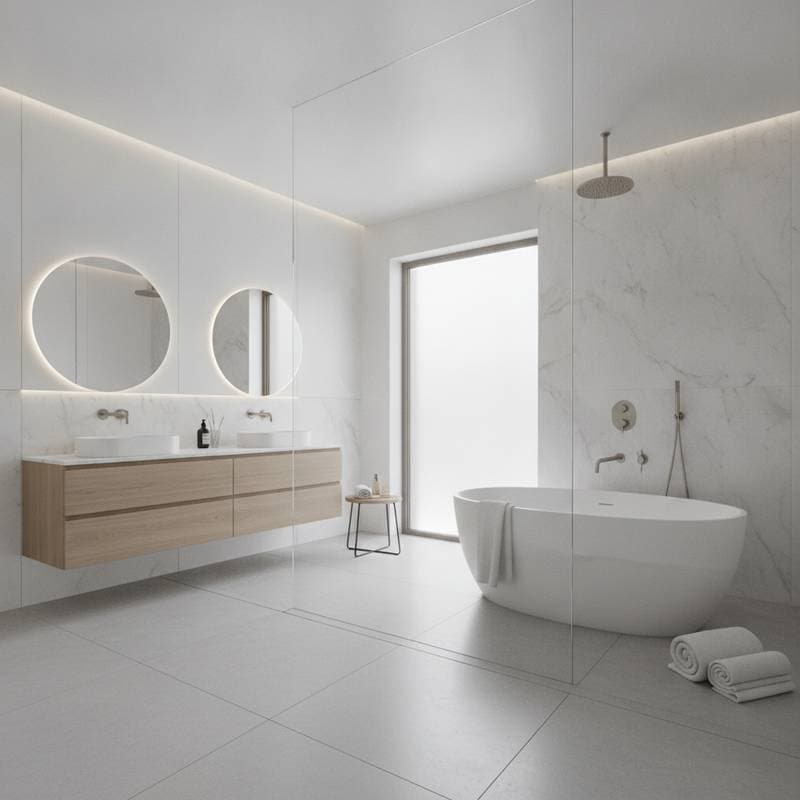
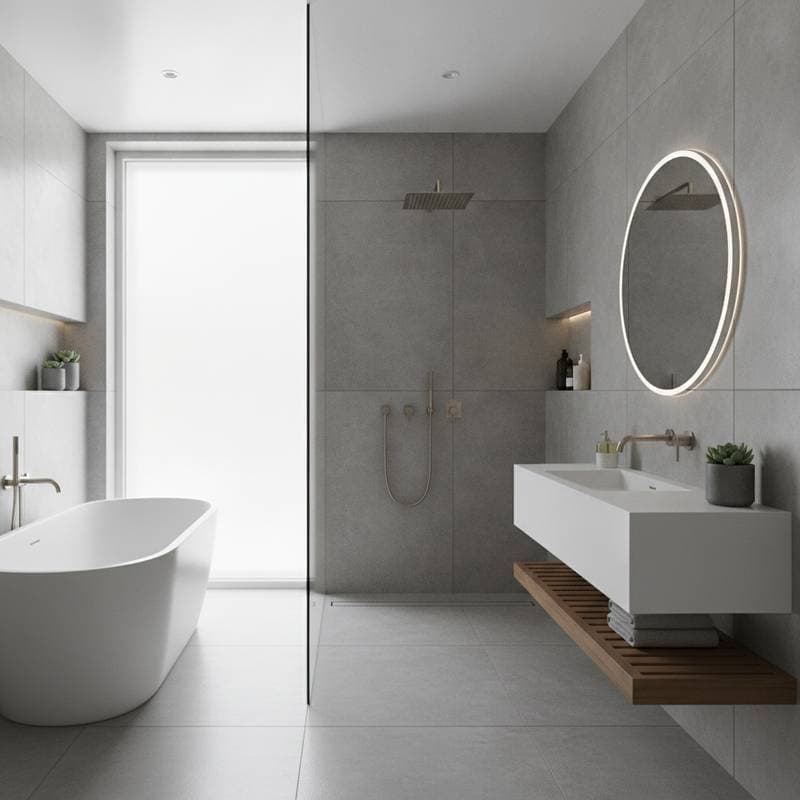
Adding a fully waterproof, doorless shower space ranks among the most profitable bathroom improvements for both resale and daily comfort. Homebuyers pay more for clean, barrier-free designs that appear modern and serve residents of every age.
Cost Factors
Wet rooms appear simple yet conceal multiple technical layers. The largest price variations arise from waterproofing quality, tile selection, and drainage configuration. The primary cost drivers include the following items.
- Waterproofing membrane ranges from 3 to 6 dollars per square foot. A continuous barrier installed behind walls and floors prevents leaks from reaching the subfloor.
- Linear drain systems cost between 500 and 1,200 dollars. These drains accommodate higher water volume and deliver a streamlined appearance.
- Floor slope and mortar bed work falls between 700 and 1,500 dollars. Proper slope ensures reliable drainage across the entire surface.
- Tile and materials range from 6 to 25 dollars per square foot. Porcelain and large-format tiles reduce grout lines and simplify cleaning.
- Glass screens or partitions cost 800 to 2,500 dollars depending on design. Partial glass panels help contain spray while preserving an open feel.
- Labor typically totals 5,000 to 12,000 dollars and covers demolition, waterproofing, tile installation, and plumbing adjustments.
Permits generally add 200 to 600 dollars. Plumbing upgrades may add another 1,000 to 3,000 dollars when drains or supply lines require relocation. Older homes warrant an additional 10 to 15 percent contingency for unexpected subfloor repairs or hidden damage.
Safety and Compliance
Wet room construction requires strict adherence to safety standards and local codes. Before work begins, shut off the water supply and confirm drain slope. Wear gloves, knee pads, and eye protection during demolition. Inspect the subfloor for mold or rot. Verify that the chosen waterproofing system satisfies building code requirements. Engage a licensed plumber for any drain relocation. Select non-slip floor tiles rated for wet areas.
A poor waterproofing installation leads to leaks beneath the tile that can cost thousands to correct later.
Timing and Savings
Expect the project to require three to six weeks. The most frequent delay involves waiting for specialty tile or drains. Order imported or large-format materials well in advance.
Spring and fall provide the best balance of contractor availability and stable humidity for tile curing. Winter projects may experience slower drying. Summer work often carries higher labor rates due to peak demand.
Savings opportunities exist through builder-grade waterproofing systems that match the performance of premium brands. Combining the wet room with other plumbing updates reduces permit and inspection fees. Energy rebates may apply when low-flow fixtures or radiant floor heating are added. Reuse of existing fixtures remains viable when they are cleaned and updated.
Why Buyers Pay More
The 11 percent premium stems from three buyer priorities. First, accessibility improves because the absence of a threshold assists aging residents and guests with mobility limitations. Second, the open design makes smaller bathrooms feel larger and brighter. Third, properly sealed wet rooms resist leaks and mold more effectively than enclosed showers.
Buyers view these features as forward-looking design choices. Homes with wet rooms photograph well in listings and require minimal explanation of upgrades.
A remodeled home listed at 850,000 dollars with a doorless wet room bath frequently sells near 940,000 dollars after staging. The added resale value exceeds the renovation cost when the work is completed correctly.
Regional and Market Shifts
Coastal and high-humidity regions adopt wet rooms more rapidly because the design manages moisture better than traditional showers. In cooler climates, radiant floor heating has become standard in higher-end projects.
Urban condominiums favor wet rooms for their open appearance and ease of maintenance. Suburban homes often feature them as primary-suite focal points. In every market segment, the design correlates with stronger buyer interest and shorter days on market.
Planning Your Project
Begin by establishing a budget near 20,000 dollars for a midrange installation and adjust according to finish selections. Identify contractors who can demonstrate waterproofing training and completed wet room projects. Request references that confirm leak-free performance after one year.
Order tile and drains early to prevent schedule disruptions. Schedule plumbing and waterproofing inspections before walls are closed. Request a flood test from the installer before tile installation begins. This step provides the strongest protection against concealed leaks. Establish a maintenance routine that includes regular grout sealing and drain cleaning.
A properly constructed wet room delivers daily comfort together with lasting resale value. Buyers continue to demonstrate willingness to pay for this combination of function and appearance.