Wet Rooms: The 2026 Trend That Boosts Home Value 11%
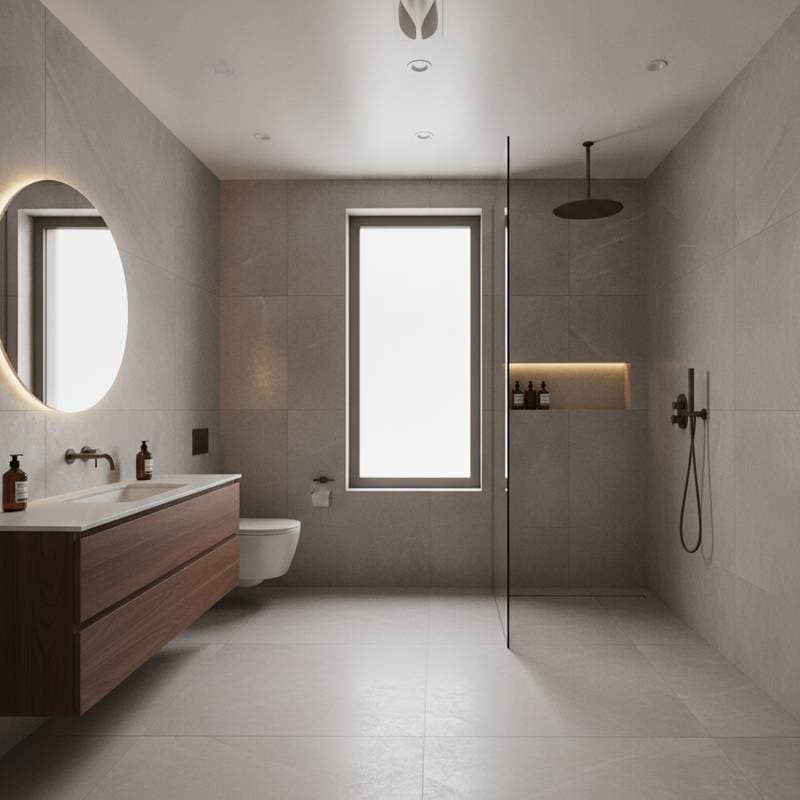
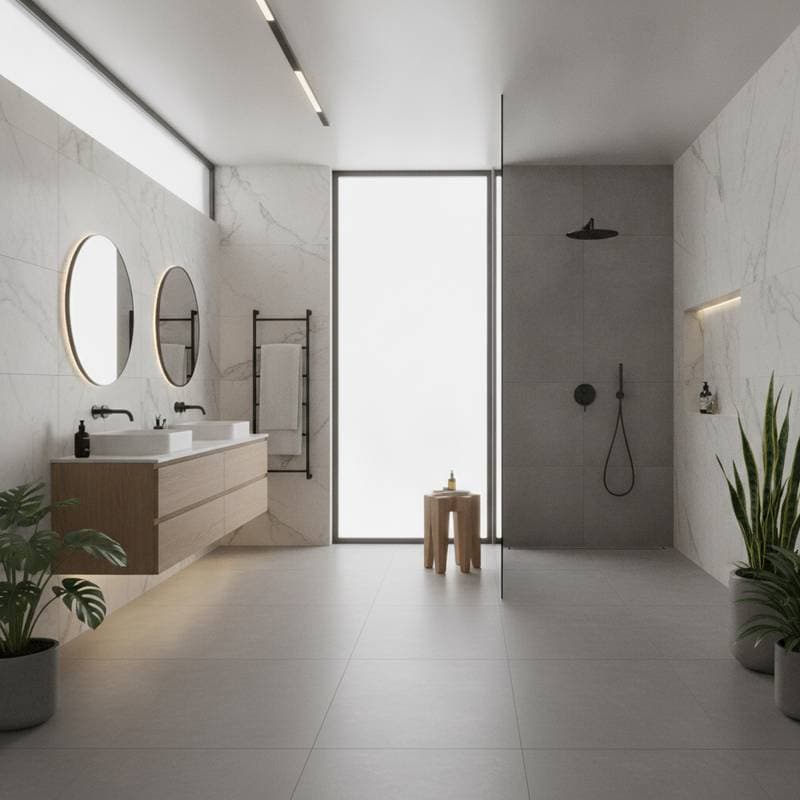
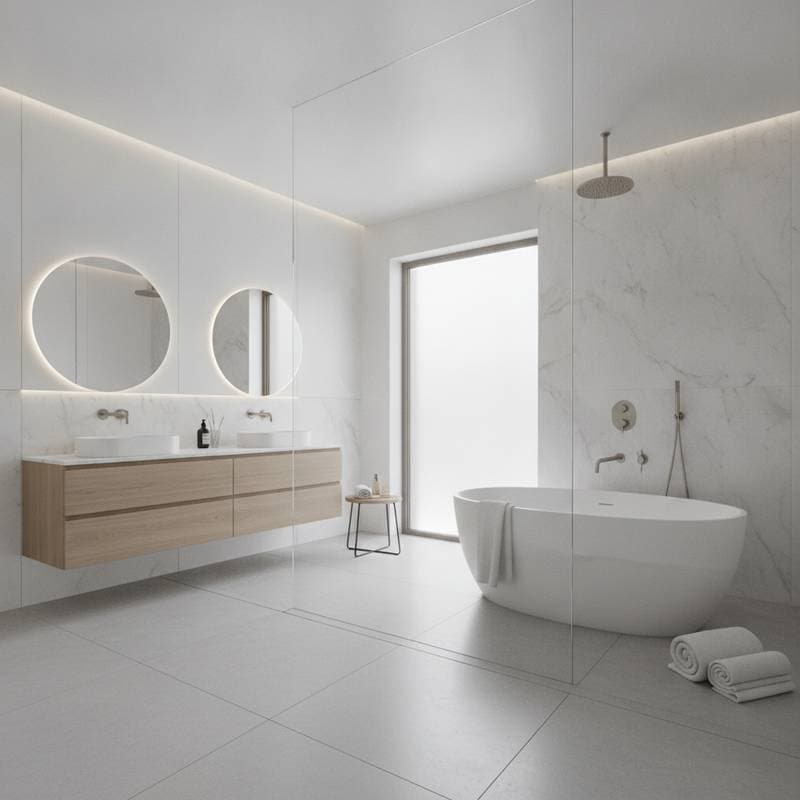
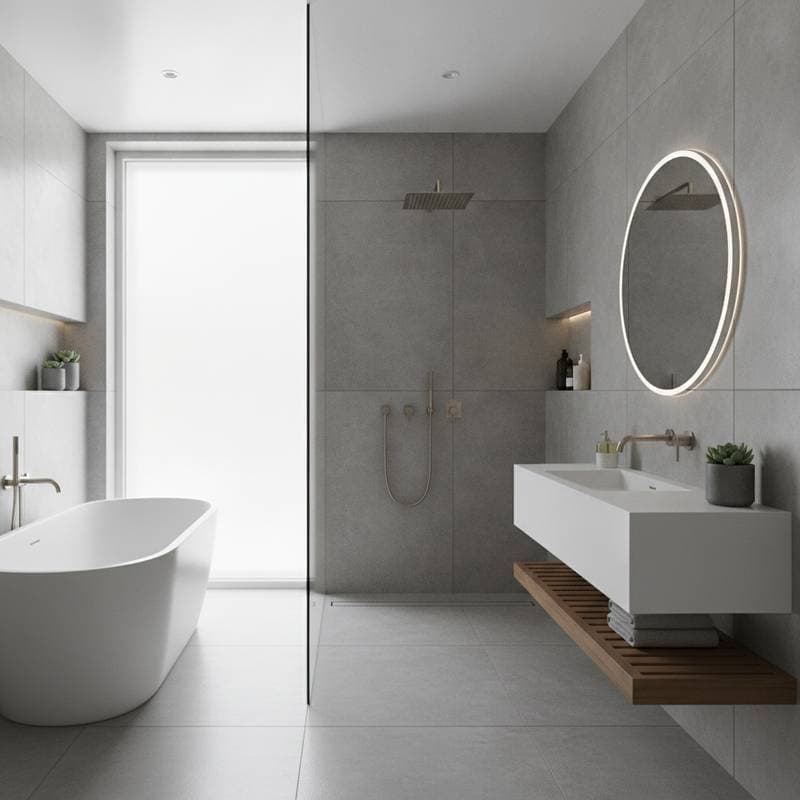
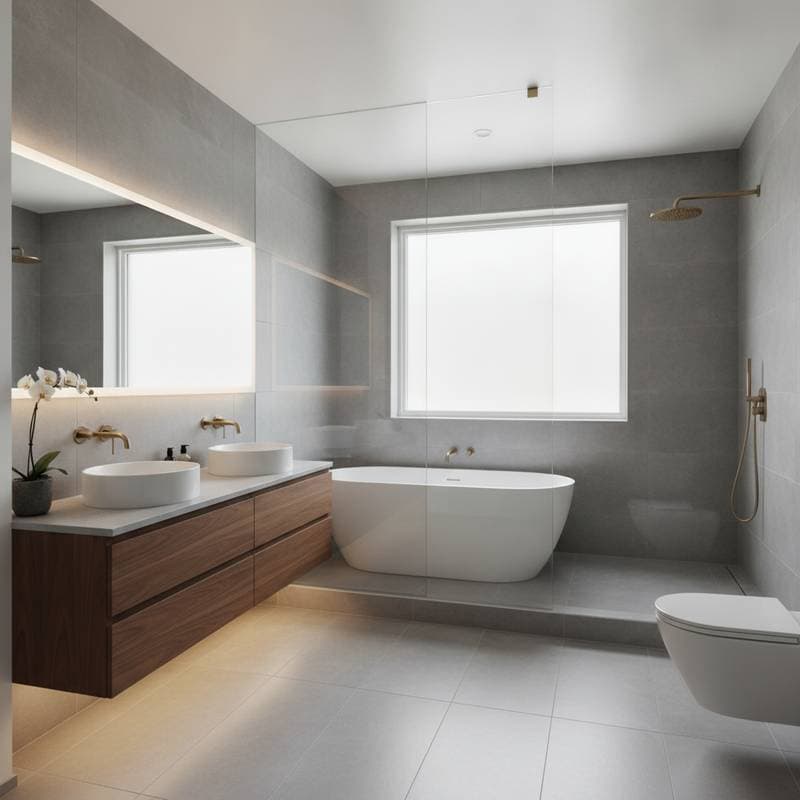
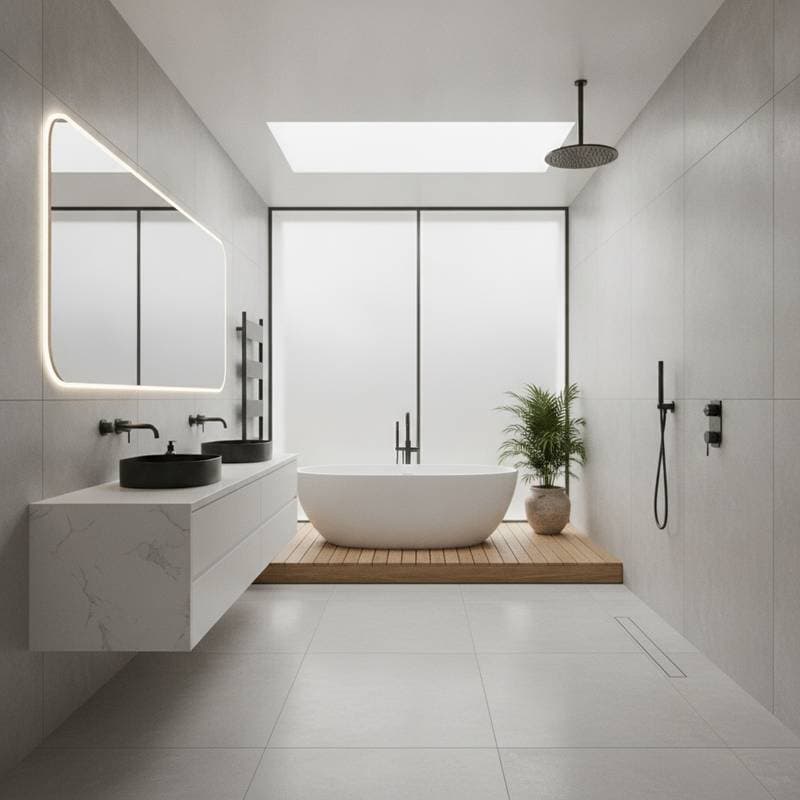
A wet room can raise a home value by about 11 percent. The design delivers a sleek, modern appearance while making even compact bathrooms feel more spacious. Installation creates a fully waterproofed area with a walk-in shower that lacks a raised tray or door. Water exits through a gentle floor slope.
Why Wet Rooms Are Gaining Ground
Buyers seek open, bright bathrooms that convey a sense of space. A wet room removes visual barriers such as shower doors and trays. Cleaning becomes simpler because fewer surfaces collect grime. Barrier-free floors also support accessibility needs for a wider range of users.
The value increase stems from three factors. The visual upgrade stands out immediately. Universal design features attract more buyers. A quality waterproofing system signals a thorough renovation. These elements combine to support both resale potential and daily comfort.
Typical Costs and What Affects Them
| Task | Typical cost | What affects price |
|---|---|---|
| Waterproofing and subfloor prep | $1,200 - $2,500 | Quality of membrane, floor leveling |
| Drain installation | $300 - $900 | Drain type, plumbing distance |
| Tile and materials | $1,800 - $4,500 | Tile size, texture, brand |
| Labor for tiling and finishing | $2,000 - $5,000 | Tile pattern, layout complexity |
| Heated floor and ventilation | $1,000 - $2,200 | System type, wiring access |
Total typical cost ranges from $6,000 to $15,000 nationally. Prices shift according to region, contractor rates, and tile selection.
What Raises the Cost
- Relocating drains or plumbing lines
- Selecting imported or designer tiles
- Adding custom glass partitions or built-in benches
What Keeps the Cost Down
- Using standard tile sizes
- Retaining the existing plumbing layout
- Completing waterproofing prep as a DIY project when experience allows
DIY vs Pro
DIY If
- You have tiling experience.
- The subfloor is concrete and already sloped.
- You feel comfortable applying waterproof membranes.
Hire a Pro If
- Plumbing or drains require relocation.
- Work occurs on a wood floor or upper level.
- A renovation warranty needs protection.
A professional understands local code requirements, slope specifications, and sealant systems that satisfy inspection. Poor waterproofing can void home insurance coverage for water damage, which makes skilled labor a prudent choice.
Tools and Materials Checklist
Tools
- Tile saw
- Notched trowel
- Level
- Mixing bucket
- Grout float
- Caulking gun
Materials
- Waterproof membrane and corner tape
- Thin-set mortar
- Slip-resistant floor tiles
- Wall tiles
- Drain system
- Grout and sealant
- Underfloor heating mat (optional)
Keep all materials on site before beginning. A missing drain kit can halt progress for days.
Safety and Code Notes
Waterproof membranes must satisfy local moisture standards. Some municipalities require inspection before tiling starts. Always consult the building department in advance.
Use a ground-fault circuit interrupter outlet for any floor heating system. Never place electrical wiring near wet zones without proper insulation. Confirm that wood joists can support added tile and mortar weight. Reinforce the subfloor when necessary before waterproofing begins.
Regional and Climate Notes
Wet rooms perform best in moderate or dry climates, yet they function in any location with adequate ventilation. In humid or coastal areas, choose mold-resistant grout and reseal joints yearly. In cold climates, underfloor heating reduces condensation and accelerates drying.
In earthquake or frost zones, flexible tile adhesive helps prevent cracking. Homes in hurricane or high-rain areas benefit from a continuous waterproof membrane that extends slightly up adjacent walls outside the bathroom.
Style Options That Add Value
1. Doorless Shower Zones
Skip the glass door. A half wall or single glass panel contains splashes while preserving an open feel and simplifying cleaning.
2. Built-in Niches
Recessed shelving eliminates clutter. Match the tile for a seamless appearance or use contrasting tile as an accent.
3. Floating Vanities
Mount the vanity above the floor to reveal more tile and improve drainage. This placement also speeds cleaning.
4. Hidden Drains
Linear drains can sit beneath tile lines. The detail remains subtle yet noticeable to buyers.
5. Natural Light
Add a skylight or frosted window when possible. Daylight enhances the wet room appearance.
Maintenance Tips
A properly built wet room requires little upkeep. The primary rule remains keeping surfaces dry between uses.
Weekly
- Wipe tiles and glass after showers.
- Run the fan for 15 to 20 minutes.
Monthly
- Clean drains with a mild solution.
- Inspect grout and sealant for cracks.
Annually
- Reseal grout lines if needed.
- Review membrane warranty coverage.
Use only pH-neutral cleaners. Harsh chemicals can degrade sealants.
When to Call a Pro
- Moisture marks appear on ceilings below the bathroom.
- The floor feels soft or uneven.
- Grout remains damp long after use.
- Underfloor heating or fixture relocation is planned.
These indicators often signal failed waterproofing or inadequate drainage. Early attention prevents major structural issues.
Common Design Mistakes
1. Poor Slope
A floor that lacks at least a quarter inch of drop per foot allows water to pool. Pooling leads to mildew and slippery conditions.
2. Leaky Corners
Omitting corner tape or sealant creates hidden leaks. Double-check all seams during installation.
3. Oversized Tiles on the Floor
Large tiles resist even slope formation. Smaller tiles conform to curves more readily.
4. No Splash Barrier
A simple glass panel keeps towels dry. Without one, the entire room becomes wet.
5. Weak Fan
A low-capacity exhaust fan traps steam. Upgrade to a unit rated for higher airflow.
Comparing Wet Rooms vs Traditional Bathrooms
| Feature | Wet room | Traditional bathroom |
|---|---|---|
| Floor level | Fully flush | Raised shower tray |
| Accessibility | Excellent | Moderate |
| Cleaning | Easy | Harder, more edges |
| Cost | $6,000 - $15,000 | $4,000 - $10,000 |
| Aesthetic | Modern, open | Conventional |
| Space efficiency | High | Moderate |
Wet rooms excel in design and accessibility. Traditional bathrooms may cost less and prove simpler to install. When resale value matters, the wet room advantage often justifies the investment.
Future-Proofing Your Bathroom
A wet room accommodates all ages and mobility levels. It supports wheelchair access, maintains a minimal profile, and remains timeless. For aging-in-place plans, add grab bars, a handheld shower, and a fold-down seat.
Luxury elements can pair with practicality. Heated floors, matte black fixtures, and integrated lighting create a private spa atmosphere. These details convert routine tasks into moments of comfort that later appeal to buyers.
Pro Tips for Success
- Test the drain before tiling by pouring water and checking flow.
- Allow each waterproof layer to cure fully. Rushing produces leaks.
- Select matching grout color for a seamless modern appearance.
- Slope the floor away from the door.
- Store spare tiles for future repairs.
These checks protect both time and budget.
FAQ
What is the average cost of a wet room installation?
Most homeowners spend between $6,000 and $15,000, depending on size and materials.
Do wet rooms need special flooring?
Yes. Use slip-resistant porcelain or textured ceramic tiles to prevent falls.
Can I add a wet room to an upstairs bathroom?
Yes, but structural checks and expert waterproofing remain essential to avoid leaks.
Do wet rooms require more cleaning?
No. They prove easier to clean because fewer corners and no shower doors exist.
Will a wet room increase resale value?
Yes. Well-built wet rooms often raise home value by about 11 percent.
Investing in Long-Term Comfort
A wet room merges function with considered design. The result transforms an ordinary bath into an open, simple, and adaptable space. Whether the goal centers on minimalist aesthetics or practical upgrades, the outcome extends beyond resale figures. Daily comfort, safety, and peace of mind follow from a solid waterproof base that keeps the room attractive and dry for years ahead.