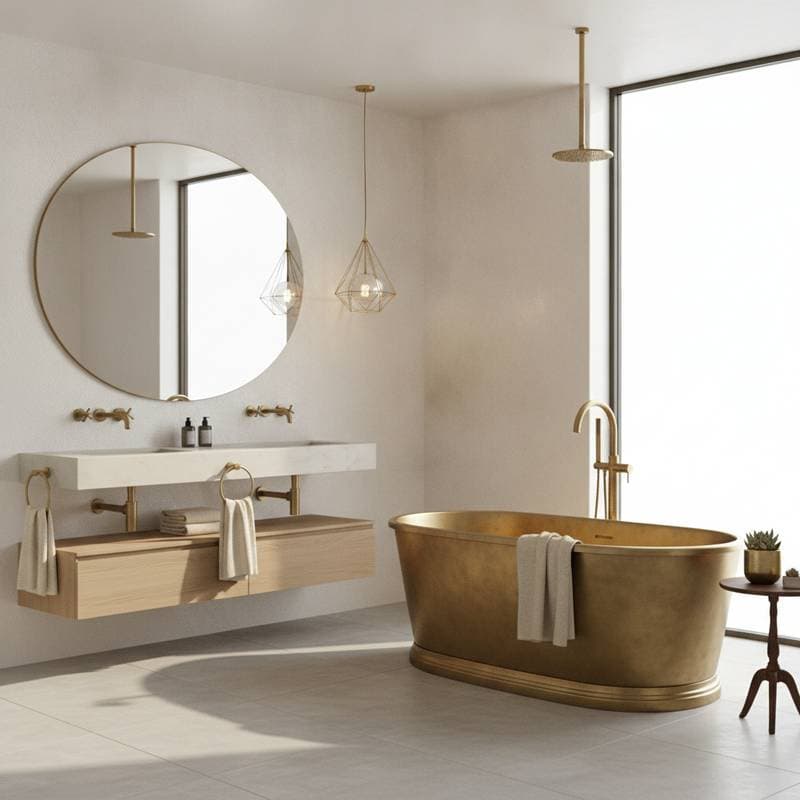
Aged Brass Fixtures: The 2026 Trend Lifting Home Values
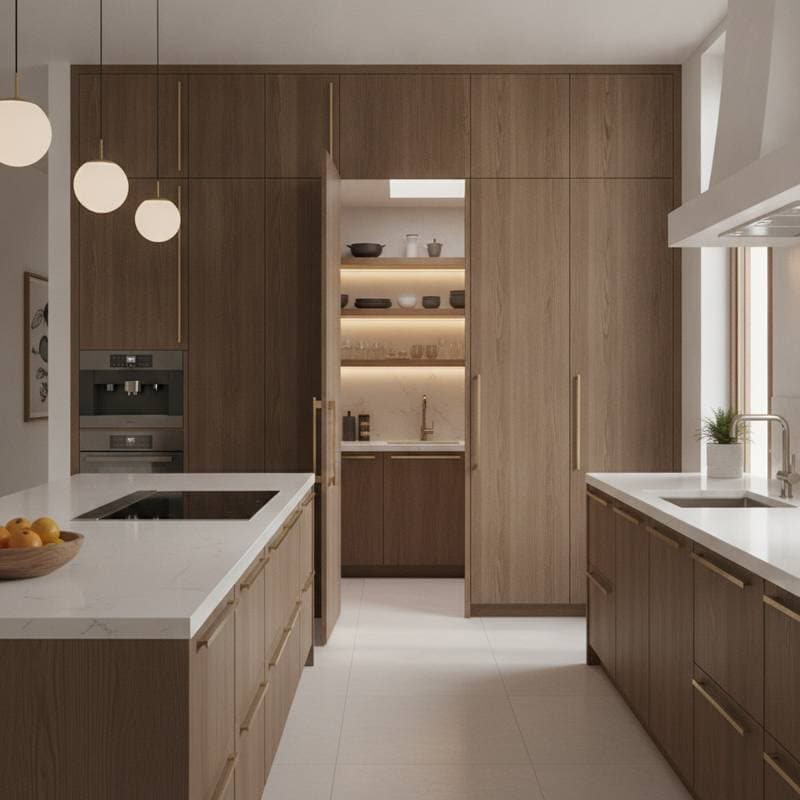
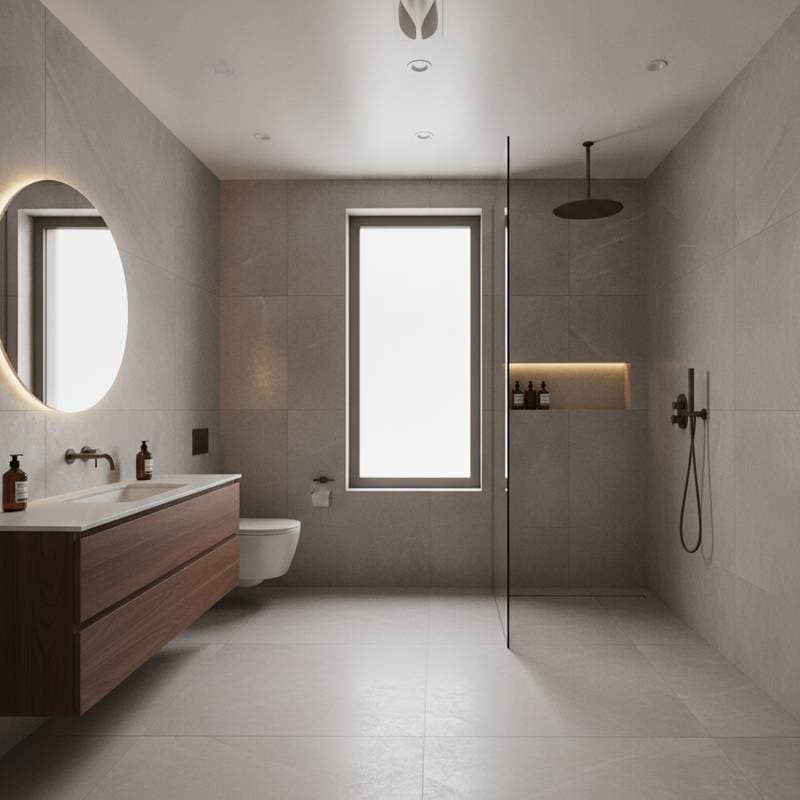
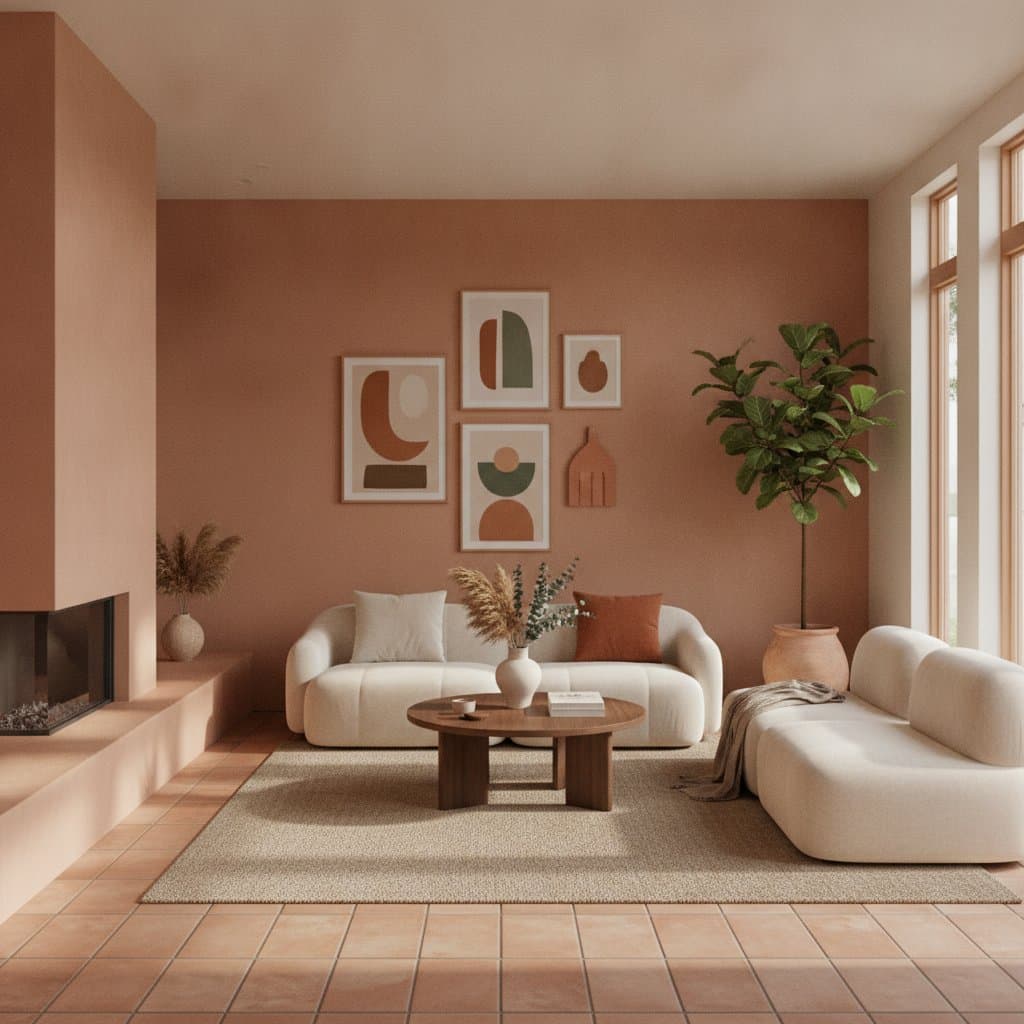
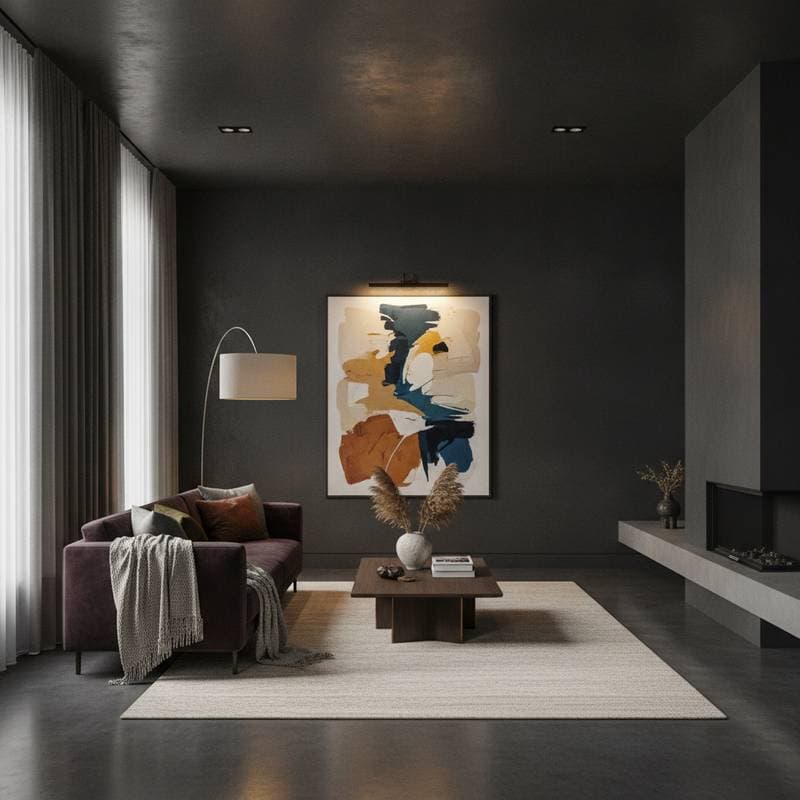
Aged brass fixtures continue to gain traction in kitchens, bathrooms, and living areas. They introduce warmth and timeless character where cooler metals previously prevailed. Homeowners report that this finish contributes both style and measurable value. When applied thoughtfully, aged brass makes an older home feel custom and a newer home feel more grounded.
This approach works well for updates aimed at resale or personal comfort. It performs best when paired with clean modern lines or natural materials. The finish conceals fingerprints, wears evenly, and develops a patina that reads as lived in rather than worn.
Pros and Cons
Pros
- Adds warmth that complements wood, stone, and neutral paint.
- Conceals wear more effectively than polished chrome or nickel.
- Increases perceived quality in kitchens and baths, often supporting higher resale prices.
- Pairs successfully with other metals and natural materials.
- Delivers a timeless appearance suitable for both vintage and modern interiors.
Cons
- Carries a higher cost than basic finishes such as chrome or stainless steel.
- Faces limited availability in certain product categories.
- Shows color variation between manufacturers, which can complicate matching.
- Requires regular care to avoid uneven patina in damp environments.
- May clash with minimalist or ultra modern schemes if applied too broadly.
Installation Choices
Fixture installation ranges from straightforward to complex based on the component involved.
Suitable for DIY
- Cabinet pulls and knobs.
- Basic light fixtures that use standard wiring.
- Accessories such as towel bars and hooks.
Requires a professional
- Faucets and associated plumbing connections.
- Hardwired lighting with multiple connections.
- Restoration of antique brass components.
Difficulty ranges from moderate to high for plumbing or electrical work. Time estimates run from one to six hours per fixture. Required tools include a drill, screwdriver, wrench, plumber tape, and voltage tester. Risks involve scratches, cross threaded fittings, leaks, or electrical issues.
Engage a licensed plumber or electrician for any fixture connected to water or power. This step prevents code violations and protects warranties.
Maintenance and Lifespan
Aged brass endures for decades with proper cleaning and protection. The finish does not peel like plating and can often be restored.
Routine care
- Wipe surfaces weekly with a dry microfiber cloth.
- Clean residue with mild soap and warm water.
- Avoid ammonia, bleach, or acid based cleaners.
- Dry fixtures completely after cleaning to prevent water spots.
Long term maintenance
- Apply a thin wax coating every few months on unsealed brass.
- Check regularly for green oxidation or uneven patina near water sources.
- Tighten loose set screws once a year.
Expected lifespan falls between 15 and 40 years depending on usage and moisture exposure. Many brands provide five to ten year warranties on finish integrity.
Aged brass improves with age when maintained. The patina deepens and supplies character that new finishes cannot match.
Regional Considerations
Local conditions affect both performance and expense.
Climate
- Humid or coastal zones accelerate tarnish on unsealed brass. Select lacquered finishes to reduce corrosion.
- Dry climates allow living finishes to age more uniformly.
Labor rates
- Urban areas typically charge 100 to 180 dollars per hour for licensed tradespeople.
- Smaller communities often list rates from 60 to 120 dollars per hour.
Building codes
- Certain regions mandate pressure balance valves for new brass shower fixtures.
- Electrical rules may restrict fixture wattage or require ground fault protection in baths and kitchens.
Supply factors
- Imported fixtures sometimes involve extended lead times.
- Custom fabricators in design centers may charge premiums for matched tones.
Review local permit requirements before replacing major plumbing or lighting. Simple swaps rarely need permits, yet full remodels usually do.
Safety Practices
Brass hardware presents minimal inherent risk, yet installation involves water and electricity.
Plumbing safety
- Shut off valves before removing old faucets.
- Apply thread seal tape to reduce leak potential.
- Avoid over tightening brass compression fittings to prevent cracks.
Electrical safety
- Disconnect power at the breaker before light replacement.
- Verify wires with a voltage tester.
- Choose fixtures rated for damp or wet locations in bathrooms.
Permits
- Major plumbing reroutes or new electrical circuits typically require inspection.
- Retain receipts and model numbers for warranty or insurance purposes.
Practical Next Steps
Aged brass brings quiet confidence to any home. It coordinates with marble, quartz, oak, or painted cabinetry without conflict. Restraint remains essential. Use the metal as an accent rather than an all encompassing theme.
Begin with limited areas such as a powder room or a single pendant above an island. If the tone succeeds, expand to faucets and cabinet hardware. For resale, maintain consistent fixtures across connected spaces to prevent mismatched metals that distract buyers.
Collect samples of paint, tile, and stone beside an aged brass piece under natural light. The metal warmth can shift with surroundings. If the tone appears too yellow, select a brushed or antique version for balance.
Obtain at least three quotes from licensed professionals when upgrading plumbing or lighting. Inquire about lead times and warranty coverage. Confirm the finish type so replacement parts align later.
Aged brass endures as a trend because it connects classic and modern preferences. It conveys expense without excess. Proper selection and care deliver a refined result that retains value across shifting styles.
Common Questions
How should aged brass fixtures be cleaned without disturbing the patina?
Use warm water and a soft cloth. Skip abrasive pads or commercial metal polish, which remove protective layers that produce the aged appearance.
Is it possible to combine aged brass with other finishes?
Yes. Pair it with matte black, brushed nickel, or stainless accents when tones remain balanced. Maintain one dominant finish per room to prevent visual clutter.
Does aged brass rust or corrode?
Solid brass contains no iron and therefore does not rust. It may tarnish or darken, which forms part of its natural patina.