Why Buyers Are Craving Terrazzo Flooring for 2026
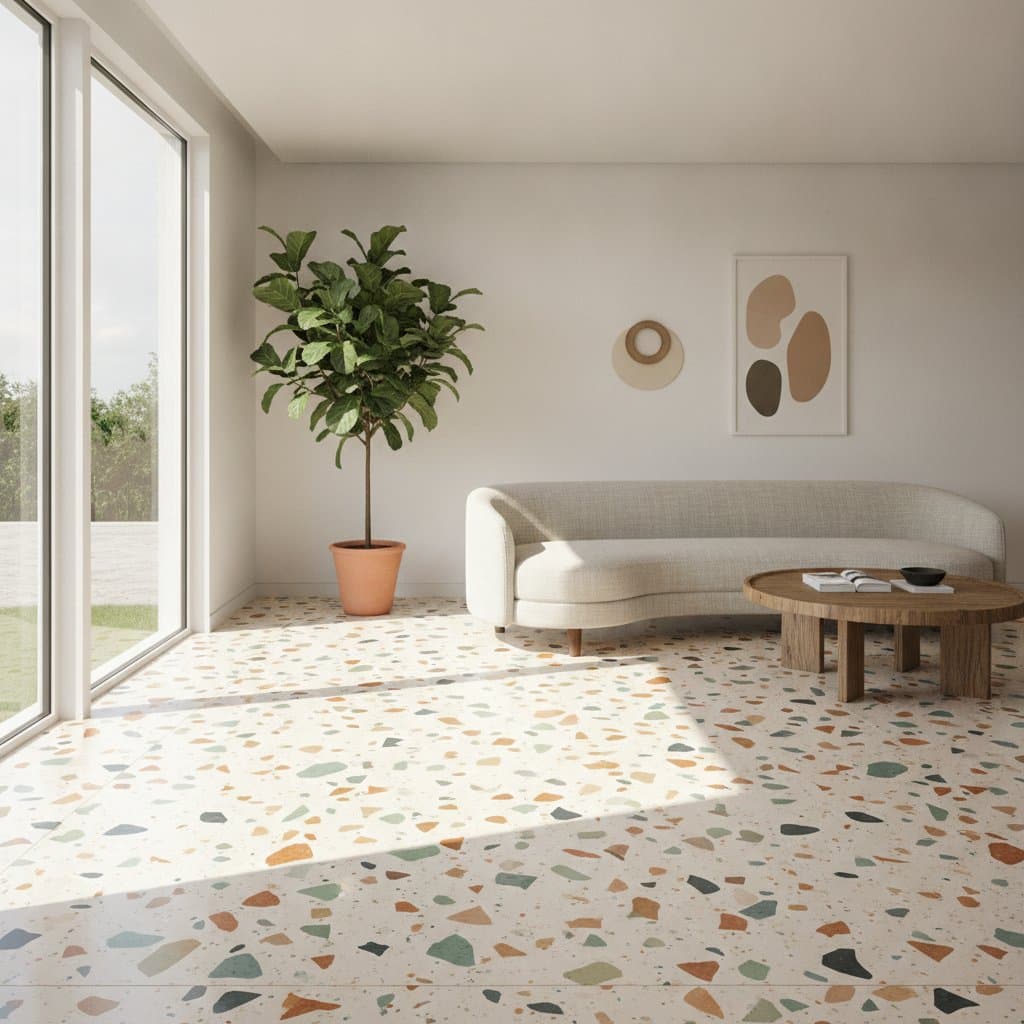
Terrazzo flooring is making a strong return in both residential and commercial spaces. Homebuyers are drawn to its mix of durability, visual variety, and environmental value. For homeowners planning remodels or new builds, terrazzo offers a long lasting, low maintenance surface that fits both modern and retro styles.
Cost Snapshot
Typical national cost range is 30 to 100 dollars per square foot installed. Common residential range is 40 to 70 dollars per square foot. Budget outliers run as low as 20 dollars for simple cement terrazzo and up to 150 dollars for custom epoxy with rare stone inlays.
Cost drivers include the type of base material, aggregate selection and size, pattern complexity, labor and polishing time, and subfloor preparation. Terrazzo is not a cheap option, but its longevity offsets the upfront expense. When installed correctly, it can last for decades with minimal upkeep.
Options and Types
Cement terrazzo uses a traditional mix of cement and stone chips. It works best for large areas and classic looks, though it needs sealing. Epoxy terrazzo is a resin based system that provides more color options and a thinner profile, making it ideal for modern interiors or upper floors.
Rustic terrazzo creates a textured, slip resistant surface often used outdoors or in wet areas. Precast terrazzo tiles are factory made panels or pavers that mimic poured terrazzo and are easier to install, though they show more seams. Glass or metal chip terrazzo adds sparkle and contemporary appeal in feature areas or entryways.
Step By Step Basics
- Inspect and level the subfloor.
- Install divider strips for pattern control.
- Mix terrazzo base with chosen aggregates.
- Trowel mix into place while maintaining even thickness.
- Allow to cure fully.
- Grind surface to expose chips.
- Polish in stages to desired sheen.
- Seal surface to resist stains.
- Clean up dust and debris thoroughly.
Alternatives
Polished concrete costs less and offers a similar look, but it provides less color variety and can stain or crack more easily. Luxury vinyl tile mimics terrazzo patterns at a fraction of the cost, yet it has a shorter lifespan and a synthetic feel.
Ceramic or porcelain tile is easier to install and replace, but grout lines break up the seamless appearance. Natural stone offers rich texture, though it requires higher maintenance and shows inconsistent color.
ROI and Resale
Terrazzo floors can raise property value in both residential and commercial spaces. Buyers view it as a premium, long term surface that requires little upkeep. In resale situations, terrazzo often signals quality construction and strong design intent, which can shorten market time.
Evaluating Terrazzo for Your Home
If you like the look of terrazzo, start by getting estimates from at least three licensed installers. Review their sample boards and past projects. Ask about maintenance expectations and warranties. If full terrazzo is outside your budget, explore precast or terrazzo look tile options that deliver a similar appearance at lower cost.
Terrazzo blend of style, sustainability, and strength keeps it in demand. With proper planning and installation, it can serve as a durable, beautiful surface that fits both modern and traditional homes for decades.
FAQ
Is terrazzo slippery?
Polished terrazzo can be slick when wet. A matte or textured finish improves traction.
Can terrazzo be refinished?
Yes, old terrazzo can be ground and polished again to restore shine.