Wet Rooms Add Value to Homes in 2026
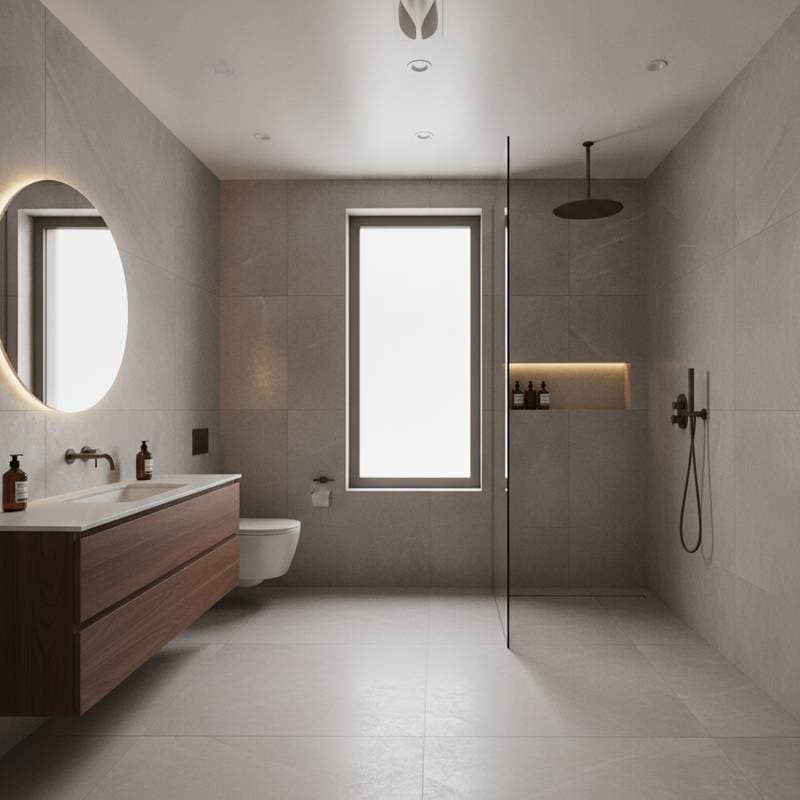
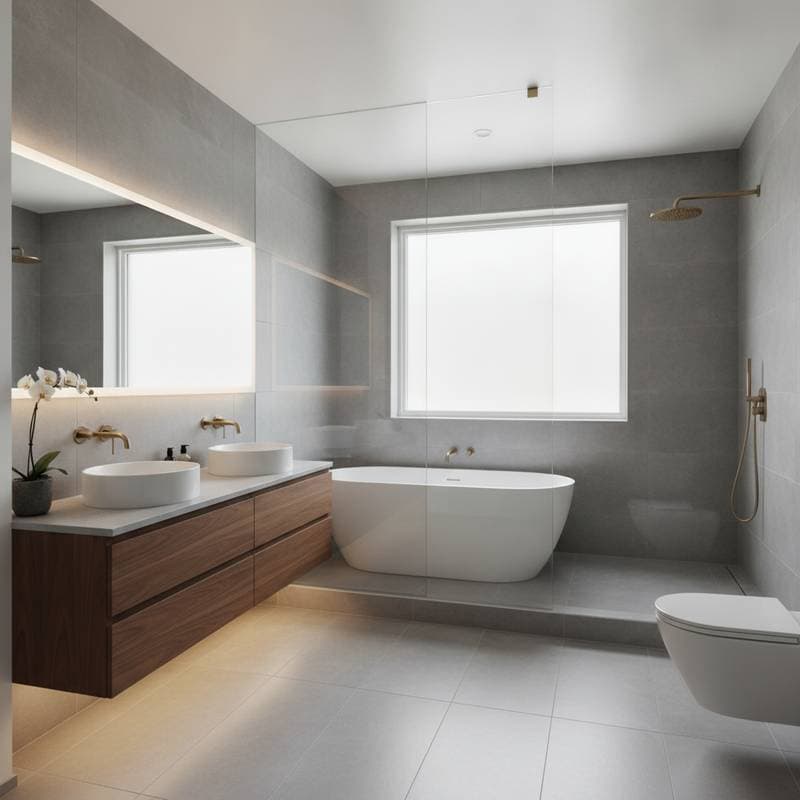
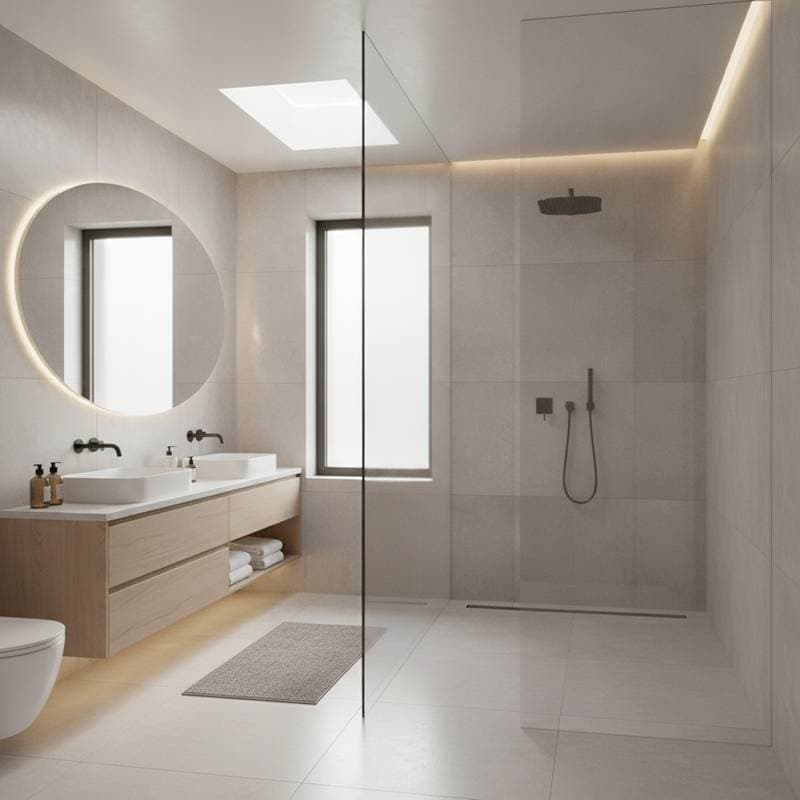
Homebuyers pay about 11 percent more for properties that include wet rooms. These fully waterproofed bathrooms create a seamless shower area without doors or trays. The design improves accessibility and simplifies cleaning while signaling thoughtful updates to potential purchasers.
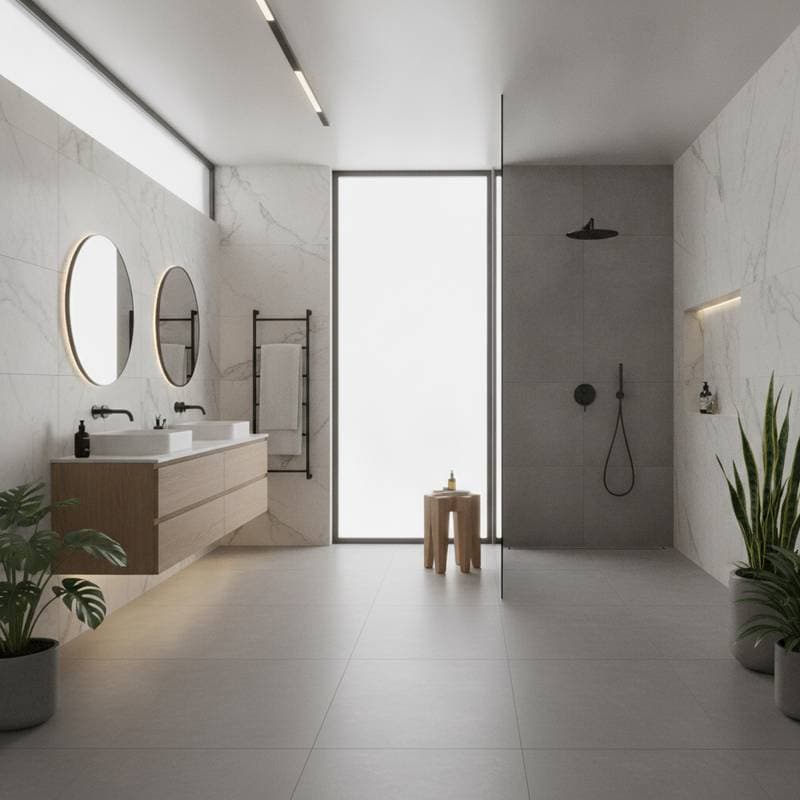
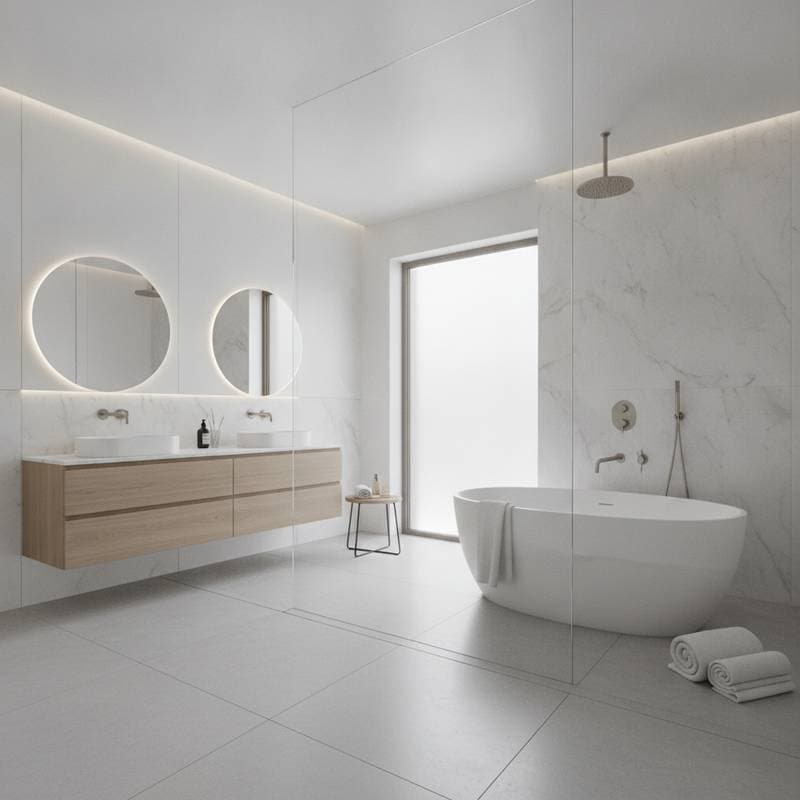
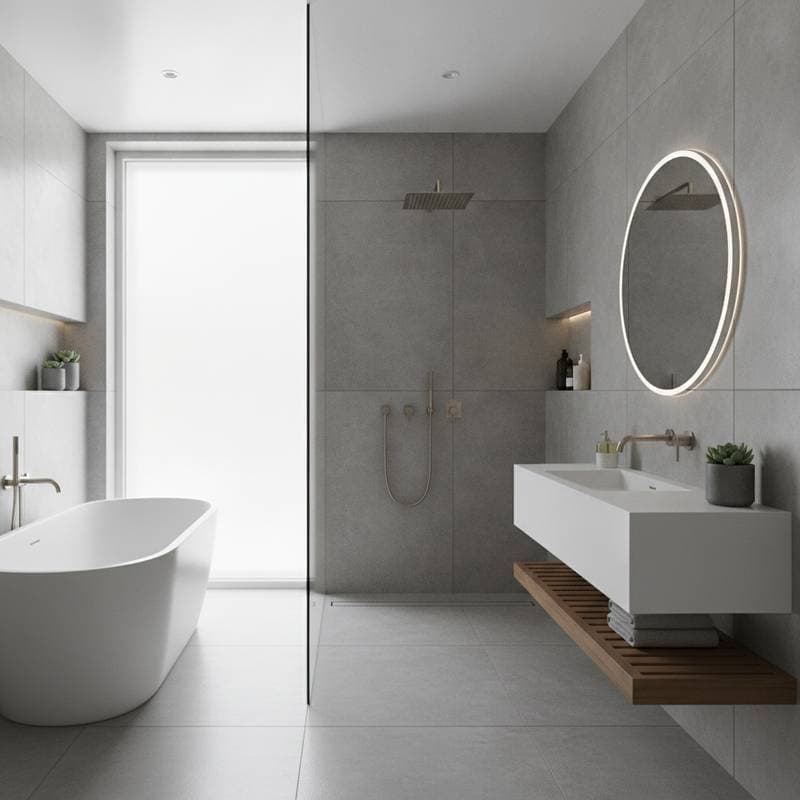
A wet room seals the entire floor and walls so water flows to a central drain. This approach suits both compact and spacious layouts. It supports aging in place by eliminating steps and works well with mobility aids.
Key Advantages and Limitations
Advantages
- Homes with wet rooms sell faster and command higher prices.
- Fewer surfaces mean quicker daily cleaning and no door tracks to scrub.
- Open flooring accommodates wheelchairs and walkers without barriers.
- The continuous tile surface delivers a spa style that matches current design preferences.
- The layout maximizes usable space in smaller bathrooms.
Limitations
- Waterproofing demands precise installation to prevent leaks or mold.
- Moisture spreads across the room, requiring robust ventilation.
- Quality materials and skilled labor raise initial expenses.
- The open space can feel cooler unless supplemental heating is added.
Professional Installation Requirements
Wet room projects involve plumbing adjustments, precise sloping, and full waterproof membranes. These steps exceed typical homeowner skill levels and carry risks of structural damage if completed incorrectly.
Difficulty remains high. Professionals finish most projects in five to ten days. Required tools include tile saws, trowels, waterproofing kits, and leveling equipment. Common failures involve poor drainage, uneven floors, and subsequent mold growth.
Hire licensed contractors when subfloors need reinforcement, plumbing must move, or underfloor heating is planned. Older homes often benefit from professional assessment of existing moisture issues. Permits become necessary whenever plumbing or electrical lines are altered.
Ongoing Care and Durability
Properly constructed wet rooms last twenty years or longer. Wipe walls after each use to limit soap residue. Reseal grout lines once a year and clean drains monthly. Inspect and replace silicone joints as needed.
High quality membranes often carry ten year warranties when installed by certified teams. Local codes may require flood testing before final approval.
Design Alternatives
- A curbless shower creates a similar open appearance while defining a specific wet zone, easing retrofits.
- Prefabricated bases reduce cost and installation time but limit custom tile patterns.
- Steam showers add luxury yet demand extra vapor sealing and higher budgets.
- Traditional stalls remain the lowest cost option for secondary bathrooms.
Regional Considerations
Cold climates benefit from underfloor heating that speeds drying. Humid areas require high capacity exhaust fans. Coastal properties should use corrosion resistant fixtures. Labor costs vary widely between urban and rural markets. Always confirm local slope and waterproofing rules with the building department.
Return on Investment
Market data indicate buyers pay roughly 11 percent more for homes featuring wet rooms. The premium reflects both visual appeal and practical benefits. Installation costs typically recover 60 to 80 percent at resale in most neighborhoods, with higher end markets often returning nearly full value.
Safety Standards
Select floor tile rated slip resistant under ANSI A137.1 standards. Maintain a one to two percent slope toward the drain. Install humidity rated ventilation to control moisture. Use GFCI protection on all outlets near water. Complete leak testing before any tile work begins.
Selecting Contractors for Your Project
Obtain three detailed bids from licensed professionals experienced in wet room construction. Request specifics on the waterproofing system, leak testing procedures, and warranty terms. This approach ensures code compliance and lasting performance while aligning the upgrade with both daily comfort and future resale goals.