Wet Rooms Deliver an 11 Percent Home Value Premium
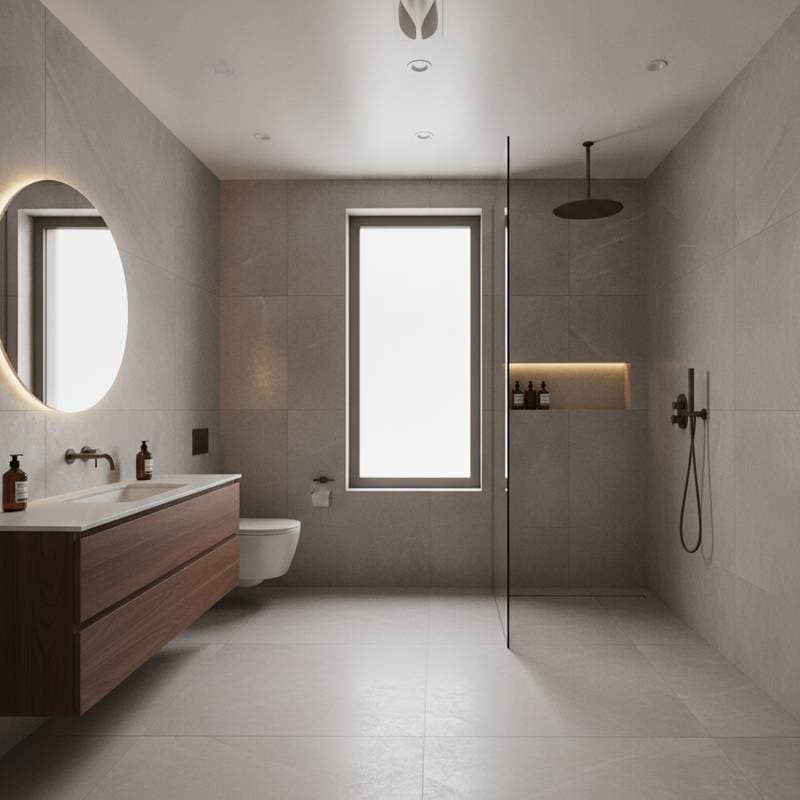
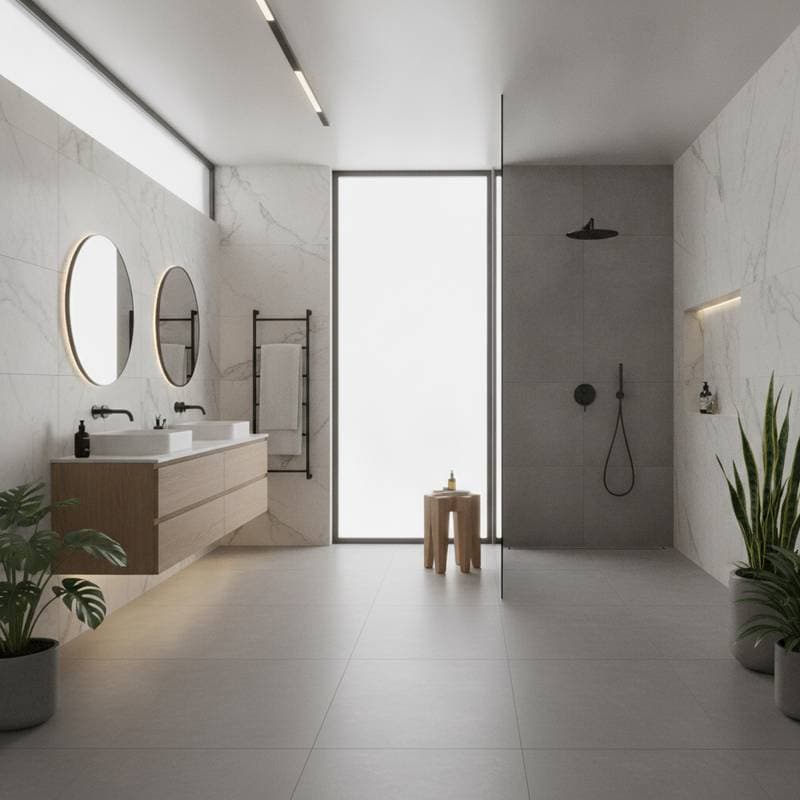
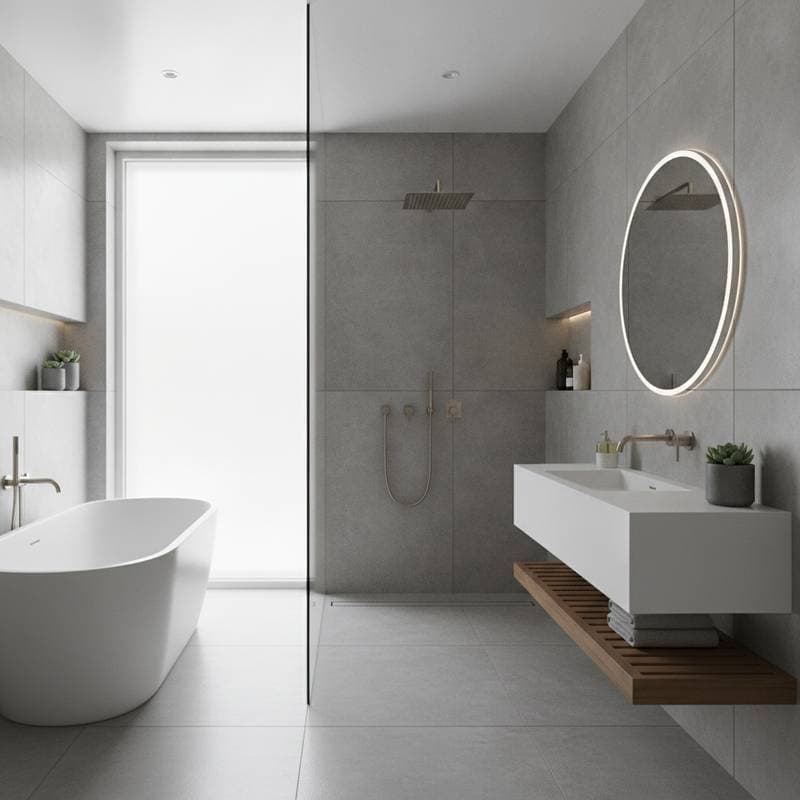
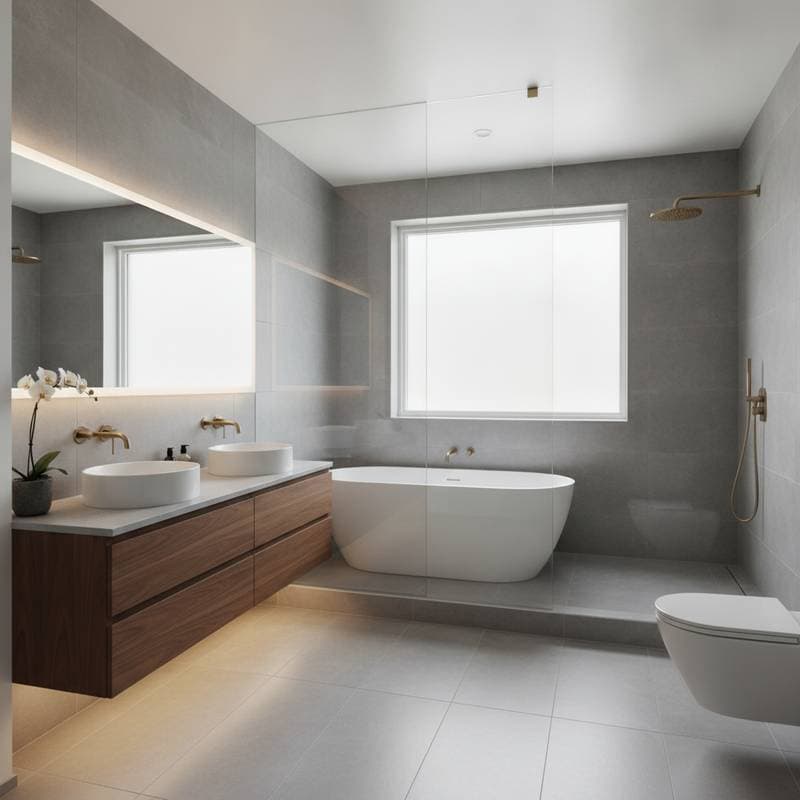
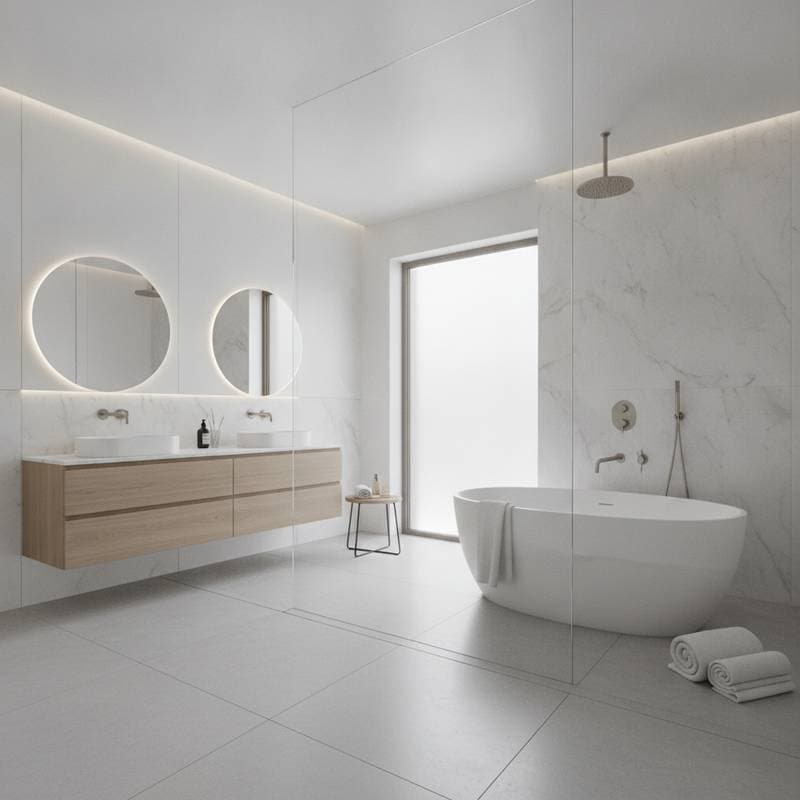
A wet room features a fully waterproofed bathroom with an open shower zone and a continuous floor surface. This design removes the shower curb and relies on a single slope for drainage. Homeowners select wet rooms for improved accessibility, clean modern lines, and simpler upkeep. Market data indicates homes equipped with wet rooms achieve an average 11 percent price premium over comparable properties.
These bathrooms suit primary or guest bath remodels that seek a barrier-free appearance. They also support aging-in-place goals by enhancing mobility access.
Advantages and Limitations
Advantages
- Increases resale value by up to 11 percent according to current buyer trends
- Expands visual space in compact bathrooms through open layout
- Removes thresholds to support mobility and accessibility needs
- Reduces cleaning time with fewer seams and edges
- Supports minimalist or contemporary design choices
Limitations
- Involves higher initial expense than standard shower updates
- Demands precise waterproofing to avoid moisture damage
- Produces cold floor surfaces without added radiant heating
- Creates slip hazards when floor tile lacks adequate texture
- May require municipal approval for drainage slope and membrane systems
Professional Installation versus DIY Approaches
Wet room projects involve plumbing adjustments, continuous waterproofing, precise tile work, and controlled floor slope. Experienced homeowners can handle limited curbless conversions, yet complete wet rooms require licensed contractors.
DIY Considerations
- Difficulty level remains high for most participants
- Project duration spans five to ten days in a small area
- Required tools include a tile saw, membrane application equipment, laser level, and drain assembly
- Primary risks center on leaks, incorrect slope, and tile adhesion failure
When Professional Help Is Essential
Engage a contractor for drain relocation, underfloor heating installation, or full wall and floor waterproofing. Professionals verify membrane continuity and code compliance. Errors in waterproofing often produce expensive structural repairs.
Maintenance and Expected Lifespan
A properly maintained wet room lasts twenty years or longer. Tile and grout surfaces need resealing every two to three years. Homeowners should clear drains regularly and inspect for soft spots that signal hidden moisture. Most waterproof membranes include a ten-year warranty, while professional installations frequently exceed that period.
Annual checks of grout and silicone joints allow early detection of cracks. Consistent ventilation controls humidity and limits mold growth.
Regional Design and Cost Influences
Local conditions shape both layout decisions and project budgets. Humid or coastal climates benefit from non-porous tile and enhanced ventilation. Certain municipalities mandate inspections for waterproofing or slope verification. Urban labor rates typically exceed those in suburban areas, and older homes may require subfloor modifications to meet current drainage standards. Confirm permit requirements before work begins.
Return on Investment and Resale Impact
Wet rooms strengthen buyer appeal across price segments. Agents note an average 11 percent value increase relative to homes with conventional bathrooms. The strongest returns appear in urban and coastal markets that prioritize design quality. Mid-range installations often recover 80 to 90 percent of cost upon sale. Long-term owners gain daily convenience and lower ongoing maintenance.
Safety Requirements
Effective waterproofing and drainage prevent framing or subfloor damage. Install tested membrane systems that satisfy recognized standards. Select non-slip floor tile and add grab bars or seating where accessibility matters. Electrical components near wet zones must follow local codes, and radiant heating requires GFCI protection. Shut off power and water before any work.
Common Questions
How much does a wet room cost compared with a standard shower? A wet room typically costs 30 to 50 percent more than a traditional shower remodel due to waterproofing and tile labor.
Can an existing bathroom become a wet room? Most bathrooms allow conversion, though floor height adjustments are often necessary for proper drainage.
Do wet rooms require special ventilation? Yes. An exhaust fan rated for continuous operation removes moisture and protects finishes from mold.
Next Steps for Homeowners
Evaluate current bathroom layout and local code rules before selecting materials. Consult a licensed contractor to review drainage options and waterproofing details. This preparation supports a durable installation that enhances daily use and future resale value.