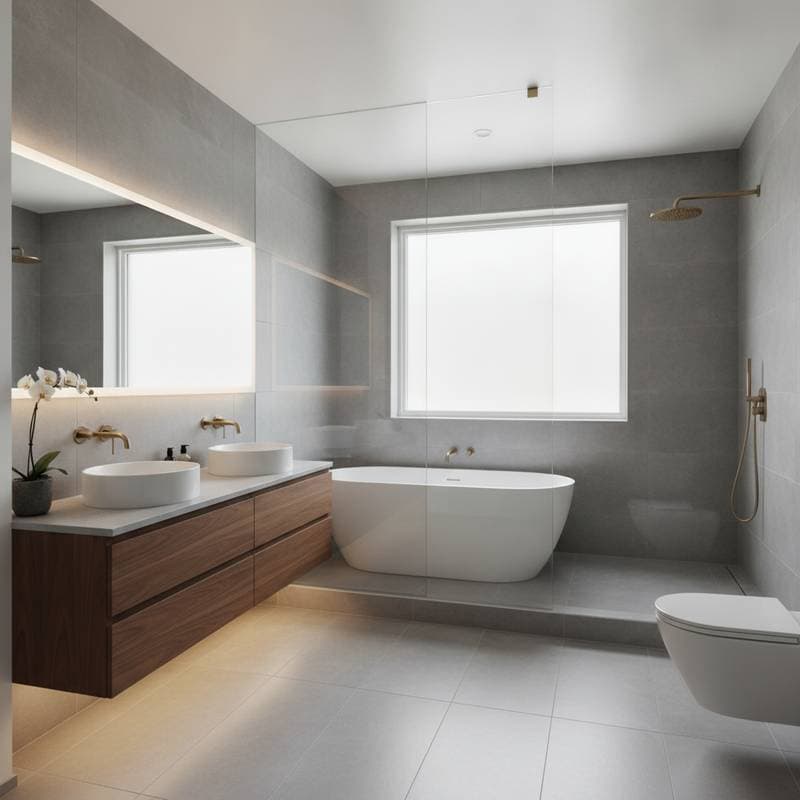
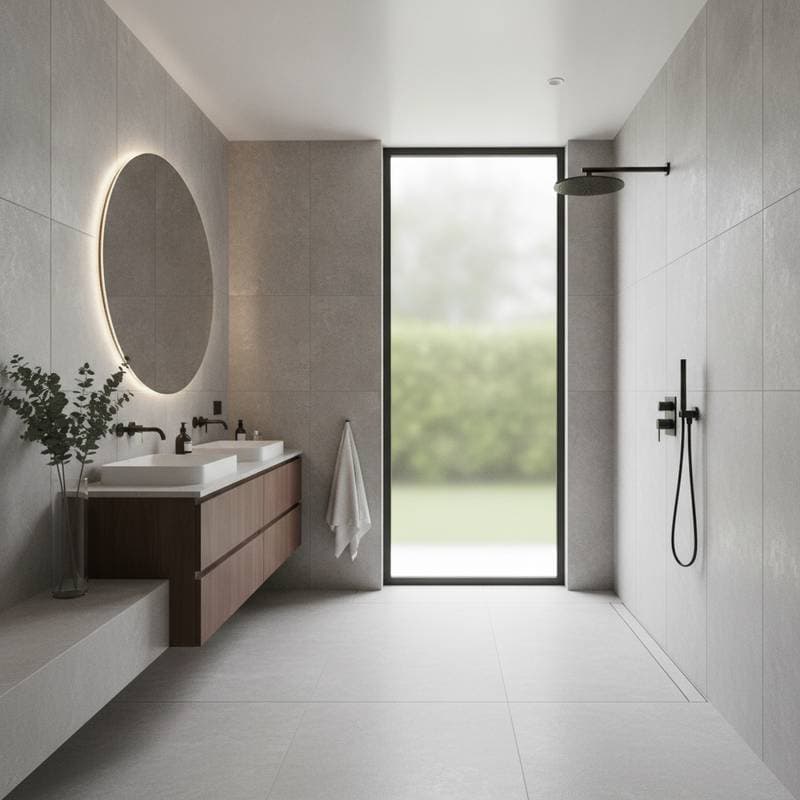
Why Wet Rooms Add Value in the Doorless Trend
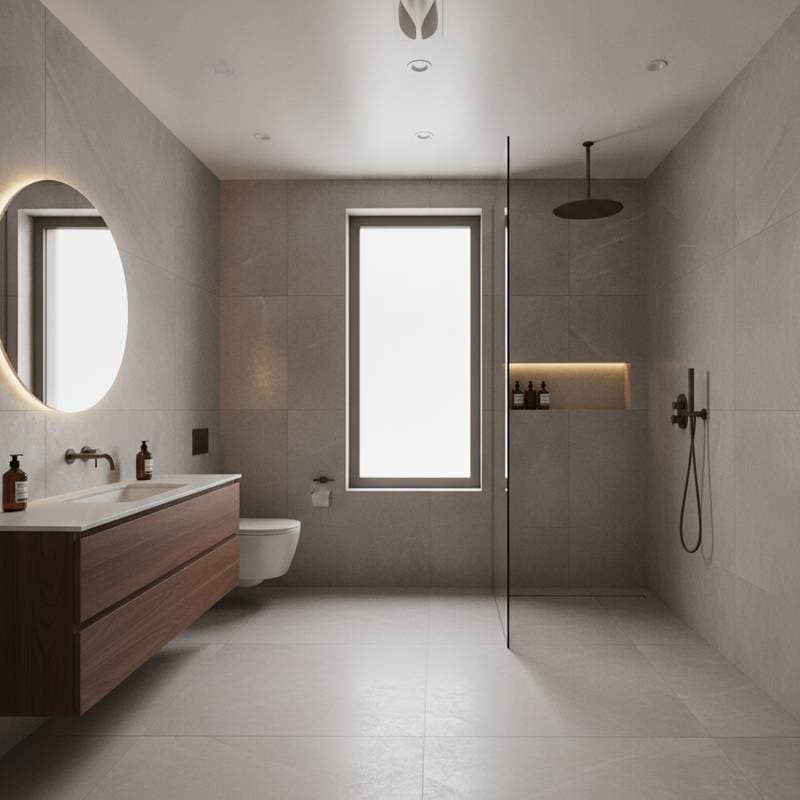
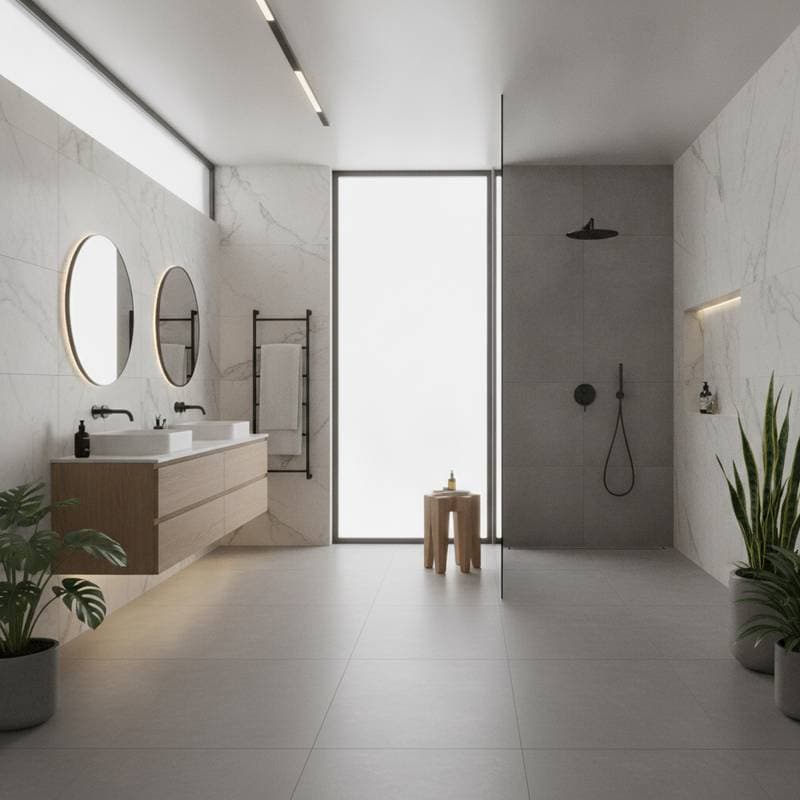
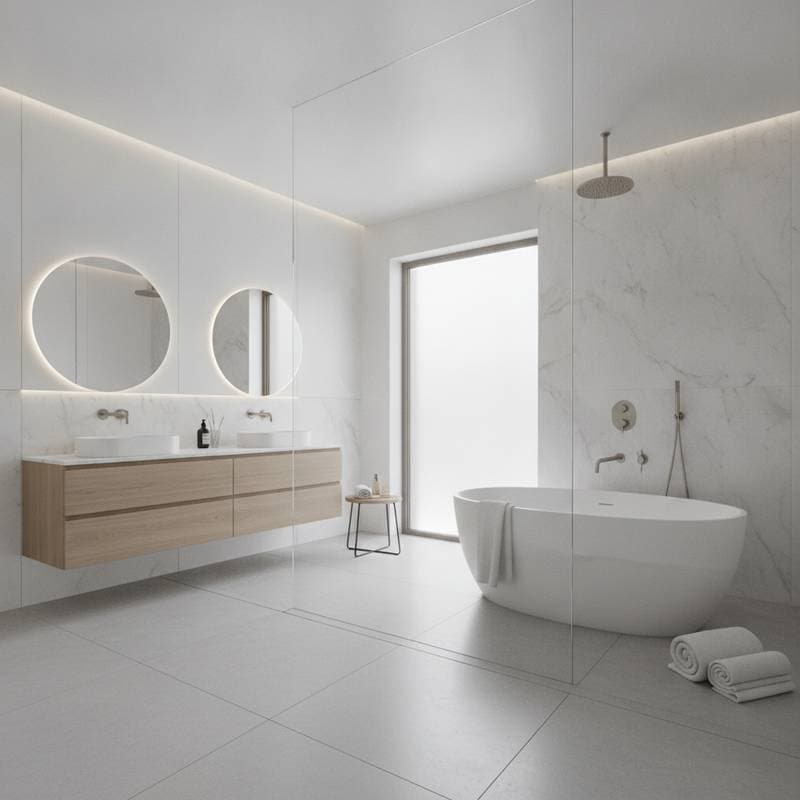
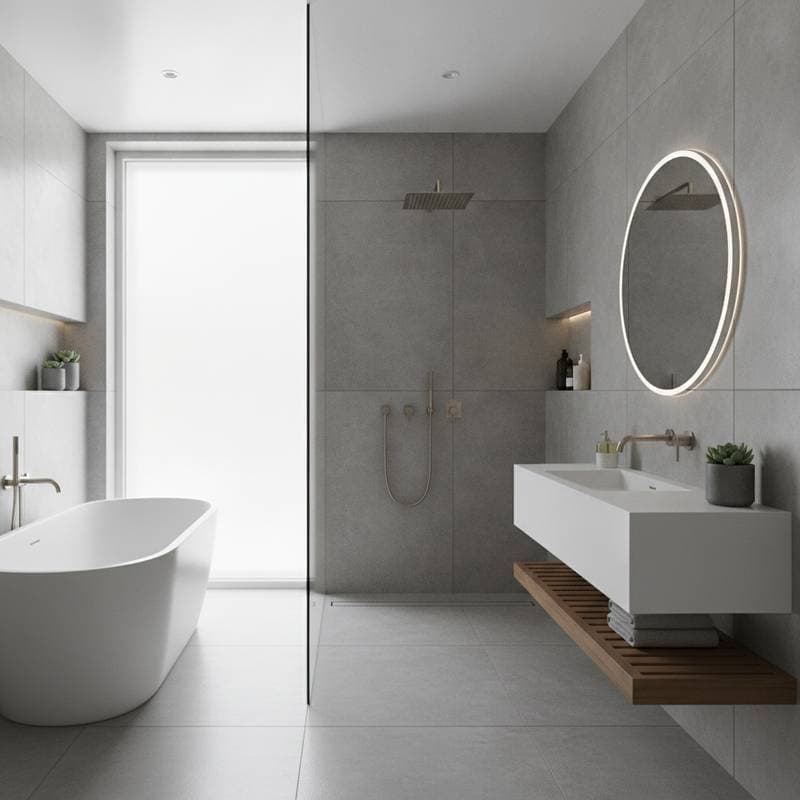
Wet rooms create fully waterproof bathrooms with open walk-in showers that eliminate doors and raised trays. Water flows across a level floor into a built-in drain, producing a seamless surface that simplifies daily use. Homeowners select this layout for better accessibility, cleaner aesthetics, and stronger resale performance in both compact and spacious homes.
Pros and Cons
Pros
- Adds measurable resale value in updated bathroom designs
- Improves access for aging residents or those with limited mobility
- Opens sight lines that enlarge the feel of smaller bathrooms
- Reduces cleaning time by removing joints and ledges
- Manages moisture more reliably than enclosed showers
Cons
- Requires higher initial investment than a standard shower update
- Demands exact waterproofing to avoid future leaks
- Feels cool underfoot without added heating
- Needs skilled labor to achieve correct floor slope and drainage
- May not suit every building if the subfloor cannot be adjusted
DIY versus Professional Installation
Wet rooms require advanced waterproofing knowledge. Only experienced remodelers should attempt the work themselves. Tasks include leveling the floor, applying sealed membranes, and pressure-testing drains before tile installation.
Project details include high difficulty, four to ten days of work, and tools such as trowels, levels, membrane rollers, and tile saws. The chief risk remains undetected water intrusion beneath the finished surface.
Engage a licensed contractor whenever floor regrading or new drain lines are involved. Professionals verify code compliance, maintain proper slope, and supply warranty protection on the waterproofing system.
Maintenance and Lifespan
A correctly installed wet room lasts twenty to thirty years. Reseal grout lines every two to three years and clear drains monthly. Keep exhaust fans free of dust to limit moisture buildup.
Inspect regularly for cracked tile, soft flooring, or musty smells that signal hidden dampness. Most waterproofing membranes carry a ten-year warranty and often exceed that span when protected from punctures.
Regional Considerations
Costs vary with local climate and regulations. Humid areas need stronger ventilation to control mold. Colder regions benefit from underfloor heating for comfort.
Plumbing changes in cities such as Los Angeles or Chicago typically require permits. Labor rates in those markets can increase total expense by fifteen to thirty percent. Confirm approved waterproofing products with local inspectors before work begins.
Safety Measures
Sound waterproofing prevents damage to subfloors and lower ceilings. Choose slip-resistant tile rated R10 or higher. Add grab bars for anyone with balance concerns and keep electrical outlets outside the shower zone.
Avoid unsealed tile backs, inadequate drain slopes, and incompatible membrane-adhesive combinations. Licensed plumbers should complete all drain connections.
Common Questions
What separates a wet room from a curbless shower?
A wet room waterproofs the entire bathroom floor. A curbless shower seals only the shower area.
Can every bathroom become a wet room?
Most spaces work if the floor can be sloped and sealed. Older homes may need added subfloor support.
Do wet rooms leak more often?
Proper installation prevents leaks. Failures usually trace to poor sealing or incorrect slope.
Is underfloor heating required?
It remains optional yet raises comfort and speeds drying.
How much upkeep does a wet room need?
Routine cleaning, periodic grout resealing, and drain clearing suffice.
Next Steps for Homeowners
Wet rooms align with demand for open, accessible bathrooms that stay simple to maintain. Compare detailed proposals from at least three licensed contractors and review warranty terms on waterproofing products. A properly executed wet room safeguards the property while improving daily comfort and future sale price.