Buyers Pay an 11 Percent Premium for Wet Room Homes in 2026
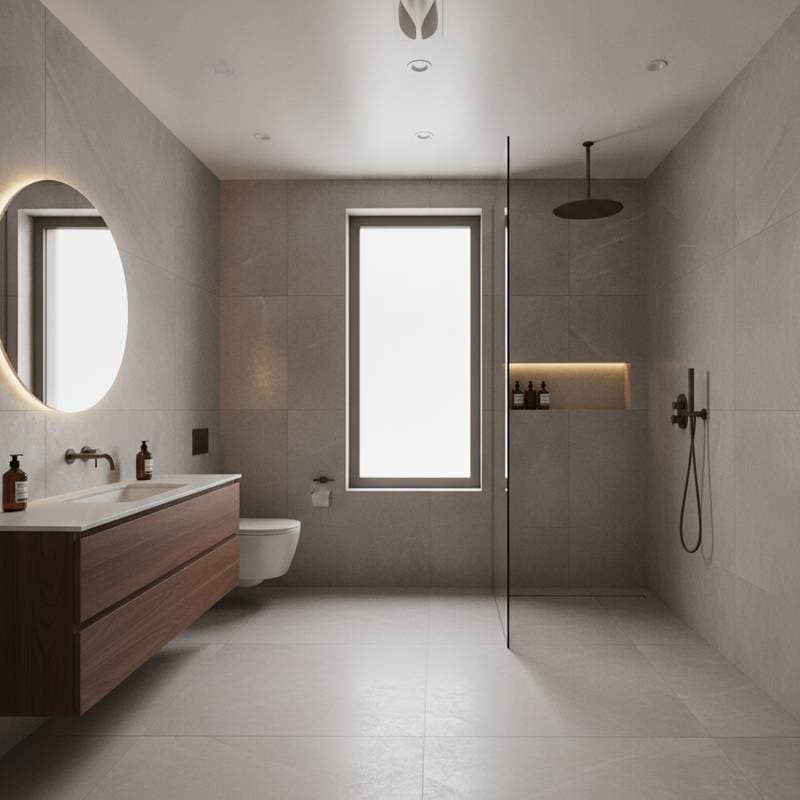
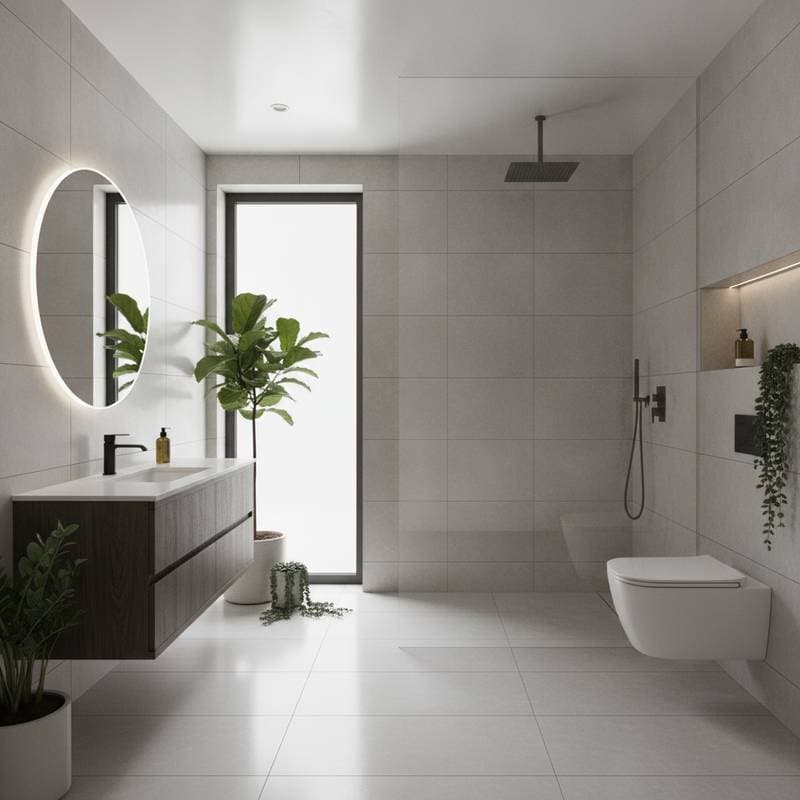
Wet rooms feature waterproof walls and floors with open shower zones and zero threshold entries. Home buyers pay approximately 11 percent more for properties that include this feature. This premium reflects growing demand for flexible bathrooms that require minimal maintenance and support aging in place.
A wet room suits homeowners who remodel a master bath, construct new, or convert a guest bath. It delivers barrier free access along with a minimalist aesthetic.
Advantages and Tradeoffs
Advantages
- Higher resale value. Homes with wet rooms sell faster and command up to an 11 percent price increase.
- Barrier free entry. Absence of steps or curbs improves access for every age group.
- Simplified cleaning. Continuous surfaces reduce grout lines and limit mold formation.
- Contemporary appearance. The design complements minimalist and open plan bathroom layouts.
- Space efficiency. Removal of enclosures frees floor area in compact bathrooms.
Tradeoffs
- Elevated initial expense. Specialized waterproofing and drainage increase material and labor costs.
- Moisture management. Adequate ventilation is essential to prevent humidity from affecting adjacent spaces.
- Temperature retention. Open layouts cool more quickly than enclosed showers.
- Floor safety. Slip resistant tile or textured stone must be selected.
- Reduced enclosure. Open layouts limit privacy around the shower area.
Professional Installation versus DIY
Difficulty remains high because waterproofing, precise slope creation, and drainage integration require specialized skills. Most projects span four to ten days. Required tools include a tile saw, waterproof membrane, level, trowel, drain assembly, and moisture barriers.
Hire a licensed contractor when plumbing lines must be relocated, when work occurs over wood subfloors, or when local codes mandate inspections. Professional installation guarantees code compliant slopes and sealed membranes. Warranties typically cover waterproofing for at least one year.
Care and Durability
A correctly installed wet room endures twenty years or longer. Weekly wiping of tile and glass prevents soap residue. Monthly inspection of grout and caulk identifies early cracks. Annual drain cleaning maintains flow. Follow manufacturer guidance for any warranty requirements. Use only pH neutral cleaners and maintain continuous ventilation to avoid mold.
Regional Considerations
Humid climates demand robust ventilation and mildew resistant materials. Cold regions benefit from radiant floor heating. Municipal codes often require approved traps and venting for floor drains. Urban labor rates run twenty to thirty percent higher than average. Coastal projects favor corrosion resistant fixtures. Permits and inspections are mandatory for plumbing and waterproofing work in most jurisdictions.
Return on Investment
Well executed wet rooms produce measurable value. Market data indicate an average 11 percent price advantage. Mid range projects recover sixty to eighty percent of cost at resale when finishes align with buyer expectations. The feature appeals equally to young professionals and homeowners planning long term occupancy.
Safety Requirements
Proper slope and sealed membranes prevent leaks and structural damage. Select tile with a minimum 0.42 coefficient of friction. Position electrical devices outside wet zones and install GFCI protection. Verify all drains meet plumbing code. Use tempered glass where partitions exist. Add grab bars for households with children or older adults. Membranes should satisfy ANSI A118.10 standards.
Common Questions
How much floor area is required? Forty square feet meets minimum layout needs, while fifty to sixty square feet provides comfortable drainage slopes.
Can a wet room be added upstairs? Yes, provided the subfloor supports the load and all seams receive thorough sealing. A professional assessment of joists and drainage is recommended.
What tile performs best? Porcelain or natural stone with a slip resistant finish works reliably. Polished surfaces should be avoided.
How long does construction take? One to two weeks covers preparation through curing. Plumbing modifications may extend the schedule.
Does the investment justify itself? The documented resale premium and accessibility improvements make wet rooms practical for most owners who intend to remain in the home.
Next Steps for Homeowners
Review floor structure and obtain local code information before starting a remodel. A properly constructed wet room increases property value, shortens cleaning routines, and maintains safety across all life stages.