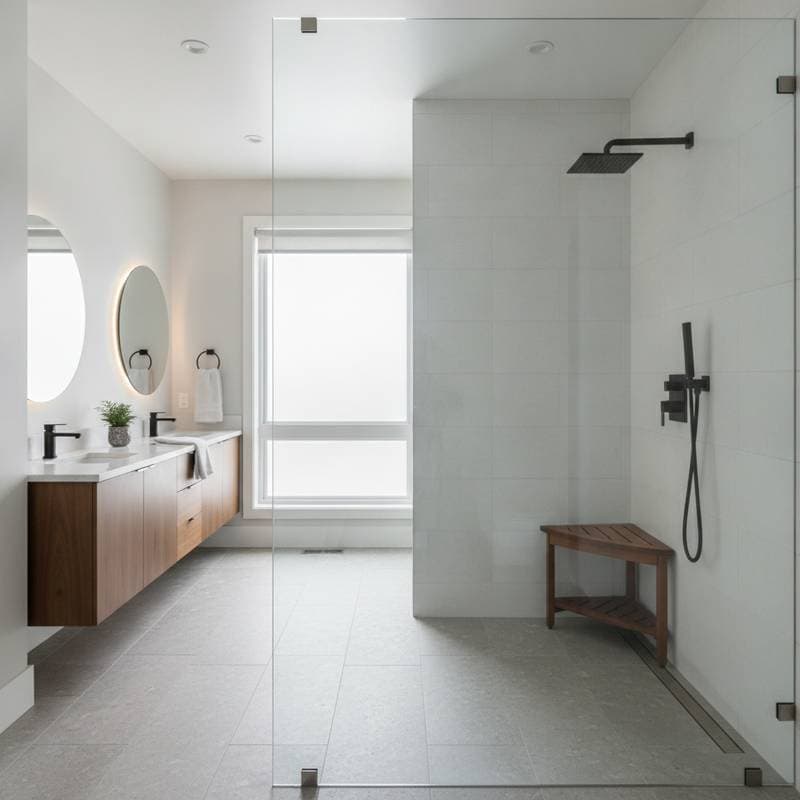
Zero-Threshold Showers: Why They Help Homes Sell Faster
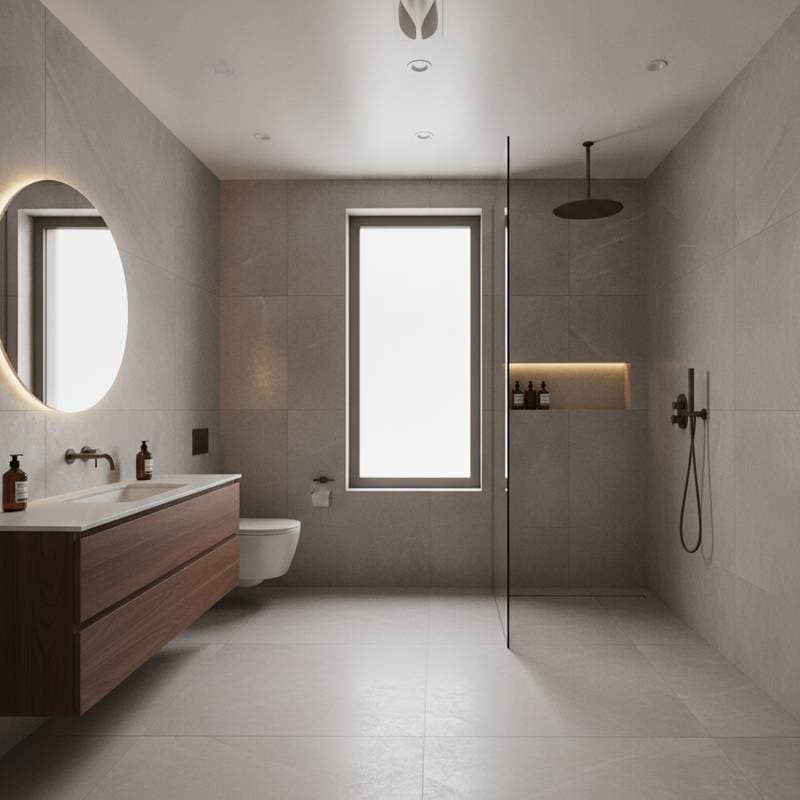
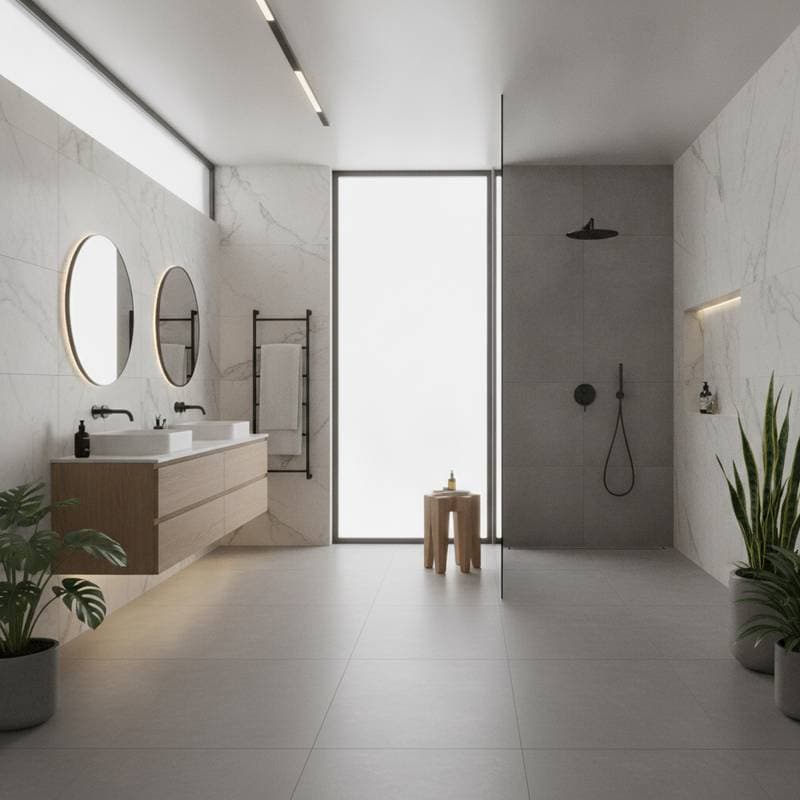
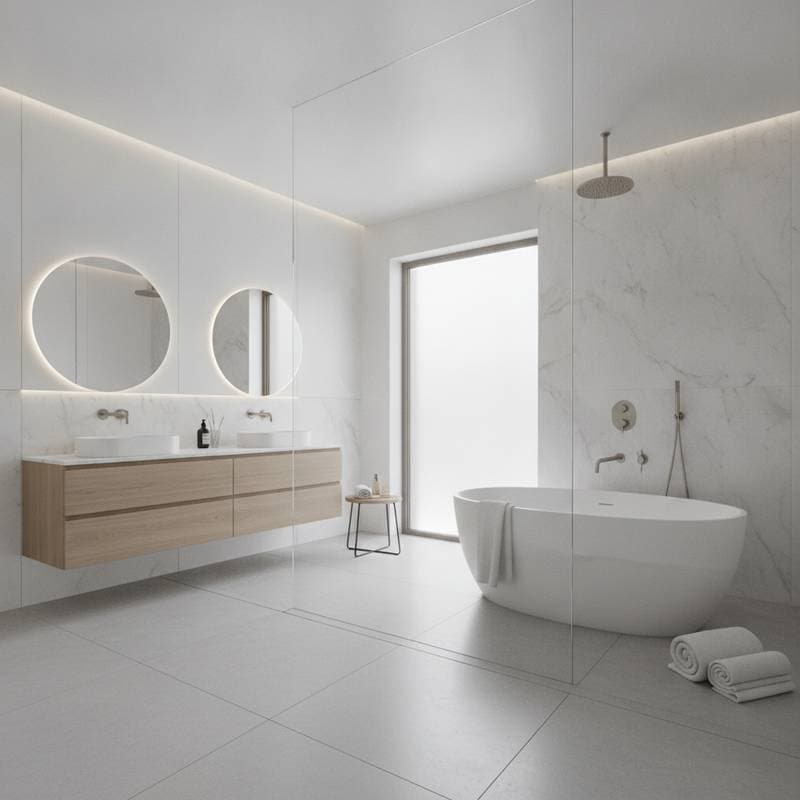
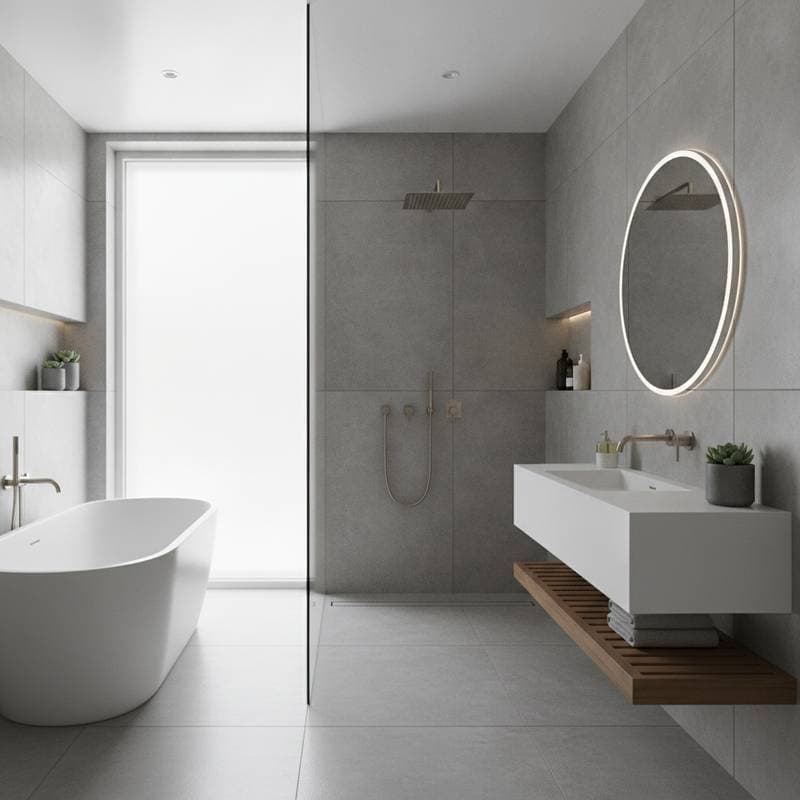
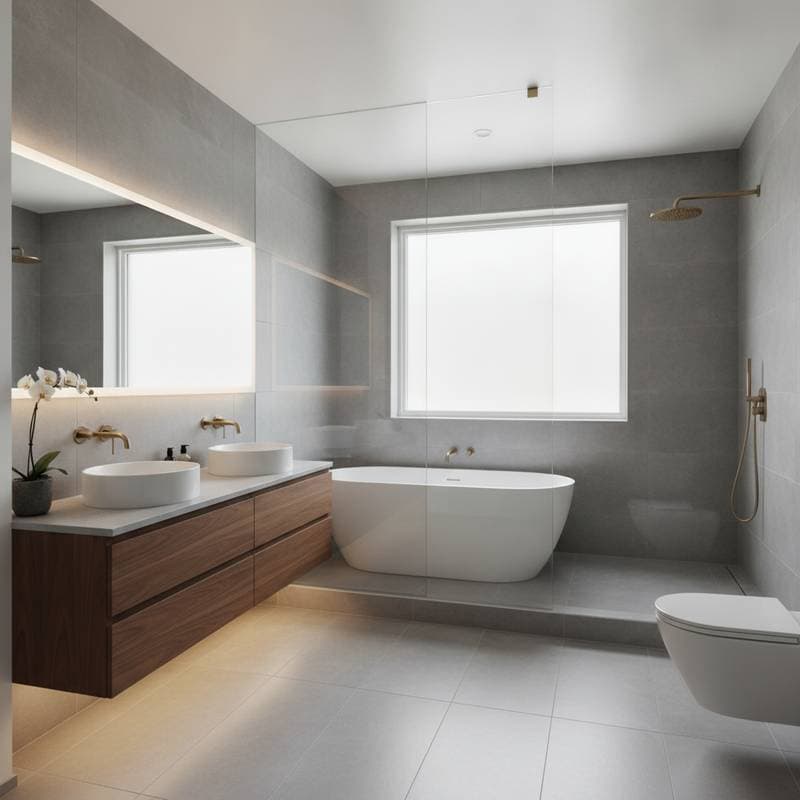
Zero-threshold showers eliminate the raised curb at the shower entrance. The floor slopes toward the drain to create a seamless transition. This design improves safety and simplifies cleaning while creating a more open feel in the bathroom. The style aligns with current preferences for accessible and low-maintenance spaces.
Benefits and Drawbacks
Benefits
- Removes trip hazards for safer daily use
- Attracts buyers seeking accessible features for aging in place
- Reduces cleaning time by minimizing edges and corners
- Makes small bathrooms appear larger through uninterrupted flooring
- Supports higher resale value through alignment with universal design standards
Drawbacks
- Increases initial costs due to custom floor preparation
- Demands exact slope measurements to prevent standing water
- Complicates installation in homes with concrete slabs
- May trigger permit requirements when plumbing is altered
- Extends project timelines compared with standard shower bases
The advantages often justify the investment when long-term accessibility and resale potential guide the decision.
Professional Installation Requirements
This project involves precise waterproofing and structural adjustments that exceed typical DIY capabilities. Errors in slope or sealing frequently lead to leaks.
Difficulty level: High
Professional timeline: Three to seven days
Essential tools for reference: Tile saw, notched trowels, waterproof membrane system, laser level
Primary risks: Incorrect drainage pitch, compromised waterproofing layers
Engage a licensed contractor when the subfloor requires modification or when plumbing must be rerouted. Concrete slab homes almost always need professional cutting or reforming of the floor to achieve proper slope.
Care and Durability
A correctly installed zero-threshold shower performs for 20 to 30 years. Follow a consistent maintenance routine to protect surfaces and drainage.
Recommended schedule:
- Wipe tile and grout weekly.
- Reseal grout and stone surfaces every 12 to 18 months.
- Verify drain performance and slope once a year.
- Inspect and replace silicone joints at the first sign of cracking.
Linear drains require cover removal and cleaning several times each year. Warranties on waterproofing assemblies commonly range from 10 to 25 years when documentation is retained.
Regional Installation Factors
Labor rates, foundation types, and climate conditions affect both cost and method. Cold regions require additional insulation beneath the shower to guard against moisture issues. Humid climates call for enhanced ventilation and mold-resistant materials.
Area-specific notes:
- Coastal states often enforce strict waterproofing inspections and slope ratios.
- Slab foundations common in central regions raise the cost of floor recess work.
- Older homes in northern markets may need wall adjustments to accommodate drainage.
- High-humidity southern locations increase the importance of regular sealing.
Confirm local permit rules before work begins. Some jurisdictions treat subfloor alterations as structural changes.
Safety Enhancements
Barrier-free entry reduces fall risk for all users. Combine the shower with additional safety measures for maximum protection.
Recommended additions:
- Textured tile rated for wet areas
- Grab bars secured to structural framing
- Handheld showerhead on an adjustable bar
- Fold-down seating option
- Temperature-limiting valve
Select membranes that meet established waterproofing standards. Ground-fault protection is required for any electrical components near the shower area.
How These Showers Accelerate Sales
Buyers notice bathrooms early during tours. A curbless shower signals thoughtful updates and modern planning. The open layout appeals equally to professionals seeking clean lines and to households planning for future accessibility needs.
Real estate listings that highlight this feature often generate more inquiries before showings occur. The upgrade suggests overall quality throughout the property.
Execution Steps
- Finalize drain placement and slope calculations first.
- Choose porcelain tile, sealed grout, and compatible backer board.
- Match floor heights at the shower threshold for safe transitions.
- Install an integrated waterproofing system rather than individual components.
- Add recessed or overhead lighting to improve visibility.
These choices turn a basic shower into a standout selling point.
Next Actions
Assess the existing bathroom layout and floor structure. Collect multiple bids from contractors experienced with curbless installations. Once complete, follow the outlined maintenance plan to preserve appearance and function. Homes featuring this upgrade consistently draw faster interest from a broad range of buyers.