Dark Academia Trend Driving Luxury Home Sales
Dark academia is reshaping luxury interiors. Deep colors, heavy textures, and intellectual charm now help homes sell faster and at higher prices. Buyers seek spaces that feel layered, moody, and meaningful. This design style signals sophistication and permanence as a measured response to years of bright minimalism.
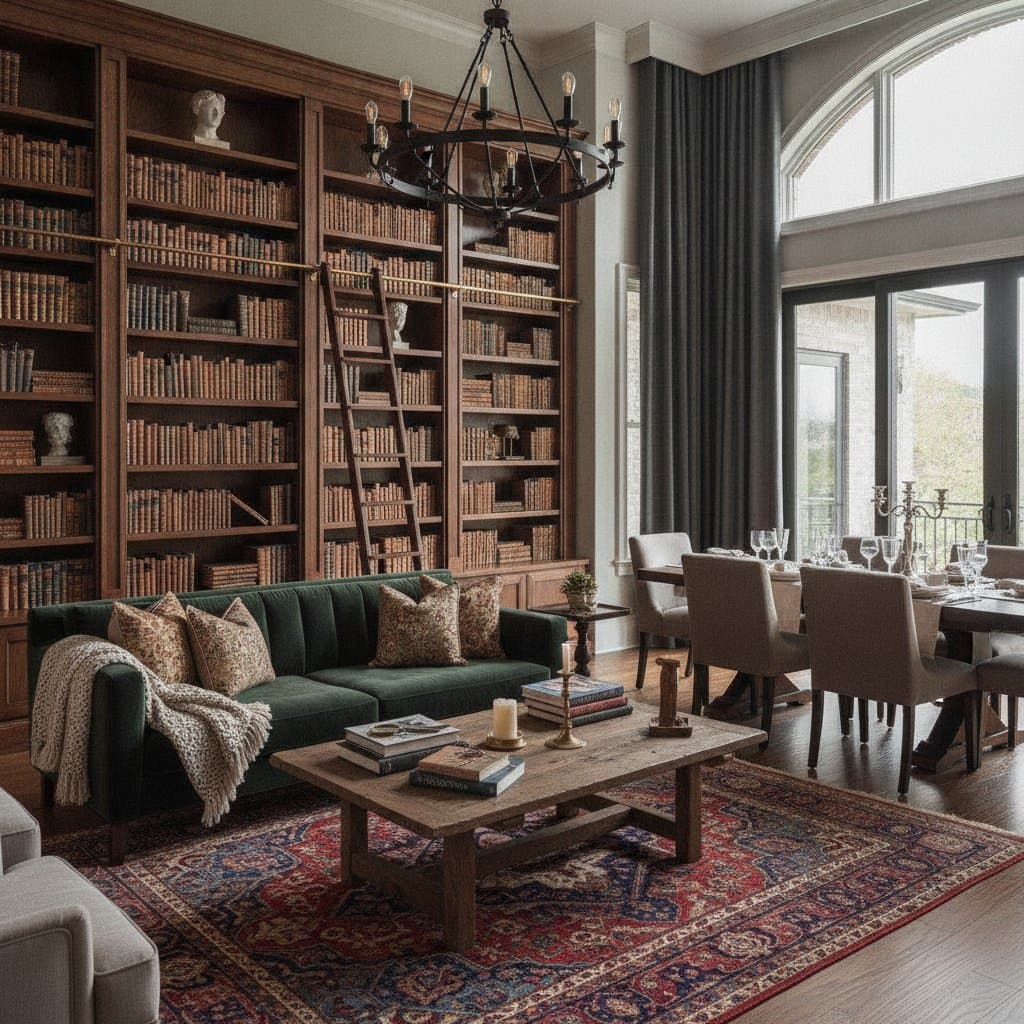
Homes styled with dark academia details command attention in the luxury market. Walnut bookshelves, oil paintings, candlelight, and velvet convey quiet confidence.
Core Elements of Dark Academia Design
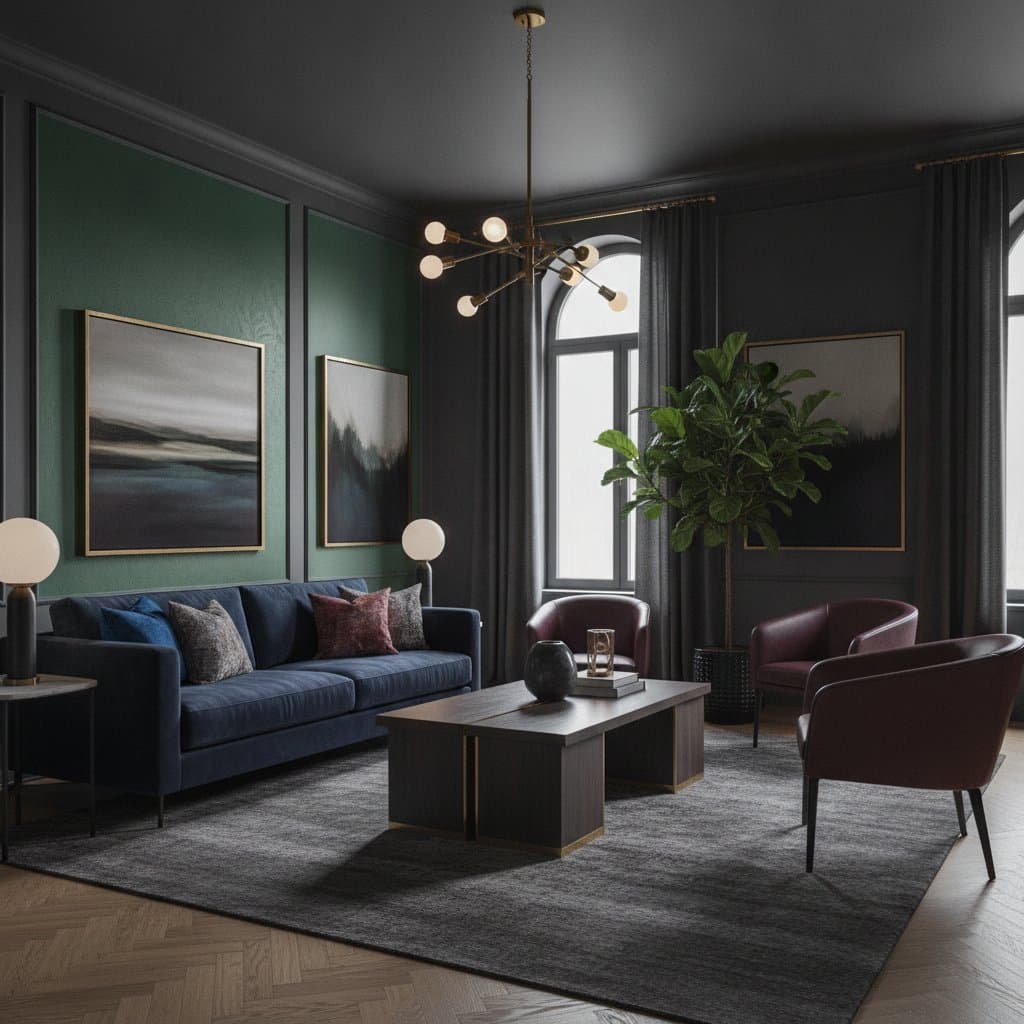
Dark academia blends old-world academic charm with modern comfort. It draws from historic libraries, private studies, and European salons. The palette centers on rich, muted tones such as espresso brown, oxblood red, forest green, and deep navy.
Key elements include:
- Dark wood paneling or cabinetry
- Antique or vintage-style lighting
- Leather seating and wool textiles
- Layered art, books, and curiosities
- Stone or marble accents with subtle veining
The style avoids clutter. Every object appears intentional, balancing intellect with indulgence.
Reasons This Approach Sells Homes
Luxury buyers seek distinction. A dark academia interior feels personal and crafted rather than staged. It communicates taste, education, and depth.
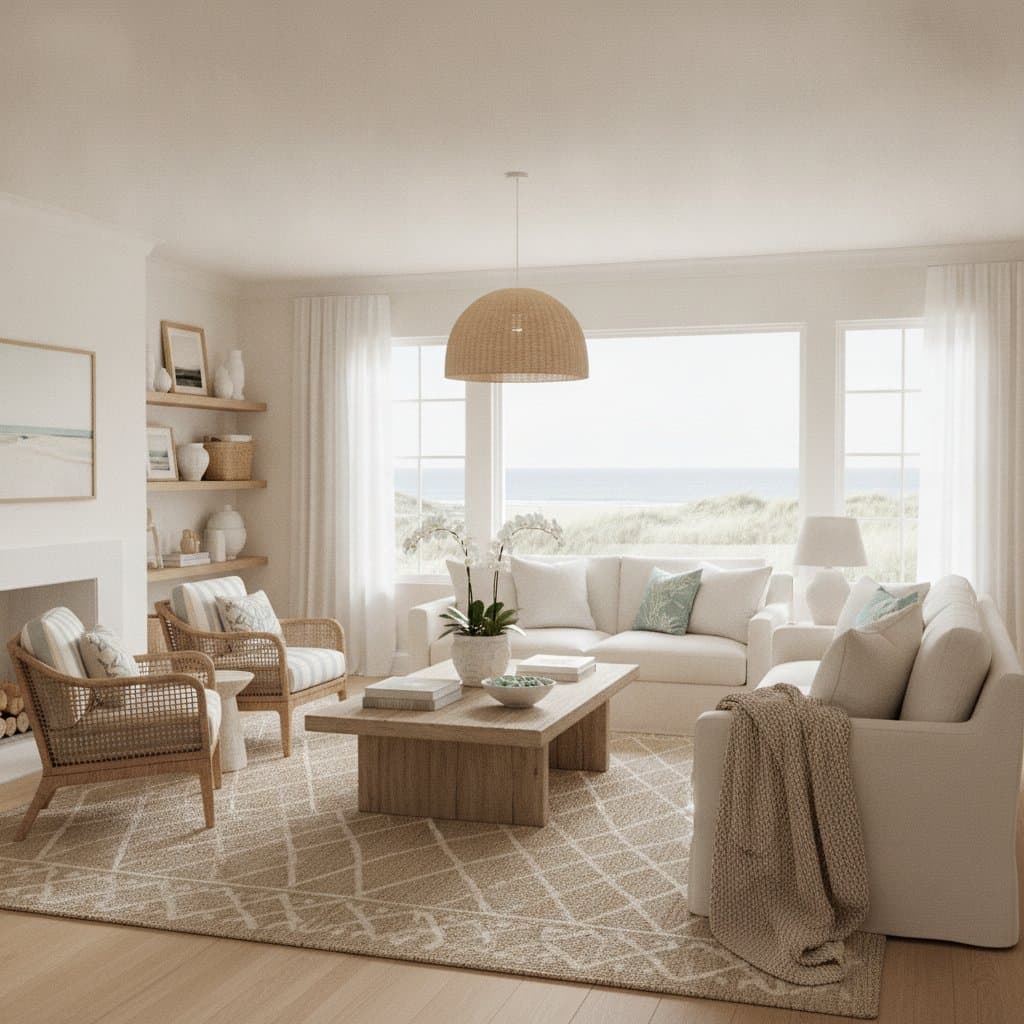
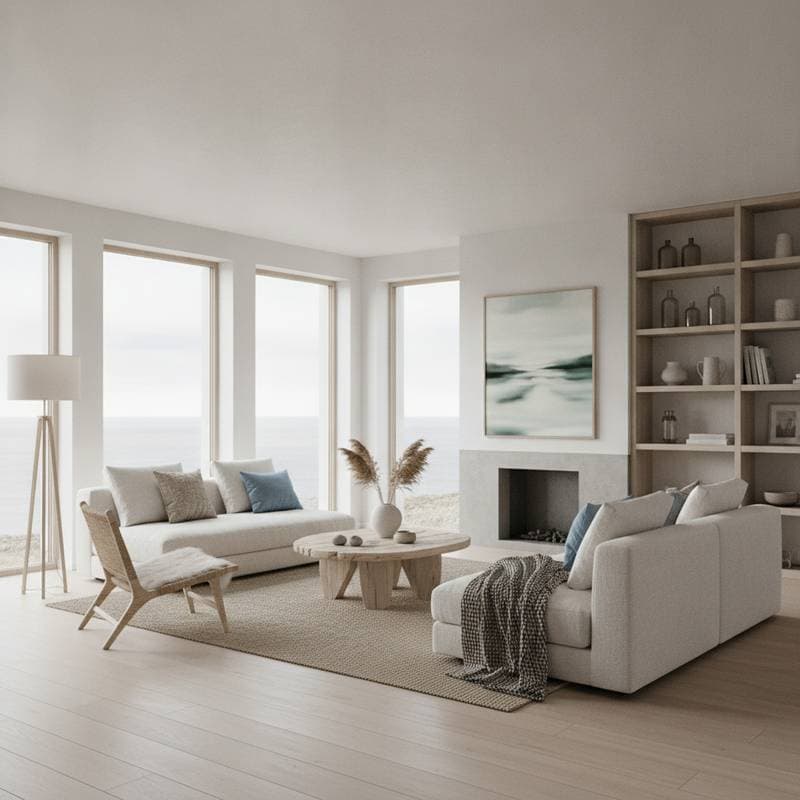
Open-concept white interiors once dominated listings. Buyers now prefer rooms that tell a story. A moody library, a candlelit dining room, or a study with built-in bookshelves creates emotional pull. These spaces photograph well and help listings stand out online.
Real estate agents note that homes with dark academia touches often attract more qualified buyers. The style suits high-end neighborhoods where heritage and artistry hold value.
Steps to Introduce the Style
You can add dark academia elements without a full remodel. Begin with small changes and build layers.
Select a rich color palette
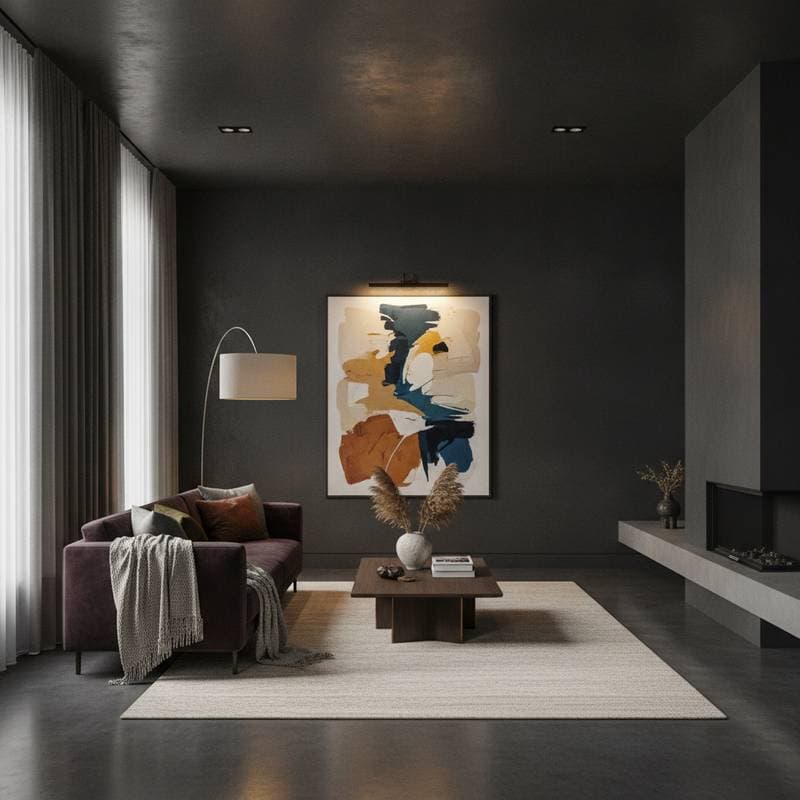
Choose one or two deep base tones. Paint an accent wall in olive, aubergine, or charcoal. Introduce lighter contrast through art or textiles.
Improve lighting
Replace overhead fixtures with warm, shaded lamps or sconces. Install dimmers to control atmosphere.
Combine textures
Pair leather, wool, velvet, and wood. Contrast smooth marble with aged metal finishes.
Curate meaningful decor
Display books, framed letters, or vintage instruments. Skip mass-produced art. Personal items lend authenticity.
Incorporate architectural detail
Add crown molding, wainscoting, or built-ins to increase character. Simple trim can shift the overall mood.
Maintain function
Dark academia remains beautiful yet practical. Confirm that lighting, seating, and storage meet daily needs.
Investment and Timeline
| Task | Typical cost | Factors that affect price |
|---|---|---|
| Paint and finish updates | $2,000 to $6,000 | Room size and material quality |
| Lighting upgrades | $800 to $4,000 | Fixture design and electrical work |
| Built-in shelving | $3,000 to $12,000 | Custom carpentry and wood selection |
| Furniture and textiles | $5,000 to $20,000 | Designer brands and antique sourcing |
| Art and accessories | $1,000 to $10,000 | Provenance, framing, and curation |
Prices vary by region. Sourcing antiques or rare materials can raise both cost and lead time.
A partial makeover requires two to four weeks. A full redesign with custom millwork may extend to several months. Painting and lighting offer the quickest results. Cabinetry and furniture orders take longer.
Factors that accelerate progress include local artisans, stock materials, reuse of existing furniture, and a clear design plan. Delays often stem from backordered fixtures or imported fabrics.
When to Use DIY or Professional Help
Consider DIY when updating paint, lighting, or decor and when sourcing vintage pieces appeals to you.
Hire professionals for built-ins, paneling, or intricate finishes. Licensed contractors manage wiring, cabinetry, and code compliance. A designer can balance drama and comfort while preserving resale value.
Required Tools and Materials
- Paint rollers, brushes, and drop cloths
- Ladder and level
- Screwdriver set for fixture changes
- Measuring tape for furniture layout
- Stud finder and drill for shelving
- Safety gear for sanding and installation
Check wall integrity before adding heavy shelving. Use proper anchors for masonry or plaster walls.
Regional Considerations
Climate influences material choices. In humid or coastal areas, select moisture-resistant finishes on woodwork. In dry climates, apply conditioners to prevent cracking.
Local codes may require permits for sconce or chandelier installation. Historic districts often need design review for exterior or structural changes.
Alignment with Luxury Buyer Preferences
Dark academia supplies emotional depth that sleek minimalism lacks. It feels grounded and collected. Buyers view these homes as investments in permanence.
The style photographs effectively under varied light. Marketing teams use this mood to produce cinematic property tours that build stronger connections with prospects.
Developers now stage model units with rich tones and built-in libraries instead of all-white walls. The change emphasizes character over volume.
Practical Recommendations
- Apply matte finishes to reduce glare.
- Offset dark walls with warm lighting or metallic accents.
- Blend vintage and new pieces for authenticity.
- Keep books and art genuine rather than decorative props.
- Introduce scent through candles or diffusers with wood or leather notes.
These details strengthen atmosphere and help buyers picture daily life in the home.
Distinctions and Practical Questions
Dark academia differs from gothic style by remaining warmer and more intellectual. Gothic design tends toward theatrical ornament.
Small rooms accommodate dark colors when lighting is layered. Mirrors and warm bulbs help maintain an open feel.
The trend works in modern homes. Pair clean lines with dark finishes for balance.
Implementation Path
Dark academia design represents a statement of taste, calm, and substance. Executed well, it converts a property into a destination. Whether the project involves one painted wall or a commissioned library, attention to detail produces lasting results.