Wet Rooms Deliver 15% ROI as Showers Become Obsolete
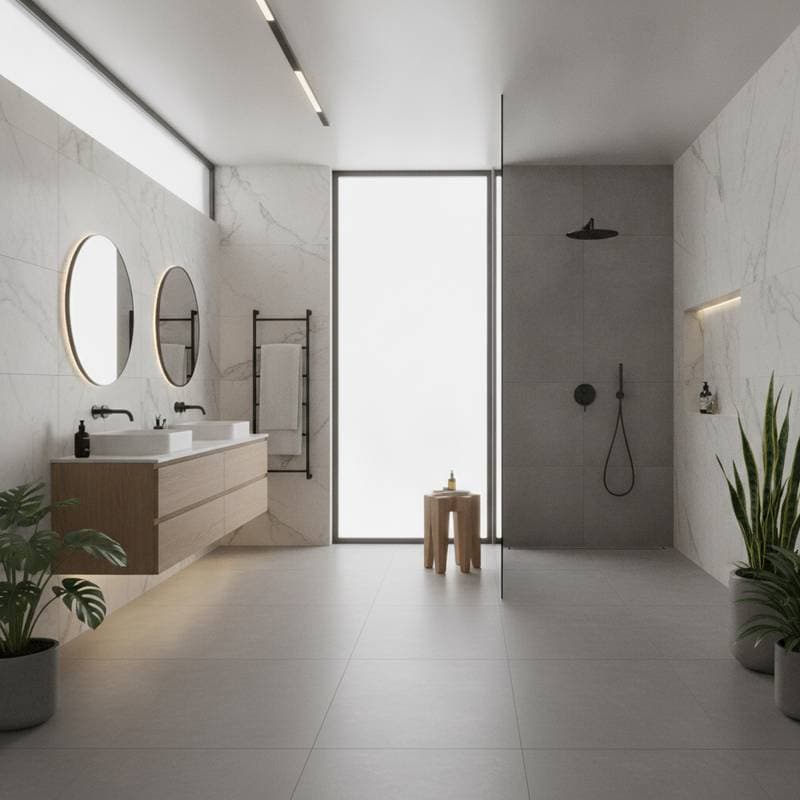
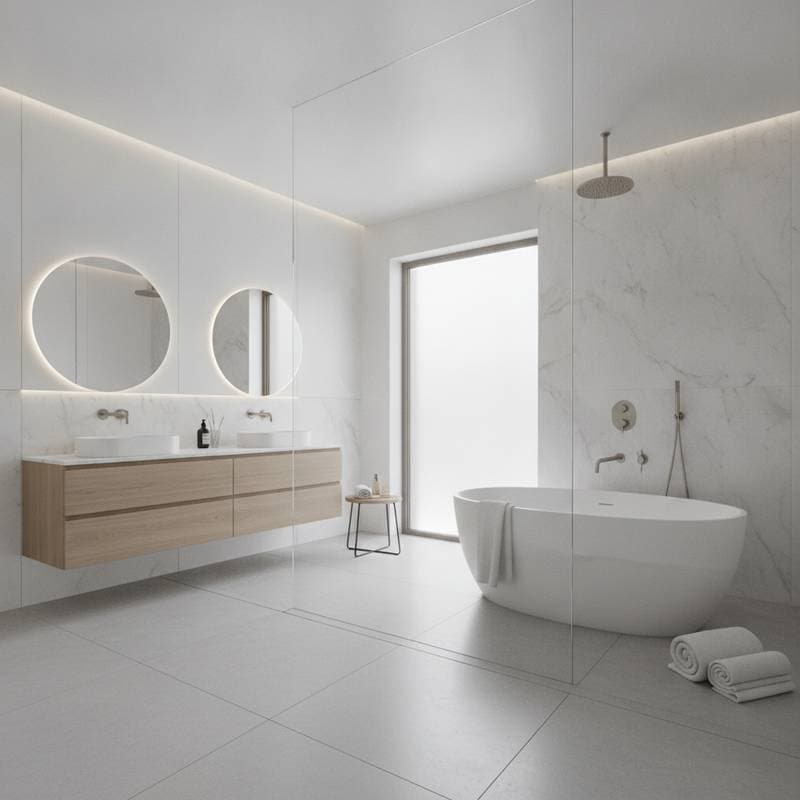
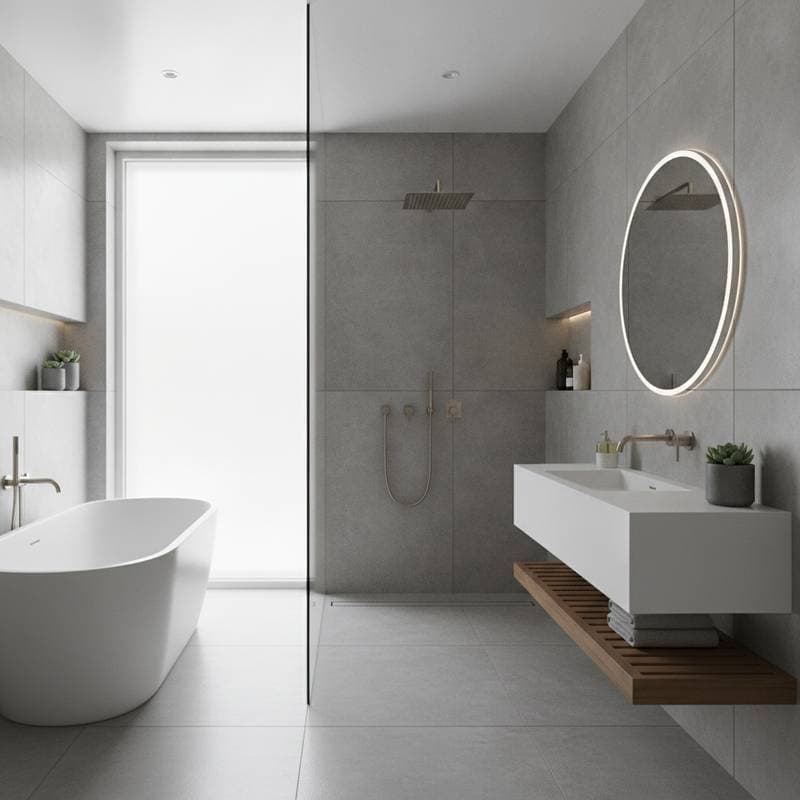
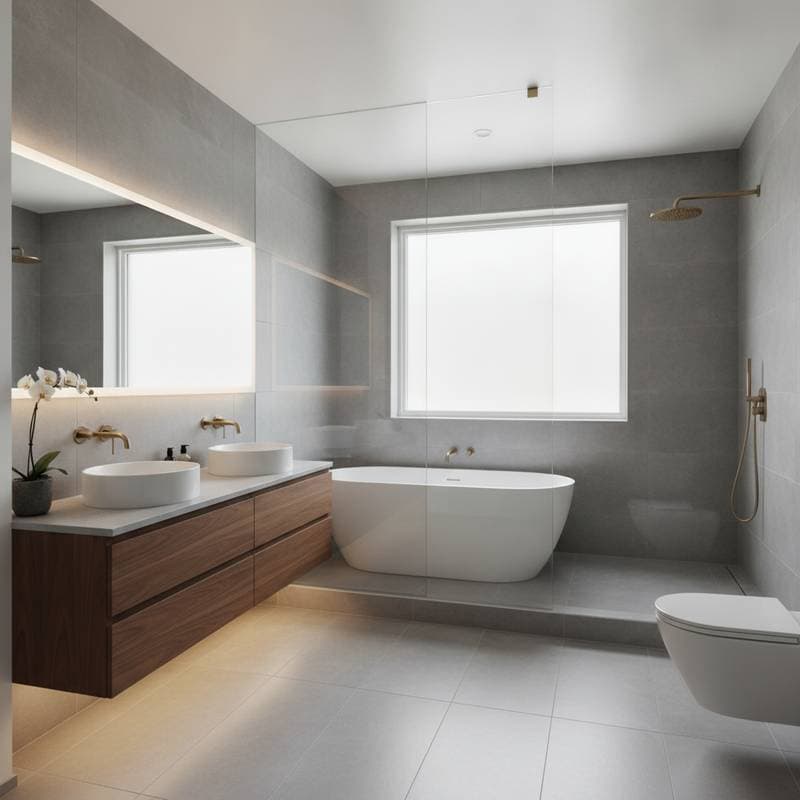
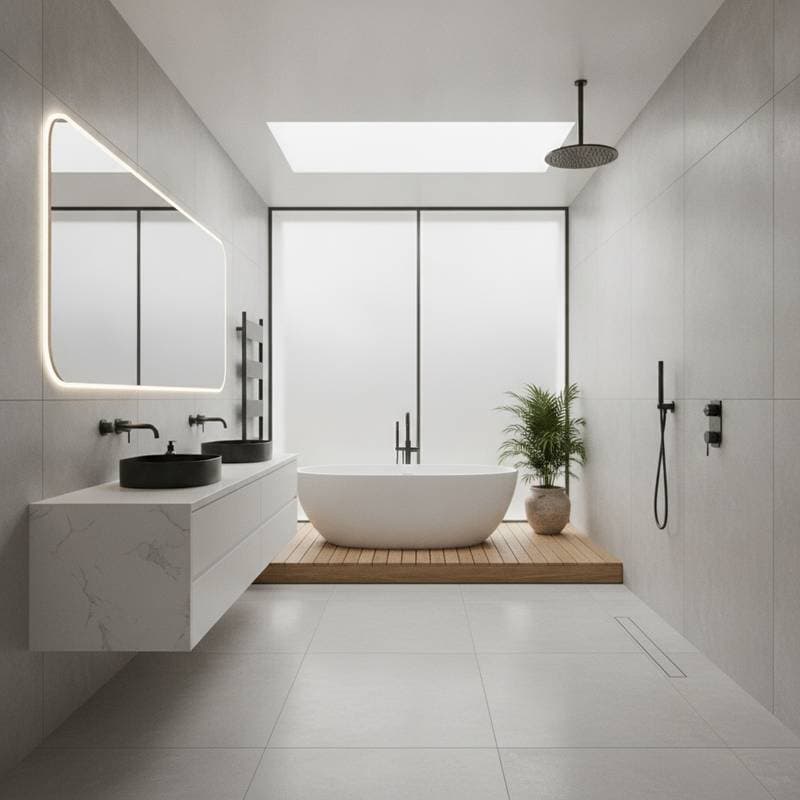
Wet rooms create fully waterproof bathrooms with a level floor throughout. Water flows to a built in drain via a gentle slope. This design supports current style preferences and makes movement easier for all users. Homeowners often select this option during updates to gain visual appeal along with practical benefits.
Cost Snapshot
Professional installation typically ranges from 12000 dollars to 20000 dollars across most regions. Mid level projects usually fall between 14000 dollars and 17000 dollars. Smaller spaces or owner completed work may approach 8000 dollars. High end versions with premium materials can surpass 25000 dollars.
Key cost factors include tile and membrane choices, bathroom dimensions, plumbing adjustments, drain type, and local labor rates.
Pros and Cons
-
Increases resale value with approximately 15 percent return on investment.
-
Produces an open appearance that enlarges the visual space.
-
Supports accessibility needs for aging residents or those with mobility limits.
-
Simplifies cleaning due to fewer edges and joints.
-
Pairs effectively with underfloor heating systems.
-
Demands skilled waterproofing to avoid future leaks.
-
Involves greater initial expense compared with standard showers.
-
May require added heating or airflow to maintain comfort.
-
Depends on accurate floor slope for reliable drainage.
Available Configurations
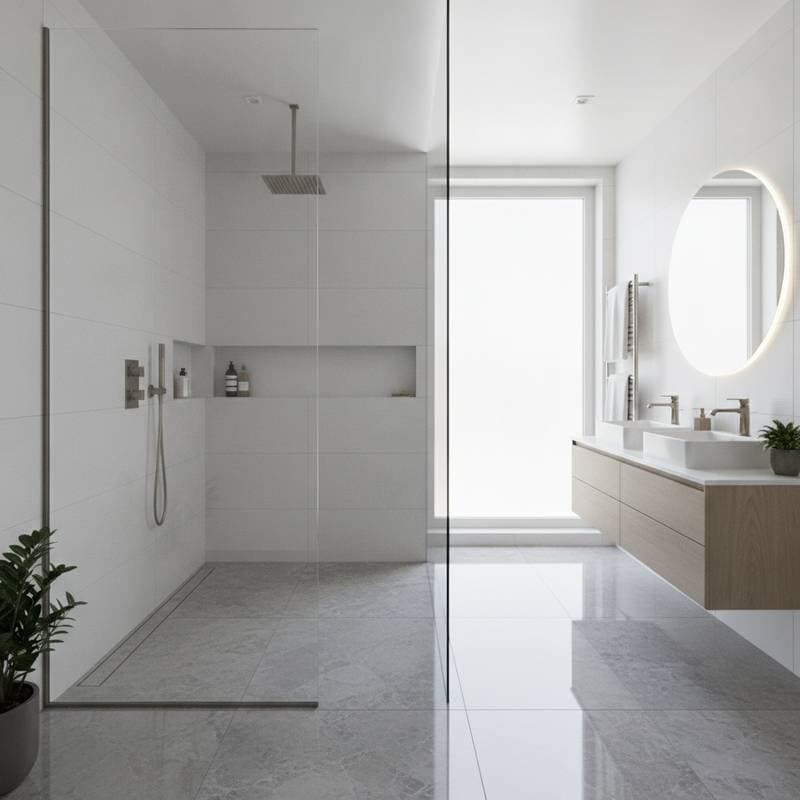
A full wet room waterproofs the entire space and suits large scale renovations. A partial wet room seals only the shower zone and works well for compact areas. A walk in layout uses one glass panel for splash control and offers a streamlined appearance at reduced cost. An accessible version adds grab bars, slip resistant surfaces, and open entry to meet universal design standards.
Professional Installation Steps
- Remove existing fixtures and floor coverings.
- Check and repair the subfloor as needed.
- Apply a waterproof membrane across the floor and lower walls.
- Form a slope to the drain with mortar or pre sloped panels.
- Position the drain and verify leak free performance.
- Set tiles using waterproof adhesive.
- Finish joints with flexible grout and seal corners.
- Add a glass divider if desired.
- Confirm drainage function and complete fixture placement.
This sequence requires three to seven days and specialized tools. Only experienced individuals should attempt the work themselves. Licensed contractors handle code compliance, slope precision, and warranty protection.
Ongoing Care and Durability
Check grout and sealant lines twice each year. Clear the drain weekly to avoid buildup. Reapply tile sealer every two to three years. A correctly constructed wet room endures twenty years or longer. Many membrane systems carry ten year warranties when installed by certified professionals.
Comparable Options
A curbless shower reduces waterproofing scope while retaining a similar appearance. A large enclosure contains water with added glass and hardware. A bathtub shower combination lowers cost yet reduces accessibility and modern appeal.
Regional Considerations
Labor expenses rise in high demand urban markets. Humid or coastal locations require enhanced ventilation and membranes. Some jurisdictions mandate drain inspections or approved membrane products. Confirm permit requirements before beginning any work.
Value at Resale
Agents note roughly 15 percent return on investment for well executed wet rooms. Buyers view these spaces as premium and accessible features. Updated barrier free bathrooms frequently accelerate sales in active markets.
Safety Requirements
Confirm circuits meet damp location ratings. Install GFCI protection near water sources. Maintain adequate ventilation to control moisture. Avoid structural changes without engineering review. Permits apply when plumbing or floor modifications occur.
Selecting Your Contractor
Obtain three detailed bids from licensed professionals and review recent comparable projects. Focus on design planning, membrane quality, and drainage accuracy from the start. Proper execution delivers lasting comfort, improved access, and measurable financial return.