Wet Rooms Replacing Tubs to Boost 2026 Home Values
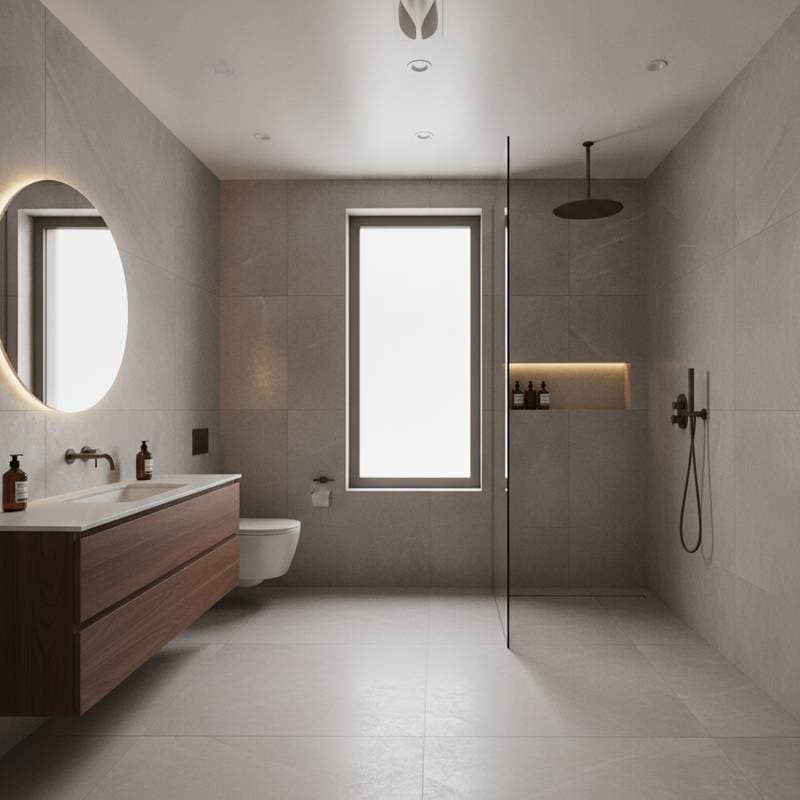
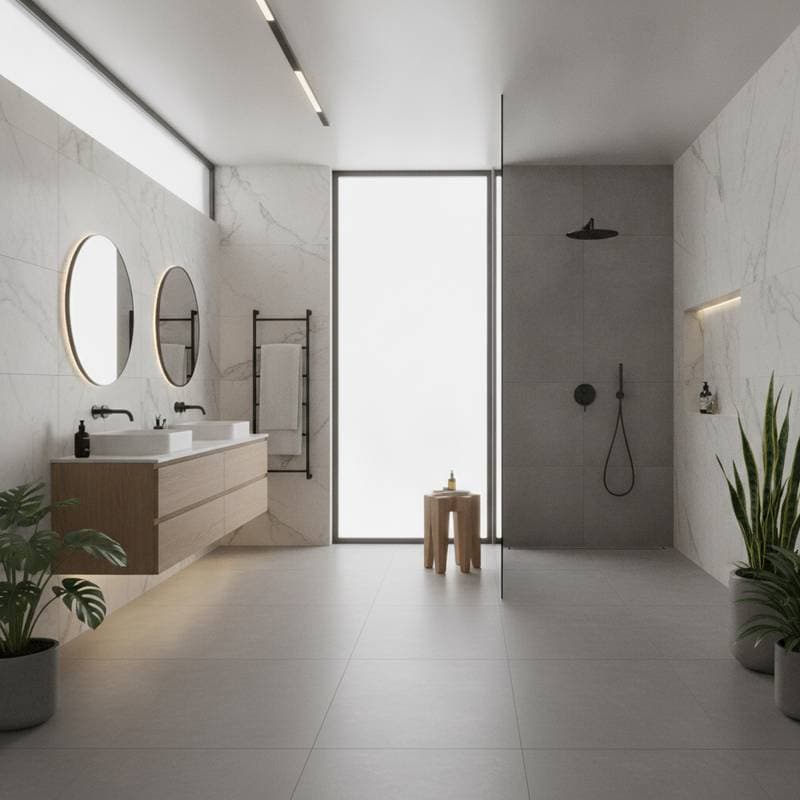
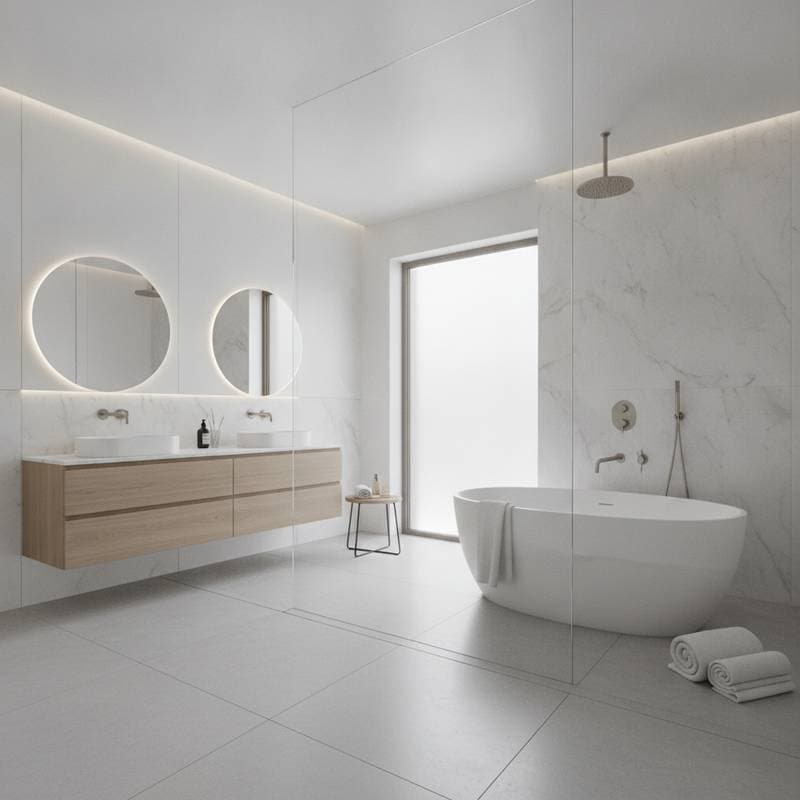
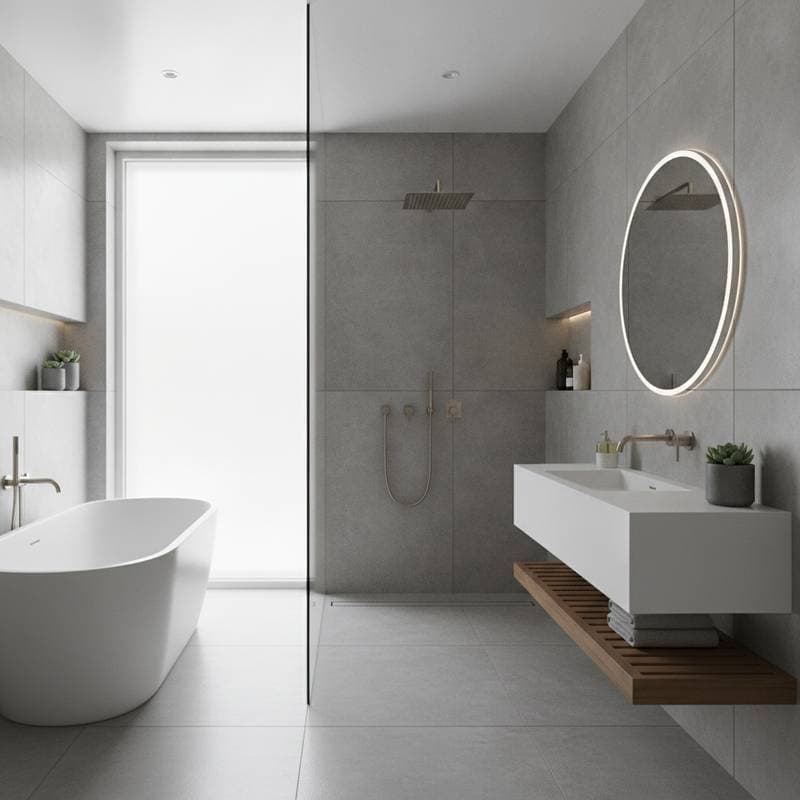
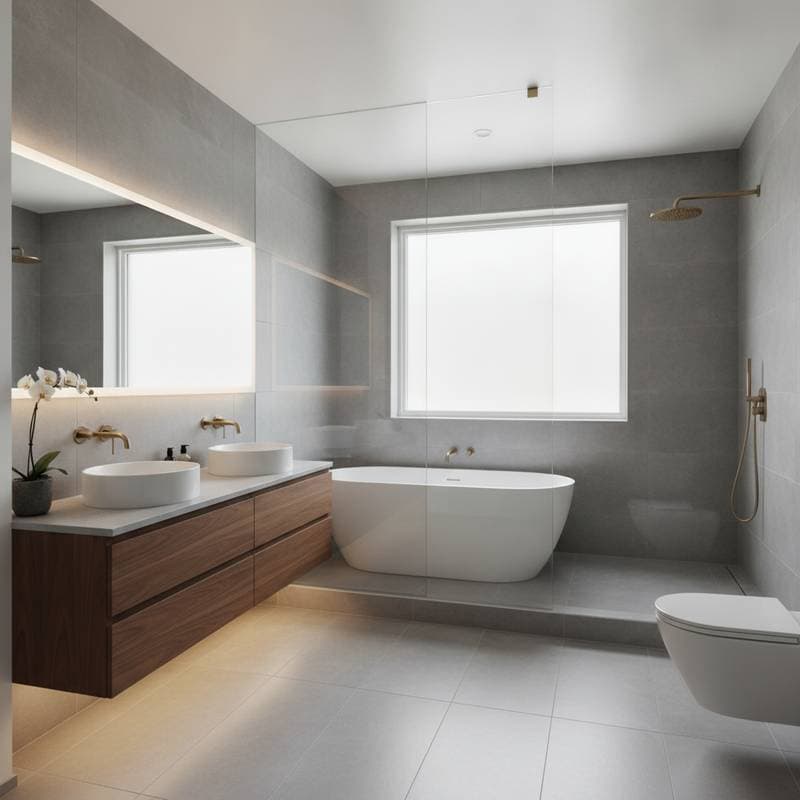
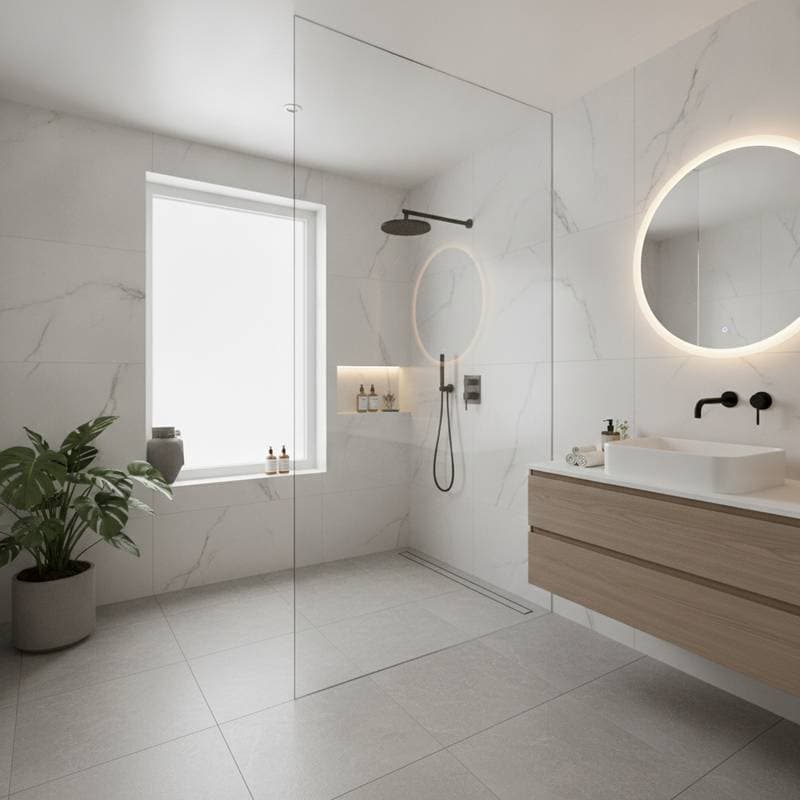
Wet rooms create open bathrooms where the shower sits flush with the floor. Full waterproofing lets water drain through a single slope. Homeowners choose these designs for modern style, easier access, and simpler upkeep. The layout suits compact city bathrooms and upscale renovations alike.
Pros and Cons
Pros
- Adds resale appeal. Buyers view wet rooms as current, step-free designs.
- Improves accessibility. A flat entry helps users of every age and mobility level.
- Simplifies cleaning. Fewer grout lines reduce scrubbing time.
- Creates a spacious feel. The open plan makes small rooms appear larger.
- Allows flexible layouts. The design adapts to many bathroom shapes.
Cons
- Higher upfront cost. Quality membranes and skilled labor increase the budget.
- Requires precise slope. Incorrect grading leads to standing water or leaks.
- Humidity control matters. Strong ventilation prevents mold growth.
- Not ideal for every floor system. Older wood joists may need added support.
- Can be slippery. Tile must combine texture for safety with smooth drainage.
DIY vs Pro
DIY Difficulty
Building a wet room is complex. Accurate slope, complete waterproofing, and plumbing changes are required. Errors often cause leaks that damage framing or lower ceilings.
Time ranges from five to ten days based on room size and materials. Needed tools include a tile saw, trowels, waterproof membranes, drain kits, a level, and mixing equipment. Risk stays high without prior tile or waterproofing experience.
When to Hire a Pro
Hire a licensed contractor when the subfloor must be altered for a flush drain, when warranty-backed waterproofing is required, when plumbing or electrical work is involved, or when local permits call for inspection. A professional confirms that slope, membrane, and tile meet code.
Maintenance and Lifespan
Wet rooms last twenty to thirty years with routine care. The waterproof membrane stays intact when tile and grout receive regular attention.
Routine care includes wiping walls and floors after each use, cleaning drains monthly, resealing grout every three to five years, and checking that ventilation fans remove moisture effectively. Manufacturers typically warranty waterproofing systems for ten to fifteen years when certified pros perform the work.
Local Factors
Costs and feasibility differ by region. Labor rates in coastal or metropolitan areas run higher. Tile and waterproofing specialists charge ninety to one hundred fifty dollars per hour in dense markets, while smaller towns average sixty to ninety dollars per hour.
In humid regions, extra ventilation and mildew-resistant materials become essential. In cold climates, heated floors reduce condensation and improve comfort. In seismic zones, flexible membranes help prevent cracking. Some cities require waterproofing inspections or flood testing before tile installation. Confirm requirements with the local building department.
Safety
Shut off water and power before removing fixtures. Use proven waterproofing membranes and test the system before tiling. Select textured or matte tiles rated for wet floors. Place outlets and heated floors on GFCI circuits. Reinforce joists if removing a heavy tub or adding tile weight. Permits are required for plumbing relocation or structural changes in most areas. On upper floors, verify that the subfloor can support added tile and moisture exposure.
FAQ
Do wet rooms need special flooring?
Yes. Use porcelain or ceramic tiles rated for wet areas. Avoid polished surfaces that become slick when wet.
Will removing a tub hurt resale?
Not if another bathroom retains a tub. Many buyers prefer walk-in showers for daily use, especially in smaller homes or condos.
Can I install a wet room on a wood subfloor?
Yes, but reinforced joists and a proper waterproofing system are required. Professionals can install a decoupling membrane to limit cracking.
How do I ventilate a wet room?
Install a vent fan rated for continuous moisture. Position it to draw steam from the shower area directly outside.
Are wet rooms more expensive than showers?
Usually yes. Full waterproofing and slope work add cost, yet the design often boosts resale value enough to offset the difference.
Planning Your Project
A wet room remodel delivers both function and style. It matches modern living, supports aging in place, and appeals to buyers seeking low-maintenance spaces. The work demands careful planning around drainage slope and tile choice, yet the outcome is a durable bathroom that retains value. Compare quotes from at least three licensed contractors. Ask about waterproofing systems, warranties, and inspection needs. Check local codes for permits and drainage standards. With suitable materials and skilled installation, replacing a tub with a wet room raises comfort and home value for years ahead.