Dark Interiors Gain Momentum in 2026 Design Trends
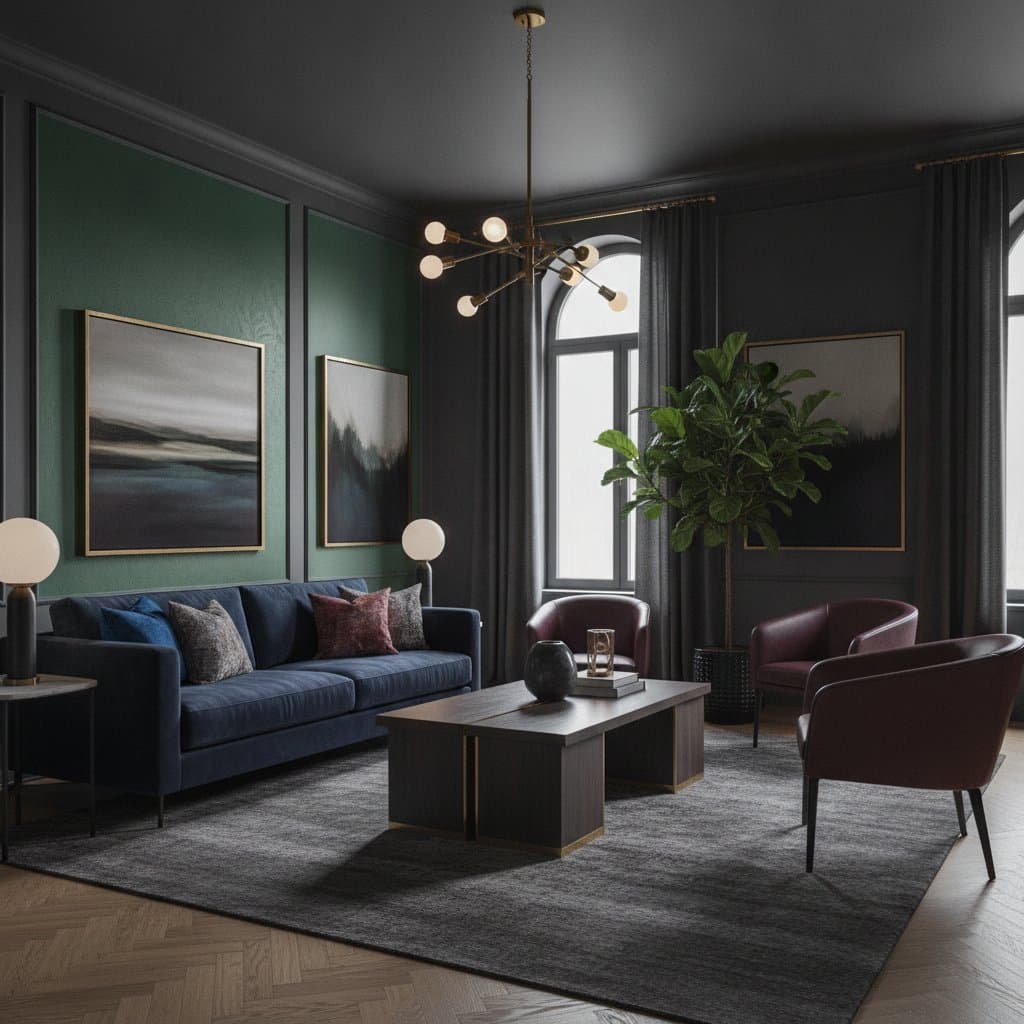
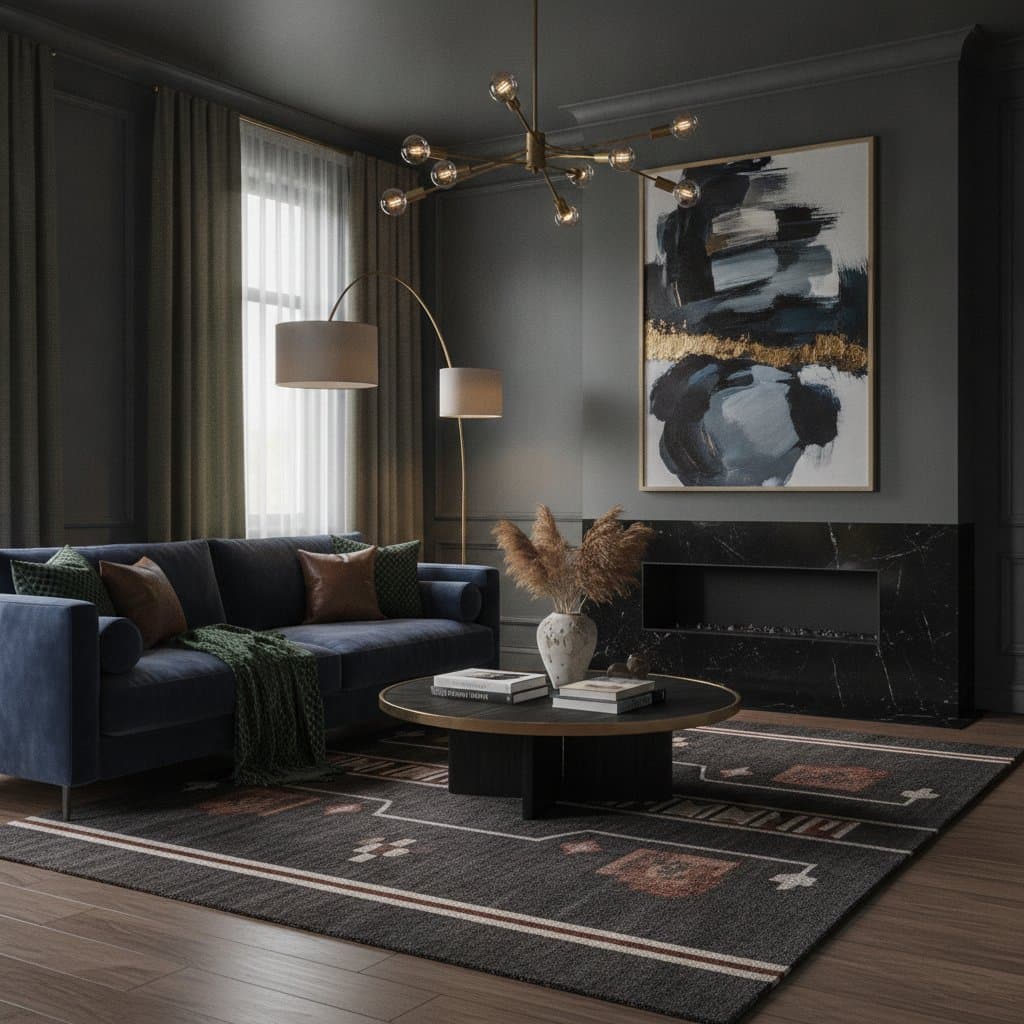
Dark interiors continue to rise in popularity. Homeowners now favor deep tones over bright minimalism for a grounded and personal atmosphere. This shift delivers warmth along with visual depth.
Reasons Behind the Trend
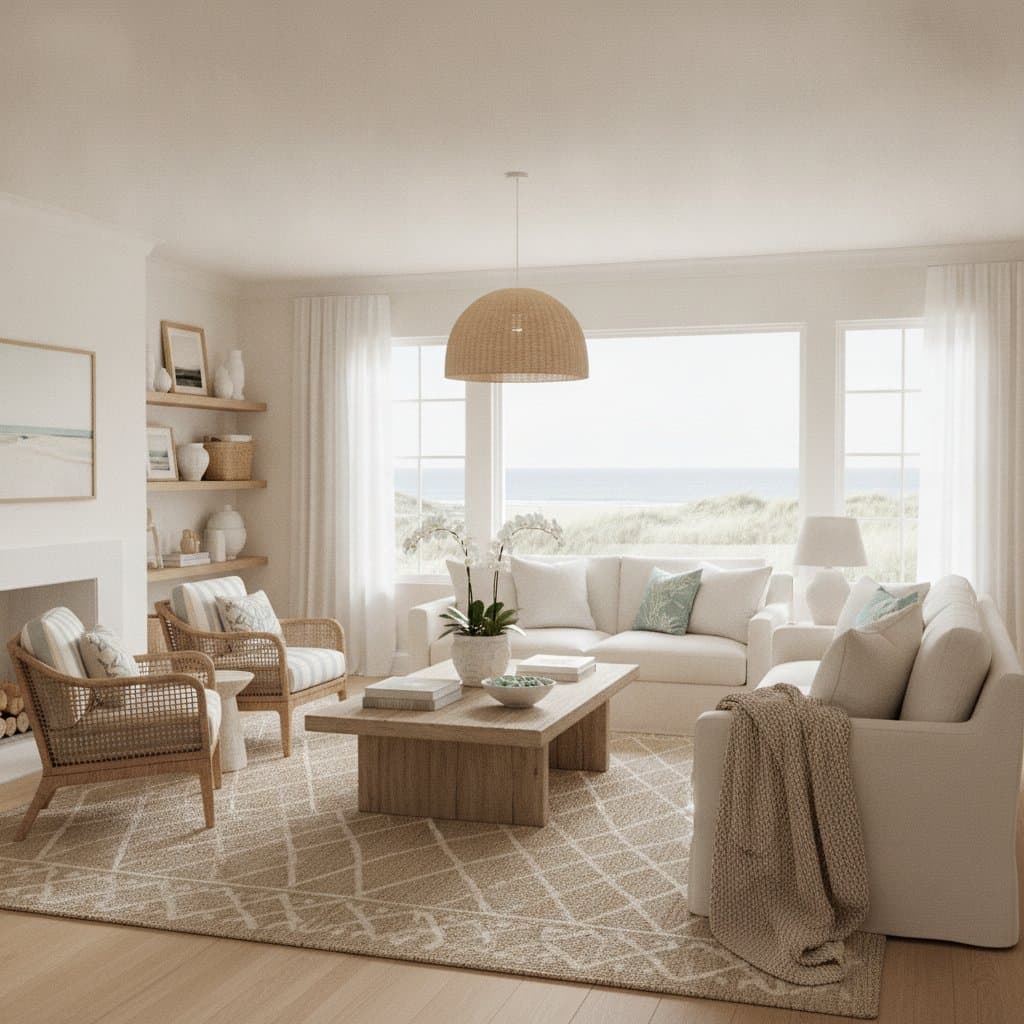
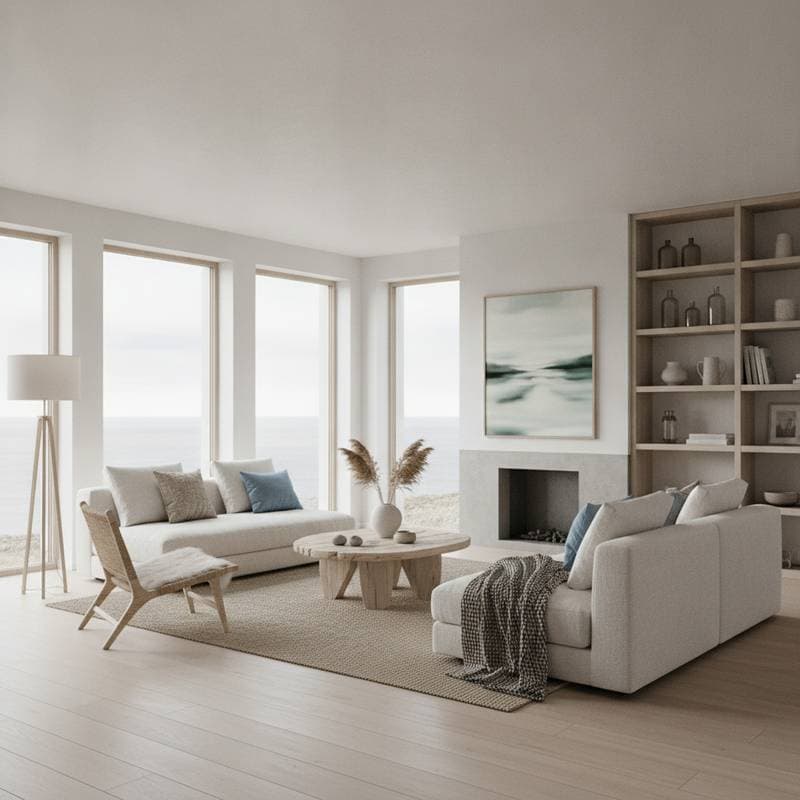
The movement centers on emotional comfort rather than color alone. Dark palettes create enclosed calm that light rooms often lack. Designers apply these shades to add character while contrasting with daylight and pale furnishings.
Homeowners seek personal retreats. Charcoal, navy, espresso, and forest green lead choices because they soften edges and flatter artwork and skin tones.
Leading Color Options
Popular dark shades avoid flat black. Instead they offer balanced depth across surfaces.
- Deep charcoal gray adapts to many accents and remains versatile.
- Midnight blue suits bedrooms and studies with its calm drama.
- Olive and forest green bring earthy notes that pair with brass and leather.
- Warm brown and espresso create cozy dens and libraries.
- Muted aubergine adds quiet luxury to walls or cabinetry.
Matte finishes on paint, fabric, and tile emphasize texture over stark darkness.
Best Spaces for Dark Tones
Dark finishes perform well in selected rooms when balanced with light.
- Bedrooms gain restful shade and light blockage.
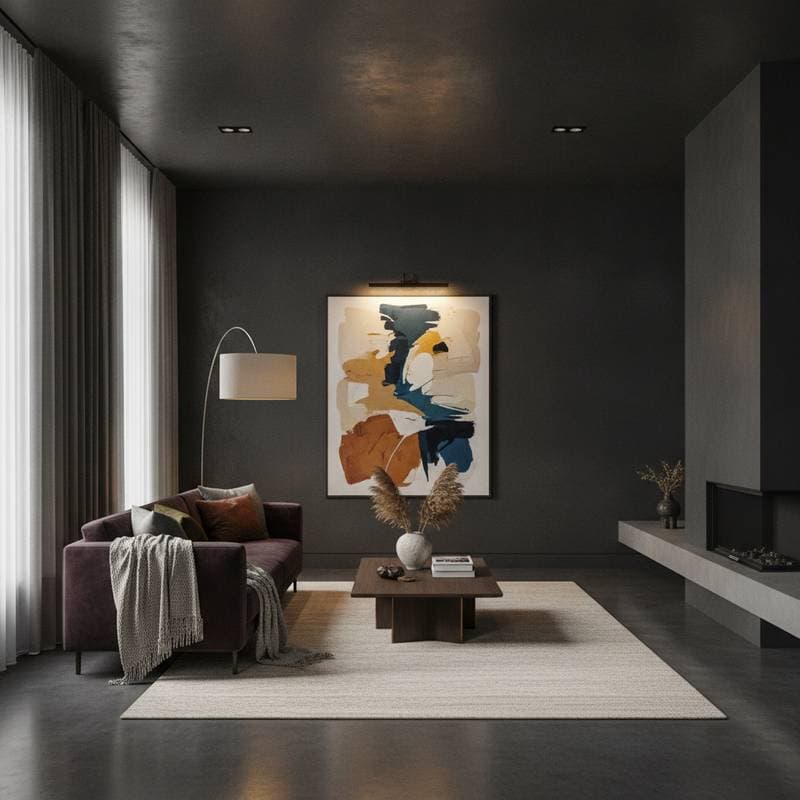
- Living rooms benefit from layered lighting that prevents gloom.
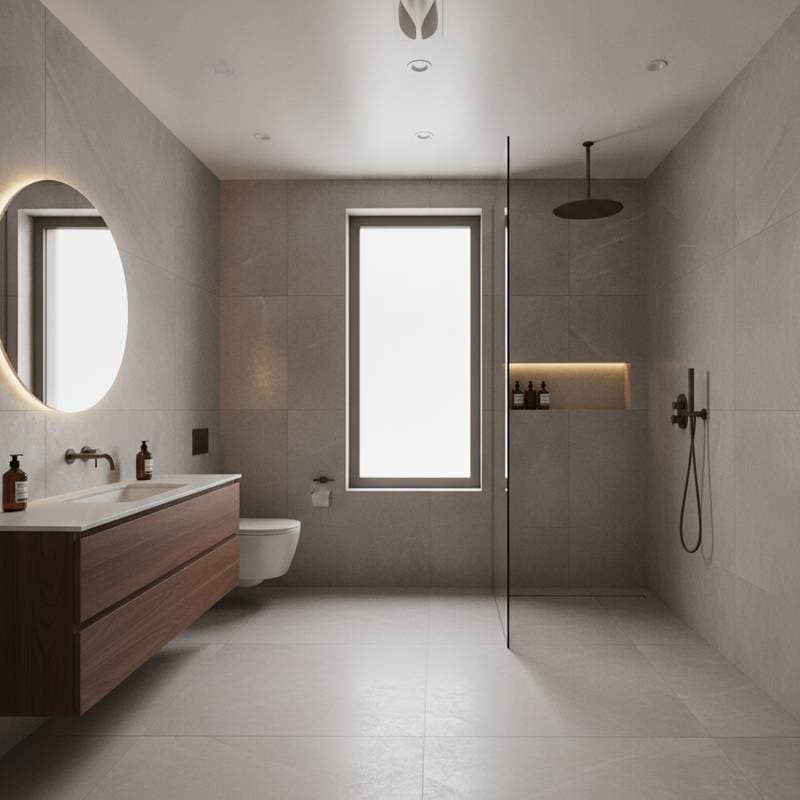
- Bathrooms receive spa privacy through moody tile or paint.
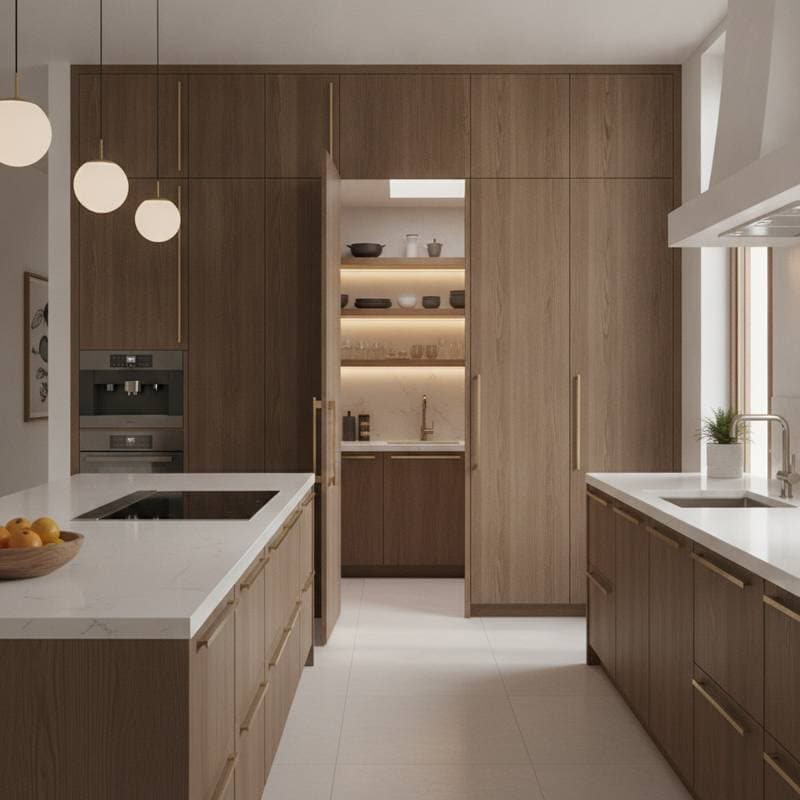
- Kitchens look refined when deep cabinetry meets pale counters.
- Hallways hide wear while feeling welcoming.
Small rooms without windows require mirrors or light flooring to avoid a closed feel.
Steps for Successful Application
Dark paint demands careful preparation. Test large swatches under actual room lighting first. Choose matte or eggshell sheens that hide surface flaws. Sand and prime walls thoroughly before the first coat. Layer warm bulbs, dimmers, and task lights to manage shadows. Introduce wood, linen, velvet, and metal for tactile interest. Balance the scheme with lighter trim, rugs, or art.
Budget and Timeline Expectations
Darker colors often require extra coats and quality primer. Professional labor costs rise because precise cutting and blending take time.
| Task | Typical Cost Range | Factors That Influence Price |
|---|---|---|
| DIY painting of one room | $70 to $180 | Paint grade, room size, primer needs |
| Professional painting of one room | $350 to $900 | Wall preparation, ceiling height, coat count |
| Cabinet refinishing in dark tones | $1,200 to $4,000 | Wood species, finish type, labor hours |
| Accent wall only | $100 to $250 | Paint selection, existing surface condition |
Drying time between coats extends the schedule. Allow extra ventilation to prevent streaks.
DIY or Professional Help
Homeowners with smooth walls and basic skills can handle one or two rooms. Projects involving ceilings, high walls, or detailed molding benefit from professional execution. Certified contractors also secure certain paint warranties.
Essential Tools and Regional Considerations
Gather paint, primer, rollers, angled brushes, drop cloths, tape, sandpaper, and a step stool. Test lighting before committing to a final color. Sunny regions gain glare reduction and a cool interior. Cooler climates receive added warmth. Coastal homes need mildew-resistant formulas while dry areas favor matte surfaces that mask dust.
Design and Upkeep Guidance
Mix matte and glossy surfaces for visual depth. Warm metals and sheer window treatments supply contrast. Natural plants and wood soften the overall effect. Clean dark walls with mild soap and a soft cloth. Store leftover paint for future touch-ups and stir thoroughly before reuse.
When Professional Assessment Helps
Streaking, uneven sheen, or peeling signals the need for expert review. Moisture issues or structural cracks must be corrected before repainting. A designer consultation assists homeowners planning to sell soon.
Practical Recommendations
Apply samples on opposite walls to observe light shifts. Use tinted primer for quicker coverage. Keep ceilings lighter to preserve perceived height. Add rugs and layered fabrics for comfort. Dark tones serve best as a backdrop that highlights lighter accents.