Wine Cellars Deliver Strong Returns for Luxury Homes
A well-designed wine cellar can boost a luxury home value by around 15 percent. Buyers view it as both a lifestyle feature and a long-term investment. For homeowners, it ranks among the few high-end additions that combine pleasure, practicality, and resale potential.
Why Wine Cellars Raise Home Value
A wine cellar signals craftsmanship, control, and attention to detail. It creates an experience rather than simple storage. Luxury buyers pay for that experience. A climate-controlled cellar protects collections, adds sophistication to entertaining spaces, and helps a home stand out in listings.
Buyers in the high-end market often seek features that feel personal yet timeless. A wine cellar meets that expectation. It offers daily enjoyment and long-term preservation. When built with quality materials and proper climate control, the space becomes both functional and beautiful.
How to Plan a Wine Cellar Renovation
- Choose the location. Select a cool, stable area such as a basement or interior room. Avoid spaces with direct sunlight or fluctuating temperatures.
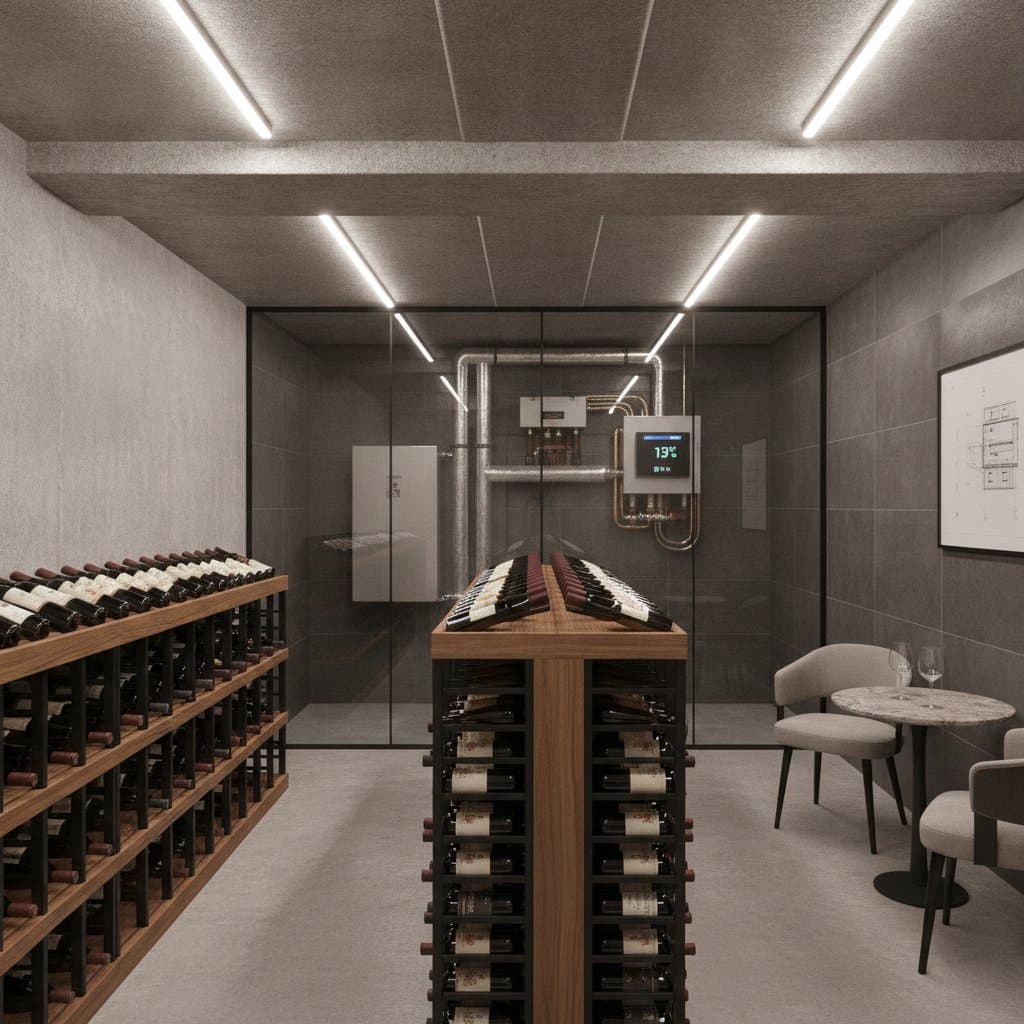
- Control the climate. Install an efficient cooling unit that maintains temperature between 55 and 58 degrees Fahrenheit with humidity around 60 percent.
- Insulate and seal. Apply vapor barriers and closed-cell insulation to prevent moisture damage. Air leaks ruin both wine and wood.
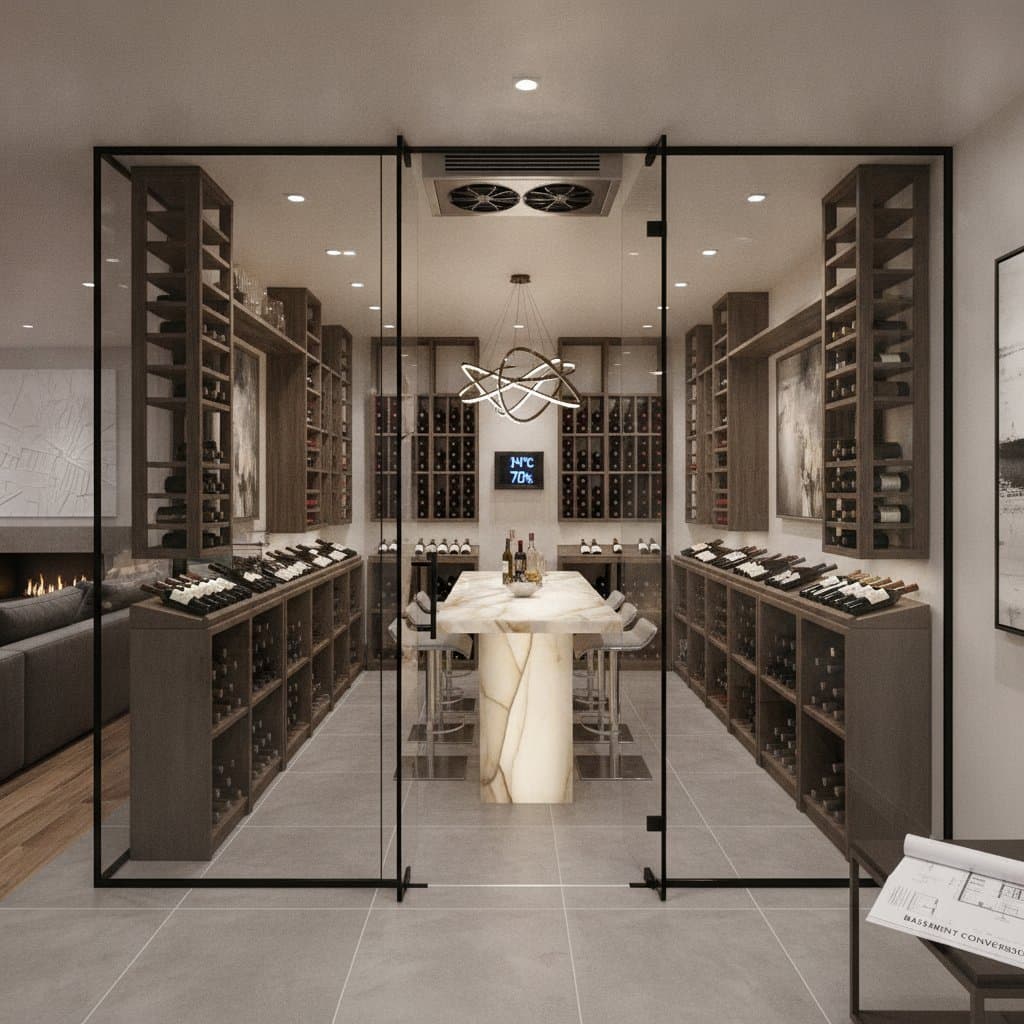
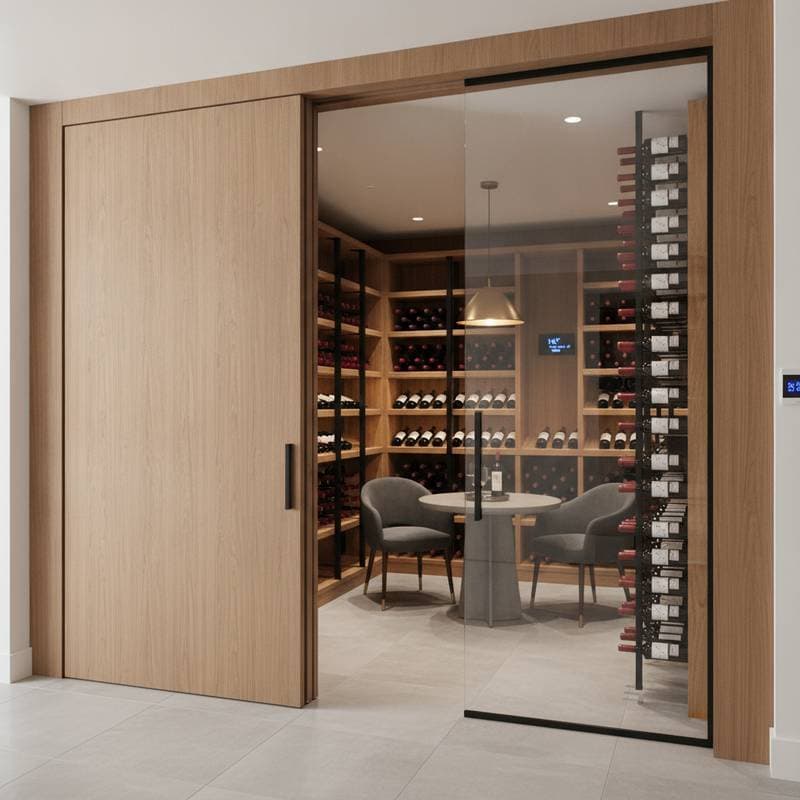
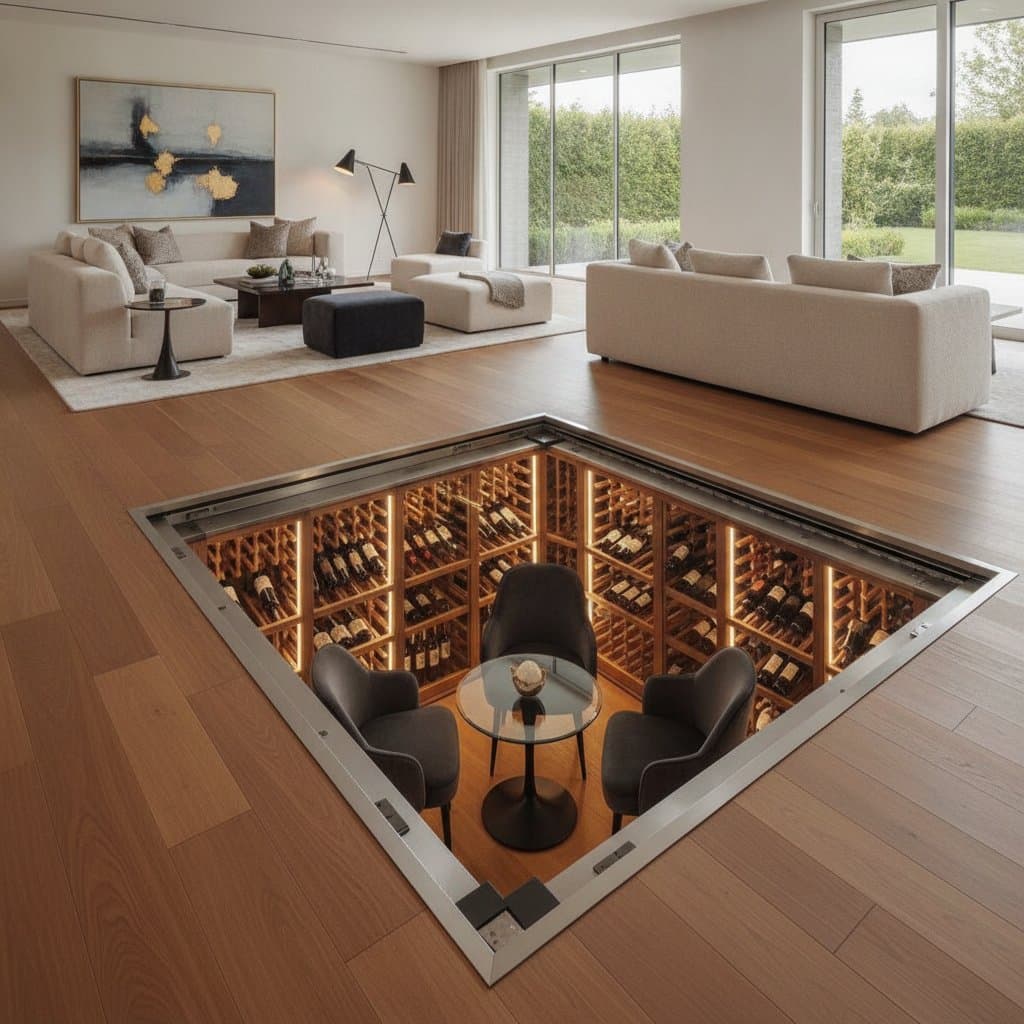
- Select the racking style. Choose between traditional wood, modern metal, or a combination. Match it to the overall home design.
- Add lighting and finishes. Use LED lighting. It stays cool and highlights bottles without fading labels.
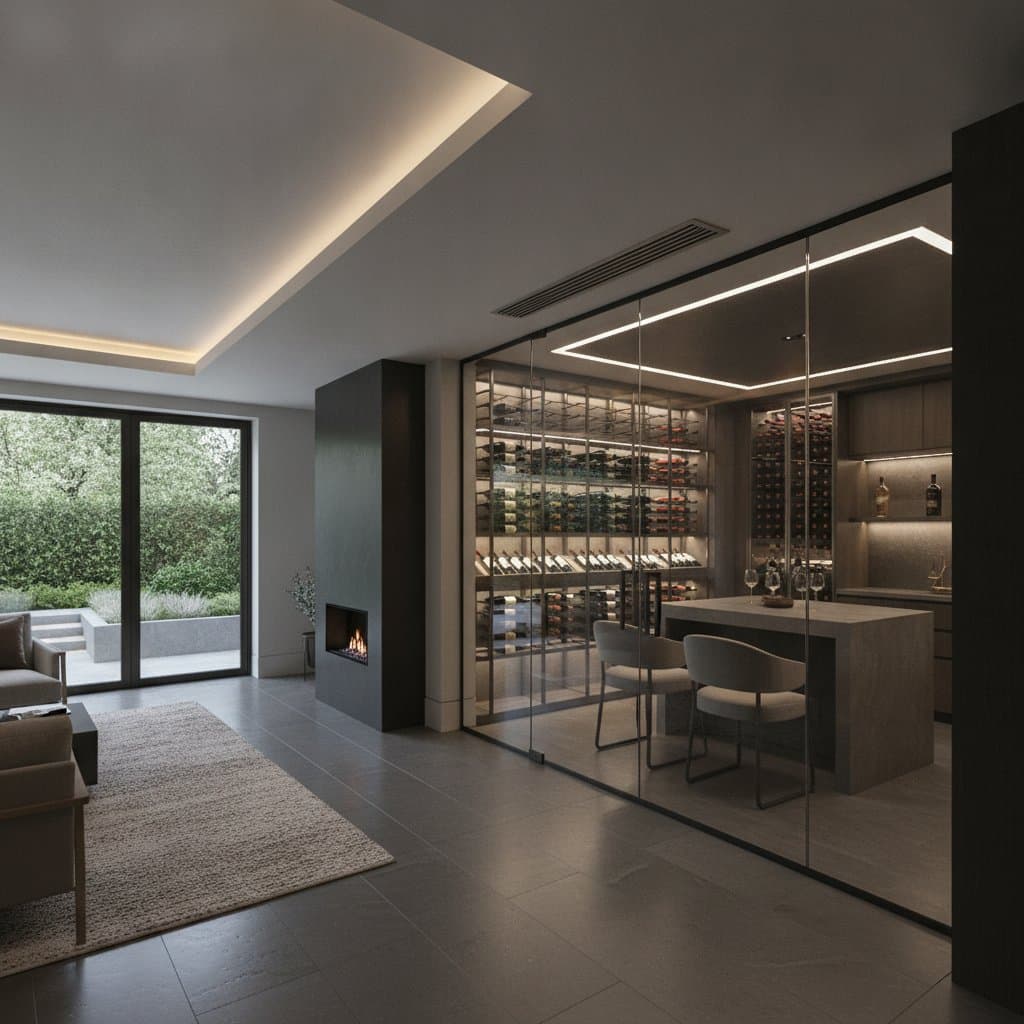
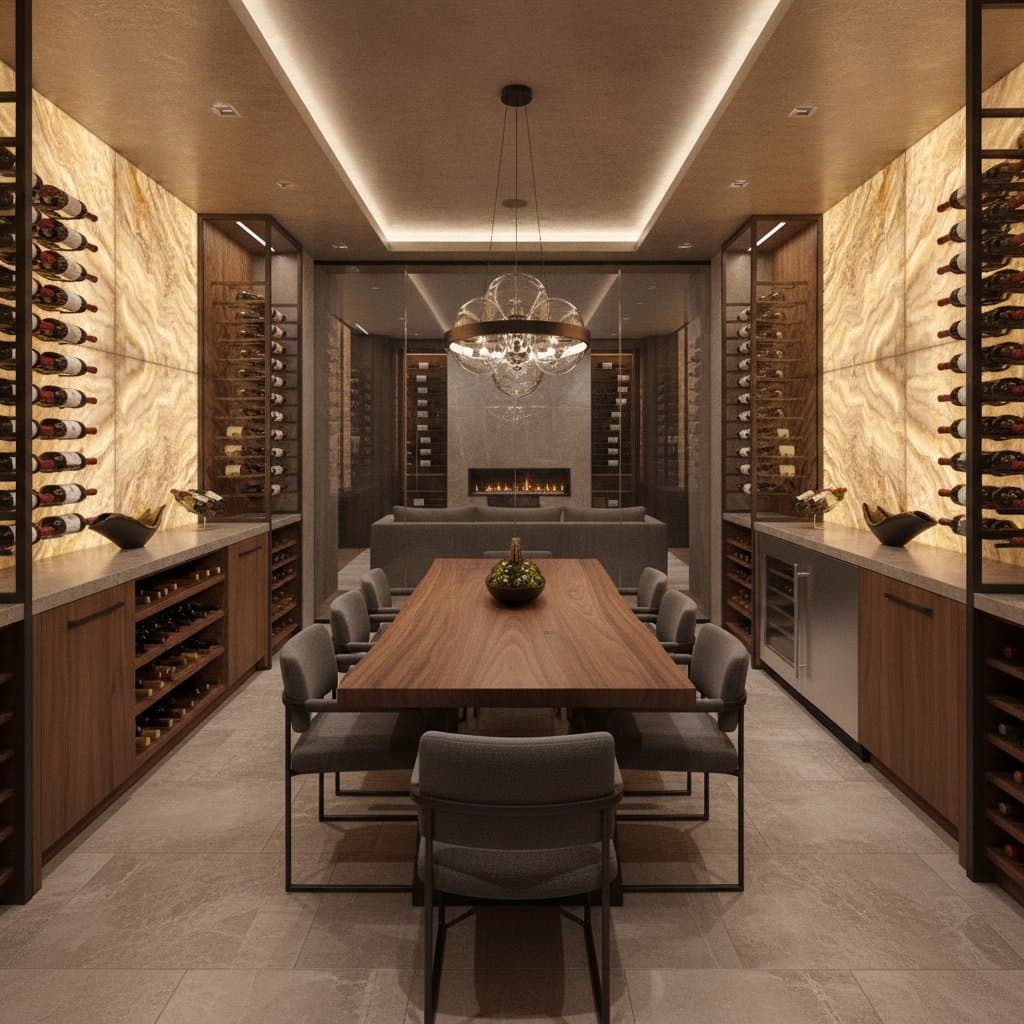
- Include tasting or display zones. A small bar or table creates a social area that buyers appreciate.
Keep the layout simple and the materials durable. Function always comes first.
Cost Breakdown
| Task | Typical cost | What affects price |
|---|---|---|
| Basic 500-bottle cellar | $15,000 to $25,000 | Size, cooling system type |
| Mid-range custom cellar | $25,000 to $50,000 | Wood choice, lighting, glass doors |
| High-end display cellar | $50,000 to $100,000+ | Stonework, designer racking, tasting area |
Prices vary by region. Labor rates, material availability, and humidity control needs drive cost differences.
Ways to lower cost include keeping the size compact, skipping glass walls, and using modular racks. Factors that raise cost include complex cooling systems, integrated lighting, and high-end finishes.
Time to Complete
Most wine cellar renovations take four to eight weeks from planning to finish. Faster builds involve small or modular cellars that require minimal framing. Slower builds feature custom designs with stone, glass, or integrated bars. Order custom racks early because cooling units and specialty glass often have long lead times.
DIY vs Pro
Consider DIY if you are comfortable with basic framing, insulation, and lighting and you have access to a constant-temperature space. Hire a professional if you need a cooling system, humidity control, or plan to store valuable bottles. A professional ensures vapor barriers, drainage, and airflow meet code and warranty standards.
Professionals excel at designing balanced temperature zones, sealing vapor barriers correctly, and integrating electrical and plumbing safely. Improper sealing or wiring can void equipment warranties or cause mold issues.
Tools and Materials
- Drill and saw for framing and racks
- Insulation and vapor barrier film
- Cooling unit and thermostat
- Hygrometer and thermometer
- LED lighting kit
- Wine racks and flooring material
Always use materials rated for humid environments. Avoid drywall that absorbs moisture.
Regional and Climate Notes
Homes in humid or coastal regions need stronger vapor barriers and dehumidifiers. In dry climates, add a humidifier to protect corks. In areas with seismic activity, secure racks and bottles with safety straps. Permits are usually required when adding new electrical circuits or modifying HVAC systems. Check local building codes before starting.
Safety and Maintenance
Wine cellars require stable humidity and temperature. Monitor both monthly. Clean racks and vents quarterly to prevent mold. Use only LED lights to avoid heat buildup. Keep electrical components clear of moisture. Never vent cooling units into living spaces without proper ducting.
Long-Term Value
Unlike trend-based upgrades, wine cellars hold value because they serve both function and lifestyle. They appeal to a wide range of luxury buyers, from collectors to entertainers. The return on investment often outperforms other specialty rooms such as home theaters or gyms.
For homeowners keeping the property long term, the cellar offers daily satisfaction and protection for valuable bottles. For those planning to sell, it adds emotional pull during showings. Buyers remember homes that feel complete and curated.
Protecting Your Collection Over Time
Keep the design simple. Function wins over flash. Plan for growth by leaving space for more bottles than you currently own. Use neutral finishes so buyers retain flexibility in style. Add subtle lighting to create atmosphere without heat. Document the build because buyers appreciate clear maintenance and equipment records.
Frequently Asked Questions
Do wine cellars really increase home value? Yes. A well-built cellar can raise luxury home value by about 15 percent.
What size cellar adds the most value? Between 500 and 1,500 bottles is ideal. It feels substantial but not excessive.
Can I add one above ground? Yes, but you must control temperature and humidity carefully with insulation and cooling.