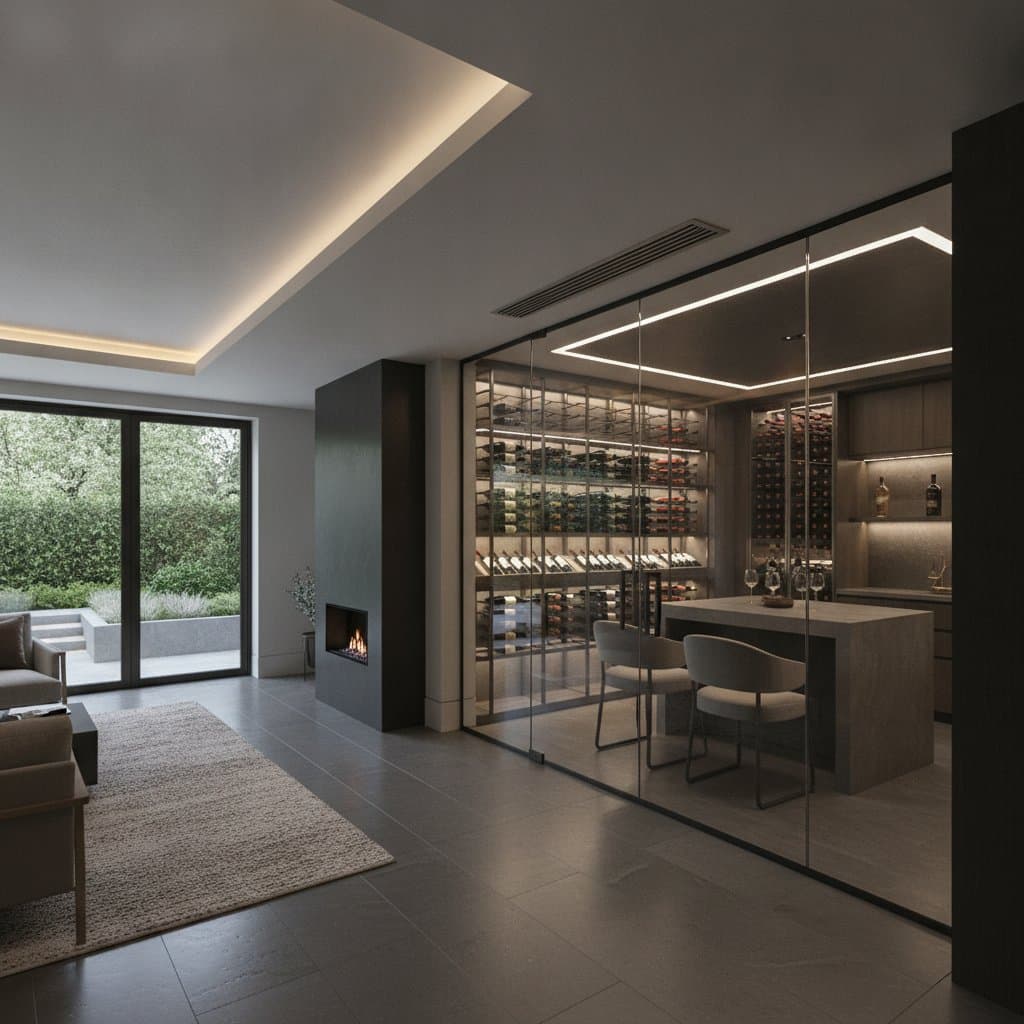
Why Hidden Wine Cellars Increase Home Values
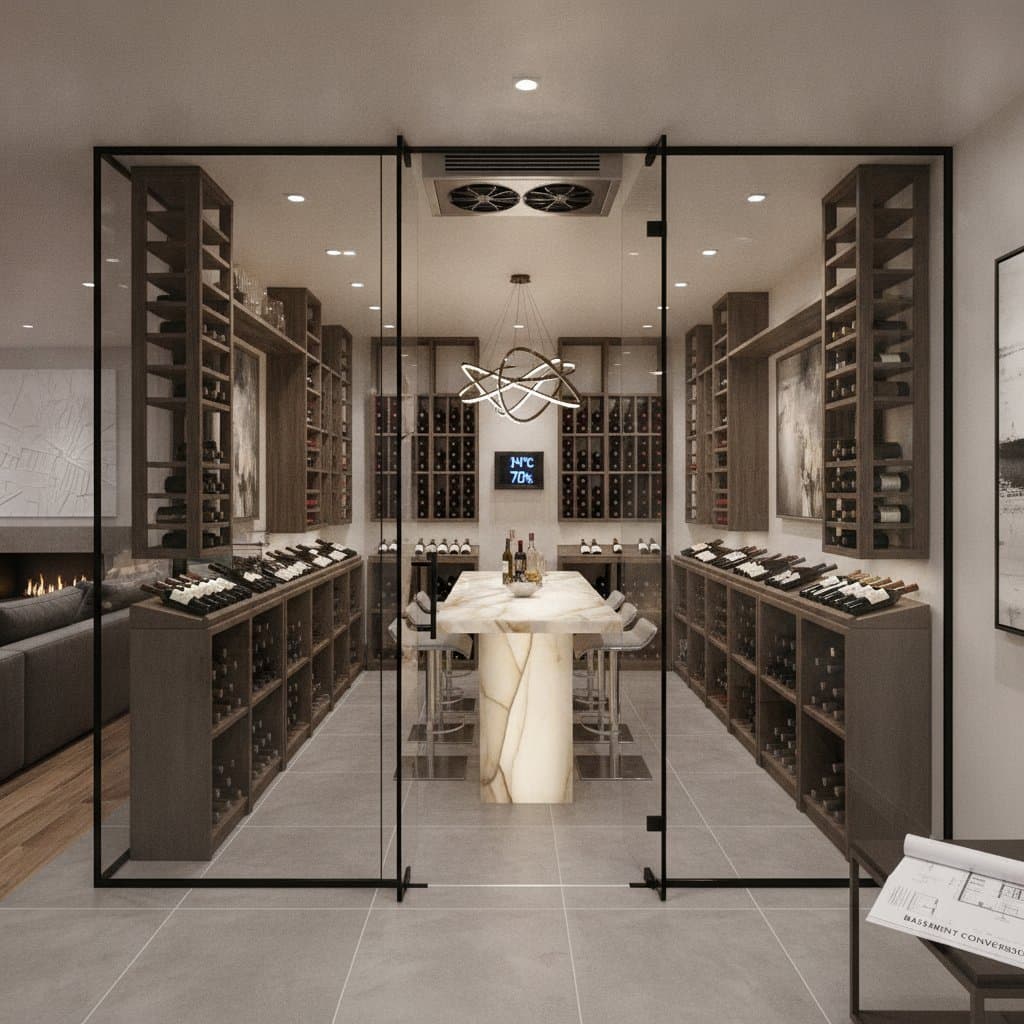
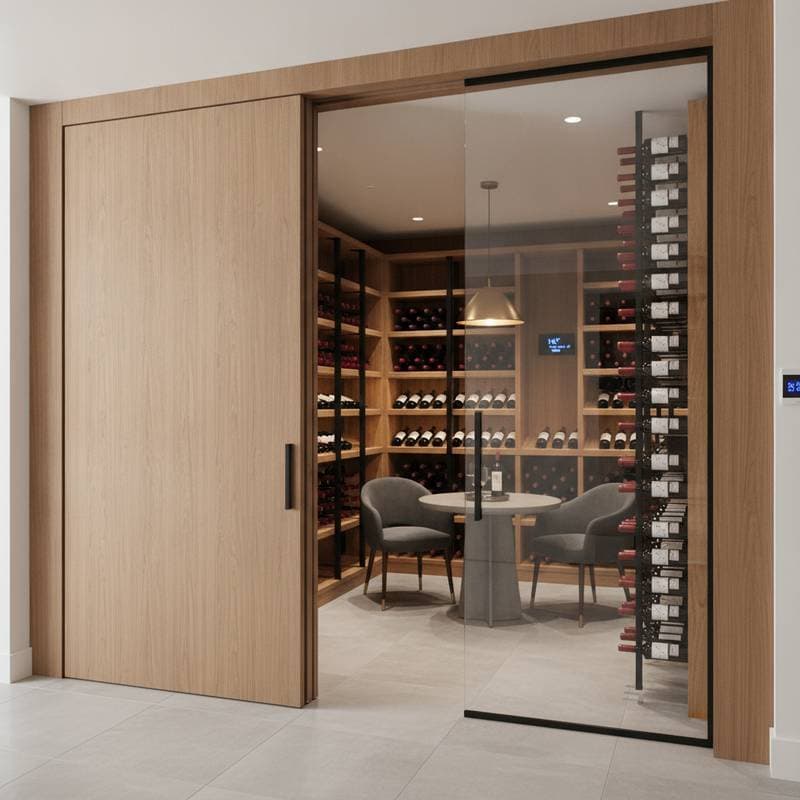
A hidden wine cellar can raise a home resale value by roughly 15 percent. Buyers view it as both a luxury feature and a practical storage solution. The feature combines lifestyle appeal, thoughtful design, and reliable function in a manner few other renovations achieve.
The Core Benefit
A hidden wine cellar adds value because it conveys craftsmanship, exclusivity, and long-term usability. It converts unused space into a distinctive element. Whether placed under stairs or behind a pivoting panel, the space feels like a deliberate investment.
Steps to Add a Hidden Wine Cellar
1. Choose the Location
Select a spot that maintains stable temperature and receives minimal light. Basements, under-stair areas, and unused corners near the kitchen perform well. Avoid direct sunlight and sources of vibration.
2. Design the Structure
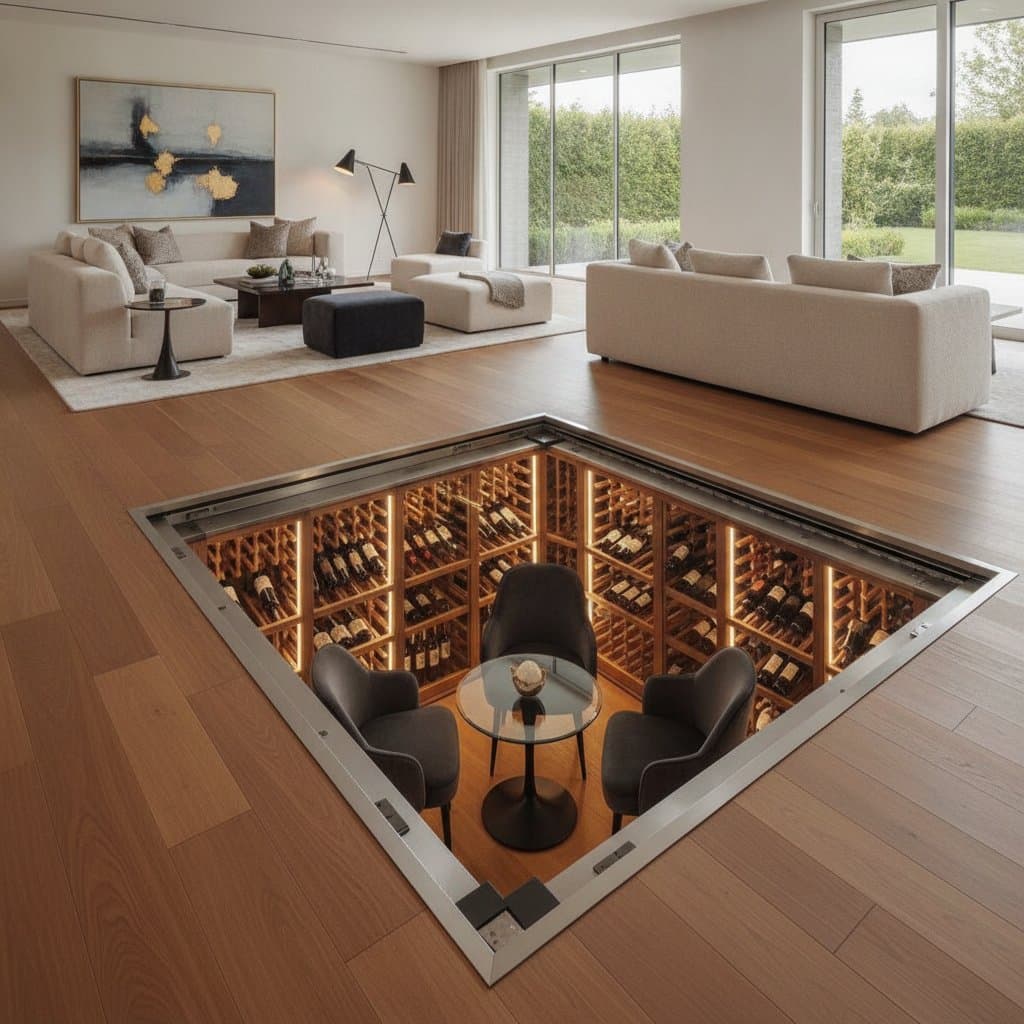
Determine the concealment method. Options include a hidden door, floor hatch, or disguised cabinetry. Allocate sufficient room for bottles, cooling equipment, and safe access.
3. Add Insulation and Vapor Barriers
Wine ages best between 55 and 59 degrees Fahrenheit with 60 percent humidity. Proper insulation and moisture control maintain these conditions consistently.
4. Install Cooling Equipment
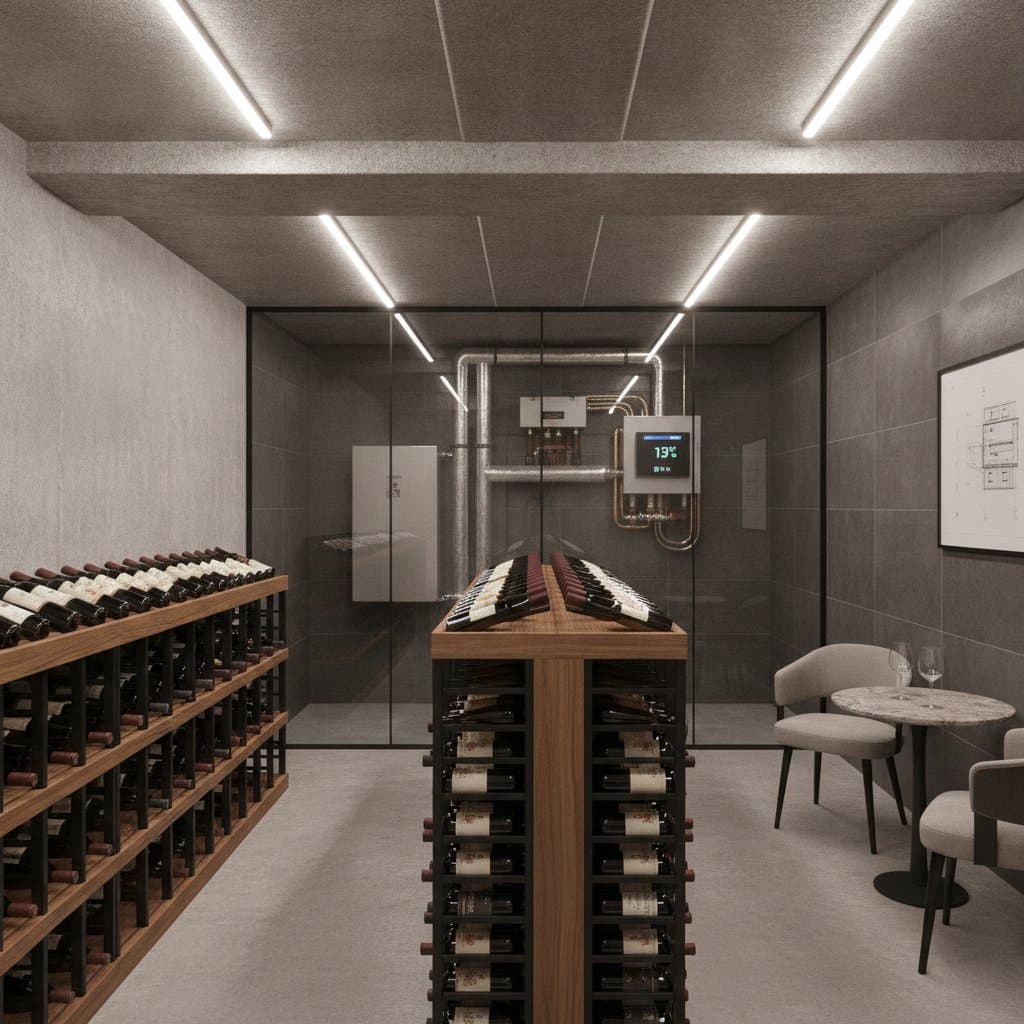
Compact ductless units or through-wall coolers maintain steady temperatures. Larger cellars may require split systems for adequate capacity.
5. Build Racks and Finishes
Select wood, metal, or acrylic racks sized to the space and bottle count. Incorporate accent lighting and moisture-resistant finishes.
6. Conceal the Entry
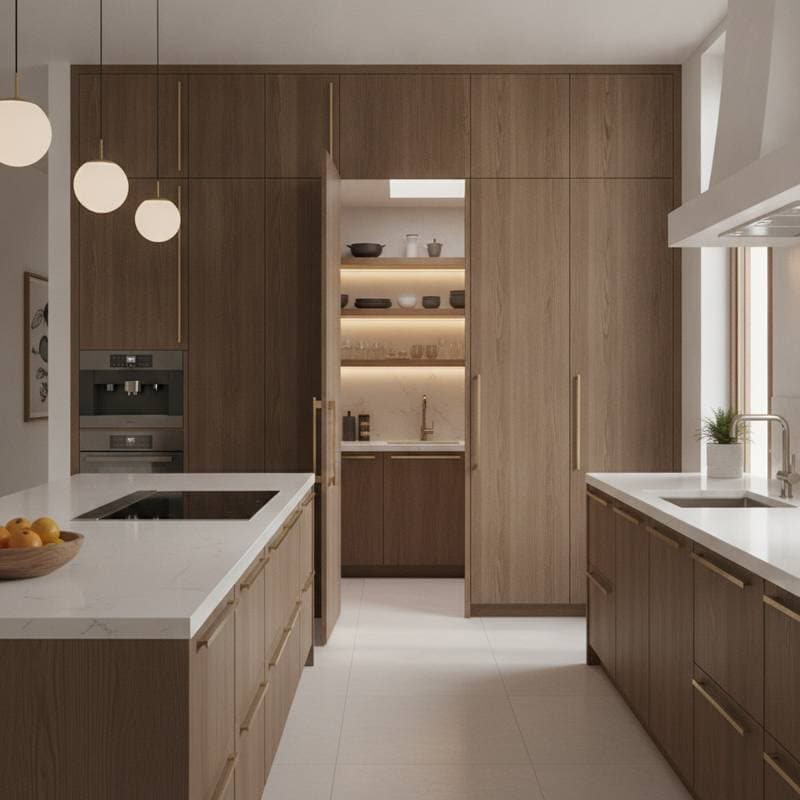
Install the chosen hidden feature. Common solutions include custom cabinetry panels, bookcases, or motorized floor lifts.
7. Test and Seal
Operate the cooling system for several days. Inspect for condensation, noise, and light leaks. Once conditions stabilize, stock the bottles.
Project Timeline
A small under-stair or closet cellar requires approximately two to four weeks. A full basement conversion may take six to ten weeks, depending on permits and custom finishes. Faster projects rely on modular cooling and prebuilt racking. Slower projects involve excavation, electrical upgrades, or architectural concealment.
Required Tools and Materials
The following items support a standard build:
- Tape measure, level, and stud finder
- Insulation panels and vapor barrier film
- Framing lumber and drywall
- Wine racking system
- Cooling unit
- Moisture-resistant paint or finish
- Concealment hardware or panel system
- Safety gear including gloves, goggles, and mask
Complex systems may require additional power tools, dehumidifiers, or smart controls.
Buyer Appeal of Hidden Cellars
Hidden wine cellars connect with buyers on both emotional and practical levels. They merge technology with an element of discovery. The spaces register as markers of taste rather than simple displays of wealth.
Key factors that support a price premium include:
- Luxury perception that feels custom and exclusive
- Functional protection for wine investments and organized storage
- Clean aesthetics without visible clutter
- Intriguespaces
- Integration with lighting and temperature automation
Appraisers treat hidden cellars as luxury amenities in high-end homes. In mid-range properties they serve as differentiators in competitive markets.
Safety and Compliance Considerations
- Use grounded outlets and GFCI protection for all electrical work
- Seal joints to prevent moisture intrusion
- Obtain permits for structural, electrical, or HVAC changes
- Confirm floor support for racks that may exceed 500 pounds when full
- Maintain clear access routes and avoid storing flammable materials
Failure to address these items can affect insurance coverage or home warranties. When uncertainty exists, consult a licensed contractor or structural engineer.
Practical Recommendations
Maintain the cellar between 55 and 58 degrees Fahrenheit for most wines. Store bottles horizontally to keep corks moist. Shield contents from direct light, even through glass lids. Label shelves by region or vintage for quick retrieval. Track inventory and aging progress with an app or spreadsheet.
Planning Your Installation
Identify an underused or concealed area in the home. Estimate the storage capacity required. Establish a budget range. Consult a designer or builder experienced in wine storage. Request quotes for both visible and hidden configurations. Compare total cost against the projected increase in home value. The result is a feature that delivers lasting utility, character, and return on investment.
Frequently Asked Questions
How much space do I need for a hidden wine cellar?
At least 25 to 30 square feet supports basic storage. Additional area is necessary when a tasting zone is included.