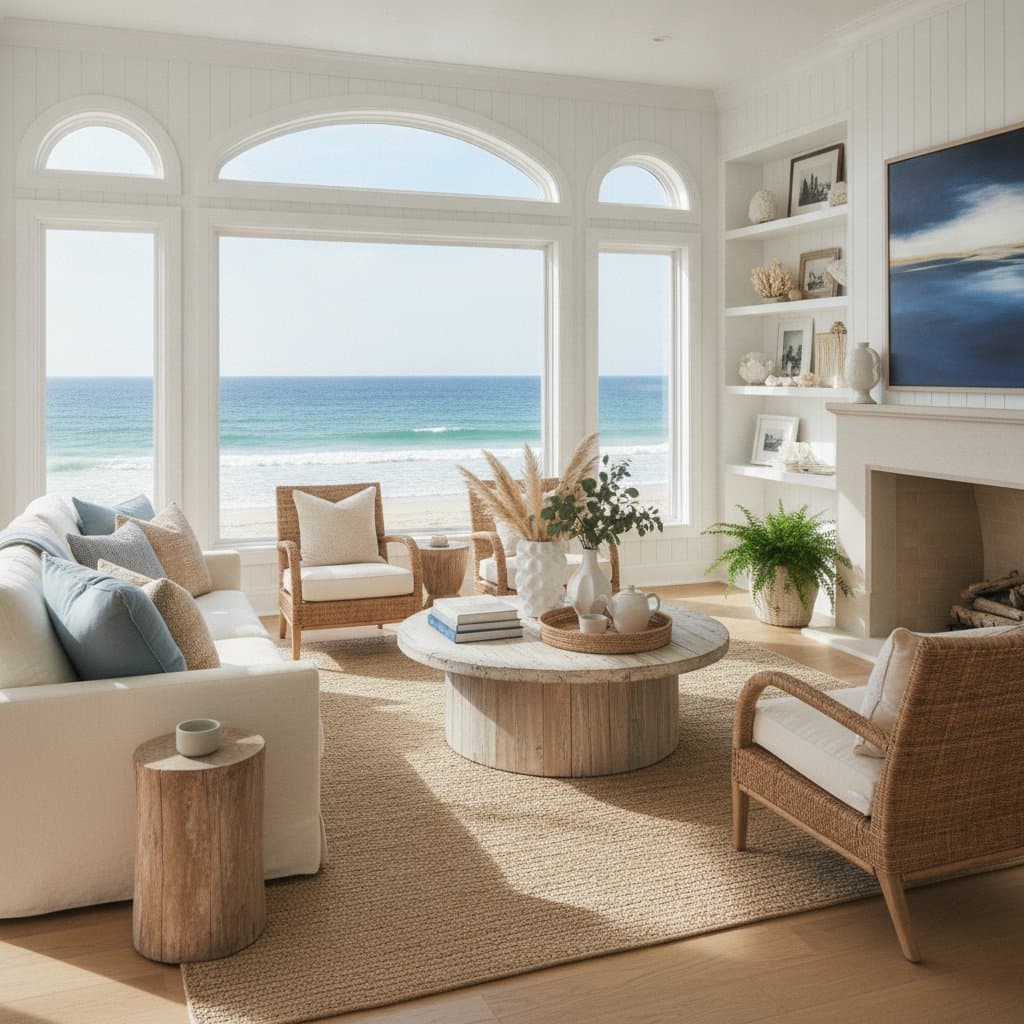
Coastal Grandma Style Fuels Surging 2026 Design Demand
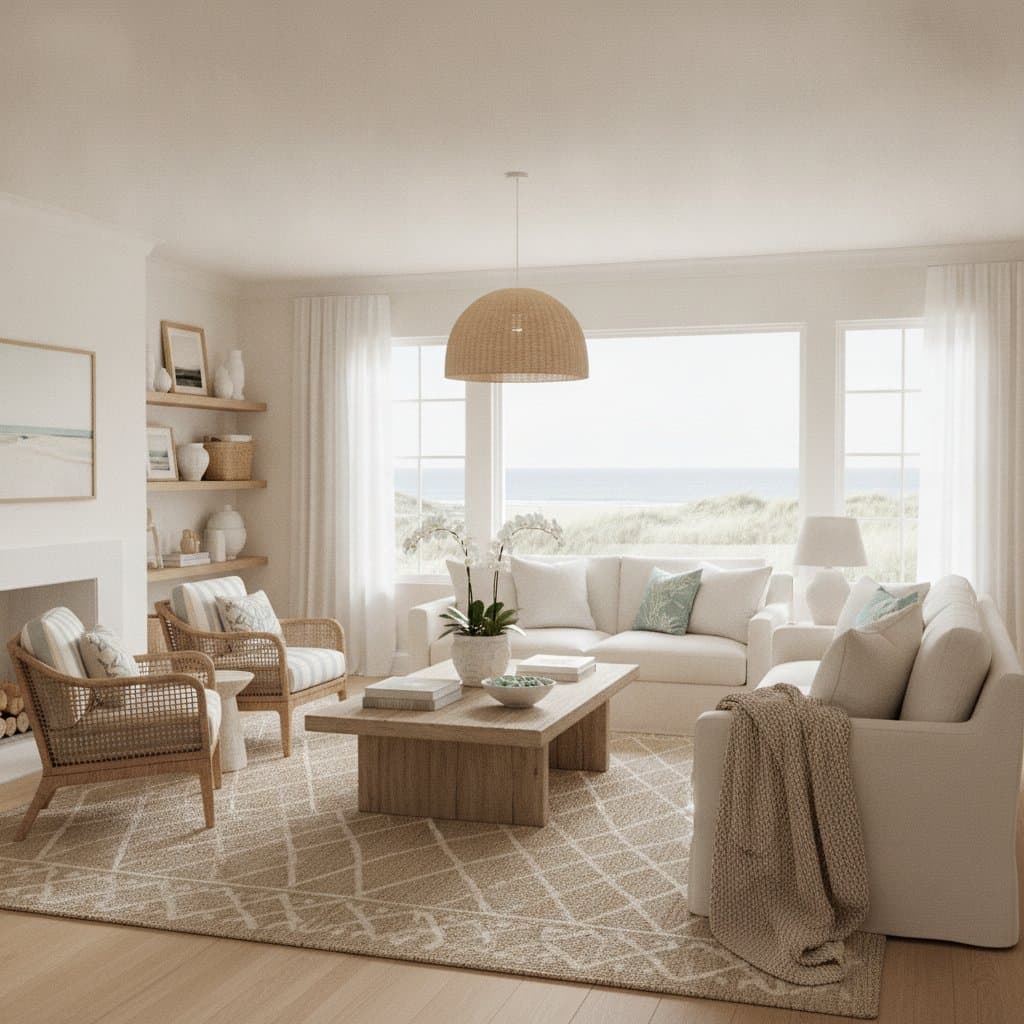
Coastal grandma style attracts homeowners who seek calm and comfortable interiors. This approach blends coastal ease with traditional charm through neutral palettes, timeless furniture, and natural connections to outdoor elements. It suits both coastal properties and inland homes that benefit from a breezy atmosphere.
Demand continues to rise as designers apply this style for its balance of comfort and understated elegance.
Investment Ranges
A full room redesign in coastal grandma style typically requires between 12000 and 25000 dollars for moderate updates that cover paint, furniture selections, and accessories. Smaller refreshes start near 8000 dollars while extensive projects with custom elements may exceed 40000 dollars.
Key factors that influence total costs include the size of the space, furniture quality, custom built ins, design professional fees, and choices such as linen or oak materials.
Advantages and Limitations
This style creates inviting spaces that remain appealing over time. Durable natural materials contribute to longevity and straightforward seasonal updates support lasting freshness. Broad buyer interest often enhances resale potential.
Light colored fabrics require extra care to avoid stains. Neutral schemes need varied textures to maintain visual interest. Premium materials increase expenses and tight budgets limit access to authentic elements.
Style Variations
Several interpretations maintain core comfort while adapting to different settings.
Classic Approach
Soft whites, slipcovered seating, and seagrass rugs pair with vintage tables. This version fits family rooms and open layouts.
Modern Interpretation
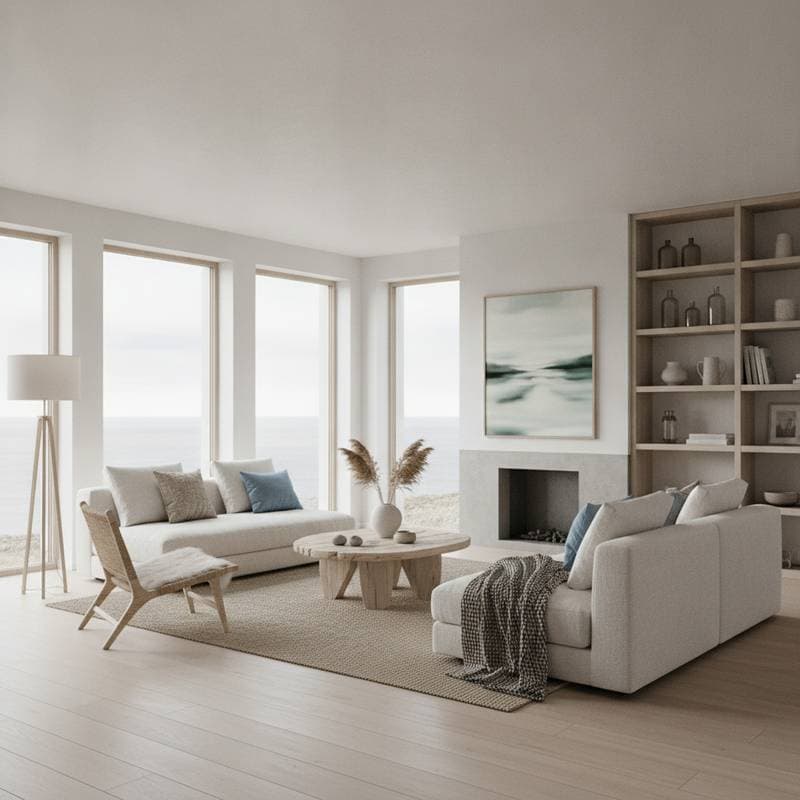
Cleaner lines and selective contrast suit compact or newer spaces without appearing outdated.
Cottage Version
Wood tones, subtle florals, and collected antiques complement older homes with existing wood floors.
Elevated Option
Marble accents and refined upholstery deliver a polished result for larger residences.
Execution Choices
Painting walls, applying slipcovers, and updating lighting represent achievable DIY tasks that require two to five days. Professional support becomes valuable for layout changes, built in construction, or sourcing restored pieces. Designers help balance tones while contractors manage permits during larger work.
Implementation Sequence
- Establish a palette of whites, creams, and soft blues.
- Clear the area and repair wall surfaces.
- Apply matte or eggshell paint to walls and trim.
- Lay natural fiber rugs for added comfort.
- Choose slipcovered or classic wood furniture.
- Incorporate linen shaded lamps with warm bulbs.
- Arrange books, pottery, and woven baskets.
- Layer linen, cotton, and light wool textiles.
- Position plants to introduce life and color.
Care and Durability
Weekly vacuuming and regular cushion rotation preserve appearance. Slipcover cleaning occurs monthly. Wall repainting every five to seven years sustains brightness. Wood pieces benefit from occasional oiling.
Window treatments with UV protection reduce fading risks in sunny rooms. Quality finishes extend furniture life and control replacement expenses.
Comparable Aesthetics
Modern farmhouse introduces more rustic darkness and simpler upkeep. Minimalist Scandinavian reduces costs through greater simplicity yet offers less warmth. Traditional cottage adds pattern while beach house chic strengthens nautical references for direct coastal locations.
Regional Considerations
Humidity in coastal zones favors washable fabrics and mildew resistant rugs. Colder climates benefit from added wool throws and heavier window coverings. Local codes rarely affect nonstructural updates though high cost areas may increase delivery and service fees by ten to twenty percent.
Return on Investment
Neutral tones and enduring furniture improve staging outcomes across living areas and kitchens. Expect forty to sixty percent recovery on redesign investments. Properties with abundant natural light and open plans achieve the strongest results.
Practical Precautions
Disconnect power before fixture work. Wear protection during sanding tasks. Secure tall furniture to walls and keep pathways clear of cords or loose rugs.
Common Questions
What colors define coastal grandma style? Soft whites, sand tones, light blues, and warm grays create a sun faded natural appearance.
Can this style work in small spaces? Lighter furniture pieces, strategic mirrors, and pale walls maintain openness and brightness.
How can personality be introduced? Family heirlooms, vintage artwork, and handmade pottery add character without excess.
Which flooring works best? Light oak, whitewashed wood, or natural fiber rugs prevent a heavy visual effect.
Will this style remain relevant? Growing preference for comfort supports continued demand and the adaptable foundation aligns with shifting cycles.
Next Actions
Identify elements that promote relaxation and begin with wall color in soft tones. Introduce natural textures followed by one or two vintage accents. Maintain simple furniture forms, washable fabrics, and warm lighting throughout. Professional consultation provides three competitive proposals when needed for complex projects.