Why Induction Cooktops Deliver Strong Returns
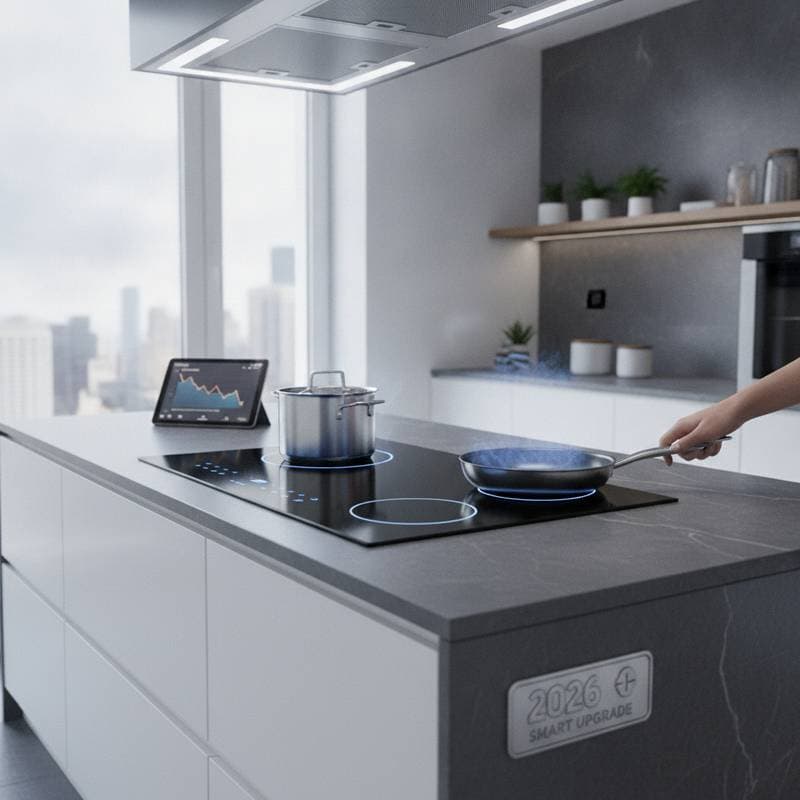
Induction cooktops represent a strong investment for kitchen upgrades. They reduce energy consumption, speed up cooking times, and attract buyers who value safety features along with modern efficiency. Planning this upgrade ahead of market shifts positions a home for better long term performance.
Key Cost Components
Cooktop size and zone count influence the base price. A 24 inch two zone model begins around 1000 dollars. A 36 inch five zone unit reaches up to 2800 dollars before any installation work begins. Additional zones increase both power requirements and control system demands.
Electrical upgrades often prove necessary. Most kitchens require a dedicated 240 volt circuit and breaker. Homeowners should budget 300 to 800 dollars when no suitable line exists already.
Countertop modifications arise when replacing gas units. Resizing the cutout in stone or quartz surfaces adds 150 to 400 dollars. Ventilation needs remain modest because induction produces less ambient heat, yet downdraft systems still cost 600 to 1000 dollars if selected.
Cookware compatibility requires attention. Induction needs magnetic bases. A starter set of compatible pans costs 100 to 300 dollars, although many existing stainless steel and cast iron pieces already work.
Installation Choices
Homeowners can manage removal of the old unit and basic space preparation. Surface cleaning, alignment checks, and mounting steps fall within safe do it yourself scope when electrical work is not involved.
Licensed electricians must complete all wiring to satisfy code requirements. Permits become mandatory whenever a new 240 volt circuit is added. Warranty protection may lapse if unlicensed work occurs.
Risk levels vary by task. Electrical attempts carry high hazard potential including shock or fire. Countertop adjustments present medium risk that requires proper eye protection and suitable blades.
Essential tools include a circuit tester, level, straightedge, drill, and driver. Clamp kits usually arrive with the cooktop itself.
Ongoing Care Practices
Induction surfaces require minimal routine service. Immediate spill removal with a soft cloth prevents staining. Sliding heavy pans should be avoided to protect the glass. Flat bottom cookware ensures consistent heating performance.
Common issues include surface scratches from debris, sensor faults after liquid intrusion, and board failures following power surges. A properly rated surge protector, clear under unit vents, and regular cookware base inspection reduce these risks.
Warranties typically span two to five years for parts and labor. Some manufacturers extend coil coverage to ten years. Registration within 30 days activates full terms.
Market Advantages
Buyers increasingly prioritize electric kitchens for improved safety, air quality, and temperature precision. Induction addresses each priority by removing open flames, limiting heat loss, and enabling exact control settings. These attributes contribute measurable resale value across both new construction and existing homes.
Properties equipped with induction sell faster in active markets. Energy aware purchasers view them as prepared for expanding electrification standards. Landlords benefit from reduced surface damage and unattended operation risks.
Preparation Steps
Assess panel capacity first. A full service panel may need subpanel additions discussed with a qualified electrician. Secure a unit before rebate cycles reopen to avoid supply constraints.
Test existing cookware with a magnet. Replace only those pieces that fail the test. Monitor utility statements before and after installation to quantify savings. Retain all documentation including warranty registration for future sale records.