Hidden Pantries Deliver Smart Storage and Boost Resale Value
Why Hidden Pantries Rank as a Top 2026 Storage Trend
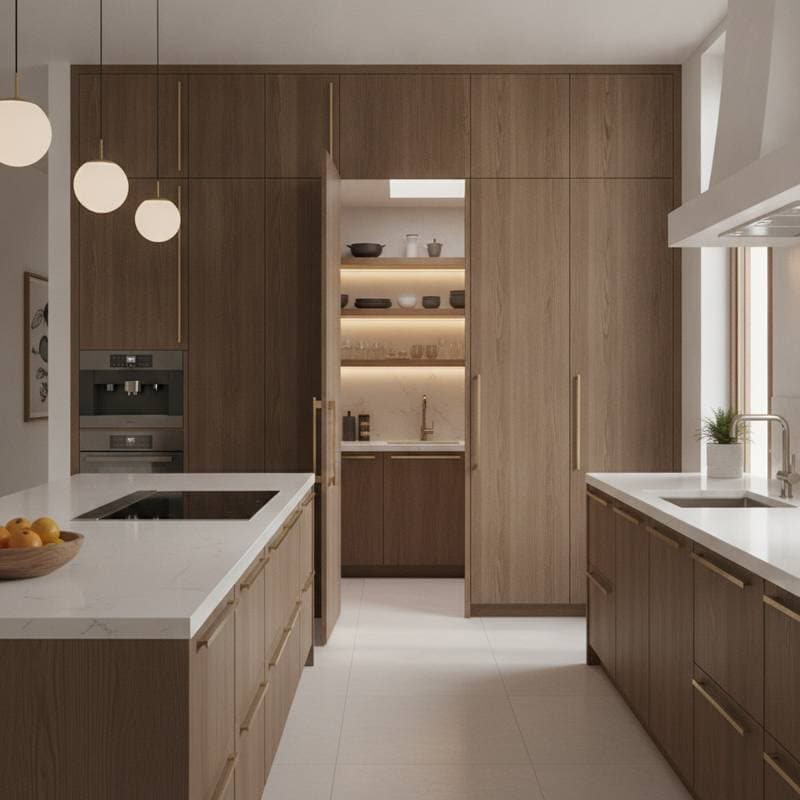
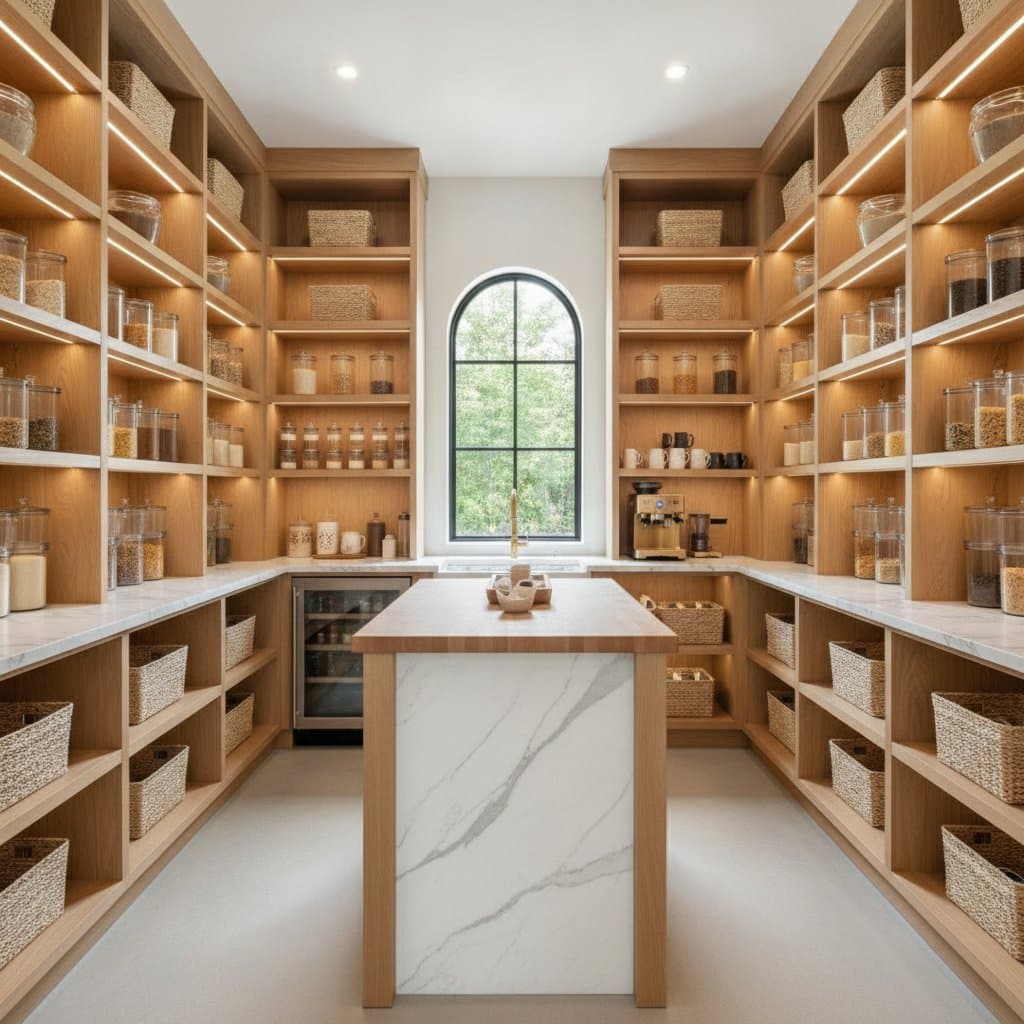
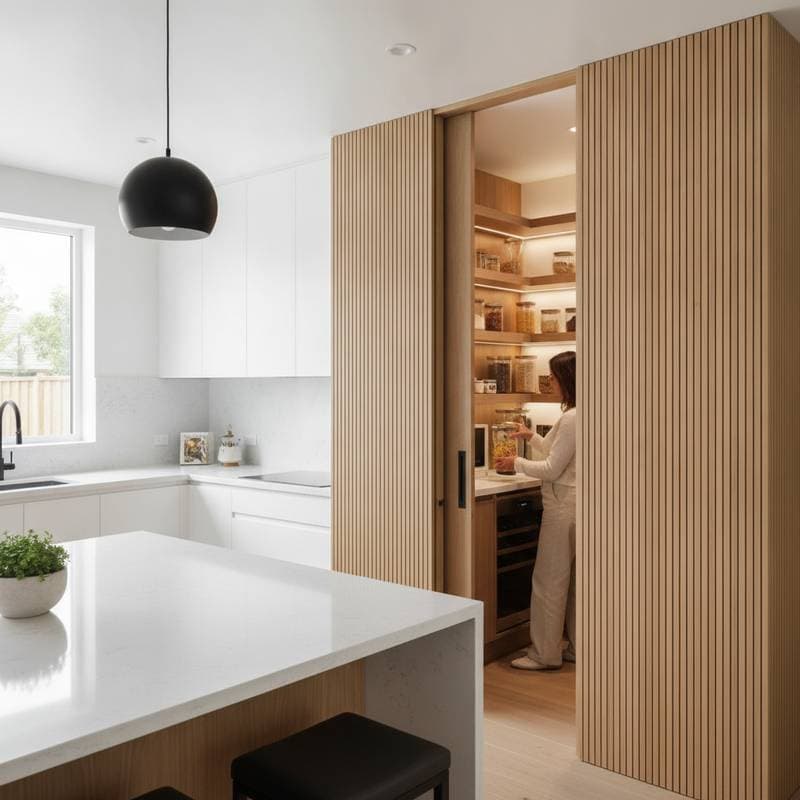
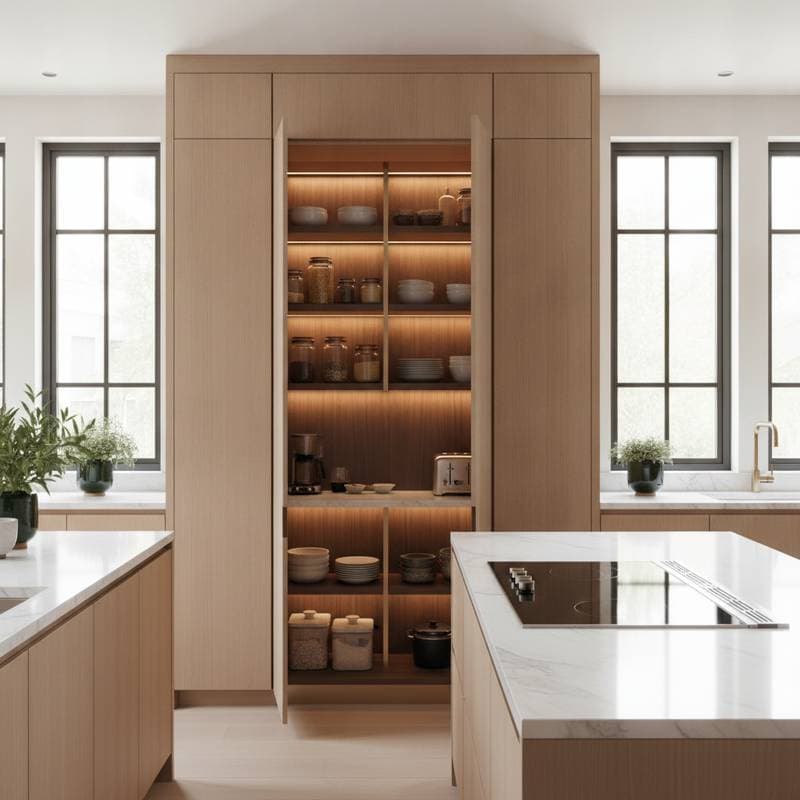
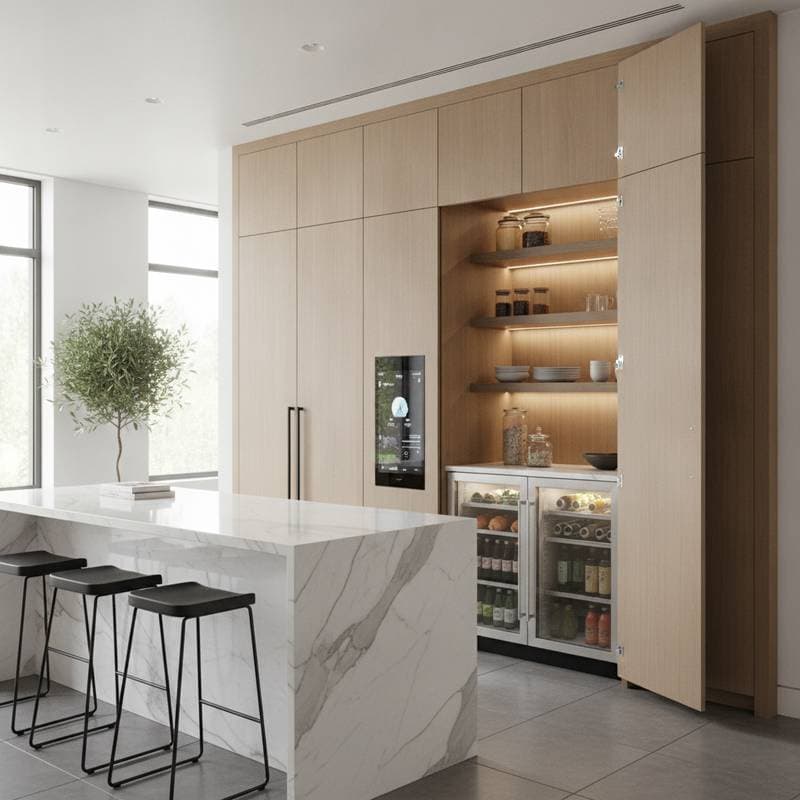
Average installed cost reaches $9,500 for a concealed pantry that features custom cabinetry and a hidden door. Homeowners now convert storage into a design element by concealing full pantry rooms behind seamless panels. A hidden pantry supplies the function of a walk-in space while preserving the clean lines of a minimalist kitchen. It conceals clutter, shields food from light and heat, and increases resale appeal for buyers who seek thoughtful storage solutions.
Cost Factors That Shape Project Budgets
Several variables influence both price and timeline. Understanding them early prevents scope changes and unexpected expenses.
- Materials: Plywood cabinets reduce initial cost yet age faster than hardwood or MDF panels. Concealed hinges and push-latch systems add between $300 and $700. Custom millwork that matches existing cabinet fronts adds between $2,000 and $5,000 depending on finish.
- Labor: Finish carpenters charge between $75 and $150 per hour for concealed installation. Electrical adjustments for lighting and outlets run between $200 and $600. Painting and touch-ups add between $300 and $800 for seamless blending.
- Size and Layout: A compact 4-by-6-foot pantry with a single door costs around $6,000. Larger layouts with dual entries or butler-style access rise to between $12,000 and $18,000.
- Access and Location: Corner kitchens or tight galley layouts require extra framing for clearance. Add between $500 and $1,000 for modifications.
- Permits and Code Needs: Electrical and structural changes trigger local permits. Budget between $100 and $400 plus several days for approval.
Style Options and Recommended Upgrades
Hidden pantries appear in three primary styles. Each style balances visibility, access, and cost in distinct ways.
- Basic: Flat cabinet door disguise with standard hinges, painted MDF or laminate finish, and manual or motion-sensor lighting. Cost ranges from $6,000 to $9,000 installed.
- Midrange: Custom millwork that matches kitchen cabinetry, integrated lighting with dimmer and ventilation fan, plus pull-out shelving or lazy susans. Cost ranges from $9,000 to $13,000 installed.
- Premium: Floor-to-ceiling concealed entry with push-latch or magnetic release, hidden door mechanism rated for 50,000-plus openings, climate-controlled shelves, and smart lighting. Cost ranges from $13,000 to $18,000 installed.
Invest first in hidden door hardware. Quality hardware prevents sagging and sticking that break the seamless illusion.
Project Timeline and Practical Savings Steps
Allow 3 to 6 weeks for completion because of millwork fabrication and inspection schedules. The largest delay risk stems from custom cabinet finishes and hardware backorders. Order all materials before demolition to shorten downtime.
Reduce expenses by selecting painted MDF for interior shelves instead of hardwood. Reuse existing pantry shelving when it fits the new layout. Combine the hidden pantry build with other kitchen updates to share labor costs. Request that your contractor schedule work during slower seasons when cabinetry shops offer discounts. Budget an additional 10 to 15 percent for surprises in older homes, especially when wall framing deviates from current standards.
Design Choices That Maintain Function and Style
Hidden pantries adapt to any kitchen style when proportions remain correct. Keep the door line uninterrupted while preserving easy access.
Match panel seams to cabinet grain for a continuous appearance. Use soft-close hinges to prevent slamming and misalignment. Add LED strips under shelving for shadow-free visibility. Include at least one deep shelf for bulk items and one shallow shelf for daily use.
In butler-style kitchens a hidden entry between prep and service zones keeps clutter away from guests while preserving workflow. In open-concept homes a concealed pantry maintains clean sightlines without sacrificing capacity.
Errors That Undermine Long-Term Performance
Ignore ventilation and trapped heat shortens food life. Overload shelves beyond hinge capacity and doors misalign. Skip a level check and uneven flooring causes scraping. Choose glossy paint inside and reflected light highlights scuffs. Address these items before finishing to avoid later repairs.
Steps to Begin Your Installation
Measure kitchen wall depth and confirm at least 18 inches of clearance for shelving. Sketch the layout, mark potential door seams, and choose between push-latch or disguised handle. Obtain at least three quotes from finish carpenters experienced with concealed cabinetry. Request timeline details, warranty terms, and references.
When budget limits apply, build the pantry first and add the hidden door later. Framing and shelving can be installed initially, then covered once funds become available. This phased approach maintains function without overcommitment.
A hidden pantry creates a controlled environment that protects food, reduces clutter, and increases home value. Decide how much space you can allocate, how closely the finish must match surrounding cabinetry, and whether you will hire professionals. With clear planning and disciplined budgeting an ordinary wall becomes a seamless, functional pantry that stores essentials out of sight yet within reach.